Trends & News — the smart insider's daily desk

A daily-updated desk of what's moving across wellness and health: launches, openings, consumer-signal data, market forecasts, peer-reviewed research, and policy — each read through a nervous-system lens.

Every published item

  • Aspirin, Ibuprofen May Blunt Muscle Gains From HIIT

    news · 2026-07-29 · Mindbodygreen

    Common over-the-counter anti-inflammatory meds like aspirin and ibuprofen might block some of the muscle-building and cardio benefits of high-intensity interval training (HIIT), according to a new study from Swedish researchers published in Acta Physiologica. The study involved a small sample of 31 young adults, tracking their muscle growth and anti-inflammatory markers after HIIT sessions.

    Sabin's take. Thought your post-workout ibuprofen was helping? Turns out, it might be sabotaging your gains. This isn't just about pain relief versus hypertrophy; it's about the body's natural inflammatory response after a hard session being a signal for adaptation. Pop an NSAID, and you're potentially muting some of the cellular messages that tell your muscles to grow stronger and your heart to get fitter. The study was small, sure, but it adds to growing evidence that chronic anti-inflammatory use can dull the very adaptations we're chasing with exercise. Maybe that little bit of discomfort is actually part of the process, a chemical cue for your body to level up. Think of it less as pain to be conquered, and more as information to be processed. What's next? Expect more athletes and weekend warriors alike to rethink their immediate grab for the Advil after a tough workout.

    #research #fitness #recovery #inflammation #muscle

  • Longevity AI, Clalit to refine heart disease, diabetes risk models

    news · 2026-07-29 · Longevity.Technology

    Longevity AI is partnering with Clalit Health Group's Meir Medical Center to recalibrate cardiovascular disease and Type 2 diabetes risk prediction models. They're using real-world data from Clalit's integrated healthcare system to make these models more accurate for personalized care.

    Sabin's take. AI tackling heart disease and diabetes risk prediction? Smart. But the real story is recalibrating existing models with actual, longitudinal patient data. We've seen plenty of 'AI will fix everything' headlines, but this is about refinement, not reinvention. The outcome: more precise risk scores, which *could* actually change someone's day-to-day. If the algorithms get better at flagging who's truly at risk, it means earlier interventions and less wasted effort on those who aren't. It's a pragmatic use of AI – not predicting the future, but getting a sharper read on the current probability. Watch for how well these 'retrained' models generalize beyond Clalit's specific patient population. That's crunch time. Accuracy changes what you eat, how you move, and what meds you consider. That's a real-body impact.

    #device #longevity #biotech #research #nutrition #cardiovascular

  • Ebola vaccine human trials begin with first volunteer

    news · 2026-07-29 · Nature News

    The first human volunteer received a new Ebola vaccine, three months into a new outbreak. This rapid, targeted response aims to curb the spread of the deadly virus by activating the immune system early. The trial starts in a region still grappling with previous outbreaks.

    Sabin's take. So, while everyone's still talking about other global health crises, scientists are quietly spinning up new response strategies for the next big one. This isn't just about one virus; it's a test case for how fast we can mobilize novel vaccines when the clock is ticking. The real mechanism here is priming the immune system with a harmless piece of the virus, teaching it to recognize and fight the real threat before significant damage can be done. It's about outmaneuvering the pathogen, not just reacting to it. What to watch here isn't just the vaccine's efficacy, but how quickly these kinds of targeted, region-specific trials can go from lab to arm. This rapid deployment model is the real innovation, showing how we might get ahead of future infectious disease threats that can throw our collective nervous system into chaos.

    #research #policy #biotech #longevity #nervous-system #immunity

  • ProMIS Neurosciences Alzheimer's Drug Shows Early Safety, Biomarker Hits

    news · 2026-07-29 · Longevity.Technology

    ProMIS Neurosciences dropped early, positive blinded six-month safety and biomarker results for PMN310, their Alzheimer's drug in a Phase 1b trial. The study, involving mild cognitive impairment and mild AD patients, showed no severe amyloid-related imaging abnormalities in 136 people, suggesting a potentially safer path compared to other Alzheimer's treatments.

    Sabin's take. So, a new Alzheimer's drug candidate, PMN310, is looking pretty good on the safety front in its early trials, with very low rates of brain swelling and microhemorrhages seen with other amyloid-targeting therapies. This matters because it hunts down toxic forms of amyloid beta, which might keep the brain a bit less inflamed than the total amyloid clearing approach of competitors like Leqembi. The market read here isn't just about Alzheimer's; it's about the entire approach to neurodegenerative diseases. We're moving from a sledgehammer to a scalpel for clearing out gunk in the brain. For you, it means less systemic noise, and hopefully, fewer of those nasty side effects. Watch if this selective targeting strategy becomes the new standard, pushing other, less selective drugs into a corner.

    #research #biotech #longevity #nervous-system #mental-health #peptide

  • Active women told to stop under-fueling for exercise

    news · 2026-07-29 · Mindbodygreen

    Mindbodygreen called out five common nutrition "rules" that often lead active women to under-fuel, disrupting hormones and metabolism. The guidance pushes back against restrictive diets, emphasizing adequate energy intake to support performance and overall health. It signals a shift from calorie-counting to fueling for physiological needs.

    Sabin's take. This isn't just about "eating enough"; it's about telling the diet orthodoxy to take a seat, especially when it comes to women's bodies. Under-fueling directly messes with your hormonal balance, tanking thyroid function and throwing off estrogen and progesterone production. Hello, irregular periods, low libido, and bone density issues — not to mention an impossible time recovering from workouts. The mechanism here is simple: your body sees calorie restriction as a stressor, activating the HPA axis and jacking up cortisol. The industry has pushed a "less is more" narrative for too long, but real fitness and health depend on a consistently well-fed nervous system. Your body isn't a math problem; it's a dynamic system that needs predictable energy to operate optimally. Watch for more brands to pivot hard towards "fueling for function" over restriction.

    #nutrition #hormones #fitness #recovery #nervous-system #consumer-signal

  • Pro-Inflammatory Diets Linked to Brain Shrinkage in New Study

    news · 2026-07-29 · Mindbodygreen

    A new study published in *Neurology* tracked over 200,000 participants for 10 years and found that those with consistently higher pro-inflammatory diets showed greater brain atrophy. The research links dietary inflammation directly to accelerated brain aging, impacting cognitive function. It's a clear signal to rethink what you're putting on your plate if you want to keep your brain sharp.

    Sabin's take. Okay, so the old 'you are what you eat' is getting a literal brain scan confirmation. This new study out of *Neurology* didn't just ask people what they ate, it actually correlated inflammatory diets with brain shrinkage over a decade in a massive cohort. Your morning croissant habit isn't just messing with your blood sugar; it's potentially nudging your brain cells towards an early retirement. The mechanism here is clear: chronic inflammation is a systemic stressor, and your brain isn't immune. This isn't groundbreaking news — we've known inflammation is bad for everything — but seeing it play out so clearly on brain volume means this isn't just about feeling good, it's about holding onto your marbles. Expect more brands and wellness protocols to lean hard into 'anti-inflammatory' claims, but the real takeaway is simple: whole foods win, processed junk loses, especially if you actually want to remember where you put your keys.

    #research #nutrition #longevity #nervous-system #mental-health #gut

  • Women four times more likely to have IBS

    news · 2026-07-29 · Mindbodygreen

    Mindbodygreen highlighted a common digestive condition, Irritable Bowel Syndrome (IBS), affecting women at a rate four times higher than men. This chronic gut issue can lead to significant discomfort and impact overall well-being, though the underlying mechanisms are still being explored. The article sheds light on an often-overlooked health disparity.

    Sabin's take. So, women are four times more likely to get IBS. This isn't just about belly aches and bloating; it’s a nervous system thing, too. Think about the gut-brain axis: chronic stress, hormonal fluctuations (estrogen and progesterone are huge players), and differing pain perceptions can all dial up symptoms in women. Your gut feelings literally become gut pain. For the industry, this means an open door for more targeted solutions – not just generic probiotics, but therapies that address the whole picture: stress modulation, hormone support, and dietary approaches tailored to how a female body processes things. Watch for more brands to specifically market gut health solutions to women, not as a trend, but as a long overdue recognition of biological differences. It's not just a digestive problem; it's a nervous system problem that presents in the gut.

    #gut #nervous-system #hormones #mental-health #nutrition

  • FDA denies Capricor stem cell trial for Duchenne muscular dystrophy

    news · 2026-07-29 · STAT News

    The FDA stated that Capricor's experimental stem cell treatment for Duchenne muscular dystrophy failed to meet its Phase 3 trial goals, contradicting the company's claims. This throws a wrench in what was hoped to be an advance for a severe muscle-wasting condition. It's a reminder that even promising therapies face a tough road at the final hurdle.

    Sabin's take. So, Capricor was pretty hyped about their stem cell therapy for Duchenne muscular dystrophy, but the FDA just hit the brakes, hard. Turns out, the Phase 3 trial didn't actually meet its objectives, despite what the company was spinning. This isn't just a clinical setback; it's a gut check for the whole regenerative medicine space, especially those focused on muscle repair and neuromuscular conditions. We're talking about conditions where muscle degradation directly impacts daily function and longevity, so any intervention that targets cellular repair mechanisms is a big deal. For families banking on these therapies, it's a difficult outcome, highlighting the immense challenge of proving efficacy for complex genetic disorders. It also signals the FDA isn't lowering its bar, even for high-need areas. Watch for other biotech players to take an even more conservative approach in trial design and communication moving forward.

    #policy #biotech #longevity #nervous-system #research

  • FDA peptide policy gains momentum; Whoop gains new CCO

    news · 2026-07-29 · Glossy

    The FDA's advisory committee meetings sparked legal discussion around peptides, with industry leaders weighing in. Meanwhile, WHOOP hired Glossier's former CEO as their Chief Commercial Officer. Also, the AI-powered robotic massage market is expanding, and skincare brand Prequel added new executives.

    Sabin's take. The peptide chaos isn't going to last forever. Regulators are finally tuning into the noise around these compounds, especially as peptides edge closer to mainstream wellness. Expect an eventual clear-out of the wild west, narrowing the field to fewer, more reputable players. This isn't just about safety; it's about legitimizing a category currently running on grey-market energy. Also, Whoop bringing in a beauty-brand exec signals how much companies selling health data want to position themselves as lifestyle brands. They're not just selling metrics; they're selling an identity, and Glossier knows how to build that. This move tells you that the next battleground for wearables isn't just better tech, it's better branding and wider consumer adoption, merging health tech with aspirational living. This is where personalized data meets high-end influence.

    #policy #peptide #wearable #skincare #longevity #nervous-system

  • Fauci to face Senate panel, COVID origins on the agenda

    news · 2026-07-29 · STAT News

    Dr. Anthony Fauci is set to testify before a Senate panel, with Sen. Rand Paul spearheading inquiries into the origins of COVID-19 and potential perjury. The hearing will revisit crucial public health decisions and scientific conduct during the pandemic. Expect a deep dive into how scientific advice influenced policy and what might have been withheld.

    Sabin's take. Listen, when policymakers drag scientists onto the Hill, it’s rarely about pure biology. This hearing with Dr. Fauci is going to be more about political theater than a groundbreaking scientific seminar on immunology. You aren't going to get new insights into how your immune system actually fends off novel viruses, or what 'long COVID' does to your autonomic nervous system. What you *will* get is a replay of the messy interplay between scientific advice, public messaging, and policy during a global health crisis. Watch for the careful parsing of language around gain-of-function research and the reliability of scientific projections. The real takeaway here isn't a new health protocol, it’s a masterclass in how government oversight can either clarify or muddy the waters of public health, especially when it touches on something as body-shaking as a pandemic.

    #policy #research #immunity #nervous-system #mental-health #longevity

  • American Diabetes Association faces backlash over expelling researcher

    news · 2026-07-29 · STAT News

    The American Diabetes Association (ADA) is fielding calls for board resignations after mishandling an incident at its annual meeting. An open letter criticized the board's decision to expel one of its star researchers, triggering concerns over scientific integrity and transparency within the organization.

    Sabin's take. This isn't just about one researcher getting the boot; it's a peek behind the curtain of how funding and influence play out in big health organizations. When the ADA, a key player in diabetes research and advocacy, gets called out by its own members for bad behavior, it signals a potential nervous system issue within the institution itself. What does this power struggle mean for genuine breakthroughs in metabolic health and blood sugar regulation? It's less about the science itself right now, and more about the politics of who gets to do the science, and whose work gets validated. Pay attention to how this plays out, because patient trust and future research priorities depend on it. These kinds of internal squabbles can derail things faster than a dietary fad.

    #policy #research #blood-sugar #metabolism #nervous-system #longevity

  • Jameela Jamil joins The Pack NYC as strategic partner

    news · 2026-07-29 · Athletech News

    Actress and activist Jameela Jamil announced a strategic partnership with The Pack, a self-defense-inspired fitness studio in NYC. She joins current partners Russell Wilson and Ciara, aiming to empower women through strength and confidence training. The Pack focuses on teaching self-defense to build both physical and mental resilience.

    Sabin's take. So, Jameela Jamil is now a strategic partner at The Pack NYC, joining forces with Ciara and Russell Wilson. This isn't just another celebrity endorsement; it's a smart play on the growing demand for fitness that hits different. We've moved beyond just looking good; people want to *feel* capable, dangerous even, in a good way. The self-defense angle taps into a primal nervous system response: safety. Building physical strength and learning to defend yourself quite literally rewires your brain to feel more secure, less anxious, and more confident. It’s an effective strategy to lower ambient stress and boost mental resilience that resonates deeply with women, particularly in big cities. Watch for more combat-inspired fitness concepts to lean into this mental health benefit, not just the physical burn. It's about shifting from perceived threat to perceived control.

    #fitness #mental-health #nervous-system #recovery #longevity #opening

  • Meta on wellness: More Reels means more personalized pitches

    trend · 2026-07-29 · Athletech News

    Meta's Kevin Tadmori says fitness and wellness brands need to lean into AI-powered social media to reach consumers. He claims community, personalization, and storytelling are key for brands, with 4.5 billion Reels shared daily.

    Sabin's take. So, Meta wants brands to shell out more ad dollars via Reels, surprising absolutely no one. What they're actually saying is: the old 'aspirational, perfectly sculpted person doing yoga on a cliff' ad is dead. Consumers are looking for hyper-specific content that feels like it speaks to *their* nervous system, *their* sleep issues, *their* hormone fluctuations. It’s less about selling an ideal and more about selling a solution to a very particular problem, often through micro-influencers who feel more 'real.' The rise of social shopping means direct-to-consumer health brands can skip traditional gatekeepers and hit you right where your feed is, promising dopamine hits from purchases. The cynical read: you're just getting more targeted ads wrapped in 'community' — but the effective read for brands is you've got to speak human. And be ready to buy when you pop up again.

    #consumer-signal #mental-health #nervous-system #marketing #fitness #sleep

  • AI models offer new consciousness insights for brain research

    news · 2026-07-29 · Nature News

    AI is becoming a new tool for consciousness researchers, with scientists using large language models and neural networks to test theories of how awareness works. The goal is to build computational models that can mimic or explain consciousness, potentially advancing our understanding of neurological conditions.

    Sabin's take. So, AI models are now the new proving ground for figuring out consciousness, which, let's be real, has mostly been a philosophical head-scratcher. Scientists are feeding these AIs with brain data and then seeing if the models can replicate things like attention, decision-making, or even — gasp — subjective experience. The real play here isn't just to build a conscious robot (calm down, sci-fi nerds), but to get a handle on what might be going wrong in conditions like schizophrenia or coma. If these models can truly mimic how the brain builds awareness, it might clue us into the core mechanisms that regulate our nervous system, from basic sensory processing to complex emotional responses. It's a high-stakes gamble; if it works, it rewrites how we treat the mind. If it doesn't, well, we're back to square one with fancy algorithms.

    #research #mental-health #nervous-system #biotech #longevity

  • Global health funding shift impacts hepatitis elimination efforts

    news · 2026-07-29 · The Lancet Global Health

    A deep dive in The Lancet Global Health reveals how global health funding is pivoting from disease-specific programs to integrated primary care models. This shift, particularly for hepatitis, means leveraging existing HIV platforms to manage costs, which could impact future elimination targets. It's a reminder of what happens when the money moves.

    Sabin's take. This bit in The Lancet is a pretty clear signal: the big global health money is drying up for single-disease fights like hepatitis. Instead, they're funneling it into 'integrated primary care,' which sounds great on paper but really means shoehorning new issues onto old platforms, like tacking hepatitis onto HIV programs. It's a cost-saving move, pure and simple, supposedly to keep past investment gains from totally vanishing. But when you spread resources thinner, something usually gives. You should watch how this plays out for actual disease elimination and what it means for vulnerable populations. The grand idea of wiping out diseases doesn't just happen because everyone agrees it's good; it needs dedicated cash, and that's getting scarcer. It's not about what works, it's about what's affordable.

    #policy #research #mental-health #longevity #immunity

  • AI Redesigned Botox Enzyme to Target ALS Protein

    news · 2026-07-29 · Singularity Hub

    Researchers used AI to re-engineer the Botox enzyme, Botulinum neurotoxin E, allowing it to specifically target and snip a protein linked to ALS. This proof-of-concept, published in *Science*, shows AI's potential to create ultra-precise protein therapies. It could open doors for treating neurodegenerative diseases without the widespread side effects of current toxins.

    Sabin's take. So, AI just gave the world's most famous neuromodulator a glow-up. Instead of freezing whatever it touches, this AI-designed Botox variant can be programmed to precisely cut specific proteins — in this case, one notoriously implicated in ALS. This isn't about cosmetic tweaks anymore; it’s about micro-targeting rogue proteins that cause neuron damage. Imagine a future where you could snip out the bad actors implicated in Parkinson’s or Alzheimer’s with a hyper-accurate biological scissor. The implications for nervous system-focused biotech are massive. The next frontier isn't just delivering drugs, it's reprogramming how those drugs interact with your physiology at a molecular level. This is a big deal because it leverages a known neurotoxin's power while stripping away its broad, indiscriminate action, paving a path for therapies that are more precise and hopefully, far safer.

    #biotech #nervous-system #longevity #research #peptide

  • Sahajan Ayurvedic Skincare Hits Sephora Canada, Nears $12M Revenue

    news · 2026-07-29 · Beauty Independent

    Ayurvedic skincare brand Sahajan just landed on Sephora Canada's "Next Big Thing Wall" in 49 stores. The brand is projecting nearly $12 million in revenue this year, all on a lean $2 million in outside investment. It's a signal that mainstream beauty chains are leaning into ancient traditions that promise more than just surface-level results.

    Sabin's take. This isn't just another skincare line hitting a big retailer; it's a telling sign that the 'skin barrier' conversation moved from nerdy dermatology webinars to Sephora shelves. "Ayurvedic" on the label implies a specific view on body balance and connection, which is a departure from the usual ingredient-driven, efficacy-only pitch. When consumers look for formulations that promise to calm the skin (and by extension, the nervous system), they're signaling a desire for products that feel less like a chemical intervention and more like supportive rituals. Sahajan’s success with minimal funding means they actually solved a problem, instead of just buying market share. Watch for more brands to connect topical applications with 'inner wellness' rather than just 'outer glow' — it's the next wave in how we think about skin health and its subtle but real impact on how we feel.

    #launch #skincare #consumer-signal #nervous-system #gut #menopause

  • FitActive Plans 100 New Gyms in Italy

    news · 2026-07-29 · Athletech News

    FitActive, Italy's low-cost gym chain, announced plans to open 100 new clubs in its home market, aiming for 280 locations total. This expansion comes as other major fitness players like McFit and Orangetheory are also eyeing the Italian landscape. It signals a continued push for accessible fitness options across the country.

    Sabin's take. Another day, another gym chain pushing for aggressive growth. FitActive's move to add 100 more locations in Italy sounds good for market share, but it really just puts more pressure on their nervous system to deliver value beyond just 'low cost.' When you're competing against global giants like McFit and Orangetheory, convenience and price get you through the door once. What keeps people coming back isn't cheap membership, it's feeling better in their body and seeing real fitness benefits. Will these new gyms focus on actual movement quality, progressive overload, and recovery spaces, or just more shiny machines and tight margins? The market is begging for gym chains to move past the 'sweat more' mentality and lean into the science of adaptation, stress, and repair. Otherwise, you're just selling attrition.

    #opening #fitness #recovery #nervous-system #longevity

  • Avocado a Day Improves Heart Health, Study Suggests

    news · 2026-07-29 · Mindbodygreen

    Daily avocado consumption (half an avocado for women, one for men) over six months improved an overlooked heart health marker, according to a recent study. Researchers observed changes in endothelial function, a key indicator of artery health. This habit could offer a simple, tasty way to support cardiovascular wellness.

    Sabin's take. Okay, so eating an avocado every day for six months isn't exactly groundbreaking, but this study points to something crucial beyond just 'good fats.' The real takeaway here is about endothelial function, which basically means how well your blood vessels flex and operate. When those cells are healthy, your arteries stay supple, blood flows better, and your heart isn't working extra hard. While it's not a magic bullet, focusing on foods that directly support vascular integrity is smart, especially since so many 'heart healthy' claims are vague. It's not about the avocado itself as much as it is about what specific nutrients in it (think monounsaturated fats, fiber, and specific micronutrients) do for your vascular system. Watch for more research connecting specific foods to measurable physiological markers beyond just cholesterol. It's the mechanism, not the macro, that matters.

    #research #nutrition #longevity #gut #nervous-system

  • Oral Alzheimer's drug cuts cognitive decline by 50% in early study

    news · 2026-07-28 · Longevity.Technology

    A new oral drug, LM11A-31, reduced cognitive decline by 50% in people with mild-to-moderate Alzheimer's during a Phase 2a study. Indiana University and Pharmatrophix presented the data, showing the drug may protect brain network connectivity. This could be big news for how we approach neurodegenerative conditions.

    Sabin's take. Okay, so a pill that halves cognitive decline in early Alzheimer's? That's a headline grabber for anyone paying attention to brain health. This LM11A-31 thing isn't just about slowing down memory loss, it specifically targets and protects functional-network connectivity in the brain. Think of it less as a band-aid and more like shoring up the electrical grid before a blackout. The mechanism involves p75NTR modulation, which basically means it's helping nerve cells stay connected and communicate better. It's still early days – Phase 2a focused on safety and biomarkers – but seeing a 50% reduction at this stage suggests a potent move in the right direction. If this holds up, it's not just a treatment; it's a recalibration of what's possible for brain aging and the nervous system. Keep an eye on this space; the ripple effects for longevity and mental health could be huge, shifting the conversation from managing symptoms to preserving cognitive function.

    #research #biotech #longevity #mental-health #nervous-system #supplement

  • Insilico Medicine to present AI-designed cancer drug data at ESMO 2026

    news · 2026-07-28 · Longevity.Technology

    Insilico Medicine, a biotech firm, will share initial human trial data for its AI-discovered cancer drug, ISM6331, at a major oncology conference in 2026. This Phase 1 presentation marks a key step for AI in drug development. The data will reveal more about the drug's safety and early efficacy in humans.

    Sabin's take. Okay, so AI is finally starting to translate into actual human trials for cancer drugs, not just cool infographics. ISM6331, dug up by Insilico's AI, is hitting the big European oncology stage in 2026 for its Phase 1 data. What this really says isn't just about AI's smarts, but about a shift in how we might find future longevity-focused therapeutics. If AI can cut down the insane timeline and cost of traditional drug discovery, that frees up serious dollars and human brainpower. The mechanism here is getting smarter about targeting specific pathways with less trial and error, moving beyond just broad-spectrum attacks. It means we might see more personalized, less toxic treatments faster. Keep an eye on how these AI-designed drugs perform in later stages; that'll determine if this is just hype or a real pathway to extending healthspan, not just lifespan.

    #research #biotech #longevity #nervous-system

  • Medical AI struggles to measure real-world health outcomes

    news · 2026-07-28 · Nature News

    A Nature News report points out that while medical AI is great at lab accuracy, it's seriously failing to measure real-world patient outcomes. Most AI research lacks actual clinical trial data, which means we can't tell if these tools help humans feel better, reduce complications, or improve quality of life. Without this, the fancy models might just be optimizing for the wrong things.

    Sabin's take. So, we're building super-smart AIs for health that ace tests in a petri dish, but nobody's really checked if they do anything useful for your body in the wild. This isn't just an academic problem; it means companies are pouring money into models that might look good on paper but won't move the needle on your actual nervous system, hormone balance, or recovery time. The industry is chasing benchmarks that prioritize data scientists over your actual wellbeing. It’s like optimizing a car for perfect track conditions, then wondering why it can’t handle a pothole. We need randomized controlled trials for these algorithms, yesterday. Otherwise, we’re all just guessing if these medical AI tools are really helping us live longer, healthier, or even just feeling a bit less stressed.

    #device #research #biotech #nervous-system #mental-health #longevity

  • Medical AI: who's legally responsible when doctors use it?

    news · 2026-07-28 · Nature News

    AI tools are increasingly integrated into medical diagnostics and treatment planning. This piece in Nature News explores the complex legal landscape that emerges when AI is involved in clinical care, raising questions about accountability for patient outcomes. As more physicians rely on AI, the article debates whether doctors, developers, or hospitals bear the final liability for AI-influenced decisions.

    Sabin's take. Think you can just point to the algorithm if something goes sideways? Think again. As AI seeps into doctor's offices, the conversation isn't about 'if' it'll make mistakes, but 'who gets sued' when it does. This isn't just theory; it's about shifting the actual liability for health outcomes. The medical community wants clear lines, and rightly so, because when your nervous system is on the line due to a misdiagnosis, someone has to own it. Right now, the smart money is on the doctor still holding the bag, but don't count out a future where AI developers face more heat. This will push for more regulated AI, closer to drug development standards, which means slower adoption but theoretically safer tech. It's a key policy pivot to watch, especially for any consumer-facing health tech promising AI insights.

    #policy #mental-health #longevity #nervous-system #biotech

  • Cercle app launches group journaling with mood tracking for friends

    news · 2026-07-28 · Product Hunt — Health & Fitness

    Cercle, a new app, aims to turn group chats into structured journaling for close friends. It lets users share daily mood checks and reflect on their day, then prompts them for conversations based on shared entries. Essentially, it's about turning casual check-ins into deeper, guided emotional support within your existing friend groups.

    Sabin's take. Okay, so this isn’t about chasing peak performance, it’s about actually feeling seen. The app tries to formalize the kind of emotional regulation that usually happens (or doesn't) in messy group texts. By asking specific questions and connecting friends' daily input, Cercle nudges users toward shared vulnerability and a sense of collective belonging — both known to buffer stress and regulate the nervous system. The whole idea is to create micro-communities of care, which, when you think about it, is a pretty smart way to combat the casual isolation that even constant connectivity can bring. It's essentially a guided social muscle workout for your emotional bandwidth. Watch for more apps to try to bottle this kind of 'structured connection' as people figure out their friend groups aren't just for memes anymore.

    #launch #mental-health #nervous-system #app #consumer-signal

  • PMOS Gains Awareness for Black, Latina women with Endocrine Disorder

    news · 2026-07-28 · STAT News

    A painful endocrine disorder formerly known as PCOS, now officially PMOS, is gaining traction. The name change aims to boost awareness and speed up diagnosis, especially for Black and Latina women who suffer disproportionately from underdiagnosis.

    Sabin's take. Renaming PCOS to PMOS (Polycystic Ovarian Syndrome to Polycystic Metabolic Syndrome) isn't just about semantics; it's about finally getting the mechanism right, and that's huge for women of color. PCOS was a terrible name and led to a lot of missed diagnoses and delayed care primarily because it ignored the metabolic root cause and focused only on the ovaries. For years, clinicians often overlooked the full picture — the insulin resistance, the systemic inflammation, the hormonal chaos that extends way beyond just ovarian cysts. This isn't just a win for clarity; it’s a direct push for clinicians to look upstream at a patient's metabolism and hormones, which should lead to earlier, more effective interventions. The hope is that by reframing it as a metabolic issue, more women, especially those historically underserved, will get the correct diagnosis and treatment plan to manage the real underlying hormonal and metabolic dysregulation, not just the symptoms clinicians could see in the gynaecology department.

    #hormones #metabolism #longevity #policy #mental-health #research

  • Dementia finally gets a business model, driven by new drugs.

    news · 2026-07-28 · STAT News

    Opinion piece from the Alzheimer's Association International Conference suggests dementia care and research now have a viable business model. This shift is reportedly fueled by new drug development like lecanemab and donanemab for Alzheimer's, creating incentives for investment and patient services. The writer posits this changes how we'll approach cognitive decline going forward.

    Sabin's take. Call it what it is: the 'sick care' model finally caught up to dementia. For decades, pharma basically shrugged at Alzheimer's and cognitive decline because the ROI wasn't there. Now, with new amyloid-targeting drugs (hello, lecanemab and donanemab) actually getting approved, suddenly billions are flowing into R&D and specialized centers. The money's coming from Medicare covering these pricey infusions, insurers following suit, and clinics popping up to deliver them. It's smart business, maybe not so much 'wellness.' What this really means is that proactive, nervous-system-first brain health largely remains an 'uninsured' space, while the big money chases late-stage disease management. You'll see more specialized dementia clinics, but don't expect your HMO to cover an eight-week vagus nerve toning program anytime soon, even if it might move the needle on early cognitive health.

    #policy #biotech #longevity #mental-health #nervous-system #research

  • Biotechs race to cure AATD with gene editing, spark patent wars

    news · 2026-07-28 · STAT News

    Biotech companies are flooding into the Alpha-1 Antitrypsin Deficiency (AATD) space, turning a rare genetic lung and liver disease into a gold rush for gene-editing cures. This rush is sparking patent disputes, company defections, and even international rivalries. The focus is on fixing the root genetic cause with therapies like CRISPR.

    Sabin's take. The pivot from 'lost cause' to 'gold rush' for AATD is a perfect gut check on where biotech money really flows: towards scalable, gene-level fixes for diseases affecting larger populations or offering clear, definable outcomes. AATD messes with your alpha-1 antitrypsin protein, a key protector for your lungs and liver. When it's off, chronic inflammation and cellular stress run rampant. The goal isn't just treatment anymore; it's a permanent rewrite of your body's operating instructions. This signals a future where fixing genetic predispositions preemptively becomes the norm. What to watch? How fast these gene-editing therapies move from labs to lungs, and who actually wins the IP battle for the core tech. The real game isn't just treating symptoms; it's upstream interception.

    #biotech #longevity #research #gut #inflammation #funding

  • Cyclospora Outbreak Shows Food Safety System Weaknesses

    news · 2026-07-28 · KFF Health News

    Hundreds nationwide were hospitalized from a Cyclospora outbreak, linked to federal public health cuts. Food safety experts warn this highlights vulnerability, suggesting future outbreaks could be deadlier due to hobbled monitoring.

    Sabin's take. This isn't just about a parasitic bug; it's a gut check (pun intended) on how fragile our food supply chain and public health oversight really are. When the monitoring systems get hit, your gut — and frankly, your entire nervous system — pays the price. Cyclospora sparks an inflammatory response that leaves you completely drained, which means your HPA axis is working overtime, and your immunity is on high alert, even after the acute phase. The real signal here? Systemic underinvestment in public health makes everyone's body more vulnerable, not less, no matter how carefully you choose organic or local. It means your body ends up doing the heavy lifting to fight off what the regulatory bodies should have caught, increasing your nervous system's baseline stress. Watch for consumers to get even more paranoid about sourcing, and for new apps promising hyper-traceability of food supply. But sometimes, the best tech can't fix a broken government system.

    #policy #gut #nervous-system #immunity #longevity #nutrition

  • California Teachers Get 14 Weeks Paid Parental Leave

    news · 2026-07-28 · KFF Health News

    Governor Gavin Newsom reversed his stance, signing a budget that grants California public school teachers 14 weeks of paid parental leave. This long-sought benefit is especially impactful for the state's largely female teaching workforce. The policy aims to support new parents and improve teacher retention.

    Sabin's take. California just told its teachers, mostly women, to actually use those 14 weeks of paid leave. Translation: the state finally acknowledged that being a new parent, especially a birth parent, impacts cortisol, sleep architecture, and overall mental health in a way that goes beyond a few sick days. The real win here isn't just the paycheck, it's the nervous-system break from diving back into a demanding job too soon. Expect to see other high-cost-of-living states with significant teacher shortages, and therefore union power, follow suit. This move quietly sets a new benchmark for what 'supported worker' really means, moving beyond token gestures to substantial time off that actually allows for recovery and bonding. Pay attention to how this impacts teacher burnout and retention numbers in the coming years.

    #policy #mental-health #nervous-system #workplace #hormones #recovery

  • AI speeds drug discovery through continuous data feedback

    news · 2026-07-28 · MIT Tech Review

    MIT Technology Review highlights how AI platforms are now closing the data loop in drug discovery, cutting down the decade-plus timelines and skyrocketing costs of pharmaceutical development. This shift uses machine learning to iterate faster on drug candidates, moving from hypothesis to lab test and back again in weeks, not years, to find targets for conditions from neurodegeneration to metabolic disorders.

    Sabin's take. The promise of AI has been around for a minute, but the real play is when it moves beyond just crunching numbers to actually accelerating physical tests—that’s where the rubber meets the road for new pharma. We’re talking about AI not just predicting molecules, but then instantly feeding what actually happens in the lab back into its models to refine the next batch. This slashes the time and cost barrier to finding new compounds that could target things like abnormal protein buildup in the brain, insulin resistance, or immune system overactivity. The next big drug for your nervous system regulation or metabolic health might get here five years sooner because of this. Watch for how quickly these AI-driven pipelines translate into actual human trials for tricky conditions.

    #biotech #longevity #research #nervous-system #gut #hormones

  • AI in healthcare: MIT explores future superintelligence

    news · 2026-07-28 · MIT Tech Review

    MIT Technology Review laid out what artificial superintelligence could look like in healthcare. Instead of disjointed AI agents, imagine a truly coordinated system that could revolutionize diagnosis, treatment, and patient care. This peek into the future suggests a deep impact on overall health management.

    Sabin's take. Okay, MIT's talking 'artificial superintelligence' in healthcare, and my nervous system just did a little jump. The idea of truly coordinated AI, not just separate bots doing separate tasks, changes everything. We're thinking beyond 'AI helps schedule appointments' to 'AI diagnoses latent autoimmune conditions no human ever saw coming' in milliseconds. This isn't just about efficiency; it's about pushing past the limits of human perception and cognitive load in medicine. Imagine a system where all your biomarkers, genetic data, lifestyle choices, and symptoms are constantly cross-referenced against global medical literature, not by a doctor with finite time and memory, but by a cohesive, self-improving super-agent. The upside for precision medicine, early detection, and individualized nervous system regulation is massive. The catch? We're still grappling with basic AI ethics, let alone building something with unified objectives that won't decide we'd all be better off without coffee. But if it means catching the biological age markers decades before they become chronic issues? I'm watching.

    #biotech #longevity #nervous-system #research #mental-health

  • New Drug Class Targets 'Untreatable' Diseases with Novel Mechanism

    news · 2026-07-28 · New Scientist

    A new class of drug, called 'molecular glues,' just got its first regulatory approval, promising to treat diseases currently considered untreatable. Unlike traditional drugs that block or activate proteins, these glues force proteins together to create new functions. This novel approach could open up therapies for a host of conditions without current solutions.

    Sabin's take. Okay, so this isn't just another incremental drug; it's a new way to pull levers in the body. Instead of just hitting a molecule to turn it on or off, 'molecular glues' literally stick proteins together that normally wouldn't interact. Think of it like taking two random pieces of a machine and duct-taping them into a new, functional piece. The first approved one, for myelodysplastic syndrome (MDS), forces a 'tag' onto a protein that marks it for destruction, which helps the body clear cancerous cells. This isn't just for cancer, though. Imagine forcing together proteins that stabilize your mitochondria, or re-engineer how your gut microbiome communicates. The implications for longevity, chronic disease, and even nervous system disorders are massive. This could be a game-changer for conditions where traditional 'on-off' drug approaches have consistently failed. It's less about blocking a pathway and more about creating a new one entirely.

    #research #biotech #longevity #nervous-system #mental-health #gut

  • Breva app turns Mac trackpads into breathing guides

    news · 2026-07-28 · Product Hunt — Health & Fitness

    Breva, a new Mac app, guides users through breathwork sessions by changing the trackpad's haptic feedback, essentially turning your laptop into a portable biofeedback device. This aims to make nervous system regulation more accessible and discreet, using a tool already in users' hands. You're meant to feel the haptic feedback expand and contract, cueing your inhale and exhale.

    Sabin's take. Okay, so our computers are already a major source of stress, now they're trying to be the solution via your trackpad's tiny vibrations. The idea here is direct, immediate nervous system feedback without needing another gadget or app staring at you. The haptic sensation on your fingers, paired with precise breath pacing, could theoretically tap into the vagal nerve and slow your heart rate variability (HRV) for a quick moment of calm. It's a clever way to integrate a biofeedback loop into existing tech, reducing friction for anyone who struggles with visual-only breath guides. Don't expect a full psychic reset, but for a 60-second nervous system reset in a busy workday, this is a pretty low-effort entry point. The real play here is making 'on-the-go regulation' just as easy as checking email.

    #device #launch #mental-health #nervous-system #recovery #wearable

  • Peach & Lily launching senolytic cream at Ulta

    news · 2026-07-28 · Glossy

    Peach & Lily dropped a new senolytic moisturizer, targeting "zombie cells," across more than 1,500 Ulta Beauty stores. The $59 cream claims to leverage senolytics, compounds designed to clear senescent cells, for skin rejuvenation. This is a move to push advanced longevity science into mainstream beauty.

    Sabin's take. The "zombie cell" concept for anti-aging skin care is getting a big retail push. Senolytics, which aim to clear out senescent cells (the 'zombies' that spew inflammatory cytokines), are usually discussed in the context of systemic longevity. This isn't just about wrinkles; it's about reducing chronic low-grade inflammation in the skin. If it works, this could actually improve skin barrier function and overall skin health, not just appearance. Watch how fast other brands follow suit since skin is a visible marker of aging, and anything hinting at 'longevity' for your face is low-hanging marketing fruit. But remember, the body clears cells; the skin is part of that system. This product connects a core longevity mechanic to a relatable everyday issue: looking less 'inflamed'.

    #launch #skincare #longevity #inflammation #consumer-signal

  • Kate Farms expands Walmart presence with GLP-1 targeted products

    news · 2026-07-28 · Modern Retail

    Kate Farms, originally a pediatric tube-feeding brand, is now expanding its product offerings in Walmart. Their new product lines are specifically designed for GLP-1 users, focusing on easier digestion and nutrient absorption. This move targets the growing consumer base using weight-loss medications.

    Sabin's take. This shows how quickly brands are adapting to the GLP-1 reality, and it's less about the 'miracle drug' and more about the fundamental metabolic changes these meds bring. GLP-1s slow gastric emptying and often suppress appetite, leading to scenarios where eating too much or the wrong thing feels awful. So, brands that offer gentler, nutrient-dense options are going to win the GLP-1 user's dollars. Think easy-to-digest proteins, low-fiber options, and products that aid with satiety without causing distress. This isn't just a niche market anymore; it's a significant segment that needs specific nutritional support, and big retailers like Walmart are paying attention. Expect more brands to follow this playbook, focusing on formulations that support a slower gut and a smaller appetite rather than just 'healthy alternatives.'

    #glp1 #nutrition #gut #consumer-signal #launch #supplement

  • Global HIV funding drops 18%, risking disease resurgence

    news · 2026-07-28 · STAT News

    Global funding to combat HIV fell by 18% last year, sparking fears of a public health crisis re-emerging, according to a new UNAIDS report. This drop could reverse years of progress in controlling the disease, particularly impacting vulnerable populations.

    Sabin's take. Okay, so the world decided to hit pause on HIV funding, and UNAIDS is out here with the flashing red lights. An 18% cut seems like a spreadsheet error, not a public health strategy, given HIV's track record for elasticity. The 'profound shock' isn't just about statistics; it's about nervous systems under attack, immune systems left vulnerable, and the very real threat of increased inflammation and chronic illness for millions. When global health agencies pull back, it's not simply an economic decision; it's a direct threat to the HPA axis of entire populations, driving up stress, despair, and, yes, disease transmission. Watch for localized flare-ups, new strains, and the kind of health inequity that makes you wonder what we actually learned from the last few decades. The cost of prevention is always less than the cost of a resurgence, both in dollars and in human pain.

    #policy #report #mental-health #immunity #nervous-system

  • NBA Champ Josh Hart Shares Wellness Routine, From Sauna to Red Light

    news · 2026-07-28 · Athletech News

    NBA champion Josh Hart of the Knicks detailed his recovery toolkit, focusing on consistent use of tools like saunas and red light therapy, alongside meticulous attention to nutrition and sleep. He shared how these practices were integrated into his routine to support performance and recovery throughout the season. This signals a growing trend of elite athletes openly adopting advanced wellness technologies.

    Sabin's take. Listen, when an NBA champion starts talking about sauna and red light, it's not just a trend piece; it's a mainstreaming signal. Hart isn't just showing off toys; he's detailing a system where heat stress from saunas boosts circulation and clears metabolites, while red light is signaling cells to ramp up mitochondrial function and reduce inflammation. This stuff isn't fringe anymore. The takeaway isn't 'buy these gadgets,' it's 'pay attention to what top performers are doing for nervous system regulation and physical repair.' This isn't just about a win; it's about extending careers and optimizing output, and every weekend warrior is paying attention. What works for an elite athlete works on a scaled-down level for most of us seeking better recovery.

    #recovery #fitness #sleep #longevity #nervous-system #device

  • Probiotics' journey from gut health to full-body wellness

    news · 2026-07-28 · SupplySide Supplement Journal

    Maypro VP Abhijit Natu spoke on the evolution of probiotics, detailing how the ingredient category expanded from a single focus on digestion to impacting a range of human health areas and sharing insights on how to tell a scientific story about supplement ingredients.

    Sabin's take. Listen, probiotics didn't just *grow* into whole-body wellness; the industry pushed it there because 'gut health' alone is a niching dead-end. The goal was always to connect the dots between the gut microbiome and everything else: nervous system, immunity, even skin. So when you see supplement brands talk about 'mood support' or 'stress relief' from bacteria, remember it started with the gut but quickly became about the brain—because that's where the bigger dollars live. This isn't about the intrinsic magic of a single microbe but the strategic re-framing of a mechanism to tap into broader consumer anxieties. What's next? Every other well-researched ingredient will get the same 'whole-body wellness' rebrand. Watch how fast that moves. It's not about what the ingredient does, it's about what it can *claim* to do.

    #supplement #gut #nutrition #nervous-system #mental-health #report

  • OmniActive launches shatavari-fenugreek combo for menopause relief

    news · 2026-07-28 · SupplySide Supplement Journal

    OmniActive Health Technologies just dropped a new women's health supplement, a blend of shatavari and fenugreek. It's designed to tackle menopause symptoms, with a clinical trial to back up its benefits. This ingredient targets hormone regulation, specifically for women navigating perimenopause and menopause.

    Sabin's take. Okay, so OmniActive's jumping into the women's health game, and honestly, good for them. Shatavari and fenugreek aren't exactly new, but combining them, especially with claims of clinical backing for menopause relief, is smart. The real story here isn't just another supplement; it's the continued market read that women are done with 'just deal with it' when it comes to hormonal shifts. Brands that can show actual, measurable relief for symptoms like hot flashes, mood swings, and sleep disturbances are going to win big. What to watch next? More formulations that blend traditional botanicals with modern research, specifically targeting the HPA axis and gut-hormone connection, plus more direct-to-consumer options that cut out the middleman and speak directly to their audience's pain points. This isn't just about symptom management, it's about making a nervous system during hormonal shifts feel supported.

    #launch #supplement #hormones #menopause #nutrition #nervous-system

  • Measles is back in the US, spurring new drug development

    news · 2026-07-27 · Wired Science

    Measles cases in the US are at a multi-decade high, forcing researchers to fast-track drug development for a disease once considered eradicated. This means new treatments could soon be available for vulnerable populations and those who contract the highly contagious virus, shifting focus from prevention to active treatment.

    Sabin's take. Remember measles? Yeah, it's not a dusty history lesson anymore. The US is seeing a surge in cases not seen in decades, which means vaccine rates are, well, not where they should be. Now, instead of just pushing preventative measures, scientists are developing actual drugs to treat the virus. This isn't just about measles; it's a stark reminder that our collective immunity needs constant work. When a disease like measles, known for its ability to wipe the immune system's memory, starts popping up again, it's a giant red flag for overall public health. Watch for more conversations around herd immunity failures and the push-pull between individual choice and community health. Your nervous system is probably already stressed imagining this, and for good reason.

    #policy #research #immunity #nervous-system #public-health

  • UFC GYM builds 'communities within communities'

    news · 2026-07-27 · Athletech News

    UFC GYM is leaning into smaller, goal-oriented groups within its fitness franchise to boost brand loyalty. They're structuring training around specific member preferences, moving beyond just offering classes to fostering distinct cohorts. This strategy aims to create deeper engagement and stickiness for members.

    Sabin's take. So, UFC GYM figured out what every good boutique studio already knows: connection keeps people coming back. It’s not just about the equipment or the punching bag; it's the dopamine hit you get from feeling like you belong, from shared struggle, from mutual accountability. Forget the generic rush of a big class; these micro-communities tap into a primate need for tribal affiliation. When you feel seen and challenged within your crew, your nervous system responds differently – less threat, more reward. This isn't just about 'fitness'; it's about hacking social dynamics for sustained motivation. Expect other large-scale chains to try to replicate this, clumsily at first, then with more sophistication, as they chase that elusive 'stickiness' beyond just discounted annual memberships. It reminds you: the body thrives on both challenge and belonging.

    #opening #consumer-signal #fitness #mental-health #nervous-system

  • Chuze Fitness Plans to Double Gym Count

    news · 2026-07-27 · Athletech News

    Chuze Fitness, a value-focused gym chain, plans to double its current footprint of 45 clubs. The expansion will initially focus on existing states, with former Aldi executive Jon Eckman leading the charge.

    Sabin's take. Another budget gym chain is going for scale, which tells you two things: people are coming back to gyms, but they're still price-sensitive. Chuze is known for its high-value, lower-price model, packing in pools, saunas, and steam rooms—things usually reserved for premium clubs—at a fraction of the cost. This isn't just about getting bodies through the door; it's about making recovery tools accessible. More saunas mean more deliberate heat exposure, which is good for everything from cardiovascular health to nervous system regulation. Expect more players to chase this 'affordable luxury' model, especially as people realize the value of simple, consistent protocols for body maintenance. The real play here is democratizing access to recovery services that used to cost a fortune, moving them from niche to non-negotiable for more people's fitness routines.

    #opening #fitness #recovery #nervous-system #longevity

  • Ultra-processed foods may damage long-term brain health

    news · 2026-07-27 · New Scientist

    New Scientist explored increasing evidence linking ultra-processed foods (UPFs) to depression, anxiety, and dementia. Columnist Helen Thomson reviewed studies on how a diet high in these foods could affect brain health. The article focuses on the strength of this evidence and potential mechanisms.

    Sabin's take. Call it what it is: the average American diet is killing your brain. This isn't just about weight or heart health anymore; we're talking cognitive decline, mood disorders, and even dementia. The latest scoop in New Scientist confirms what many of us suspected: ultra-processed foods aren't just empty calories; they're actively messing with your nervous system. Think inflammation, gut microbiome disruption, and direct impacts on neurotransmitter pathways. This isn't some fringe theory; the evidence linking UPFs to everything from anxiety to actual dementia is stacking up. It's a clear signal for consumers to get real about what they're eating, and for brands to stop pretending a 'healthy' label on a highly processed bar means anything. The next logical step will be stricter food labeling or even policy pressure on ingredients, because it's getting harder for Big Food to ignore the data.

    #research #nutrition #mental-health #longevity #nervous-system #gut

  • Brain organoids in computers raise ethical dilemmas

    news · 2026-07-27 · Nature News

    Researchers are combining brain organoids with computer hardware to create "organoid intelligence" systems. While this tech could model brain diseases and test drugs, scientists are worried about the ethical line if these systems develop consciousness. The ethical debate highlights a new frontier for nervous system research.

    Sabin's take. Listen, brain cells in a dish aren't plotting world domination yet, but the fact that scientists are even having this debate shows how fast things are moving. The real game here is modeling complex neurological conditions. Imagine testing drugs on a miniature, living brain that accurately mimics a patient's specific disease. That's a massive leap from animal models. But the nervous system is a black box even at its simplest; adding computation makes it even more complex. The worry isn't just about consciousness, it's about unforeseen outputs from systems that learn, adapt, and process information in ways we don't fully understand. We're already bad at ethical boundaries with AI; this just layers on biological uncertainty. This calls for strict, clear policy now, before we're asking if our lab-grown brain wants a coffee.

    #research #policy #biotech #nervous-system #mental-health #longevity

  • Evolutionary theory informs optimal fever treatment duration

    news · 2026-07-27 · Nature News

    New research published in Nature explores how evolutionary biology can guide decisions on when and for how long to treat a fever. The study suggests that managing fever might be better suited to a patient's individual immune response and the specific pathogen rather than a blanket approach. This work could change how doctors approach fever management, aiming for better outcomes by understanding its adaptive role.

    Sabin's take. So, turns out fever isn't just a bug in the system; it's a feature. This Nature piece is a good reminder that your body’s got some ancient programming running the show, and sometimes that programming is smarter than modern medicine's quick fixes. Instead of nuking every temperature spike right away, this research nudges us to think about how long fever actually *helps* clear an infection. The real takeaway is nuanced: short, sharp fevers might be beneficial, but prolonged ones can exhaust your nervous system and metabolic reserves. The challenge comes down to identifying which fever is which, and when you can let the immune system do its thing versus when you need to step in to avoid burnout. I'm watching to see if this shifts clinical guidelines — because dialing down inflammation is one thing, but hobbling your body's innate defenses is another.

    #research #immunity #nervous-system #longevity #recovery
  • RA Capital backs new competitor for Angelman syndrome drug

    news · 2026-07-27 · STAT News

    RA Capital and other investors are backing Oak Hill Bio, a new company aiming to develop a medicine for Angelman syndrome, a rare neurological disorder. Its goal is to challenge current developers Ultragenyx and Ionis. This signals continued investment in rare disease treatments.

    Sabin's take. Venture capital keeps pouring into rare disease, even when it means competing with established players on the same condition. Angelman syndrome directly impacts the nervous system, with severe developmental delays, seizures, and sleep disturbances, so any effective treatment is a massive win for quality of life. What you're seeing here isn't just about a specific drug, but the bigger bet: that orphan drug designations and premium pricing for ultra-rare conditions will keep rewarding early investors. The mechanism is a genetic correction or pathway modulation to restore normal brain function — extremely high stakes. For families, this means more innovation and potential options, but also the messy, drawn-out reality of drug development where multiple players vie for the finish line. It's less about a breakthrough for the average person and more about how the biotech market is optimizing for returns.

    #funding #biotech #nervous-system #mental-health #longevity #research

  • Ultra-processed baby foods are booming, raising health questions

    news · 2026-07-27 · STAT News

    STAT News reports that ultra-processed baby and toddler foods are increasingly popular with parents. This trend, despite concerns from health experts about gut health and long-term metabolic effects, shows no signs of slowing down. The FDA and health panels are grappling with how to classify and regulate these products.

    Sabin's take. So, your kid's eating chips disguised as a "nutritious snack." And by "your kid," I mean *a lot* of kids, because the processed baby food market is exploding. Here's why that matters: a baby's developing gut microbiome is everything for future immunity and metabolism. Bombarding it with processed stuff loaded with added sugars, refined grains, and industrial processing could set the stage for systemic inflammation, blood sugar dysregulation, and even impact neurodevelopment down the line. It's not just about "empty calories"; it's about what those ultra-processed ingredients do to the delicate balance of their nascent biological systems. Regulatory bodies are playing catch-up, as usual. Meanwhile, parents are voting with their wallets for convenience, without fully understanding the nervous-system and gut-health toll. Watch for more research linking early-life diet to chronic conditions, and eventually, tighter labeling laws.

    #nutrition #gut #policy #consumer-signal #metabolism #nervous-system

  • Microbiome research connects gut-lung axis to new nutraceuticals

    news · 2026-07-27 · Vitafoods Insights

    Vitafoods Insights reports that ongoing microbiome research is changing how we understand biological pathways like the gut-lung axis. This understanding creates new opportunities for targeted nutraceutical products. It means we're moving beyond vague 'gut health' to more specific, body-system-linked solutions.

    Sabin's take. So, turns out your gut isn't just chatting with your brain; it's also got a direct line to your lungs. This whole gut-lung axis thing is exactly why the next wave of 'gut health' supplements won't just be probiotics for general digestion. Instead, expect to see new nutraceuticals that specifically target respiratory immunity or even conditions like asthma by messing with your microbiome. The mechanism here is about reducing systemic inflammation and balancing immune responses, all starting from those little bugs in your gut. What's underneath this? A smart play by ingredient suppliers and supplement brands to move away from crowded, generic formulations and into more defensible, bio-specific product claims. Watch for clinical trials that actually track respiratory outcomes, not just vague 'wellness improvements.'

    #research #gut #nutrition #supplement #immune-system #biotech

  • Glampton hair care expands to Old Navy stores

    news · 2026-07-27 · Beauty Independent

    Glampton, a hair care brand launched in 2024, is now available in Old Navy stores after hitting $1 million in first-year sales. The expansion is part of Old Navy's push into beauty, offering products consumers can buy alongside apparel. This move signals a wider retail trend of accessible beauty options.

    Sabin's take. Okay, so a hair brand that's barely a year old is already in Old Navy. That's fast. Old Navy isn't exactly known for high-end beauty, but this move means they're serious about capturing more consumer spend where the foot traffic already is. Hair products are usually about texture, shine, and repair — basically, helping our hair follicles do their thing better, which ties right back to scalp health and, yes, stress. Nobody's hair looks great when their cortisol is spiking. The play here isn't just about selling more shampoo; it's about making hair and basic beauty care as normal as picking up a new tee, bringing these micro-indulgences to a broader, budget-conscious audience. It’s what happens when retailers want a slice of every pie, even if it means blurring the lines between fashion and beauty essentials. Watch for more apparel stores to follow suit, turning into one-stop shops for everything from your jeans to your hair-health routine.

    #launch #consumer-signal #hair #skincare

  • Nestlé, Platinum Equity form $5.6B Peranel waters joint venture

    news · 2026-07-27 · New Hope Network (Natural Products Expo)

    Nestlé and Platinum Equity are combining their bottled water assets into a new $5.6 billion joint venture called Peranel. This deal, expected to close in early 2027, hints at big shifts in who owns and sells your premium drinking water. It means more consolidation is coming for everyday wellness purchases.

    Sabin's take. Okay, so two corporate giants are merging their water divisions, and yeah, $5.6 billion is a lot of zeroes. But here's the real story: this is less about fancy new water and more about market power. When fewer, bigger companies control our basic 'wellness' inputs — even something as simple as bottled water — they control the narrative around hydration, electrolytes, and all those claims plastered on labels. It’s a quiet land grab for consumer dollars, framed as innovation. Watch this space for pricing changes and how they subtly shift what we *think* is 'good' for us when it comes to a very basic human need. Your nervous system is probably fine with tap water, but they're betting your wallet isn't.

    #ma #nutrition #consumer-signal

  • Federal Agency Demands Hospital ER Records

    news · 2026-07-27 · KFF Health News

    A federal agency that tracks consumer product safety, despite its narrow mandate, is pressuring hospitals to hand over patient emergency room records. This includes data on injuries not related to consumer products, sparking concerns over patient privacy.

    Sabin's take. The Feds want your ER data, even if your injury has nothing to do with product safety. It's a classic government overreach move where broad data collection is pitched as 'for the common good' (aka, 'we can find something in here eventually'). The real kicker? This kind of data grab often leads to more surveillance than actual public health improvements. Imagine your detailed medical history, including mental health crises or hormonal imbalances, becoming part of a dataset for some algorithm to chew on. It feeds into the existing worry that personal health data, once shared, rarely stays private. What's next, a central nervous system database? This story isn't just about privacy; it's about what happens when bureaucratic agencies push the boundaries of their power, and how that new data pipeline could be used against you down the line.

    #policy #mental-health #nervous-system #longevity #recovery
  • Protein coffee, or "Proffee," may offer small metabolic perks

    news · 2026-07-27 · Outside Online

    Outdoor Online looked into the internet 'proffee' trend (protein powder in coffee) and found a sports nutritionist saying it's fine for performance, but probably not groundbreaking. Adding protein to your morning brew can help with appetite and smooth out the caffeine jitters. Just don't expect it to magically make you an elite athlete.

    Sabin's take. So, proffee. You're trying to hit those protein macros and get your caffeine fix all at once. What's not to love? Mostly, that it's not a game-changer. The nutritionist points out it can slow caffeine absorption a little, which means a steadier energy release, potentially helping your blood sugar response and avoiding that post-coffee crash. That's a small win for your nervous system. It also helps manage hunger until your next meal, which is solid if you're trying to manage caloric intake or just don't like being hangry. But the idea that it's some secret weapon for fitness performance? Nah. Stick to getting enough protein throughout the day from food. This is less about optimizing performance and more about convenience with a side of blood sugar stability.

    #nutrition #fitness #metabolism #nervous-system #supplement #consumer-signal

  • Argenx acquires Forte Biosciences for $2.2B for autoimmune drugs

    news · 2026-07-27 · STAT News

    Argenx is buying Forte Biosciences for $2.2 billion to expand its pipeline of treatments for autoimmune diseases. This deal suggests a big play in drugs targeting inflammation and immune response pathways, which is becoming a hotter area for big pharma.

    Sabin's take. Another day, another biotech acquisition by a big player, but this one's got a juicy angle for your nervous system. Argenx just snagged Forte Biosciences for a cool $2.2 billion, specifically aiming at autoimmune diseases. Translation: more advanced drugs coming for those pesky conditions where your immune system decides to turn on itself, causing inflammation and general havoc throughout your body. Think less about symptom management and more about actually modulating the immune response. These kinds of deals hint at where the money's flowing — away from broad-spectrum immune suppression and into more targeted therapies. The underlying mechanism is about re-educating your body's defenses to recognize friend from foe. What this means for your daily routine is still a ways off, but the research and development here are critical for anyone dealing with chronic inflammation, which, let's be honest, touches everything from gut health to brain fog. Watch for more precise, less side-effect-heavy options to emerge from these kinds of consolidations down the line.

    #ma #biotech #inflammation #nervous-system #immunity #longevity

  • Medical Schools Add Nutrition, Dodge RFK Jr's Controversial Topics

    news · 2026-07-27 · STAT News

    Medical schools are increasing nutrition education in curricula, responding to calls from Health Secretary Robert F. Kennedy Jr. However, many programs are specifically avoiding topics with questionable scientific backing, such as the efficacy of certain supplements or alternative therapies. This move aims to expand dietary understanding among future doctors while maintaining scientific integrity.

    Sabin's take. So, medical schools are finally getting around to teaching doctors about nutrition, but they're carefully side-stepping all the 'woo-woo' stuff RFK Jr. likes to push. It's smart. The gut-brain axis, blood sugar regulation, and how food impacts inflammation are all legitimate body mechanisms that need more airtime in medical education. But the industry also needs to protect itself from fringe claims, which is what the 'avoidance' part really signals here. For patients, this means doctors might actually ask about what you eat, which is a start, but don't expect them to recommend detox teas or colon cleanses. It's about bringing evidence-based nutrition into mainstream practice, not opening the door for every unproven fad. Watch for a slow, steady integration of practical dietary advice into standard care, driven more by research than celebrity endorsements.

    #policy #nutrition #mental-health #gut #nervous-system

  • E-bike, e-scooter injuries in kids are a public health emergency

    news · 2026-07-27 · STAT News

    Children's Hospital of Philadelphia doctors J. Todd R. Lawrence and Madison A. Kesler warn that emergency departments are seeing a dramatic rise in serious injuries from e-bikes and e-scooters among young people. They call it a "burgeoning pediatric public health emergency." This surge in trauma impacts not just physical health but also the long-term nervous system regulation and mental well-being of affected children.

    Sabin's take. Okay, so what they're *really* saying is not just 'kids get hurt,' but that the increasing availability of cheap, fast micro-mobility is creating an entirely new class of pediatric trauma. This isn't just about a broken arm; it's about concussions, spinal injuries, and the kind of high-impact trauma that rattles a developing nervous system to its core. Think long-term implications for vagal tone, chronic pain, and potential anxiety post-accident. While the independence from these devices is tempting for parents and kids, the risk-reward ratio is shifting fast, and not in favor of well-regulated nervous systems or healthy development. This isn't some niche problem anymore; it's a mainstream consumer product inflicting serious bodily harm, and it'll force regulators to start looking at age limits, speed caps, and safety features for these things, much like cars.

    #policy #research #consumer-signal #nervous-system #recovery #mental-health

  • Illume Labs Offers 24/7 AI Health Companion via Text

    news · 2026-07-27 · Product Hunt — Health & Fitness

    Illume Labs launched an AI-powered health companion accessible via text, providing personalized health insights and guidance around the clock. The service aims to offer continuous support, acting as a personal health coach in your pocket. It's for anyone looking for on-demand, private health advice without booking appointments.

    Sabin's take. So, we've gone from "Don't text, just talk to me" to "Just text me, I am your health." This new setup is basically a low-friction entry point for folks who want health answers without the song and dance of an app, a portal, or a chat with a human. It's selling convenience, not a specific physiological outcome, which is the real draw here. But it also hints at where basic health coaching is going: automated, impersonal, and potentially less useful for anything nuanced. The immediate play is to reduce the barrier to asking for health info, which could be good for people who are shy or busy. The risk is that the answers are generic, or worse, incorrect, given the text-only format and AI's current limits. Watch for how nuanced the advice can actually get around things like blood sugar spikes or sleep architecture, because simple questions get simple answers, and bodies aren't simple.

    #device #launch #mental-health #longevity #nervous-system #nutrition

  • Best Buy turns stores into AI 'playgrounds' for Ray-Ban Meta glasses

    news · 2026-07-27 · Modern Retail

    Best Buy is creating experience zones in its stores, complete with flexible layouts and trained staff, to showcase AI-powered products like Ray-Ban Meta smart glasses. This move aims to educate consumers on how to use wearables that blend physical and digital experiences. It's a play to meet evolving consumer tech demands firsthand.

    Sabin's take. Best Buy pivoting its stores to handle wearables that literally record your interactions is a tell. We’re moving past devices that just track your steps. Now, it's about AI integrated into your vision and sound. The interesting bit isn't just the glasses, but how Best Buy plans to teach people to use them — especially with features like livestreaming and AI image generation. This pushes the 'wearable' into 'behavioral augmentation' territory. It means your inputs and outputs, your social interactions, even your memory could soon be shaped by these devices. The unstated question: how will this reshape our attention spans, our memory consolidation, or even our baseline nervous system activity when every interaction can be recorded and processed on the fly? Watch for how the 'AI playground' shifts from a novelty to a new normal for capturing and creating your life.

    #device #wearable #longevity #nervous-system #consumer-signal

  • Magnesium is the Underrated Mineral for Women's Hormones

    news · 2026-07-27 · Mindbodygreen

    Forget iron. A new report highlights magnesium as a key mineral often overlooked in women's health, particularly for hormone balance. It's crucial for everything from stress response to sleep and metabolism. The Mindbodygreen article explains how to get more of it through diet and supplementation.

    Sabin's take. So, turns out your multi might be missing the real MVP. For decades, the wellness world has shrieked about iron deficiency in women, thanks to menstrual cycles. And sure, iron matters. But this is the quiet whisper now getting a megaphone: magnesium is where the hormonal action really is. We're talking HPA axis regulation, keeping cortisol from going wild, and even influencing how estrogen gets processed. If you're stressed, sleeping like crap, or battling PMS, a magnesium boost might actually dial down that nervous system buzz. This isn't just about avoiding a full-blown deficiency; it's about optimizing cellular function for smoother cycles and clearer headspace. Watch for brands to start leaning harder into magnesium formulations specifically for women, moving beyond just 'stress relief.' It's not a silver bullet, but it's a solid part of the stack that's been largely ignored.

    #nutrition #hormones #menopause #nervous-system #supplement #sleep

  • Avocado Consumption Linked to Better Blood Sugar and Metabolic Markers

    news · 2026-07-26 · Mindbodygreen

    A PURE study of 70,000 participants found that eating about half an avocado daily improved blood glucose levels and overall metabolic health. The research, published in the European Journal of Nutrition, suggests this common fruit can be a strategic dietary addition for chronic disease prevention.

    Sabin's take. Looks like the avocado toast trend might actually be onto something beyond just being photogenic. This study followed a massive cohort and found that regular avocado consumption (think half a fruit a day) really does move the needle on blood sugar control. It's the fiber and healthy fats working together to slow glucose absorption and keep insulin levels steady, which is exactly what you want for long-term metabolic health. This isn't about some fancy new supplement; it's about making a genuinely positive impact with a whole food you can find at any grocery store. Pay attention to how often you're actually eating them though, because 'often' for most people is still less than 'daily.' The real win here is how a simple dietary tweak can buffer against the blood sugar rollercoaster that drives so much chronic disease.

    #research #nutrition #gut #metabolism #longevity #consumer-signal

  • Low Vitamin D Linked to Low Energy, Brain Fog

    news · 2026-07-26 · Mindbodygreen

    Mindbodygreen reports that feeling drained and experiencing brain fog could be a sign of low vitamin D. They suggest boosting intake through diet, supplements, or more sun exposure. This matters for anyone feeling sluggish, especially if they spend a lot of time indoors.

    Sabin's take. Yeah, yeah, vitamin D is important. But the actual mechanism here is less about 'energy' and more about how D influences neurotransmitter synthesis, brain inflammation, and hormonal balance. When your thyroid function or mood-regulating chemicals like serotonin are off-kilter, you're not just 'blah,' you're metabolically disoriented. The body isn't just a battery; it's a finely tuned chemical lab. So, this isn't just a mood issue; it’s a systemic problem that affects everything from your sleep architecture to your stress response. Don't just pop a pill; consider light exposure, gut health, and proper fat intake, because D is fat-soluble. The real takeaway isn't about 'boosting intake' but understanding how a seemingly simple vitamin acts as a crucial co-factor for whole-body regulation.

    #nutrition #supplement #mental-health #nervous-system #hormones #longevity

  • HYROX Coaching Demands Shift to Maximize Athlete Recovery

    trend · 2026-07-26 · Mindbodygreen

    High-performance coaches for HYROX, a global fitness race, are increasingly focused on athlete recovery protocols, specifically adequate sleep and strategic rest. This approach aims to optimize the nervous system and prevent overtraining, which can hinder performance. It signals a shift in competitive fitness training from pure volume to smarter physiological management.

    Sabin's take. Listen, if even the HYROX coaches — whose entire job is to make you suffer faster — are preaching sleep, you know it's a real thing. This article lays out how competitive fitness is hitting its limit on 'more is more,' and now it's all about how efficiently you can recover. We’re not talking about just stretching, but active parasympathetic engagement and controlled nervous system downtime. Because you can crush all the workouts you want, but if your cortisol is sky-high and your sleep architecture is shot, your body just won't adapt. Coaches are now essentially managing their athletes' stress responses to make sure they can actually *gain* from the pain. It’s also a canary in the coal mine for the wider fitness industry: programming recovery isn't just fluffy wellness anymore; it's a competitive edge.

    #fitness #recovery #nervous-system #sleep #consumer-signal #mental-health

  • Green Spaces May Improve Pregnancy Outcomes, New Study Finds

    news · 2026-07-26 · Mindbodygreen

    Access to green spaces and reduced environmental pollution may lower the risk of adverse pregnancy outcomes, according to new research. The study, published in *JAMA Network Open*, suggests that living near parks or natural areas could mitigate factors like preterm birth and low birth weight. This highlights the impact of environmental factors on maternal and fetal health.

    Sabin's take. This isn't about telling expectant parents to move to the countryside (though if you can, go for it). This is real-world data confirming that environmental stressors — specifically, lack of green space and increased pollution — can genuinely mess with the body's baseline regulatory systems, especially during pregnancy. Think chronic low-grade sympathetic activation and inflammation. The mechanism is likely multi-faceted, hitting everything from hormone regulation to the gut microbiome and even direct cellular stress from pollutants. This kind of research pushes policy makers to actually prioritize urban greening and environmental clean-up. For individuals, if you’re pregnant or planning to be, a daily walk in a park isn't just a nice idea; it's a non-negotiable for regulating your nervous system and giving your body a better shot.

    #climate #research #hormones #nervous-system #longevity #mental-health

  • TouchGrass app reminds you to take breaks from your screen

    news · 2026-07-26 · Product Hunt — Health & Fitness

    A new app, TouchGrass, silently tracks your screen time and suggests breaks, aiming to reduce the cognitive load associated with digital reminders. It works by monitoring app usage without needing access to personal content or invasive permissions. The goal is to nudge users back into real-world interactions for better mental health.

    Sabin's take. So, someone built an app to tell you to put your phone down. The pitch is 'context-aware break reminders without invasive permissions,' which is a nice way to say it won't snoop too hard on your dopamine loop. The 'nervous system' angle, if it even exists here, is subtle: interrupting the continuous-partial-attention cycle and pulling a tiny bit of the screen's hold off your prefrontal cortex. It's an interesting idea – an anti-app app, practically – that's selling 'less' instead of 'more.' We've known for a minute that endless screen time isn't great for anxiety or focus, but how many people will actually let an app tell them to do something they already know? The irony of using tech to fight tech addiction is a real ouroboros moment. Watch how many 'digital wellness' apps like this pop up, all trying to fix a problem they also exacerbate.

    #launch #device #mental-health #nervous-system

  • Living Fungi Textiles That Clean and Repair Themselves

    news · 2026-07-26 · New Scientist

    Researchers at the Chinese Academy of Sciences developed a textile from Cordyceps militaris fungus that can self-clean and self-repair. The eco-friendly fabric is biodegradable and can be engineered with various microbes for different functions. This could signal a major shift in sustainable fashion and functional wear.

    Sabin's take. Okay, so clothes grown from fungi that can clean and fix themselves. This isn't just about eco-friendly fashion; it's about pushing the boundaries of biological design into our everyday items. Imagine a future where your activewear could adapt to your body's microbiome, or even subtly communicate data back to you through engineered microbes within the fabric. The real signal here is less about the fungus itself, and more about how biotech is making its way not just into our bodies, but onto them. The big question: what else can we program these 'living' materials to do? Think beyond just cleaning — what if they could release anti-inflammatory compounds, or detect skin changes? This is bio-integration on a whole new level.

    #craft #biotech #skincare #longevity #research #climate

  • Protein, fiber, fat: The breakfast rules for steady blood sugar

    news · 2026-07-25 · Mindbodygreen

    Forget mid-morning energy crashes, Mindbodygreen highlighted a simple 3-part breakfast: protein + fiber + healthy fats. The goal is to keep your blood sugar steady and hunger at bay until lunch. It's less about calorie counting and more about nutrient timing to optimize your metabolism.

    Sabin's take. This isn't groundbreaking, but it's a useful gut check: are you actually eating the basic macronutrients your body needs early in the day? Most people skimp on protein and fiber for breakfast, leading to blood sugar spikes and that inevitable 10 AM energy slump. That crash isn't just annoying; it triggers cortisol and can mess with your nervous system all day. Upping protein, fiber, and healthy fats slows glucose absorption, keeps insulin levels stable, and tells your nervous system it's safe to chill out — no panic signals triggered by a sugar nosedive. The real play here is understanding how quickly your food translates into available energy and working to flatten that curve. Watch for more brands to specifically market 'balanced' breakfast kits that hit these macros intentionally.

    #nutrition #gut #blood-sugar #nervous-system #metabolism

  • ChatGPT pitches itself as your personal health companion

    news · 2026-07-25 · Product Hunt — Health & Fitness

    OpenAI's ChatGPT is now marketing itself as a personal health companion. The AI aims to offer users advice and insights on their well-being, leveraging its conversational capabilities to process and respond to individual health queries.

    Sabin's take. The new flex for ChatGPT is 'personal health companion.' So, you can now ask your AI for advice on sleep, nutrition, or stress. It's essentially an extension of the existing information ecosystem, just chat-ified and packaged to sound like a trusted confidante. The mechanism here is convenience and a veneer of personalization, which can feel good, but it's not actually *doing* anything to your cortisol or nervous system directly. The real play is to gather more data on common health queries and user behavior, refining its algorithms. Watch out for increasingly nuanced, but still generic, advice designed to keep you chatting. There's no blood test here; just algorithms getting better at talking the talk. It's an interesting signal about who consumers *trust* for health advice now: an ever-present, tireless bot that synthesizes data more quickly than any human ever could.

    #device #launch #mental-health #nervous-system #longevity

  • Sun Valley becomes first US Dark Sky-certified ski resort

    news · 2026-07-25 · Outside Online

    Sun Valley Resort in Idaho is now the first ski resort in the US to be certified as a Dark Sky Reserve by DarkSky International. This status means the resort actively works to preserve its exceptional night sky by minimizing light pollution. It's a move aiming to blend luxury tourism with environmental conservation and nervous system benefits.

    Sabin's take. Sun Valley just did what all smart resorts will do next: weaponize darkness. This isn't just about pretty stars for tourists; it's about reclaiming a truly dark night and giving your nervous system a break from the constant assault of artificial light. Think of it as a forced digital detox for your eyeballs that actually boosts melatonin production. In a world drowning in junk light, a truly dark sky becomes a luxury amenity, a biological 'upgrade' people will pay for. This isn't only about environmental creds for the resort; it's a direct bid for guests seeking deep, restorative sleep and a calming of their stress-wired HPA axis. Watch for more high-end retreats to follow suit, turning darkness into a marketing goldmine for better sleep architecture and mental calm.

    #culture #opening #nervous-system #sleep #mental-health #longevity

  • Most people don't need electrolyte supplements, experts say

    news · 2026-07-25 · Wired Science

    Forget the electrolyte powders; medical experts say you probably don't need them unless you're seriously losing fluids. For daily hydration and recovery, plain old water and food get the job done for most people. So, skip the pricey mixes and save your cash.

    Sabin's take. Your slick marketing team probably pitched you on needing electrolytes like a fish needs water, but here's the quiet truth: most people are already fine. Unless you're sweating buckets from intense endurance sports or have a genuine medical issue causing fluid loss, your body's a pretty good regulator. Your kidneys and brain work overtime to balance sodium, potassium, and magnesium with what you eat and drink normally. Overdoing it with supplements can even throw off this delicate balance, leading to issues like high blood pressure or wonky heart rhythms. It's not about magic powders; it's about listening to your body's actual needs, which for most of us is just H2O and a balanced diet. The real beneficiaries here aren't your cells, but the brands selling you colored sugar water.

    #nutrition #recovery #supplement #consumer-signal #nervous-system #report

  • Breathing app for labor promises distraction-free birth prep

    news · 2026-07-25 · Product Hunt — Health & Fitness

    Breathing In Labour, a new app, launched as a specialized tool for pregnant people preparing for childbirth. It offers distraction-free guided breathing exercises specifically designed to manage pain and anxiety during labor. The app aims to serve as a focused digital midwife, letting users zero in on breath regulation.

    Sabin's take. Okay, a breathing app for labor. The pitch here is all about nervous system regulation when it matters most, aiming to keep cortisol low and oxytocin flowing. While it isn't revolutionary to suggest breathwork for birth, a dedicated, distraction-free app signals a real need among expectant parents for tools that don't add to the overwhelming noise of online "solutions." This isn't just about 'calm your nerves;' it's literally about influencing the physiological fight-or-flight response during a peak-stress event. What's interesting is the clear focus away from general wellness apps that dabble in meditation and towards a highly specific, high-stakes moment. Watch for more hyper-specialized apps targeting distinct life stages or acute physical events with clear nervous system implications. The market is shifting from broad-stroke wellness to precision tools for specific physiological demands.

    #launch #device #mental-health #nervous-system #hormones #recovery

  • Eat these five foods for natural melatonin production

    news · 2026-07-25 · Mindbodygreen

    Mindbodygreen rounds up five natural foods packed with melatonin or compounds that aid its production. Skip the supplement aisle and boost your sleep with tart cherries, goji berries, nuts, fatty fish, and even eggs. It's about shifting your plate to support your sleep cycle, not just popping a pill.

    Sabin's take. Look, I get it. The allure of a melatonin gummy is strong. But your body actually *makes* the stuff. This isn't groundbreaking news, but it's a good reminder that tiny dietary shifts can beat a pill when it comes to natural sleep cycles. Instead of outsourcing your sleep to a manufactured dose, think about what you're actually putting into your system. Tart cherries and goji berries pack a punch, yeah, but even everyday foods like nuts, fatty fish, and eggs bring key amino acids and fatty acids that help your brain ramp up its own melatonin game. It's less about a magic ingredient and more about giving your nervous system the building blocks it needs to wind down naturally. So, before you reach for the bottle, maybe just grab a handful of pistachios.

    #nutrition #sleep #nervous-system #supplement #consumer-signal

  • Vitamin C linked to firmer skin and collagen production

    news · 2026-07-25 · Mindbodygreen

    This vitamin, often overlooked in topical skincare, plays a crucial role in the body's internal collagen production. The article draws links between sufficient intake and improved skin firmness. It's a reminder that beauty starts from the inside, literally.

    Sabin's take. So, you know that Vitamin C is good for you, right? Turns out, it's not just for warding off sniffles. This piece is a quick, solid reminder that what you put *in* your body can do more for skin elasticity and bounce than some of the fancier stuff you slather *on* it. We're talking about the molecular machinery inside your cells—specifically, the fibroblasts that crank out collagen. Vitamin C isn't just an antioxidant here; it's a co-factor for the enzymes needed to synthesize stable collagen. This isn't groundbreaking, but it's a good kick-in-the-pants for anyone neglecting their nutritional baseline while chasing after expensive serums. Think beyond the surface level; your body builds from within. What you eat directly fuels that process.

    #nutrition #skincare #hormones #longevity #supplement

  • Loneliness, Solitude, and Your Nervous System

    news · 2026-07-25 · Psyche

    Author Anandi Mishra explores the nuances between loneliness and solitude, arguing that embracing alone time can regulate your nervous system. Her text, inspired by Olivia Laing's work, frames solitude as a potent tool for self-discovery and stress reduction.

    Sabin's take. It's easy to conflate 'being alone' with 'being lonely,' but this piece reminds us there's a vital difference that hits your nervous system hard. Loneliness, that feeling of unwanted social isolation, cranks up your cortisol, spikes inflammation, and can genuinely erode your telomeres. It's a physiological stressor. Solitude, though, is chosen. It's permission to switch off the constant social performance, letting your vagal tone do its thing and recalibrating your emotional baseline. Think of it as a low-cost, high-return nervous system hack. Mishra's narrative, drawing from Laing, suggests that consciously carving out alone time isn't just about 'self-care' in a fluffy sense; it's about actively downregulating your stress response and fostering genuine self-connection. I'm watching for more brands and practitioners to shift their language from 'boredom avoidance' to 'solitude cultivation' as a core wellbeing practice.

    #culture #mental-health #nervous-system #recovery #cultural-shift #research

  • Lancet asks global health to rethink language in donor era

    news · 2026-07-25 · The Lancet Global Health

    A letter in *The Lancet Global Health* suggests that global health organizations need to change how they talk about cooperation. With donor funding increasingly tied to political conditions, the old language of performance and technical capacity doesn't guarantee support. The authors say the field should adapt its rhetoric to reflect this new reality of conditional aid.

    Sabin's take. Okay, so a letter in *The Lancet* is basically telling global health folks that their old appeals for funding are dead. No more 'we're doing good work, trust us.' Now, it's about what the donors *want*, politically speaking. This isn't just about PR; it's a cold, hard dose of reality for how health initiatives get funded, especially those touching vulnerable populations where policy shifts can mean life or death. The mechanism here is a direct, external pressure on decision-making, which can cascade down to affect resource allocation for everything from vaccine distribution to mental health services. Watch for health organizations to start aligning their public messaging and project framing directly with the political agendas of their biggest donors. It's less about pure health outcomes now and more about strategic alignment, which means different health priorities will rise or fall based on who’s writing the checks.

    #policy #research #mental-health #nervous-system

  • Medical student debt fuels a national health policy crisis

    news · 2026-07-25 · STAT News

    Recent changes to a federal student loan program are making medical school unaffordable for middle-class students, according to an essay in STAT News. This shift could limit who can become a doctor, hitting underserved communities hardest. It’s a policy move with direct consequences for access to healthcare and the diversity of future medical professionals.

    Sabin's take. Student loan policy might sound like a snooze, but this is a direct hit to who gets to be a doctor. When med school costs become a luxury, you funnel medical talent towards already lucrative, high-paying specialties, often in urban centers. Goodbye, family doctors in rural towns and mental health practitioners in lower-income communities. The mechanism here is simple economics, but the downstream effect is a system that widens health disparities. Your access to a doctor, particularly one who understands certain cultural nuances or economic realities, just got hit. Watch for a rise in boutique medicine and a continued drain in public health roles, because who can afford to take on massive debt for a modest public service salary? This isn't just about individual debt; it's about the future nervous system of an entire healthcare system.

    #policy #mental-health #nervous-system #longevity #funding

  • Serina Therapeutics starts dosing trial for Parkinson's drug

    news · 2026-07-25 · Longevity.Technology

    Serina Therapeutics just completed dosing the first cohort of 8 patients in its Phase 1b trial for SER-252, a new treatment for advanced Parkinson's disease. This moves quicker than expected, with the US and Australian trial sites finishing before the 2026 guidance. It matters because SER-252 uses a novel polymer to deliver a dopamine-boosting drug via continuous subcutaneous infusion, aiming to smooth out those tricky dopamine level fluctuations that make life so tough for Parkinson's patients.

    Sabin's take. Okay, so Serina Therapeutics is moving fast on their new Parkinson's drug. The goal here is basically a steady drip of dopamine support, and that's the real game-changer. Parkinson's is all about wonky dopamine neurons, and existing treatments often create a rollercoaster of 'on' and 'off' periods. A continuous, controlled release, like this polymer-based SER-252 promises, could mean a lot less of that neurochemical chaos. Think fewer unpredictable shifts in motor control and a more stable nervous system overall. If this Phase 1b trial (and later ones) pans out, it's not just another treatment option; it's a fundamental shift in how we manage a progressive neurodegenerative disease. We'll be watching how this impacts daily function and the quality of life for folks grappling with dopamine dysregulation.

    #research #longevity #nervous-system #biotech #peptide #dopamine

  • Insilico Medicine unveils AI-designed pain drug candidate

    news · 2026-07-25 · Longevity.Technology

    Insilico Medicine has identified ISM9528, an AI-designed drug candidate for chronic and surgical pain, targeting an undisclosed mechanism (dubbed 'Target Z'). This orally available compound is positioned to enter a pain management market estimated at $100 billion, with preclinical data suggesting brain penetrance and specificity. It aims to offer a novel approach to pain relief, developed using Insilico’s PandaOmics and Chemistry42 platforms.

    Sabin's take. AI-generated drugs are coming for your pain. Insilico Medicine's ISM9528, cooked up by their PandaOmics engine, isn't just another painkiller; it's a first-in-class, brain-penetrant inhibitor for an unnamed target, possibly a new pathway we're just glimpsing. It’s a smart bet, given the $100 billion market for chronic and surgical pain where current options often come with heavy baggage — think addiction or limited efficacy. This isn’t just about a new pill; it’s about watching AI dissect molecular biology in ways human researchers might miss, quickly identifying novel targets and crafting compounds with precision. What this reveals is how rapidly drug discovery is changing: less hit-or-miss, more targeted, potentially safer, and certainly faster. Expect more of these AI-engineered compounds to hit clinical trials, reshaping what's possible for everything from inflammation to neurological disorders. The nervous system is the ultimate complex target, and AI is starting to untangle it.

    #launch #biotech #pain #nervous-system #longevity #mental-health

  • HCW Biologics seeks FDA review for new solid tumor drug HCW11-018b

    news · 2026-07-25 · Longevity.Technology

    HCW Biologics is preparing for human trials of HCW11-018b, a new T-cell engager for solid tumors designed for subcutaneous injection. They've requested a pre-Investigational New Drug meeting with the FDA to iron out the development and regulatory strategy. This drug targets tumors that overexpress tissue factor, bringing a new approach to oncology.

    Sabin's take. Okay, so this isn't just another cancer drug in a lab. HCW Biologics is pushing a *new mechanism* into human trials: a T-cell engager that you can probably inject at home, targeting specific tumor markers. The move to a subcutaneous administration is a big deal – it means potentially fewer hospital visits and less disruption to a normal person's life while undergoing treatment. This isn't just about fighting cancer; it's about doing it in a way that minimizes stress on the body and the nervous system that's already under siege. Keep an eye on how the FDA reacts to the delivery method and the specific tissue factor targeting. If this works, it changes how people experience cancer treatment, not just its efficacy. It's a longevity play, but also a quality-of-life one.

    #biotech #longevity #nervous-system #peptides #research #policy

  • Health Optimisation Summit Adds Business Focus

    news · 2026-07-25 · Longevity.Technology

    London's Health Optimisation Summit, set for September 11–13, 2025, is expanding its scope to include a dedicated business track. This move aims to bring together founders, investors, clinicians, and researchers to explore the future of preventive health. It signals a shift from purely scientific discourse to commercial strategies within the longevity space.

    Sabin's take. Another "longevity" conference adding a business track isn't just about networking; it's a clear signal that the science has matured enough for the money people to actually see dollar signs. The body-optimization market is officially getting serious, moving past niche biohackers to an investment-ready sector. What this means for your body is that more 'preventive health' products and clinics are coming, backed by actual venture capital, and they'll be far more polished than the early-stage stuff. Watch for more services pitching 'biological age reversal' or 'peak cognitive function' as deliverable outcomes, which sounds great. But it also means the inevitable scramble for market share, which can water down the science in favor of slick marketing. The question is how much of this new money pushes truly novel research, versus just repackaging existing knowledge for a higher price point. It's a gold rush for the nervous system, but careful who you let into your prefrontal cortex.

    #longevity #event #funding #consumer-signal #nervous-system #biotech

  • Rani Therapeutics adds new obesity drugs to pipeline, aims for pills over injections for GLP-1s

    news · 2026-07-25 · Longevity.Technology

    Rani Therapeutics is broadening its obesity drug pipeline by partnering with PegBio, focusing on oral delivery methods instead of injections. This deal brings in multiple new drug candidates designed to mimic current GLP-1 therapies. The goal is to make obesity treatments more accessible and convenient for patients.

    Sabin's take. The big news isn't just about more obesity drugs entering the pipeline — it's the relentless push to move GLP-1s from needles to pills. This isn't just about patient preference; it's about unlocking a massive market that currently balks at weekly injections. Forget the pharma bros; the real winner here is convenience. If Rani can nail the oral delivery challenge, it radically changes who can and will take these drugs. Imagine Ozempic or Wegovy, but as a daily capsule you just pop with your vitamins. That shift means less friction, wider adoption, and a massive re-calibration of the entire obesity treatment landscape. Suddenly, metabolic health support becomes less of a medical procedure and more of a daily habit, which is exactly how pharma gets consumer capture. Watch for who cracks the oral peptide code first; that's the real prize.

    #glp1 #peptide #biotech #longevity #funding #nutrition

  • New Alzheimer's drug targets communication networks, not just plaques

    news · 2026-07-25 · Longevity.Technology

    A new drug candidate, LM11A-31, shows promise in early data by focusing on preserving brain communication networks in Alzheimer's. This moves beyond the long-standing approach of solely targeting amyloid plaques, offering a new pathway in disease treatment.

    Sabin's take. Everyone's been so obsessed with amyloid plaques for Alzheimer's for so long, it's almost like we forgot brains have other moving parts. This drug, LM11A-31, coming from pilot data focused on communication networks instead of just plaques, is a refreshing pivot. It's a reminder that complex diseases often don't have single targets, and sometimes you have to look past the obvious villain (plaques) to see the actual dysfunction (network breakdown). For you, it means more avenues for future interventions, moving beyond the current plaque-clearing drugs which have had mixed results. Watch for more research that broadens the scope of what we're targeting beyond just removing sticky bits, and into how the brain actually works, or fails to. This shifts the focus from 'cleaning up' to 'keeping the lights on.'

    #research #longevity #biotech #nervous-system #mental-health

  • Fatal China Gene-Editing Trial Raises Oversight Questions

    news · 2026-07-25 · STAT News

    A gene-editing trial in China, intended to treat a rare genetic disorder affecting the brain, resulted in patient deaths, raising serious ethical and regulatory concerns. The trial used CRISPR technology, highlighting the need for stricter global oversight in this rapidly advancing field. This pushes the conversation on safety protocols for new biotech therapies.

    Sabin's take. gene-editing trial gone tragically wrong in China is a stark reminder that even groundbreaking science isn't a free pass for human safety. They were using CRISPR to fix a specific brain disorder, but the 'fix' killed patients. You can't just throw new tech at complex body systems, especially the brain and nervous system, without rock-solid safety nets and transparent oversight. This kind of event will, and should, fuel the global debate on how quickly we deploy gene therapies and whether regulators are moving fast enough to keep up. Everyone's chasing longevity and performance, but the line between 'cutting edge' and 'reckless' is surprisingly thin when you're messing with DNA. Watch for policy shifts and stricter global collaboration, or lack thereof, on these kinds of trials.

    #policy #research #biotech #longevity #nervous-system

  • Personalized Gene Therapy Halts Severe Epilepsy in Two Boys

    news · 2026-07-25 · Nature News

    Researchers at the Chinese Academy of Medical Sciences published data in *Nature Medicine* on two pre-teen boys with severe epilepsy. They used custom-designed gene therapies to shut off overactive brain receptors, stopping their seizures permanently. This personalized approach could bypass years of drug trials for rare neurological conditions.

    Sabin's take. This isn't just about stopping seizures; it's a peek at how hyper-individualized medicine could eventually work for a host of nervous system issues. Instead of broad-spectrum drugs hitting everything, this targets the exact genetic glitch causing the brain to misfire. We're talking precision down to the single neuron. The mechanism here is about quieting overactive neurotransmitter receptors—which, if you think about it, is a problem shared by many conditions, not just rare epilepsies. While it's early and incredibly expensive, the idea of bespoke gene therapy to correct the brain's internal wiring could reshape how we think about mental health and chronic nervous system disorders. It makes you wonder how long until this level of customization trickles down to prevent, not just treat, neurological instability.

    #research #biotech #nervous-system #mental-health #longevity #device

  • Basic Skincare Works for Dark Spots, Acne, and Redness, Review Finds

    news · 2026-07-25 · Mindbodygreen

    A new narrative review by researchers from the Department of Dermatology at the University of Pennsylvania found that simple skincare routines with a few key ingredients are effective for common skin concerns like dark spots, acne, and redness. They looked past the flashy marketing claims and into the "boring" data to see what actually moves the needle on real skin issues. Turns out, consistency and a few tried-and-true products are the real MVP.

    Sabin's take. Before you drop another paycheck on the latest 'miracle' serum, this narrative review from U Penn's dermatology department just confirmed what your grandma probably knew: basic, consistent skincare actually works. We're talking ingredients like retinoids, vitamin C, niacinamide, and good old sunscreen, applied regularly. The mechanism is simple: these ingredients support skin barrier function and cell turnover without overcomplicating things. This is a nice slap of reality for an industry constantly trying to sell you the next big thing. Forget the 10-step routines and the cult-favorite elixirs; your nervous system will thank you for simplifying, and your wallet will too. The takeaway? Stick to the fundamentals; your skin barrier doesn't need to be shocked into health by a dozen different actives every night. Maybe this makes some brands nervous, but it's a win for your skin.

    #research #skincare #nervous-system #recovery #longevity

  • Blood donation system chaos causes 'profound stress' in Kenya

    news · 2026-07-25 · The Lancet Global Health

    A new Lancet Global Health study led by George Aluzimbe found significant fragmentation in community blood transfusion systems across three Kenyan counties. Key findings highlight how a lack of blood availability creates profound stress on the health system, causing delays and anxiety for patients. Innovations focused on collective stewardship and better governance are emerging.

    Sabin's take. This Lancet study puts a spotlight on something often overlooked: the chaotic, 'fragmented' blood donation systems in many places. It's not just about getting blood from point A to point B; it's the ripple effect on the entire health system. When blood isn't readily available, it adds a layer of 'profound stress' to care, causing delays and worrying patients and providers alike. Think about the impact on patient outcomes, certainly, but also the chronic stress response triggered in healthcare workers trying to keep people alive with inadequate resources. The 'innovations' mentioned aren't high-tech gadgets, but better community organization and governance—which tells you how basic the issues are. This isn't just a local Kenya issue; it's a global problem that messes with vital care and dials up the stress dial for everyone involved. Sometimes, the fix isn't a new drug, but just getting the basics right.

    #research #policy #mental-health #nervous-system #longevity #recovery
  • CEOs must lead AI governance in hospitals, not delegate it

    news · 2026-07-24 · STAT Health Tech

    STAT Health Tech authors Peter Pronovost, Justin Norden, and Kedar Mate argue that hospital CEOs need to prioritize AI governance directly. They say it's not a task for quarterly tech committee meetings but a daily executive responsibility. The piece flags drifting AI systems in healthcare, potentially impacting diagnostics and patient care.

    Sabin's take. The AI conversation is always about how smart the tech is, but this take hits different: who's actually holding the leash? If hospital AI drifts, that means diagnoses could drift, treatment protocols could drift, and ultimately, patient outcomes could drift. That's a direct hit on the nervous system, literally and figuratively, for anyone seeking care. When the people at the top aren't personally vested in these systems, you get a black box with high stakes — impacting everything from mental health diagnoses to surgical precision. This is less about cool new features and more about preventing catastrophic errors, which, surprise, affects everyone with a body. I'm watching for the first major lawsuit that pins an AI error on C-suite negligence. Then things get real.

    #policy #biotech #device #mental-health #nervous-system #longevity

  • Early Birds, Exercise May Cut ALS Risk, Study Finds

    news · 2026-07-24 · Mindbodygreen

    New research suggests that a consistent early waking schedule and regular physical activity are linked to a reduced risk of Amyotrophic Lateral Sclerosis (ALS). The large-scale study, published in *JAMA Neurology*, observed these habits correlated with a decreased incidence of the neurodegenerative disease. It's a reminder that lifestyle plays a role even in conditions we think of as purely genetic.

    Sabin's take. So, early birds might not just get the worm, they might also dodge ALS. This isn't groundbreaking news — move your body and get decent sleep. But the 'early waking' part is noteworthy. While most sleep science obsesses over total hours, this points to a stable circadian rhythm (going to bed and waking up around the same time daily, even if it's early for you) as a major protective factor. It’s less about being a morning person and more about giving your nervous system consistent environmental cues. The body loves predictability, especially for high-stakes repair work. This isn't a cure, obviously, but it adds to the pile of evidence that nervous-system hygiene is a non-negotiable for serious health outcomes. Don't chase trends; chase rhythms.

    #research #nervous-system #sleep #fitness #longevity

  • US Political Health Slogans Don't Hold Up to Science

    news · 2026-07-24 · Nature News

    A Nature News piece reviews political rhetoric around public health in the US, finding that many popular slogans lack scientific backing. It analyzes claims related to chronic diseases, mental health, and healthcare access. The review cautions against policies born from populist slogans rather than evidence-based interventions.

    Sabin's take. Listen, catchy health slogans are great for rallies, but turns out, they rarely survive first contact with actual data. This 'review of reviews' in Nature pulls back the curtain on how political soundbites around health (think 'Make America Healthy Again') often fall flat when you stack them against peer-reviewed science on chronic disease, mental health, or even basic care access. The takeaway? If a policy sounds too good to be true, especially when it comes to your body and your brain, it probably is. The real work of improving public health — metabolism, immunity, mental resilience — needs more than a bumper sticker. It requires actual mechanisms, real funding for research, and nuanced policy, not just hopeful vibes. Watch for politicians who promise quick fixes versus those funding the slow, hard grind of evidence-based health. That's the real signal.

    #policy #research #mental-health #longevity #nervous-system #nutrition

  • Ayurvedic MDs Connect Midlife Inflammation to Metabolic Health

    news · 2026-07-24 · Mindbodygreen

    Two Ayurvedic doctors, Dr. Avanti Kumar-Singh and Dr. Meenal Kumar, explain how Ayurvedic principles link inflammation and metabolic health in midlife women. They highlight how imbalances in 'agni' (digestive fire) and 'doshas' contribute to issues like weight gain and energy dips. The article suggests lifestyle shifts rooted in ancient practices to stabilize blood sugar and reduce systemic inflammation through diet, daily routines, and stress management.

    Sabin's take. Okay, so two Ayurvedic docs are connecting the dots between midlife, inflammation, and metabolic health. Not exactly groundbreaking science, but it's a good reminder that ancient wisdom often nails the basics before modern medicine gets there. Their 'agni' concept? Essentially your body's metabolic efficiency — how well you break down and use energy. When that's off, surprise, you get inflammation and wonky blood sugar. The takeaway isn't some new superfood; it's the consistent daily habits of timing meals, managing stress, and moving your body that Ayurvedic philosophy has preached for centuries. It's the boring stuff that works. The industry keeps chasing magic pills, but our bodies respond to rhythm and balance. This just packages it for a Western audience, which, fine, if it gets you to actually eat dinner earlier or meditate for five minutes. But don't mistake ancient common sense for a new 'hack.'

    #nutrition #metabolism #inflammation #menopause #hormones #mental-health

  • Supercooled Kidneys Transferred in Pigs, Extending Organ Viability

    news · 2026-07-24 · MIT Tech Review

    Scientists successfully transplanted supercooled pig kidneys, extending their viable storage time. This research, published in ACS Chemical Biology, offers a potential breakthrough for human organ donation, meaning more organs could reach recipients in time.

    Sabin's take. Okay, this is actually huge, not just for pigs, but for humans waiting for a new kidney. If you can keep a kidney viable for longer outside the body, you suddenly open up donation networks that were impossible before. Think about how many organs go to waste because of geography or timing—these cryoprotectant techniques could gut that number. It’s all about minimizing cold ischemic injury, that damage that happens over time. If they can nail this for human organs, it means less pressure on the system, more matches, and better outcomes. The nervous system benefits when the body gets what it needs, and the stress of organ failure is a full-body event. This isn't just about the kidney; it's about giving the whole organism a better shot.

    #research #longevity #biotech #nervous-system #device #gut

  • Vets struggle for military reinstatement after COVID vaccine refusal

    news · 2026-07-24 · STAT News

    Military personnel who refused the COVID-19 vaccine are still facing bureaucratic hurdles over a year after being promised reinstatement by the Trump administration. Thousands of veterans are navigating complex processes and waiting for decisions, highlighting the lasting impact of vaccine mandates on careers and mental health. This directly affects those seeking to return to military service.

    Sabin's take. You'd think 'promised redemption' means, well, redemption. But for thousands of vets who opted out of the COVID shots, it's still a slog through paperwork and uncertainty. This isn't just about jobs; it's a real-world, long-tail stressor on mental health and a person's sense of belonging and purpose. The nervous system doesn't differentiate between physical threat and the chronic anxiety of a stalled career. When the system bogs down like this, the personal cost is high — chronic stress drives up cortisol, impacts sleep architecture, and fundamentally messes with your vagal tone. This story is a reminder that policy decisions, even well-intentioned ones, can have ongoing and unseen consequences for our physiological baseline, long after the headlines fade for everyone else. Watch for continued fallout as these issues slowly grind through the system.

    #policy #mental-health #nervous-system #workplace #longevity #immunity

  • Sweat and Tonic opens massive group strength studio in Toronto

    news · 2026-07-24 · Athletech News

    Sweat and Tonic's new 18,000-square-foot location in Toronto features what they're calling the city's first high-capacity group strength training studio. This expansion means more accessible strength training options in a premium boutique setting. It's a bet on communal fitness driving engagement and performance.

    Sabin's take. Another premium gym chain is betting big on the power of group strength training, this time in Canada. Sweat and Tonic launching a massive studio isn't just about offering more space; it's about shifting the social contract of lifting. The 'high-capacity' part means you're going to be pushing alongside more people, which for many, translates to higher intensity and better adherence. When gyms get this specific with group strength, they're not just selling classes, they're selling the nervous system activation you get from shared effort and visible progress — think higher heart rates, improved muscle protein synthesis, and the dopamine hit from communal achievement. It's also a smart play to differentiate in a crowded market where fancy equipment often outpaces real community.

    #opening #fitness #recovery #nervous-system #longevity

  • FDA Panel Endorses Previously Unproven Peptides for Bulk Sale

    news · 2026-07-24 · Wired Science

    An FDA advisory committee just recommended adding several unproven peptides, including some known for anti-aging and muscle growth, to the list of substances pharmacies can legally compound. This move could ease access to these non-FDA-approved amino acid chains for health providers and consumers, despite ongoing debates about efficacy and safety.

    Sabin's take. Well, this is one way to kick the can down the road. An FDA advisory panel gave a nod to a bunch of peptides, basically saying, 'Yeah, sure, pharmacies can still mix these up.' This isn't FDA approval, mind you, but it’s a green light for compounding pharmacies to keep selling them, including the ones Joe Rogan shouts about for 'Wolverine stacks.' It’s a classic move: rather than drawing a hard line on unproven substances, they punted, allowing consumer access to continue, mostly unregulated. Watch for an explosion of new 'clinics' offering these compounds, often with little oversight or actual proof they do anything beyond empty your wallet. The real question isn't if they work (the science is patchy at best), but if anyone's tracking the long-term metabolic or hormonal shifts when consumers start self-experimenting. Probably not.

    #policy #peptide #longevity #supplement #biotech #hormones

  • Ecological Health Is Public Health, Researchers Tell The Lancet

    news · 2026-07-24 · The Lancet

    A new correspondence in *The Lancet* argues that ecological stability is crucial for long-term human prosperity, advocating for policy that integrates environmental preservation with public health. Researchers highlight the moral responsibility to future generations, underscoring ecological health as a core public health measure.

    Sabin's take. Think of it as this: the health of the planet and the health of your nervous system aren't two separate things. This piece in *The Lancet* isn't just eco-poetry; it's a direct call for policymakers to treat environmental stability as preventative medicine. We're talking about things like clean air affecting your lung capacity and inflammation, pure water impacting your gut microbiome, and stable ecosystems preventing new zoonotic diseases from jump-starting your HPA axis into a perpetual stress response. This isn't just about 'saving the planet for the kids' – it's about making sure your actual body, and their future bodies, can function without constant low-grade assault. Expect to see more health ministries connecting these dots, moving climate change from an 'environmental issue' to a 'direct-to-body health threat' that impacts everything from sleep quality to immune function. The message is simple: you can't optimize your mitochondrial health on a burning planet.

    #climate #policy #research #nervous-system #mental-health #longevity

  • Birth Defects Are Growing Cause of Child Death in Low-Income Countries

    news · 2026-07-24 · The Lancet

    Birth defects are now a leading cause of death for children under five in low- and middle-income countries (LMICs), making up over 90% of global serious birth defect cases. Researchers argue current policy responses are weak, urging newborn screening as an equity priority. This affects childhood health trajectories and long-term health outcomes.

    Sabin's take. This isn't just a grim statistic; it's a neon sign flashing a massive health equity gap. While wealthier nations have normalized newborn screening for things like metabolic disorders that impact long-term nervous system development, LMICs are still playing catch-up. The sheer volume of affected infants (90% global total) in these regions means we're looking at a huge, unaddressed burden of neurological, metabolic, and physical challenges for kids who survive. This isn't just about saving lives, it's about minimizing disability and ensuring these children have a fighting chance at a full life. The political will is slow, but the science is clear: early detection, even for a few key conditions, completely changes the prognosis for a child's brain and body development. Expect pressure to mount on global health bodies to make this a standard, not a luxury.

    #policy #research #longevity #nervous-system #nutrition

  • Lancet calls out research bias against pregnant people in Ebola trials

    news · 2026-07-24 · The Lancet

    A new correspondence in The Lancet argues against the systematic exclusion of pregnant and breastfeeding people from clinical trials, specifically highlighting the ongoing Bundibugyo virus emergency. Historically, this exclusion aimed to protect fetuses and pregnant individuals, but authors note it often harms more than it helps by delaying access to effective treatments and vaccines for this vulnerable group.

    Sabin's take. Here's a gut check moment: research on pregnant individuals often feels like it's stuck in the dark ages. The Lancet's call-out on Ebola trials isn't just about tropical diseases; it's a proxy for how we approach women's health research across the board. The 'protective' exclusion of pregnant and breastfeeding people from clinical trials means we lack critical data on drug efficacy and safety for a significant chunk of the population. This isn't just a missed opportunity; it actively puts lives at risk by forcing clinicians to make educated guesses instead of evidence-based decisions. It's a fundamental flaw in how we think about reproductive health within the broader medical architecture, and it's time for this 'protection' to evolve into true, informed care. What's required isn't blanket exclusion, but thoughtful inclusion that balances risk with access.

    #research #policy #hormones #immunity #mental-health

  • Davos: The Original Wellness Retreat Destination

    news · 2026-07-24 · The Lancet

    According to The Lancet, the Swiss town of Davos wasn't just for global elites to talk policy, it was for people looking to improve health through “medical climatology” in the 19th century. Doctors prescribed specific climates for ailments, sending patients to global resorts. This historical context suggests that modern wellness travel is just a rebranding of an old concept.

    Sabin's take. Before it hosted suits debating global economics, Davos was the OG wellness resort — prescribed by doctors. This deep dive from The Lancet reminds us that 'wellness travel' isn't some new-age invention; it's a rebrand of 19th-century 'medical climatology.' Your great-great-grandparents weren't just taking a vacation; they were getting a doctor-ordered dose of mountain air or sea breeze to fix what ailed them, often for lung issues like tuberculosis. The key difference was the clear medical directive, not just a vague feeling of 'rejuvenation.' Now, we pay for fancy retreats hoping to lower cortisol or boost vagal tone, but the mechanism—environmental change impacting body systems—is surprisingly similar. The question is, are we actually getting prescribed outcomes, or just a chic backdrop for our 'wellness journey'?

    #culture #longevity #recovery #mental-health #nervous-system #research
  • Ministers Meet to Set Rules for AI in Healthcare

    news · 2026-07-24 · The Lancet

    Global health ministers met in Lisbon, Portugal, for a World Health Organization summit on artificial intelligence in healthcare. The goal: figure out how to ensure AI is used safely and responsibly in human health settings, covering everything from diagnostics to personalized treatment plans.

    Sabin's take. The conversation around AI in healthcare feels a lot like navigating a dense forest — everyone agrees it’s got potential, but nobody wants to trip over roots or get lost. This WHO meeting is the official attempt to map the path. What's really at stake isn't just data privacy, but how AI might fundamentally shift our nervous system's relationship with medical professionals and even our own bodies. Imagine AI that predicts your cortisol spikes before you feel them or suggests micro-dosing protocols based on your real-time brain scans. The policy here isn't just about avoiding harm, it’s about shaping how deeply connected we get to algorithmic health interventions. The implications for mental health diagnostics, personalized dosages of psychedelics, or even GLP-1 recommendations are massive. Watch for governance models that attempt to balance innovation with ethical guardrails, because the pace of tech isn't waiting.

    #policy #biotech #mental-health #nervous-system #longevity #device

  • Pakistan suspends health officials over pediatric HIV infections

    news · 2026-07-24 · The Lancet

    At least 78 children in Sindh, Pakistan, contracted HIV due to unsafe injection practices, prompting the suspension of health officials. The Lancet reports the new infections have ignited allegations of negligence within the healthcare system, specifically concerning the reuse of syringes. This puts a spotlight on the critical need for stricter health policy and oversight in medical practices globally.

    Sabin's take. This isn't just a grim statistic from afar; it's a stark reminder that basic safety protocols are literally life and death. When health policy fails this spectacularly, it means a complete breakdown of trust and protection. The mechanism here is simple but devastating: dirty needles directly transmitted a viral infection, completely bypassing the body's immune defenses. What you're seeing isn't just a local problem but a warning shot for any health system operating without rigorous oversight. People expect clinics to be safe, sterile places. When that core assumption is violated, particularly in a way that infects children, the long-term impact on public health—and public faith in institutions—is profound. Watch for global health bodies to push for more standardized, enforceable safety regulations, and for local demand for accountability to hit hard.

    #policy #research #nervous-system #mental-health #immunity

  • Health supply chain vulnerable to climate change, war

    news · 2026-07-24 · The Lancet

    A new Lancet comment highlights how climate change and global conflict, like the US-Israel war on Iran, expose major vulnerabilities in the healthcare supply chain. Our critical medical supplies—vaccines, drugs, diagnostics—rely heavily on fossil fuels and petrochemicals for production and distribution. This isn't just about geopolitics; it's about what happens when your local pharmacy can’t get its usual stock.

    Sabin's take. Okay, so this Lancet piece spells out what feels like an obvious truth, but puts some teeth behind it: war and weather screw up global supply chains, and shockingly, that includes your daily meds and medical devices. The industry runs on a fossil fuel IV drip, from making the plastic in a syringe to powering the factories and shipping. This isn't just theory; we saw it with COVID, and now watching the instability in the Middle East. If the system powering your insulin, your GLP-1, or even just the basic supplies for your annual check-up gets throttled, it’s going to translate directly to systemic stress—think elevated cortisol for everyone wondering where their next refill is coming from. The actual mechanisms of supply chain fragility hit your body via availability and cost. What to watch? More localized production, more pressure for green energy in pharma, and maybe that weird 'buy local' trend extending to bandages and blood pressure cuffs. They're basically saying your nervous system will feel these macro-level disruptions acutely.

    #climate #policy #research #nervous-system #longevity #mental-health

  • Dual mobility hip prosthetics improve patient confidence after fracture, says Lancet

    news · 2026-07-24 · The Lancet

    A comment in The Lancet suggests that dual-mobility total hip replacements, used in over 14 million hip fractures worldwide in 2019, offer better stability. This improved stability helps patients regain and maintain confidence post-surgery. It's a shout-out for how prosthetic design directly impacts patient mental and physical recovery.

    Sabin's take. Okay, so Lancet's dropping a comment that dual-mobility hip prosthetics aren't just physically better, they're psychologically better. Meaning, people who get these replacements aren't just walking around, they're moving with less fear of things going sideways. Think about it: when your body feels stable, your nervous system can actually dial down the vigilance. Less bracing, less guarding. This isn't just about avoiding another fall; it's about reducing the chronic stress response that comes with always being on high alert. The real win here is how this physical technology directly impacts mental real estate, letting people regain some agency and maybe, just maybe, cut down on the anxiety that sticks around after a major injury. Watch for more medical tech to lean into the 'patient confidence' angle as a key selling point.

    #research #device #recovery #mental-health #longevity #nervous-system

  • Preventive medicine blurs obesity's heart disease risk, says Lancet review

    news · 2026-07-24 · The Lancet

    A new commentary in The Lancet explores how advances in cardiology, like broader screening and cholesterol meds, are shifting the link between obesity and heart disease. While obesity still impacts health, the authors suggest modern prevention might be masking some of its population-level cardiovascular risks. This re-evaluates how we see the direct threat of higher BMI.

    Sabin's take. So, are statins and blood pressure meds making us think obesity isn't as big of a deal for your heart? This Lancet piece suggests the medical system's gotten so good at 'preventative' medicine (read: symptom management) that it's actually muddying the waters around the real metabolic impacts of obesity. Your cardiometabolic health is tied to how your body processes energy and fat—inflammation, insulin sensitivity, blood sugar regulation. Statin-shielded arteries might look fine on paper, but the underlying inflammation and metabolic dysfunction could still be driving other issues your doctor isn't catching from a basic lipid panel. It’s less about whether obesity *causes* disease, and more about what the current medical interventions are *hiding*. Watch for more nuanced discussions on biological age markers like VO2max and DEXA scans to get a clearer picture of your actual risk, beyond just BMI and cholesterol.

    #research #longevity #nutrition #metabolism #glp1 #policy

  • Heart and metabolic diseases are not separate issues, says Lancet

    news · 2026-07-24 · The Lancet

    An editorial in *The Lancet* challenges the current medical practice of treating cardiometabolic diseases like obesity, type 2 diabetes, and heart failure as distinct conditions. It argues these issues are deeply linked by common pathways like insulin resistance and inflammation. This means managing them individually misses the bigger picture, pushing for a more integrated approach to care.

    Sabin's take. The medical system finally, officially, admits what you've likely felt in your own body: your glucose doesn't live in a silo separate from your heart. For years, we've had doctors specializing in one organ, often missing the cascading effects across your entire system. This *Lancet* editorial is a big deal because it signals a shift in how medical gatekeepers are thinking about complex, intertwined conditions. It's a shout-out to insulin resistance, inflammation, and adiposity as the master puppeteers, not just singular symptoms. What to watch: if this translates into actual integrated care models or if it just becomes another talking point without changing how clinics operate. My bet is on slow change, but the conversation has started. You, though, don't need permission to connect the dots: everything truly is connected.

    #research #longevity #metabolism #inflammation #hormones #nervous-system

  • SupplySide plans panel on ethical, sustainable supplement sourcing

    news · 2026-07-24 · SupplySide Supplement Journal

    SupplySide Supplement Journal is hosting a panel discussion titled "Ethical and sustainable ingredients," focusing on responsibly sourced ingredients. This event will provide insights into the practicalities of formulating supplements with ecological impact in mind. They're making it easier for brands to think about planet-first sourcing, which eventually trickles down to what you put in your body.

    Sabin's take. Okay, so SupplySide — basically the trade show for all things supplement ingredients — is putting a spotlight on 'ethical and sustainable' sourcing. It sounds fuzzy, but this move hints at a real shift for brands: consumers are starting to care about how their cortisol-reducing adaptogen or gut-healing probiotic ended up in that capsule. This isn't just about feel-good marketing; it's about supply chain resilience and minimizing environmental impact which, whether you like it or not, does affect the quality and efficacy of the ingredients down the line. If a plant is stressed from poor growing conditions, its phytochemical profile shifts. Smart brands are already anticipating this demand for verifiable origin and clean processes. Watch for more certifications and transparency around ingredient journeys. Your metabolism and nervous system deserve ingredients that come from a healthy ecosystem, not a depleted one.

    #event #trade-show #supplement #nutrition #climate

  • Osteoporosis Meds Need This One Thing to Really Work

    news · 2026-07-24 · Mindbodygreen

    Women on osteoporosis medication might miss that exercise is key for bone density. A new piece reminds docs and users that drugs alone aren't enough to build strong bones, especially as you age. It's about combining medication with resistance training and movement to get the full benefit.

    Sabin's take. So, you're on osteoporosis meds, great. But if your doctor isn't yelling at you to hit the gym, they're missing the point. Drugs can slow bone loss, sure, but they don't magically build new, strong bone. That happens when your muscles pull on your bones, telling them to adapt and get denser. Without that mechanical stress from lifting weights or doing impact exercise, your bones get the chemical message but not the physical one, leaving them sort of… meh. It's like pouring nitrogen on a plant but never giving it sunlight. This isn't just about 'adding exercise'; it's about making sure your bones actually respond to the meds you're taking. Watch for more medical professionals to start — finally — prescribing specific resistance protocols alongside drugs. It's the only way to get true bone remodeling, not just damage control.

    #nutrition #fitness #menopause #hormones #longevity #recovery
  • Blue Zone Centenarians Point to Social Stability Over Stress

    news · 2026-07-23 · Mindbodygreen

    A new research highlight suggests that long-lived Blue Zone populations aren't just about diet or exercise, but a robust social environment that buffers against everyday stress. This finding implies that consistent, low-stress social interaction plays a larger role in longevity than previously emphasized. It's less about avoiding stress entirely, and more about having buffers in place to process it.

    Sabin's take. Forget the 'eat your vegetables and walk to work' headlines. The real takeaway from Blue Zone longevity is often about the nervous system's capacity to return to baseline, consistently. This research isn't groundbreaking in its finding that relationships matter, but it nudges the conversation from explicit stress-reduction techniques (like meditation apps) to sustained social stability as a daily, low-level stress intervention. Think of it as a constant, gentle hum of oxytocin and social cohesion that prevents cortisol spikes and keeps your sympathetic nervous system from going into overdrive. It's a reminder that a well-regulated nervous system isn't just about what you do for 30 minutes a day, but the ambient environment you exist in, day after day. So, maybe that book club or consistent coffee with a friend actually does more for your biological age than your fancy superfood smoothie. Watch for 'community as medicine' to become the new 'gut health is everything' in the next 12-18 months. And yeah, it looks a lot like your grandma's life.

    #research #longevity #mental-health #nervous-system #consumer-signal

  • Mediterranean and DASH Diets Outperform for Heart, Kidney, Metabolism

    news · 2026-07-23 · Mindbodygreen

    New research published in *the American Journal of Cardiology* analyzed 13 studies and found the Mediterranean and DASH diets were consistently best for cardiovascular health, kidney function, and metabolism. The study, led by Dr. Stephen Juraschek from Beth Israel Deaconess Medical Center, found these eating patterns were more effective than trendier alternatives for long-term health markers.

    Sabin's take. Stop trying to hack your biology with the latest bespoke food regimen. Researchers just confirmed what's been screaming in front of us: the Mediterranean and DASH diets are still the GOATs for your heart, kidneys, and metabolism. It’s not some magic pill — it's about whole foods, less processed junk, and making plants the star. The real story here isn’t that new miracle diets failed, it’s that consistency and common sense win over complexity. Your body prefers predictability and nutrient density over the latest TikTok food trend. This should be the final nail in the coffin for anyone still chasing extreme, short-term dietary fads instead of building sustainable, evidence-backed eating habits. Focus on steady blood sugar, balanced nutrients, and gut health support that comes from these tried-and-true approaches.

    #research #nutrition #gut #metabolism #longevity #nervous-system

  • Maternity care billing changes target transparent patient costs

    news · 2026-07-23 · STAT News

    The American College of Obstetricians and Gynecologists (ACOG) is pushing for new billing codes that unbundle 'global' maternal care. This move aims to make health costs more transparent for patients while clarifying payment for clinicians during pregnancy and postpartum.

    Sabin's take. Okay, so gone are the days of that single, opaque 'global' bill for maternity care, which was basically a black box for patients and providers. ACOG's move to itemized billing means you'll actually see what you're paying for—each visit, test, and delivery service. For your nervous system that means less financial stress from unexpected bills, and potentially more informed choices about care. The flip side is clinics now have to track everything, which can be a pain, but it could also lead to more equitable pay for their actual workload. Watch for how this impacts access to different types of care, especially for women of color who statistically have worse maternal outcomes. More transparency should be a win, but the devil will be in the details of how insurance companies and hospitals implement it on the ground.

    #policy #mental-health #hormones #nervous-system #longevity

  • Bipartisan Senate bill seeks federal office for men's health

    news · 2026-07-23 · STAT News

    A new bipartisan bill in the Senate proposes creating an Office of Men's Health, mirroring a similar House bill. This move would require the GAO to study the current state of men's health in the US. The push aims to address perceived disparities in federal health spending and focus.

    Sabin's take. Think of this as a long-overdue hormonal rebalance for federal health spending. For decades, the narrative around health disparities has, rightly, focused on women's health. But biological sex isn't a zero-sum game. This bill, if passed, won't just create another government office; it's a signal that systemic male-specific health issues – everything from cardiovascular disease, certain cancers, and yes, mental health challenges – are about to get a dedicated spotlight. What does that mean for your body? It could translate to more funding for research into male physiology, leading to better diagnostic tools and targeted interventions for issues like low testosterone, heart disease, or depression that presents differently in men. Watch for new clinical guidelines and even consumer-facing screenings to emerge if this gains traction. It's less about politics and more about acknowledging that specific biological landscapes need specific maps.

    #policy #longevity #hormones #mental-health #research

  • Lilly's 'triple-G' GLP-1 drug doesn't boost heart health yet

    news · 2026-07-23 · STAT News

    New data from Eli Lilly's GLP-1 drug retatrutide, often called a 'triple-G' due to its multiple hormone targeting, showed no significant reduction in major cardiovascular events like death, heart attack, or stroke in its secondary endpoints. While effective for weight loss, the study leaves open questions about its heart protection, unlike some other GLP-1s. This means patients might not get the added heart benefits seen with similar drugs.

    Sabin's take. This is a reality check for the next wave of GLP-1s. While everyone's hyped on the weight-loss numbers (and yeah, retatrutide's are solid), the heart protection — the *real* game-changer for many original GLP-1 users—isn't showing up here. It highlights that not all weight-loss drugs are created equal when it comes to broader health outcomes, especially for the cardiovascular system. You shed the pounds, great. But what about the underlying risks? This means doctors might keep favoring drugs with proven cardiac benefits for patients with existing heart issues, pushing retatrutide into a strictly weight-loss-focused lane. Watch for future trials to tease out if these multi-agonist drugs can deliver the same robust heart protection as the single-agonist predecessors, or if we'll be left choosing between maximum weight loss and maximum organ protection.

    #research #glp1 #peptide #longevity #metabolism #hormones

  • AI is fast-tracking drug discovery for biologic medicines

    news · 2026-07-23 · MIT Tech Review

    MIT Technology Review notes that AI is now a critical tool for scientists designing new biologic medicines. These therapies, made from engineered proteins, are notoriously expensive and slow to develop. AI helps identify promising candidates faster, reducing the time and cost to bring new drugs to market.

    Sabin's take. AI isn't coming for your job; it's coming for your drug development. Specifically, it's making the whole process of creating biologic medicines — think engineered proteins instead of simple chemicals — way more efficient. The pharmaceutical industry's dirty little secret is that drug discovery is a massive, costly guessing game with a super high failure rate. AI changes this by screening potential candidates at warp speed, identifying novel molecular structures and predicting their efficacy long before they hit a lab. This shift means more targeted therapies could (eventually) reach the market faster, especially for complex conditions linked to hormones, the gut, or neuroinflammation that were previously too tricky or expensive to tackle. Watch for a rise in more personalized medicine hitting the pipeline because the AI can actually handle the nuance of individual body chemistry. The biggest winner here is biotech, but the trickle-down impact for anyone with a chronic condition is real.

    #research #biotech #longevity #nervous-system #gut #hormones

  • US on brink of losing measles elimination status

    news · 2026-07-23 · Wired Science

    Measles infections in the US have hit a 30-year high, pushing the country perilously close to losing its measles elimination status. Pediatricians in 'hot spot' states like Utah are speaking out about the impact on families and the broader public health implications. It's a stark reminder of how quickly vaccine-preventable diseases can resurface.

    Sabin's take. The public health messaging around measles has been… let's call it ‘understated.’ We cleared this disease decades ago. Now, with infection rates soaring, the US is poised to lose its measles elimination status, which means the virus will be considered endemic again. Your body doesn't 'get over' measles like a common cold; it damages your immune system, making you vulnerable to other infections for years. This isn't just about childhood sniffles; it's a direct threat to collective immunity, especially for the very young and immunocompromised. The actual mechanism here is a brutal viral assault on immune memory, not just a rash. Doctors on the front lines are seeing terrified kids and families, which probably means we’re about to see widespread public health campaigns (and hopefully, a swift increase in vaccination rates) to prevent this from spiraling further. This goes well beyond individual choice; it’s about the health of the entire population.

    #policy #research #mental-health #immunity #nervous-system

  • Breathalyzer measures fat burning by sniffing acetone on breath

    news · 2026-07-23 · Nature News

    Scientists developed a new breathalyzer that detects acetone levels on your exhale, a direct indicator of fat metabolism. This non-invasive device could offer real-time insights into how your body uses stored fat for energy. It's designed for simple, at-home tracking of metabolic changes.

    Sabin's take. Forget complicated blood tests and confusing scales. This breathalyzer is a sneaky little device that just might make a dent in the 'how much fat am I actually burning?' mystery. The mechanism is simple: when your body torches fat for fuel, it produces acetone, which you then breathe out. Catching that in real-time gives you a direct read on your metabolism. The beauty here is the immediate feedback — no guessing games. This could be big for anyone trying to dial in diet, exercise, or even explore metabolic flexibility. The next wave of wearables isn't just counting steps; it’s telling you what your body is doing with every calorie. Watch for this tech to get integrated into everything from smart scales to fitness trackers.

    #device #research #metabolism #nutrition #longevity #fitness

  • US pharma fights broad China restrictions as biotech funding dips

    news · 2026-07-23 · STAT News

    Large pharmaceutical companies are pushing back against broad US restrictions on healthtech investments in China, citing potential long-term harm to innovation. This comes as AI-focused venture capital funds raised $800 million, while Merck announced a new cholesterol pill. The debate centers on how much decoupling will impact global health research and patient access.

    Sabin's take. The US and China are playing a high-stakes game that could leave your access to new therapies in the lurch. Pharma giants saying 'hold up, let's not shut down research' isn't just about profits; it's about not killing the golden goose of collaborative science. When you restrict where brainpower and dollars can go, you slow down advancements in everything from GLP-1s to psychedelics. It means your next cutting-edge treatment could be delayed, or worse, never see the light of day because the political calculus outweighed the biological one. The real friction point here is the fear of losing intellectual property versus the need for global access to innovation. We're talking about drugs that affect your blood sugar, your hormones, your sleep — stuff that dictates how you feel every day. So, while politicians squabble, the future of your body's support system hangs in the balance. Keep an eye on how these restrictions evolve, because they'll directly dictate the speed and cost of new therapies hitting your pharmacy.

    #policy #biotech #funding #longevity #nervous-system #hormones

  • New maternity billing codes could raise health costs for families

    news · 2026-07-23 · STAT News

    Starting in 2026, new global billing codes for maternity care go live, bundling prenatal, delivery, and postpartum care into single payments. While proponents argue for simplified billing, critics warn it will push up overall medical expenses for families across the US.

    Sabin's take. Get ready for a new flavor of sticker shock after 2026 if you're planning a family here. These 'global' billing codes are supposed to streamline things, but the smart money says your health insurer just sees a new opportunity to rejigger their payouts, and not in your favor. What this really means is that the financial stress of pregnancy — already a massive HPA axis disruptor — is about to get a fresh layer of complexity. When the system bundles everything, there's less transparency. That's usually where costs inflate while the actual care stays the same. Expect a fight between insurers and providers, with pregnant people caught in the middle. Pay attention to how this gets implemented in your state; this isn't just about money, it's about access to care and mental load during a critical window.

    #policy #hormones #mental-health #nervous-system #longevity #report

  • FDA advisors to debate peptide compounding safety vs. gray markets

    news · 2026-07-23 · STAT News

    FDA advisors and peptide advocates are set to clash over whether compounding pharmacies should be allowed to offer unproven peptides. The move could either legitimize peptide access or crack down on a booming gray market where consumers often source these body-modifying compounds.

    Sabin's take. The FDA is finally looking head-on at the wild west of peptides, which for years have been readily available online and from compounding pharmacies without the same strict oversight as traditional drugs. This advisory panel is a serious signal that regulators are feeling pressure to either formalize safe access or completely shut down the avenues people are currently using for muscle growth, fat loss, and longevity. The real battle here isn't just about safety, though; it’s about control. If peptides move through regulated channels, expect prices to go up and access to become more medicalized. This debate will shape how you (or someone you know) can get your hands on things like BPC-157 or CJC-1295 in the future. Watch for a tightening of the supply chain and a push towards clinical oversight.

    #policy #peptide #longevity #hormones #supplement #biotech

  • Federal Funding Cuts Threaten HIV Prevention Groups

    news · 2026-07-23 · STAT News

    Advocates are sounding the alarm that community groups fighting HIV/AIDS face deep cuts in CDC funding. The administration is instead shifting some of these federal dollars directly to states. This move could leave vulnerable populations without critical support.

    Sabin's take. Here's the behind-the-scenes read: Shifting federal HIV prevention funds from community organizations to state health departments might sound like efficiency, but it typically means less direct, on-the-ground support where it's needed most. These community groups often have established trust and pathways to diagnose and treat marginalized populations—the ones most at risk for HIV, addiction, and other interconnected health issues. State bureaucracies, though well-intentioned, often struggle with the nimbleness and specialized outreach that local organizations provide. This isn't just about a budget pivot; it’s about a potential widening of health disparities, forcing already vulnerable nervous systems to take on more stress in accessing care. Watch for local health outcomes to suffer, especially in areas with limited state resources, affecting overall community wellbeing.

    #policy #mental-health #addiction #nervous-system #hormones #longevity

  • GWI asks: What actually defines 'aging well' ?

    news · 2026-07-23 · Global Wellness Institute

    The Global Wellness Institute just dropped some Q&As from their white paper defining what "aging well" really means. They surveyed experts on key metrics beyond just avoiding disease. It's less about a single number and more about a range of everyday functions and emotional states.

    Sabin's take. The GWI is pushing for a broader definition of 'aging well' — and it's about time. For too long, the longevity conversation has been fixated on bio-hack numbers and the avoidance of chronic illness. But the reality for most people isn't just about living forever or even disease-free; it's about maintaining a decent quality of life now. What good is a perfectly optimized biological age if you can't tie your own shoes or remember where you parked? This shift in perspective matters because it reframes longevity not just as a medical pursuit but as a lifestyle one, integrating mental health, mobility, and social connection into the core metrics. Watch for this to trickle down into more accessible, consumer-friendly wellness programs that aren't just selling you a lifespan, but a 'healthspan' you can actually feel. It’s less about a magic pill and more about living a full life, every day.

    #longevity #mental-health #report #consumer-signal #nervous-system #recovery

  • OKO Food Launches Organic Purées for Easy Meal Prep

    news · 2026-07-23 · New Hope Network (Natural Products Expo)

    OKO Food introduced a line of organic vegetable purées and blends, designed to be a convenient "friend in the fridge" for various meal occasions. The brand aims to simplify healthy eating with clean, versatile ingredients. These ready-to-use purées target consumers looking to effortlessly integrate more vegetables into their diet for improved gut health and overall nutrition.

    Sabin's take. Okay, so here's the deal: these organic purées aren't just about making weeknight dinners easier, though that's a nice bonus. This is a quiet nod to a growing demand for 'stealth health' ways to bump up your fiber intake and diversify your microbiome without a ton of effort. Most people know they should eat more vegetables, but actually doing it—consistently—is hard. Shelf-stable or fridge-friendly purées, when done right, can sneak those gut-loving prebiotics into smoothies, sauces, and soups without the texture complaints. This is less about a new ingredient and more about a new form factor for an old truth: your gut bacteria thrive on plant diversity. Watch for more brands to offer similar 'biohacking for the lazy' options as consumers get smarter about how much work they're willing to do for their health.

    #craft #launch #nutrition #gut #consumer-signal

  • Lettuce: not your gut's friend, often contaminated

    news · 2026-07-23 · Wired Science

    Leafy greens like lettuce keep causing food poisoning outbreaks, according to Wired Science. Recurrent contamination with parasites like cyclospora and bacteria like E. coli means your 'healthy' salad might be doing more harm than good to your gut and nervous system. It's a pattern, not an isolated incident, pointing to bigger issues in how this produce reaches your plate.

    Sabin's take. So, turns out your go-to 'healthy' lunch could actually be a fast track to a messed-up gut and a stressed-out nervous system. We already tell everyone to wash their produce, which, fine. But the recurring cyclospora and E. coli outbreaks in lettuce are less about your kitchen hygiene and more about systemic agricultural issues. The problem is often in the harvesting and washing big batch operations, where one contaminated field can spoil thousands of pounds of greens. This isn't just about a stomach ache; an unhappy gut directly translates to inflammation and an agitated vagal nerve, messing with your mood and energy. I’m thinking those heavily processed salad kits are actually riskier. Watch out for increased scrutiny on agricultural practices and maybe, just maybe, an uptick in brands promoting high-quality, traceable, indoor-grown greens to calm everyone's gut anxiety.

    #nutrition #gut #nervous-system #consumer-signal #report #food-safety

  • CRISPR-Cas System Regulates Antiviral Defenses in Bacteria

    news · 2026-07-23 · Nature News

    New research in *Nature* by lead author Maayan Salomon and team (sample size not specified in snippet, but implied by 'Bacteria') found the CRISPR-Cas system controls bacteria's defenses against viruses. This goes beyond CRISPR's usual gene-editing role, showing it helps bacteria arm themselves against phage attacks. It effectively means bacteria can modulate their immune response based on direct viral threat signals.

    Sabin's take. So, CRISPR isn't just a genetic scissor; it's also a tiny, bacterial immune system manager. This new work highlights how this cellular watchdog directly dials up or down the expression of anti-phage defense genes. Think of it as a finely tuned internal thermostat for bacterial immunity, reacting to real-time viral threats. This changes how we understand microbial ecosystems – specifically, how bacteria survive phage attacks, and more broadly, how ancient immune systems function. For humans, understanding these fundamental biological controls could offer new angles on how our own body's defenses are regulated at a cellular level, potentially informing future biotech strategies for battling infections or fine-tuning our own immune responses. It's a reminder that even the smallest life forms have sophisticated ways of maintaining balance. What else are we missing about cellular self-regulation?

    #research #biotech #gut #immunity #nervous-system

  • AI Hiring Tools Develop Their Own Biases, MIT Researchers Find

    news · 2026-07-23 · MIT Tech Review

    MIT Technology Review research shows AI hiring tools don't just pick up human biases from training data, they generate their own, too. This means job candidates could face a double-whammy of unfairness before a human ever sees their resume. It's a wake-up call for companies hoping AI will streamline hiring without bias.

    Sabin's take. So, you thought AI was neutral? Think again. MIT found these hiring algorithms don't just parrot our prejudices; they invent new ones. It’s a classic case of "Garbage In, Generative Garbage Out," but with a self-modifying twist. For your job search or company culture, this means the 'objective' AI screen could be throwing out perfectly good candidates for reasons no one (not even the AI) fully understands. It's not just about diversity numbers; biased AI affects team cohesion and mental health in the workplace, stressing out the applicants and potentially missing out on the exact nervous-system diversity a team actually needs. What we're watching for? Companies that ditch these tools or invest heavily in transparent, human-in-the-loop oversight to keep the algorithms honest.

    #research #workplace #mental-health #nervous-system

  • Creatine supplements for women over 50 get dietitian-backed review

    news · 2026-07-23 · Mindbodygreen

    A board-certified dietitian recently reviewed top creatine supplements, specifically for women over 50. The review highlights specific criteria, forms, and dosages to support muscle mass and bone density as we age. This isn't just about gym gains; it's about maintaining strength for daily life and bone integrity.

    Sabin's take. Okay, so creatine for women over 50. This isn't groundbreaking, but it is a signal. Mainstream wellness is finally cluing into the muscle and bone mass crisis women face post-menopause. Creatine isn't just for bulking up or hitting a new squat PR; it supports cellular energy inside muscles and bones, which can slow down the sarcopenia and osteopenia creep that starts around 40 for women. It's cheap, safe, and effective. The real takeaway here isn't a new supplement, but the growing acknowledgment that women's physiology changes drastically with age, and generic 'wellness' advice just doesn't cut it. Expect more targeted recommendations like this, because the one-size-fits-all approach is officially dead. This sets up a solid precedent for other basic, proven supplements to get a similar aging-specific spotlight.

    #supplement #nutrition #menopause #longevity #hormones #recovery

  • Novo Nordisk sues Eli Lilly over GLP-1 compounding issues

    news · 2026-07-23 · STAT News

    Novo Nordisk is suing Eli Lilly, alleging compounding pharmacies are creating unapproved versions of GLP-1 drugs, like semaglutide. This legal action targets pharmacies for falsely marketing generic versions of drugs such as Ozempic and Wegovy. It's about protecting the branded GLP-1 market from unregulated copycats.

    Sabin's take. This lawsuit isn't just about big pharma duking it out; it's about the wild west of GLP-1 access and what happens when demand outstrips supply and regulation. When you can't get your hands on approved Ozempic or Wegovy, the market for compounding pharmacies explodes, selling what they claim are 'generic' versions. The problem? Those 'generics' aren't always FDA-vetted, and purity or dosage can be all over the place, which is exactly why Novo Nordisk is crying foul. This move is less about patient safety and more about a calculated play to control the GLP-1 market, which is now a multi-billion dollar behemoth. Expect this to get messy as other pharma giants jump in, forcing tighter regulations on compounded pharmacies and making it even harder for you to get these hormone-regulating drugs without a significant upfront cost. Watch for how this impacts availability and pricing for consumers seeking metabolic balance.

    #policy #glp1 #hormones #longevity #metabolism

  • Trump eyes tariffs on generic meds, impacting drug prices

    news · 2026-07-23 · STAT News

    Former President Donald Trump is reportedly planning to impose tariffs on imported generic medicines if re-elected, aiming to shift pharmaceutical manufacturing back to the US. This policy could raise drug prices across the board for consumers. The move targets the supply chain for essential medications.

    Sabin's take. Okay, so the latest political brainwave is slapping tariffs on generic drugs to reshore manufacturing. The idea is to make cheap meds more expensive so domestic production becomes competitive. The immediate hit? Your wallet, obviously. Generic drugs are the backbone of affordability for most folks, covering everything from blood pressure meds to antidepressants. This isn't just about big pharma profit margins; it's about what you pay at checkout for the pills keeping your cortisol in check or your thyroid humming. If essential meds jump in price, adherence drops. Then you see downstream effects on chronic disease management and mental health outcomes. What to watch for: how specific drug classes get hit, and whether this actually incentivizes US manufacturing or just pumps up prices. My bet? Higher prices for you, probably not enough new factories to move the needle.

    #policy #supply-chain #longevity #mental-health #hormones #nervous-system

  • UltraPod: Turn Your Old iPhone Into a Music-First 'Dumbphone'

    news · 2026-07-22 · Product Hunt — Health & Fitness

    UltraPod launched, an app that converts an old iPhone into a simplified 'dumbphone' focused solely on music playback. It aims to reduce digital distractions and improve focus by carving out a single-purpose device from a potentially discarded smartphone.

    Sabin's take. Look, trying to carve a 'dumbphone' out of an old iPhone really just means you're creating a music player with a decent camera. But the insight here is real: people are actively trying to engineer mental off-ramps from constant stimulation. By isolating a single function, UltraPod aims to lower dopamine spikes and the ambient stress of notifications. It's an interesting approach to digital minimalism, turning what would otherwise be e-waste into a dedicated tool for focus or relaxation. The win isn't just about 'less screen time' — it's about reducing the unconscious tug of constant connectivity and giving your nervous system a break from decision fatigue. You get your music, your camera, and none of the endless scrolling that taxes your attention. Expect more apps like this, leveraging old tech for new nervous-system hacks.

    #device #launch #mental-health #nervous-system #recovery

  • Millions trapped in jobs because of health insurance

    news · 2026-07-22 · STAT News

    A new Gallup survey reports a quarter of US workers, about 41 million people, feel trapped in jobs they hate just to keep their health insurance. Referred to as 'job lock', this situation forces individuals to prioritize healthcare access over career satisfaction or mental well-being. It highlights the chronic stress this system imposes on the workforce.

    Sabin's take. Think about the cortisol bath that is forcing 41 million people to stay in a job they hate, every single day, just to keep their health insurance. That's a huge drag on collective nervous system regulation. When you hate your job, your HPA axis is probably on overdrive, your sleep architecture is shaky, and you're likely less able to access tools that would normally dial down stress. This isn't just about 'job satisfaction'; it's a measurable physiological burden. It’s a systemic stressor on par with chronic noise or air pollution, impacting mental health and long-term longevity. Something to watch: whether this persistent stress leads to more uptake of tools that promise to dial down the nervous system, or just more burnout.

    #policy #report #mental-health #nervous-system #workplace #longevity

  • Lifestyle Medicine is for Performance, Not Corporate Perks

    news · 2026-07-22 · Global Wellness Institute

    A Global Wellness Institute blog post argues that 'lifestyle medicine' at work should be seen as a core performance strategy, not just an employee perk. Author Natalie Grinvalds, PhD, MPH, CHES, suggests companies move beyond meditation apps and yoga classes to systemic changes that genuinely support employee well-being and productivity.

    Sabin's take. Listen, companies who think tossing out a free meditation app is doing anything for employee burnout are lying to themselves. This piece nails it: if you want actual performance, you need to fix the system, not just give folks more tools to cope with a broken one. We're talking about fundamental changes to work culture that reduce HPA axis activation and chronic stress, not just bandaids. Until employers grasp that genuinely prioritizing mental health and nervous system regulation means rethinking their expectations and environments, all those 'wellness programs' are just noise. The real insight isn't about giving employees more to do to 'be well,' it's about changing the workplace so they don't have to fight so hard just to maintain baseline function.

    #workplace #mental-health #nervous-system #report #longevity

  • Sam's Club hosts Manhattan wellness event for creators

    news · 2026-07-22 · Glossy

    Sam's Club, the warehouse retailer, hosted its first "Wellness Club" event in Manhattan, bringing together creators and media. The event showcased the brand's health and beauty offerings, signaling a stronger push into the wellness market.

    Sabin's take. So, Sam's Club wants to be a wellness destination now—and they're going after the influencer crowd to prove it. This isn't just about selling more bulk vitamins; it's a play to capture a slice of the premium wellness market by appealing to the 'affluent bargain hunter' and social media narrative. When a brand known for economy-sized everything starts hosting chic Manhattan events, it means the perceived value of wellness — even for basic products — has clearly gone up-market. Expect more 'everyday' retailers to lean into this; if Sam's Club is pushing it, traditional grocers and drugstores will follow, forcing supplement and beauty brands to justify their higher price tags elsewhere. Watch for how other big-box stores try to rebrand their health aisles next.

    #event #consumer-signal #supplement #skincare #longevity #nutrition

  • Trump-era agency 'pseudonymizes' federal health records for 8M people

    news · 2026-07-22 · KFF Health News

    The Office of Personnel Management (OPM) is unilaterally moving to anonymize medical records for over 8 million federal workers, retirees, and their families. This privacy-focused move, originating from a Trump-era executive order, is drawing backlash from Democrats and employee unions who see it as potential overreach and a threat to data security and individual privacy, despite the agency's claims of safeguarding personal details.

    Sabin's take. The government collecting health data on 8 million people might sound like a nightmare for nervous systems everywhere, but the real play here is in the 'pseudonymize' part. They're trying to strip out identifying info, but privacy hawks and unions are already screaming foul. It's a classic move: promise security, but the sheer scale of the data—medical histories, conditions, treatments—means the risk of re-identification is never zero. Think about how much your mental health hinges on the idea of your health records staying private; now imagine that being handled by a giant federal agency. This isn't just about abstract data points; it's about potentially exposing everything from prescription lists to therapy notes, which for many, could trigger immense stress and anxiety. The implication is a test of how much control we actually have over our most sensitive information, and whether 'anonymized' is ever truly anonymous when it comes to the body.

    #policy #mental-health #nervous-system #longevity #biotech

  • ClassPass expands into wellness experiences, FDA reviews BPC-157

    news · 2026-07-22 · Glossy

    ClassPass is pushing into self-care and experiences, moving beyond just fitness classes. Meanwhile, the FDA is meeting to assess regulatory changes for peptides like BPC-157, and Neko Health just secured $700 million Series C funding ahead of its US launch.

    Sabin's take. ClassPass is still trying to figure out what it wants to be when it grows up, shifting from just workout bookings to 'experiences.' This tells you a lot about the actual stress response a normal person is trying to solve: it's not just about lifting weights; it's about chilling out, too. The FDA review of peptides like BPC-157 is the real headliner here. Expect regulators to start drawing some hard lines around what's available and how, which could reshape access to non-GLP-1 longevity tools. That Neko Health (chronic disease early detection clinic) just bagged $700 million and is eyeing the US is the clearest signal yet that biological age tracking and personalized preventative health are moving from niche obsession to mainstream, insurance-friendly healthcare. Watch for more clinics to follow their lead with biomarker-driven diagnostics.

    #longevity #peptides #policy #funding #recovery #nervous-system

  • Gyms shift focus to member retention, not just acquisition

    trend · 2026-07-22 · Athletech News

    New industry data from Athletech News suggests fitness growth hinges on understanding member behavior and strengthening long-term retention. Operators are being told to focus on habits over one-off sign-ups. This means tracking who actually shows up, and why.

    Sabin's take. The fitness industry finally figured out what most people already know: consistency is the real currency. For years, it was all about finding new bodies to walk through the door, sign the waiver, and pay the monthly fee. Now, the smart money is on keeping those bodies accountable and engaged because a consistent habit is where the real physiological changes happen. Think about it: a body that shows up routinely for movement is a body that builds muscle, reduces stress, and improves metabolic health. The focus shifts from the initial endorphin rush of a new class to the sustained, slower burn of actual progress. This is good for your nervous system and your wallet, since you're paying for results, not just access. Gyms that crack this code will win.

    #fitness #consumer-signal #report #nervous-system #recovery #mental-health

  • Gingerbug soda eyes US expansion with gut-friendly ingredients

    news · 2026-07-22 · New Hope Network (Natural Products Expo)

    Canadian beverage brand Gingerbug is pushing into the US market, focusing on its organic ginger juice-based sodas. The company emphasizes "clean-label" and functional ingredients aimed at gut health. Their expansion targets consumers looking for alternatives to additive-filled drinks.

    Sabin's take. Another day, another 'better for you' beverage, but this one's playing the long game on gut health, not just sugar-free. If you're swapping a regular soda for something with organic ginger, your gut microbiome might actually thank you. Ginger's been shown to dial down inflammation and calm GI distress, which means less systemic stress on your enteric nervous system. The move from Canada to the US retail shelves signals a growing appetite for functional drinks that ditch the "natural flavors" and other vague additives. This isn't just about what's *not* in the drink; it's about what *is* — real ingredients with actual mechanisms that improve digestion and reduce gut-related cortisol spikes. Watch for more brands to highlight bioavailable ingredients that actively support your internal ecosystem, not just avoid the bad stuff. It's a low-stakes way to nudge your daily routine toward something a little less irritating for your system.

    #launch #nutrition #gut #nervous-system #supplement #consumer-signal

  • Garmin launches screenless CIRQA smart band with no subscription fees

    news · 2026-07-22 · Product Hunt — Health & Fitness

    Garmin just dropped CIRQA, a new screenless health and fitness tracker that aims for subtlety and sidesteps the usual subscription model. It tracks your key biometrics, letting it blend into a normal watch stack without calling attention to itself, all while keeping your data private.

    Sabin's take. Garmin's new CIRQA band is basically a whoop for people who hate monthly fees or don't want a wrist computer. It keeps tabs on the usual suspects — heart rate, sleep architecture, stress data from HRV — without a screen to distract you, which is smart. The play here is that privacy-conscious vibe and the outright rejection of yet another subscription. Garmin’s banking on enough people wanting health data without the digital noise or recurring payment, which, good bet. It also lets you use a traditional watch on the other wrist, because some of us still appreciate craftsmanship over pure data. What this tells me is the market is maturing beyond just 'more data is better' to 'less invasive, more practical data' — and less financial commitment. Your nervous system won't care if there's a screen on your wrist, but it might care about the absence of a recurring bill.

    #device #launch #wearable #sleep #nervous-system #recovery

  • Maui wildfire health study proposes new disaster recovery playbook

    news · 2026-07-22 · STAT News

    A new study on the long-term health effects of the Lahaina wildfires is pushing for a new model of disaster response. The focus is on mental and physical health support directly tied to community rebuilding. This shifts the typical approach from just immediate relief to sustained nervous system and holistic health care.

    Sabin's take. This isn't just about rebuilding homes; it's about rebuilding nervous systems. The Maui study is basically saying, 'Hey, the trauma doesn't stop when the smoke clears.' They're advocating for a model where mental health support, physical recovery programs, and community-led initiatives are baked into disaster recovery from day one. Think less "send aid packages" and more "embed therapists and holistic care providers." Because when people lose everything, their cortisol levels don't just magically return to normal. This moves beyond acute physical injury to the long-term, chronic stress-induced inflammation, sleep disruption, and anxiety that can fester for years. It's a template for what happens when a community's entire HPA axis is disrupted, and it’s a smart precedent for how to respond better next time, anywhere. Watch for other disaster-prone regions to subtly adopt these insights, even if they don't call it 'the Maui model.'

    #climate #research #policy #mental-health #nervous-system #recovery

  • Cardiologist questions new cholesterol drug enlicitide's market impact

    news · 2026-07-22 · STAT News

    Cardiologist Vishal Khetpal argues in STAT News that Merck's new cholesterol drug enlicitide, branded Lipfendra, likely won't change prescribing habits much, despite its mechanism. While it aims to lower LDL-C, Khetpal believes existing statin regimens are too entrenched for an immediate shift. This means you might not see it replacing your current meds anytime soon.

    Sabin's take. This take by Dr. Khetpal is a dose of reality for anyone watching the cholesterol drug space. Yes, enlicitide (Lipfendra) works by blocking ANGPTL3, which is a different way to drop LDL-C than statins. But the idea that a new mechanism alone trumps decades of established prescribing patterns — and frankly, insurance coverage — is naive. Think about it: doctors are comfortable with what they know, and a new drug means new training, new side-effect profiles to learn, and battles with PBMs. The real beneficiaries aren't the patients who need it most, but the drug manufacturer who can now offer another option in an already crowded but lucrative market. The next thing to watch is how Merck tries to differentiate this beyond just mechanism — maybe a different administration route, or a specific patient profile it’s uniquely suited for.

    #research #policy #longevity #nutrition #biotech #supplement

  • AHRQ pulls $109M in grants for health quality research

    news · 2026-07-22 · STAT News

    The Agency for Healthcare Research and Quality (AHRQ) prematurely ended 78 grants totaling $109.2 million, originally intended for research on healthcare quality and accessibility. This sudden halt impacts ongoing studies focused on a variety of health outcomes, leaving a significant gap in federal funding for critical health policy evaluation.

    Sabin's take. So, a chunk of federal funding for health research just vanished mid-project. It's not sexy like a new GLP-1 or a longevity clinic, but cutting these grants impacts everything from understanding patient outcomes to figuring out how our actual nervous systems fare under different care models. When research money dries up, especially for something as fundamental as healthcare quality and access, it sets back our collective understanding of what actually helps people feel better. We're talking studies that could have explored how different policies affect stress levels, recovery times, or even the mental health burden on specific populations. This isn't just about budget lines; it's about sidelining the data we need to make informed decisions about public health and individual well-being. Expect more reactive policy-making and fewer evidence-based interventions down the line. It's a real hit to the brain trust.

    #policy #research #mental-health #nervous-system #longevity #recovery
  • Sephora Expands 'Quiet Hours' for Neurodiverse Shoppers

    news · 2026-07-22 · Glossy

    Sephora is rolling out or expanding 'Quiet Hours' across more stores, offering reduced noise and lighting to create a calmer shopping experience for neurodiverse customers. This move reflects a growing trend among retailers to accommodate sensory sensitivities. It also raises questions about how deeply brands are understanding customer nervous systems.

    Sabin's take. Sephora dimming the lights and lowering the music is a small, quiet nod to the nervous system, but let's be real—it's more of a band-aid than a deep intervention. While a quieter environment can absolutely reduce cortisol spikes and sensory overload for some neurodiverse individuals, it barely scratches the surface of what it means to truly design for varied human nervous systems. It's a pragmatic step to reduce immediate discomfort, sure, but it's not actually *enhancing* nervous system regulation or function. The real shift will come when product displays, store layouts, wait times, and even checkout processes are redesigned from the ground up with sensory input in mind, not just toned down for a few hours. Watch for brands that actually invest in full-sensory design rather than just turning off the overheads. That's when you'll know they're serious about the body, not just the basket.

    #culture #consumer-signal #mental-health #nervous-system #skincare

  • WNBA player Lexie Hull's Forta 'active beauty' joins Sephora accelerator

    news · 2026-07-22 · Beauty Independent

    WNBA player Lexie Hull and co-founder Sarah Guller are launching Forta, a cosmetics line designed for performance, after joining the Sephora Accelerate program. The brand focuses on makeup that endures intense physical activity without irritating skin or clogging pores. Their first product aims to withstand sweat and movement, targeting athletes and active consumers.

    Sabin's take. Yeah, because my pre-workout makeup routine is what's holding back my next PR. But really, this is where 'beauty' and 'wellness' collide in a way that actually makes sense for the body. It's not just about looking good; it's about not disrupting your skin barrier and avoiding breakouts when you're actually putting in work. Think about it: traditional formulas are often heavy, trapping sweat and bacteria, leading to inflammation and irritation on active skin. Forta's move into Sephora's accelerator taps into a real demand from people who move their bodies and want products that support, not hinder, their skin's natural functions during and after exercise. It means we're going to see more brands thinking about how makeup interacts with the *biology* of an active body, not just its aesthetic.

    #craft #launch #skincare #consumer-signal #fitness #epidermis

  • Women's health supplements shift to lifespan-focused lines

    trend · 2026-07-22 · SupplySide Supplement Journal

    The women's health supplement market is moving beyond simple symptom fixes. Brands are now formulating products that support hormonal, neurological, and metabolic systems across a woman's entire life cycle. This signals a shift toward integrated solutions instead of condition-specific pills.

    Sabin's take. The new flex in women's health supplements isn't just about managing symptoms, it's about connecting the dots across the lifespan. Instead of a pill for hot flashes and another for brain fog, brands are designing comprehensive formulas that acknowledge how a woman's hormones, metabolism, and nervous system actually, you know, interact. This means fewer siloed ingredients and more blends targeting things like HPA-axis regulation and gut-brain communication to support endocrine shifts from puberty through post-menopause. It's a recognition that the body isn't a collection of separate issues but an integrated, ever-changing system. And that's exactly the kind of nuanced approach we're all looking for when it comes to supporting our unique biology. Watch for more products claiming to 'harmonize' rather than 'fix' particular female 'problems.'

    #supplement #hormones #menopause #nervous-system #nutrition #gut

  • Former GQ editor launches hair longevity brand Manuscript

    news · 2026-07-22 · Beauty Independent

    Nick Burns, former GQ grooming editor, and beauty insider Ye Jin launched Manuscript, a new hair longevity brand focused on preventing hair loss. The initial product lineup includes a topical serum, shampoo, and conditioner, targeting the hair follicle biome and scalp health. The brand aims to address the biological mechanisms behind hair thinning and aging.

    Sabin's take. Hair longevity is the new 'skinification' of hair, but make it science. This isn't just about frizz control or shine; it's about pushing back the biological clock on your follicles. These products are targeting the scalp microbiome and inflammatory pathways, which is where the real action (or inaction) happens for hair health. You can't separate hair from overall body inputs — what you eat, your stress load, your hormone balance all play a role. So, while a serum is nice, the real win is getting people to connect the dots between their hair status and their nervous system regulation. Expect to see more brands talk about "follicle health" like it's its own organ system, because for anti-aging, it kind of is. This signals a shift from superficial fixes to deeper biological interventions, even with topicals.

    #launch #skincare #hair #longevity #supplements #nervous-system

  • Drugmakers try to dodge Trump-era rare disease price cuts

    news · 2026-07-22 · STAT News

    Rare disease drugmakers are trying to protect their products from potential Trump administration price cuts, despite the President's previous efforts to lower drug costs. Meanwhile, GOP voters are pushing for tougher action on healthcare fraud. There is ongoing concern about Pharmacy Benefit Managers (PBMs) finding ways around new state laws.

    Sabin's take. This isn't just about big pharma maneuvering; it's about what types of drug development get prioritized. When rare disease drugs are shielded from pricing scrutiny, it incentivizes more research and funding into treatments for conditions that might otherwise be overlooked. For you, it means if you or someone you know has a rare condition, there's more hope for new, albeit expensive, options. The flip side? This also means the cost burden often shifts, either to other parts of the healthcare system or directly to consumers through insurance premiums or out-of-pocket costs. Keep an eye on how these carve-outs influence future innovation – will it lead to breakthroughs, or just more creative pricing strategies? The fight over drug pricing is a constant game of whack-a-mole, and your wallet ultimately feels every hit.

    #policy #biotech #longevity #funding #nutrition

  • New research maps gene expression in tissues for 10 years

    news · 2026-07-22 · Nature News

    Researchers published a decade of data mapping gene expression throughout the human body. This long-term project unveils how our genes switch on and off in different tissues, providing a deeper understanding of biological processes that impact health and aging. It's a massive open-source resource for future studies on disease and longevity.

    Sabin's take. Think of this as the ultimate 'where the action is' map for your cells. Instead of just knowing a gene exists, we can now see precisely which cells are listening to it, and how that changes over a decade of human life. This kind of deep, tissue-specific understanding could unlock new ways to target diseases, understand aging, and even tweak longevity pathways. The mechanism here is literally cellular instruction — how your body's operating manual is actually read and executed in real-time, across different organs. For anyone interested in how their biological age really works, this database is a goldmine for understanding the silent instructions running inside them every day, revealing exactly how those processes might be influenced. It's less about a quick fix and more about the fundamental science that could eventually lead to highly personalized interventions.

    #research #longevity #biotech #nervous-system #gut #hormones

  • ClassPass Now Offers Theme Parks, Zoos for 'IRL' Wellness Credits

    news · 2026-07-22 · Athletech News

    ClassPass is expanding its booking platform beyond gyms and studios, adding attractions like Six Flags, SeaWorld, and zoos. This signals a shift toward broader 'experiential wellness' offerings. The move aims to capture a wider audience looking for diverse activities beyond traditional fitness classes.

    Sabin's take. ClassPass just declared that anything you do outside your house and pay for can now be called 'wellness.' You know, because a rollercoaster ride at Six Flags or watching a dolphin show activates your vagus nerve just like a Pilates class, right? This isn't about fitness anymore; it's about monetizing boredom and calling it 'experiential.' Expect every booking platform to follow suit, turning the entire leisure industry into a 'wellness' category. The actual mechanism at play here is dopamine, but from novelty and thrill-seeking, not from consistent movement or breathwork. It blurs the lines between genuine health inputs and mere entertainment, which is great for their bottom line, less so for your nervous system's actual regulation. Your body doesn't know the difference between 'fun' and 'wellness' when it comes to a sugar rush and sensory overload.

    #consumer-signal #fitness #recovery #mental-health #nervous-system

  • Elite cliff diver Molly Carlson on turning fear into fuel

    news · 2026-07-21 · Mindbodygreen

    Professional cliff diver Molly Carlson, who performs from heights up to 90 feet, shared her perspective on working with fear and anxiety. She experiences the physical symptoms of fear—increased heart rate, shaking, and dizziness—but uses breathwork and mental reframing to channel these into focus. Carlson emphasizes that fear is an essential, not optional, part of her sport and personal growth, pointing to its role in survival and preparedness.

    Sabin's take. This isn't just about extreme sports; it's a solid nervous system take on fear. Carlson's physiological response—the elevated heart rate, shaky hands, dizziness—is a classic sympathetic nervous system activation, that primal flight-or-fight switch. But crucially, she's not trying to shut it down. She's actively engaging breathwork to toggle her vagal tone, allowing her to recruit that high-alert state for precision and performance, rather than letting it devolve into panic. This reframing from 'terror' to 'essential energy' is the key move. It shows how the body's alarm system can be a tool if you learn to conduct it, rather than just react to it. It’s what competitive athletes do, and it’s what more of us need to learn if we want to move past anxiety into action.

    #culture #mental-health #nervous-system #recovery #fitness #cultural-shift

  • Low Omega-3s Show Up as Dry Skin, Hair, and Brain Fog

    news · 2026-07-21 · Mindbodygreen

    Even if you're eating fish, you might be deficient in omega-3s, according to mindbodygreen. Beyond dry skin and brittle hair, it can hit your cognitive function and mood. The fix often involves increasing intake of fatty fish or a high-quality supplement.

    Sabin's take. So, you thought your flaky skin was just winter blues? Turns out, it might be your body silently screaming for more omega-3s. It's not just about the surface stuff; this nutrient is key for reducing inflammation, which quietly messes with everything from your gut lining to your brain function. If your mood feels off, your skin's dry, and your memory's fuzzy, it's worth checking your omega-3 intake. The body is always signaling when something’s out of whack – it's just that these signals are so subtle, we often blame them on 'just aging' or 'stress.' Real talk: if a basic nutrient could smooth out some of those daily glitches, wouldn't you want to know? It's not about chasing some wellness fad; it’s about giving your cells what they need to actually chill.

    #nutrition #supplement #gut #mental-health #skincare #hair

  • Resistance Training Decreases Rheumatoid Arthritis Risk

    news · 2026-07-21 · Mindbodygreen

    New peer-reviewed research in *Rheumatology Advances in Practice* found that consistent resistance training significantly lowers the risk of developing rheumatoid arthritis (RA). Researchers followed 90,000 women over two decades, showing that even light strength work had a protective effect. It's a clear signal that lifting isn't just about muscle mass, but fundamental immune regulation.

    Sabin's take. Looks like your gym membership isn't just for building quads; it's also a surprisingly effective immune system booster. While not a direct cure, this study makes a strong case for consistent resistance training as a way to lower your risk for Rheumatoid Arthritis. The protective mechanism likely comes down to how resistance training reduces systemic inflammation and improves metabolic health, both of which are big players in autoimmune conditions. So, those heavier weights you've been eyeing? Might be time to pick them up. It's a reminder that simple, consistent habits can have profound long-term health payoffs, far beyond what you might see in the mirror. Watch for doctors to start 'prescribing' strength training more often, not just for bone density or muscle, but for chronic disease prevention too. It turns out what's good for your muscles is also good for your immune system, which makes a lot of sense if you think about it.

    #research #fitness #immunity #longevity #nutrition #nervous-system

  • Kohler Health Toilet Tracks Digestive Habits for Health Data

    news · 2026-07-21 · Mindbodygreen

    Kohler Health launched a smart toilet that passively tracks digestive patterns to turn bathroom habits into actionable health data. The device aims to help users better understand their gut health and overall well-being. This signals a new frontier in bio-data collection where the bathroom becomes a health monitoring hub.

    Sabin's take. Your toilet knows more about your gut than you do. Kohler Health's new smart toilet isn't just about flushing; it's a passive data collector, turning your bathroom breaks into health insights. This isn't just gross, it's genius: it's hard to ignore data when it's literally coming out of you. The mechanism is simple — the toilet analyzes stool samples without needing direct interaction, mapping digestive patterns against health metrics. This moves 'gut health' from aspirational influencer-speak to hard numbers, which is a win for anyone serious about understanding their microbiome. Expect every luxury home brand, and eventually every health tracker, to integrate this kind of passive body monitoring. It shifts the burden of data collection from active input to ambient living, pushing the next wave of health tech into the most personal spaces. Suddenly, daily eliminations are not just biological functions but diagnostic opportunities. Finally, a way to actually track what's going on with your digestion without having to keep a food diary.

    #device #launch #gut #nutrition #longevity #consumer-signal

  • THC drinks sold next to sodas cause accidental ingestions

    news · 2026-07-21 · STAT News

    THC-infused beverages, often violating state laws, are being sold in retail stores right alongside regular soft drinks and even chocolate milk. This lack of clear distinction is leading to a rise in accidental ingestions, particularly in children and unsuspecting adults. Regulators are struggling to keep up with the exploding market.

    Sabin's take. The unregulated Wild West of THC drinks is a direct shot at the nervous system, and not in the 'chill vibes' way you might expect. When psychoactive compounds are packaged to look like everyday beverages, accidental ingestion, especially by kids, is inevitable. The cannabis industry wants mainstream shelf space, but it’s actively creating a public health problem by blurring the lines between a sugary drink and a mind-altering substance. This isn't just about labeling; it’s about the very real downstream effects on brain chemistry, dose control, and the potential for long-term mental health impacts if early exposure continues unchecked. Expect stricter policy crackdowns and a market split between regulated cannabis dispensaries and these 'gray market' retail operations, because the current free-for-all isn't sustainable for anyone's endocannabinoid system.

    #policy #nervous-system #mental-health #cannabis #consumer-signal #regulation

  • Novo Nordisk sues Eli Lilly over GLP-1 drug advertising

    news · 2026-07-21 · STAT News

    Novo Nordisk is suing Eli Lilly, claiming Lilly's GLP-1 obesity and diabetes drug advertisements use "outdated clinical trials" to make its drugs look more effective. This is an official complaint about potentially misleading consumer information from one pharma giant to another. Eli Lilly states they are confident in their advertising's compliance.

    Sabin's take. Well, well, well, if it isn't the pot calling the kettle… highly competitive in the GLP-1 space. This isn't just about misleading ads; it's a direct shot at market share in a ballooning category. When two behemoths like Novo Nordisk and Eli Lilly start squabbling in court over drug efficacy claims, consumers should be watching closely. The mechanism here is simple: both companies are vying for patient and prescriber attention in the weight loss and diabetes management space, where GLP-1s directly impact blood sugar regulation and appetite, leading to significant body composition changes. This lawsuit hints at how aggressive marketing tactics might already be playing out, potentially influencing physician choices or patient expectations beyond what the latest clinical data truly supports. Keep an eye on how regulators react, because clear, current clinical trial data should be the only basis for claims in such a high-stakes health category.

    #policy #glp1 #biotech #longevity #nutrition #hormones

  • Michigan Medicaid benefits denied by software, federal policy

    news · 2026-07-21 · KFF Health News

    Michiganders with disabilities are getting cut from Medicaid thanks to a glitchy Deloitte-run system and newly enforced federal rules that demand more stringent income reporting. The result? Thousands losing benefits like home care, with a direct hit to mental health and daily function for vulnerable populations. This isn't just bureaucracy; it's a nervous system stressor at scale.

    Sabin's take. Yeah, so it turns out AI isn't just coming for content creators; it's also coming for your government benefits. Specifically, Medicaid, if you're disabled in Michigan. Deloitte's algorithm, designed to automate approvals, is actually just booting people off the rolls, claiming 'missing information' when it's often not. Add to that old Trump admin rules kicking in about how people report income, and you've got a perfect storm. Losing access to care like home health aides? That's a massive hit to quality of life. The constant stress of reapplying, the fear of losing support — it drives cortisol through the roof. This isn't just about 'costs' for the state; it’s a direct hit on the mental health and stability of people who are already vulnerable. Who wins? The company that built the software. Who loses? Everyone whose nervous system has to manage this mess.

    #policy #mental-health #nervous-system #longevity

  • Opioid Settlement Funds Lack Oversight in New York

    news · 2026-07-21 · KFF Health News

    Billions in opioid settlement money, meant for addiction crisis relief, is being spent with loose guidelines, according to KFF Health News. New York's experience shows a significant lack of fiscal oversight, raising concerns among those directly affected by the crisis. Without clear rules, essential services for recovery and nervous system support might not get the funding they need.

    Sabin's take. This isn't just about money, it's about whether funds actually reach the people whose nervous systems have been completely rewired by addiction. We're talking billions flowing into state coffers with 'suggestions' on how to spend it, not 'requirements.' That's a recipe for disaster when the goal is true recovery—which requires highly targeted programs, not just general 'wellness.' We know addiction profoundly impacts dopamine pathways, cortisol levels, and overall stress response; effective programs must address these mechanisms head-on. Without strong guardrails and accountability, this windfall could just disappear into administrative black holes, leaving the actual crisis victims in the lurch. It means the critical work of rebuilding neural pathways and supporting sustained sobriety gets deprioritized for less impactful, generic initiatives. Watch for more states to follow suit, or, hopefully, push back on this lack of structure.

    #policy #mental-health #nervous-system #recovery #addiction

  • Taipei snacks signal shift to gut-friendly, functional foods

    news · 2026-07-21 · New Hope Network (Natural Products Expo)

    At Taiwan's Food Taipei Mega Show, editors flagged CPG snack trends like fermented citrus, fungi, and insect protein. Expect more functional ingredients and traditional processes making their way into US convenience foods. It's about snacks that do more than just taste good.

    Sabin's take. Listen, trade shows are usually a snooze, but watching what consumers actually *eat* tells you everything. The vibe here is that 'wellness' is no longer just a supplement you swallow; it's baked into your afternoon snack. Think gut health, immunity, even brain function, all wrapped up in a cookie or a chip. Fermented bits, fungi, even insect protein — these aren't just for the health nuts anymore; they're hitting the mainstream, especially in Asian markets first. What starts as an exotic ingredient trend in Taipei often shows up in a US grocery store six months later. So, if your mitochondria need a boost, you might soon find it in the snack aisle, disguised as something tasty. This isn't about dieting; it's about making everyday food work harder for your body.

    #trade-show #consumer-signal #nutrition #gut #longevity #immunity

  • Beyond Yoga's 'lifestyle' categories now pull 60% of brand revenue

    trend · 2026-07-21 · Glossy

    Beyond Yoga's sales grew 14% year-over-year last quarter, driven by their 'lifestyle' lines like dresses and jumpsuits, not just activewear. These newer categories now account for over 60% of total revenue. This shift indicates customers want activewear brands for their entire wardrobe, not just for workouts.

    Sabin's take. This isn't about yoga, it's about comfort and ease winning the war for your closet. Activewear brands like Beyond Yoga are smart to pivot beyond leggings and sports bras, because what they're actually selling is a nervous-system friendly uniform. When your day is already a high-wire act, the last thing you want is a fussy outfit that pinches or restricts. Brands that understand this — that clothing can be a simple, low-effort support system for your biology — are going to own a bigger piece of your spending. The takeaway here is that what you wear impacts how you feel, and ease of body movement is a legitimate wellness metric. Watch for more brands to blur the lines between 'active' and 'everyday' not with new fabrics, but by expanding shape and silhouette that prioritize flow over structure.

    #consumer-signal #fitness #recovery #nervous-system #fashion #apparel

  • Post-pandemic COVID lessons are wrong, say Lipsitch and Cody in STAT op-ed

    news · 2026-07-21 · STAT News

    STAT News published an opinion piece by Marc Lipsitch and Sara Cody arguing against current common conclusions drawn from the COVID-19 pandemic. They claim public and scientific lessons from the pandemic are off-base, risking unpreparedness for the next public health crisis. The authors attribute this to post-pandemic polarization.

    Sabin's take. The COVID-19 playbook is definitely still being written, and this op-ed pushes back HARD on the current draft. For your body, it's a reminder that political takes often cloud actual biological mechanisms and public health. We're still grappling with the long-term impact of chronic stress and systemic inflammation from pandemic life, alongside the direct viral effects. The realpolitik here is that 'learning lessons' often means assigning blame, which rarely helps anyone optimize their immune system or calm their anxious nervous system. What's actually important is how we adapt our collective and individual responses, not just to the next virus, but to the constant barrage of fear and conflicting data. Watch for how this discussion shapes future policy around public health messaging and what gets funded for prevention versus treatment. The underlying message is an honest, if uncomfortable, assessment of how human psychology overrides data, leaving us physiologically vulnerable.

    #policy #research #mental-health #nervous-system #immunity

  • AI Hiring Tools Show More Bias Than Humans, MIT Review Finds

    news · 2026-07-21 · MIT Tech Review

    MIT Technology Review highlights that AI algorithms used in hiring are more likely to exhibit bias than human screeners. This means AI could be blocking qualified candidates from even reaching a human recruiter for initial review. It raises concerns about equity in employment and the mental burden on job seekers navigating automated systems.

    Sabin's take. So, your résumé might get binned by a bot with an attitude problem. Turns out, AI isn't some neutral judge; it's a mirror of the data it's fed, and that data often carries human biases about age, gender, race, and even neurotype. This isn't just about fairness; it messes with mental health. Imagine the chronic stress and anxiety of repeatedly being filtered out by an invisible wall, never getting feedback, never knowing why. The chronic vigilance and internal questioning this creates erodes resilience. It also limits diversity of thought in workplaces, which impacts innovation and problem-solving. Companies need to audit these tools relentlessly, not just for legal optics, but for the actual human cost and the health of their future workforce. We're outsourcing first impressions to algorithms that might be making things worse.

    #mental-health #workplace #ai #consumer-signal #longevity #nervous-system

  • Biotech firms push to exempt orphan drugs from price cuts

    news · 2026-07-21 · STAT News

    A coalition of biotech companies is lobbying the US government to exclude orphan drugs, which treat rare diseases, from new federal pilot programs designed to lower Medicare costs. They argue that price controls could stifle innovation for these critical, often life-saving, treatments. This move could impact access and affordability for patients relying on specialized therapies.

    Sabin's take. The drug industry is playing hardball on this one, trying to carve out an important exemption from Medicare's attempts to reel in drug prices. On one hand, rare disease drugs are ridiculously expensive and often life-changing, so companies argue they need high margins to justify the R&D. But on the other, this could leave a huge loophole for 'orphan' designations to get abused, letting drugmakers side-step price caps on what could be mass-market therapies down the line. It's a classic tension between innovation and affordability, where the nervous system benefits if fewer people are financially ruined by their prescriptions. Watch the fine print here; how 'rare' is rare enough? This sets a precedent for how every new biotech — from GLP-1s to psychedelics — eventually gets priced and regulated.

    #policy #biotech #longevity #nervous-system #mental-health #research

  • Peloton, BODi, Pliability talk at-home fitness and AI personalization

    news · 2026-07-21 · Athletech News

    Executives from Peloton, BODi, and Pliability gathered to discuss new strategies for at-home fitness. Themes included winning consumer attention post-pandemic, the rise of celebrity trainers, and using AI for personalization without losing the human touch. This hints at where major players see the future of home workouts going.

    Sabin's take. The new flex isn't just about how many burpees you can do; it's about who's telling you to do them and how tuned in your tech is. These brands are finally admitting that the pandemic boom gave way to attention fatigue — so now they're fighting for your brainspace, not just your living room. The 'celebrity trainer' thing? That's just a dopamine hit from parasocial relationships, packaged and sold. And AI personalization? That’s code for tailoring your workout to your mood, energy, and probably your sleep data, which can genuinely lower cortisol and improve adherence if done right. But they're walking a tightrope: too much AI and it feels sterile, too little and you're just streaming another generic class. What I'm watching for is which brands figure out how to integrate real-time nervous system feedback to make these 'personalized' workouts genuinely effective, not just algorithmically slick.

    #fitness #consumer-signal #mental-health #nervous-system #device #recovery

  • Welch's adds probiotic Yogofruits to target Gen Z's gut health

    news · 2026-07-21 · Modern Retail

    Welch's Fruit Snacks is rolling out new probiotic Yogofruits, marketing them as a functional snack for Gen Z. This move builds on their "better-for-you" line, aiming to tap into the younger demographic's interest in wellness.

    Sabin's take. Call it the Gen Z paradox: they want their fruit snacks, but they also want their microbiomes to thrive. Sure, Welch's isn't exactly groundbreaking here — probiotics have been making the rounds for a while, but it’s interesting to see a legacy brand like Welch's lean into the 'functional' angle for a demographic typically allergic to anything their parents deemed 'healthy.' It’s all about the gut lately, and for good reason: a happy gut means a happier nervous system, better mood, and maybe even clearer skin. Expect more mass-market brands to 'healthify' their indulgent snacks with a sprinkle of known functional ingredients. The game isn't just about taste now; it's about giving younger consumers something to feel good about, and a mechanism (the gut) that they already understand. The smart play is to wrap genuine, effective functional ingredients into things people already like to eat. It’s a win for Welch's if it works, and a win for your gut if you choose wisely.

    #launch #nutrition #gut #consumer-signal #supplement #nervous-system

  • Baudie Ditches Skincare To Focus On Underarm Probiotic Toner

    news · 2026-07-21 · Beauty Independent

    Bella Skin Beauty, now rebranded as Baudie, generated 90% of its revenue from a probiotic underarm toner. The company is leaning into this clear consumer demand, discontinuing all other skincare to focus solely on the deodorant enhancer. It's a calculated bet on a niche but powerful product with a 50% repeat purchase rate.

    Sabin's take. So, you find one hero product that consumers can't get enough of, and you cut everything else? Sounds smart to me. This probiotic underarm toner is hitting different because it’s likely addressing the skin's microbiome and barrier function specifically in the underarm area, where sweat, bacteria, and conventional deodorants can mess with pH and cause irritation. The 'enhancer' angle here is also clever marketing—it plays on the idea that what you're using might not be enough, and this is the fix. For you, it means another signal that 'functional skincare' is winning, especially when it targets specific body zones and promises to actually *do* something concrete beyond just smelling nice. Watch for more micro-focused body products like this to pop up, leveraging specific skin biome angles.

    #launch #consumer-signal #skincare #gut #microbiome

  • Medicare cuts hospital payments for drugs and imaging

    news · 2026-07-21 · STAT News

    Medicare plans to reduce what it pays hospitals for certain outpatient drugs and imaging services. The Centers for Medicare and Medicaid Services (CMS) proposed the cuts, part of a "site-neutral" payment reform pushing hospital services to lower-cost settings. This move aims to save the program billions, but hospitals are fighting back.

    Sabin's take. CMS is basically saying: why are we paying hospital prices for services that could happen in a doctor's office? This isn't just about saving cash; it’s about pushing parts of the fragmented US healthcare system towards efficiency, whether the hospitals like it or not. For you, this *might* mean less sticker shock for an MRI or an infusion down the line. The money saved (billions, by their count) could, theoretically, help stabilize Medicare—a system that’s currently feeling the squeeze from an aging population and rising drug costs. Watch for hospitals to lobby hard against this, but the direction of travel for payers here is pretty clear: lower cost, more convenient settings for routine care. It's about getting more bang for fewer bucks, which, honestly, has been needed for a while.

    #policy #longevity #mental-health #recovery #nervous-system

  • Post-meal walk is a simple blood sugar hack, study suggests

    news · 2026-07-21 · Mindbodygreen

    Sitting post-meal spikes blood sugar, according to a recent meta-analysis in Sports Medicine. Researchers found 2–5 minutes of light walking after eating significantly blunted glucose and insulin, compared to standing or sitting. It's a small change with a noticeable metabolic payoff.

    Sabin's take. Think you need a post-meal HIIT session to manage glucose? Turns out, just moving your feet for a few minutes is often enough. This isn't groundbreaking science — we've known for ages that muscle contraction helps shuttle glucose from blood into cells. But it’s a good reminder that your body doesn't need to feel like you're training for an Ironman to get a metabolic benefit. The key here is consistency: small, frequent movements are more impactful than one massive workout you dread. This is your body telling you to ditch the post-dinner couch slump and just pace around a bit. And yes, going for a proper longer walk is even better, but even a few minutes counts for your blood sugar.

    #research #nutrition #fitness #blood-sugar #metabolism

  • AHA: 2–3 Cups of Coffee Daily for Heart Health

    news · 2026-07-20 · Mindbodygreen

    The American Heart Association (AHA) reviewed tons of coffee research and found that drinking 2–3 cups daily is linked to better heart health and lower risk of cardiovascular disease. This sweet spot of daily caffeine intake shows up consistently across multiple studies and population groups.

    Sabin's take. The AHA just dropped its verdict on your coffee habit: two to three cups a day is linked to a brighter cardiovascular future. This isn't groundbreaking, but it is another validation that your morning ritual isn't sabotaging your long-term health — for most people, anyway. The mechanism here is a subtle dance of anti-inflammatory compounds and antioxidant effects, not just the jolt. Before you guzzle an extra espresso, remember that everyone processes caffeine differently, thanks to genetic variations in CYP1A2 enzyme activity. For some, even a single cup can disrupt sleep architecture, increase cortisol, and send anxiety through the roof. The takeaway? If your daily habit feels good, keep it. If it leaves you jittery or sleepless, you’re just proving the individual response to coffee is real, and no mainstream body can account for every single nervous system. Pay attention to yours, not just the headlines.

    #research #nutrition #longevity #nervous-system #sleep #mental-health

  • Experts say creatine tumor study exaggerated findings

    news · 2026-07-20 · SupplySide Supplement Journal

    Following a study suggesting creatine might increase cancerous tumor metastasis, experts quickly pushed back, stating the headlines overblown the research. They confirm that creatine, a widely used supplement, remains safe for consumption, despite the alarming initial reporting.

    Sabin's take. So, you saw those headlines about creatine and cancer and probably panicked. Thankfully, experts are calling a big chill. This is less about creatine being dangerous and more about how scientific findings get spun – or, in this case, spun out of control. The original research explored how creatine could potentially affect *existing* tumor growth, not cause cancer, and definitely not suggesting a broad risk for supplement users. The mechanism was about cellular energy and metastatic potential in specific models, hardly a 'creatine causes cancer' alarm bell. What this really tells you is to take sensational health headlines with a very large grain of salt, especially when they pop up before peer review has had its day. Always check the original study and expert commentary, because the truth is usually a lot more nuanced than whatever clicks fastest. Your creatine hasn't changed. The media reporting has.

    #research #supplement #longevity #nutrition #nervous-system

  • GWI webinar emphasizes CO2 regulation for health

    news · 2026-07-20 · Global Wellness Institute

    The Global Wellness Institute hosted a webinar with breathing expert Peter M. Litchfield, Ph.D. and Sandra Reamer, MS, MFA, to discuss how carbon dioxide self-regulation can improve health and performance. They highlighted that millions worldwide suffer from profound symptoms due to poor breathing habits. The discussion focused on practical insights into breathwork for nervous system function.

    Sabin's take. Yeah, your breath. It's not just for talking and staying alive. This GWI webinar — starring Peter M. Litchfield, who's been pushing serious breathwork for decades — is a good reminder that how you breathe is probably screwing with more than you think. Forget just 'deep breaths'; we're talking about precise carbon dioxide management that directly impacts your nervous system and all the downstream stuff like anxiety, sleep, and even pain. Your body is constantly trying to hit a CO2 sweet spot, and if you're over-breathing or shallow-breathing, you're constantly fighting your own internal chemistry. This isn't just fluffy wellness; it's a fundamental lever for everything from vagal tone to metabolic efficiency. Keep an eye on how this science gets packaged into consumer-facing tools beyond generic 'mindfulness apps.'

    #research #nervous-system #mental-health #sleep #recovery #longevity

  • Forty Acres Fresh Market opens in Chicago's food desert

    news · 2026-07-20 · New Hope Network (Natural Products Expo)

    Forty Acres Fresh Market launched in Westside Chicago to address food insecurity in a neighborhood previously lacking fresh produce. Founded by Liz Abunaw, this market aims to provide healthier food options and improve community health access. It's a real-world solution to the direct link between food access and long-term well-being.

    Sabin's take. This isn't just about a new grocery store; it's about closing a literal gap in a community's nervous system. When a neighborhood is designated a 'food desert,' it means residents often rely on processed, shelf-stable foods because fresh produce isn't available. This lack of access directly impacts blood sugar regulation, gut microbiome diversity, and overall cellular function because the body isn't getting the micronutrients it needs. The chronic stress of food insecurity also ramps up cortisol levels, wearing down resilience. A market like Forty Acres doesn’t just offer healthier choices; it can actually reduce inflammation and support better cognitive function over time. It shows how profoundly our environment shapes our internal landscape, right down to our mitochondrial health. Watch for more of these hyper-local, community-led initiatives to be the real game-changers in public health.

    #opening #nutrition #gut #mental-health #nervous-system #consumer-signal

  • Report: AI Prefers Strava, MyFitnessPal, Oura for Fitness Data

    news · 2026-07-20 · Athletech News

    A new report from 5WPR found that despite the 'jack of all trades' approach often hurting apps, Strava, MyFitnessPal, and Oura are still the AI systems' top choices for fitness and wellness data. This signals that robust, consistent data collection is prized, even if the app's internal AI isn't the primary draw. Consumers might be uploading their data elsewhere.

    Sabin's take. Here's the real story: this isn't about which app has the best AI features, it's about data density. Strava, MyFitnessPal, and Oura are top picks for AI integration because they've been collecting consistent, high-volume, long-term user data on fitness, sleep, and nutrition. Your future AI health coach will pull from these apps because they have the goods on your patterns—not because they're doing anything fancy within their own four walls. What this truly means is a future where your health data becomes currency. It's less about the 'smartness' of one app and more about how much quantifiable human behavior is aggregated there. So your data isn't just for you anymore; it's training the next wave of 'intelligence' about how bodies move, sleep, and eat. Which, if you really think about it, makes your everyday activity a tiny, powerful vote.

    #report #wearable #fitness #nutrition #sleep #consumer-signal

  • Sorghum protects brain cells from inflammation, study finds

    news · 2026-07-20 · Mindbodygreen

    New research published in *Food & Function* suggests the ancient grain sorghum may protect brain cells. Researchers found that polyphenols in sorghum specifically reduce inflammation in microglial cells, which are crucial for brain immunity. This points to potential dietary strategies for age-related cognitive health.

    Sabin's take. So, turns out your grandma's unsexy grain might be a brain booster. This study from the University of California, Davis, looking at isolated compounds, found sorghum's polyphenols can actually dial down inflammation in microglia — those little immune cells in your brain that can get cranky and cause a lot of damage if left unchecked. What's interesting is this isn't just 'antioxidant good for you' fluff; it's targeting a specific mechanism in the brain's immune response. For you, this means another data point for why whole, unprocessed foods matter, especially as you think about supporting cognitive function long-term. Don't expect sorghum lattes next week, but it adds to the growing pile of evidence for dietary intervention over magic pills. Maybe it's time to swap out that refined flour for something a little more ancient.

    #research #nutrition #longevity #gut #nervous-system

  • HHS Vaccine Committee Gets New Charter For GLP-1 Oversight, Vaping

    news · 2026-07-20 · STAT News

    The US Department of Health and Human Services (HHS) has quietly updated the charter for its vaccine committee. The new mandate expands the committee's scope to include oversight of online GLP-1 prescriptions and policies around quitting smoking. This means more scrutiny on direct-to-consumer health services.

    Sabin's take. The government vaccine committee? Now looking into GLP-1s and quitting nicotine? This sounds like a quiet expansion of reach for a group that usually sticks to shots. Translation: expect more regulation, more demands for rigorous clinical oversight, and less wild-west energy in the telehealth space for things like GLP-1s. They're clearly worried about lax prescribing and potential patient harm. This is a classic move where a known committee gets new teeth to tackle emerging public health concerns without creating a whole new bureaucratic beast. For you, it means if you're getting GLP-1s online, your provider might face new rules that make access a bit tighter, or at least more standardized. It’s HHS trying to get ahead of health tech moving too fast for established policy.

    #policy #glp1 #mental-health #recovery #nervous-system #hormones

  • Traveler's Sleep Hack: Noise Machine for Neural Reset

    news · 2026-07-20 · Mindbodygreen

    Mindbodygreen highlights the impact of a portable sound machine on sleep quality while traveling, helping regulate the nervous system in unfamiliar environments. It's a simple, low-tech addition to a carry-on that helps shift sleep pressure and reduce cortisol spikes in new places. This move suggests a broader consumer preference for easy, tangible solutions to sleep disruption away from home.

    Sabin's take. The big reveal? People still struggle to sleep when they're not in their own bed, and 'white noise machine' is the latest 'hack' for that. This isn't groundbreaking, but it does show that even in 2024, the basic human nervous system still prefers predictable inputs, especially for sleep. The unfamiliar sounds and light cycles of a new environment jack up cortisol and disrupt sleep pressure, which is just the body thinking, 'Hey, is this safe or do I need to be ready to run?' A simple sound machine helps mask those novelty signals and provides a consistent auditory anchor, which can actually downregulate that alert system. For brands, this isn't about selling a fancy gadget; it's about acknowledging a very primal wired-in response and offering a brain-dead simple fix. The trend isn't new; the recognition that low-tech solutions still work is the signal.

    #sleep #nervous-system #recovery #consumer-signal #device #mental-health

  • Wired Reports Elite Youth Runners Are Hitting Unprecedented Speeds

    news · 2026-07-20 · Wired Science

    Youth runners are clocking times previously only seen at the collegiate level, with four-minute miles becoming almost routine, signaling a new era of competitive intensity in track and field. This 'trackflation' means middle schoolers are now outperforming college athletes, pushing the boundaries of what's considered elite performance at a young age. It's a clear signal that structured training and early specialization are having a dramatic effect on human speed and endurance. They are getting freakishly fast.

    Sabin's take. This isn't about some secret training hack. It's about what happens when you combine early specialization, personalized coaching, and a culture of performance-tracking from a young age. Kids are essentially becoming full-time athletes earlier, pushing their cardiovascular and muscular systems to adapt at an accelerated rate. The consequence for their nervous systems? A high-pressure, high-output environment that demands incredible resilience. While the physical gains are undeniable (hello, VO2 max), the long-term impact on their developing bodies and minds — dealing with sustained competitive stress and potential burnout — is the real question mark here. Will this intensity lead to more elite adults, or a generation of athletes peaking in high school? Watch for more personalized recovery protocols and mental health support to become non-negotiable standards in youth sports as this trend continues.

    #consumer-signal #fitness #recovery #mental-health #nervous-system #longevity

  • Bristol Myers Squibb touts biggest pharma AI supercomputer

    news · 2026-07-20 · STAT News

    Bristol Myers Squibb is the third major drugmaker claiming to build the largest AI supercomputer for life sciences. They're all trying to be first to use AI for drug discovery, potentially speeding up approvals for new medications.

    Sabin's take. Another pharma giant, another 'biggest AI supercomputer' claim. What this actually means for you is that the race to find new drugs, especially for complex health issues, might get faster. The promise here is that AI can crunch genetic data and protein structures way quicker than humans, perhaps flagging novel compounds or entirely new mechanisms for things like chronic inflammation, mental health conditions, and even neurological disorders. We’re talking about potentially shaving years off the R&D process. The big play isn't just efficiency; it's finding targets that were invisible before. Companies are clearly betting big that better computational power leads directly to breakthroughs that bring blockbuster drugs to market faster. Keep an eye on what kinds of molecules these machines spit out—that's the real test of whether this AI arms race actually delivers beyond the PR.

    #biotech #longevity #mental-health #nervous-system #research #funding

  • AI upgrades CRISPR gene editing for accuracy, fewer off-target cuts

    news · 2026-07-20 · Nature News

    Scientists developed an AI model that predicts CRISPR's genome-editing efficiency and 'off-target' effects, allowing for more precise gene editing. This tech lets researchers design guide RNAs that cut DNA with over 78% accuracy in human cells while reducing unintended edits. The AI identifies optimal CRISPR targets, hinting at safer gene therapies down the line.

    Sabin's take. Think of this as CRISPR getting a much-needed accuracy patch. Until now, gene editing with CRISPR was a bit like shooting a cannon: powerful, but sometimes you took out a few unintended targets. This new AI is basically a sophisticated aiming system, teaching the cannon to hit *only* what it's supposed to. For us, this means future gene therapies — and, let's be real, other 'optimization' tools — could come with massively reduced side effects because they aren't accidentally messing with other parts of your genome. It's moving us closer to a world where precision medicine is actually precise, not just hopeful. Watch for this kind of AI-powered design to become standard in any advanced biotech, especially those playing with your nervous system or hormone pathways.

    #device #biotech #longevity #nervous-system #research #hormones

  • Doctors push back on documenting Medicaid work requirement exemptions

    news · 2026-07-20 · KFF Health News

    Proposed Medicaid work requirements from the federal government mean doctors might have to certify who's "too sick to work" for benefit eligibility. Physicians, already swamped, are calling foul, saying this adds more administrative burden and complicates patient trust. It’s like adding a new layer of paperwork to an already broken system, pushing vulnerable people further into the cracks.

    Sabin's take. So, the government wants doctors to play gatekeeper for Medicaid eligibility, essentially turning them into bureaucratic paper-pushers instead of healers. The big idea is to make people jump through more hoops to prove they're actually sick enough to *not* work, which feels like a great way to stress out everyone involved — patients, health systems, and frankly, my own nervous system just thinking about it. This isn't just about extra forms; it's about shifting responsibility onto physicians for policy that should be handled elsewhere. It'll exacerbate existing healthcare inequalities, making it harder for people with chronic conditions, mental health struggles, or disabilities to get the care they need because their doctors are too busy validating their pain or lack of energy. Watch for this to create a whole new layer of burnout for medical professionals already at their breaking point. The mechanism is simple: increased cortisol for everyone.

    #policy #mental-health #nervous-system #workplace #longevity

  • Dementia Care Facilities Warned of Resident-on-Resident Violence

    news · 2026-07-20 · KFF Health News

    Reports show that US nursing homes and assisted living facilities are seeing repeated violence between residents with dementia, including fatal assaults. KFF Health News found that warning signs are often missed and safeguards fail, despite known risks to patients.

    Sabin's take. Listen, dementia isn't just about memory loss; it's a full-on neurological rewire that can hit impulse control and emotional regulation hard. This isn't people 'being bad,' it's brain changes driving aggressive behaviors. So, when facilities ignore repeated warnings about resident-on-resident violence, especially when it's documented, it's not a 'missed warning' — it's a failure of care that puts patients and staff at risk. The 'safeguards fall short' line from KFF is code for 'staff isn't trained or there aren't enough of them.' You need real protocols, not just good intentions, when you're dealing with brains that are literally misfiring. This is about protecting vulnerable nervous systems, plain and simple. The industry has to get serious about real-time behavioral management and appropriate staffing, or these facilities just become violent holding pens. Your physical safety and your nervous system health don't stop mattering just because you have a diagnosis.

    #policy #mental-health #nervous-system #longevity #research

  • California Naturals launches kids' line into sensitive skin segment

    news · 2026-07-20 · Beauty Independent

    California Naturals, fresh off a Series B funding round, released a new haircare and body care line for children. The collection is designed for sensitive skin, focusing on natural ingredients and gentle formulations. This move aims to expand their consumer base by targeting families looking for clean personal care options for their kids.

    Sabin's take. So, California Naturals is chasing the toddler-to-teen market. While it looks like a simple line extension, the real play here is the skin barrier. Brands are realizing that 'sensitive skin' isn't just an adult problem; kids' dermis is delicate, reacts fiercely to irritants, and their micro-biome is still figuring itself out. This isn't about cute packaging; it's about addressing parental anxiety over eczema, unexplained redness, and general skin meltdowns that disrupt sleep and mood. The industry is betting big on the idea that if you start customers young with 'clean' products, you capture loyalty and cement the idea that ingredient scrutiny is normal. Watch for more brands to specifically target pediatric dermatology issues with sophisticated formulations, moving beyond just 'tear-free' claims.

    #launch #skincare #hair #consumer-signal #nervous-system #immunity

  • US insurance denies critical mental health care

    news · 2026-07-20 · STAT News

    A physician details how her husband's health insurer repeatedly denied coverage for inpatient psychiatric care, leading to his tragic suicide. Despite clear medical necessity, providers faced constant battles to secure life-saving treatment, highlighting severe systemic failures in the US mental healthcare landscape.

    Sabin's take. This isn't just about one family's tragedy; it's a glaring spotlight on how insurance companies put profits over people's lives, especially when it comes to mental health. The mechanism here is clear: the stress response from navigating a broken system can compound existing mental health conditions, increasing anxiety and desperation. When access to critical care is blocked, it's not just a financial burden; it's a direct threat to a person's nervous system regulation and ability to cope. Watch for continued policy debates on mental health parity, but don't hold your breath for rapid change — the system is designed to delay and deny. For now, it means people with severe mental health issues and their families are left fighting uphill battles, often alone, against institutions with zero empathy and deep pockets. It's a cruel game, and the stakes couldn't be higher.

    #policy #mental-health #nervous-system #recovery

  • Telehealth company LifeMD accused of risky GLP-1 prescribing

    news · 2026-07-20 · STAT News

    Former employees of telehealth provider LifeMD claim the company pressured clinicians to quickly prescribe weight loss drugs, including GLP-1s, without proper screening or follow-up. This raises concerns about patient safety and the responsible rollout of high-demand medications. Novo Nordisk previously touted LifeMD as a partner.

    Sabin's take. The rush to cash in on GLP-1 demand is hitting some predictable snags, like this one with LifeMD. When the incentives are skewed towards volume over patient care, you get exactly this kind of 'prescribe and pray' model. The mechanism here is clear: these are potent drugs that profoundly impact metabolism and satiety via direct gut-brain signaling. They need proper oversight. This isn't just about weight loss; it's significant physiological rewiring. For consumers, this is a loud signal: that shiny new telehealth service promising easy access might sacrifice your long-term health for speed and scale. You want a thorough workup, blood tests, and a clinician who isn't rushed. Watch for regulators to start scrutinizing these 'script mills' as the GLP-1 market matures. The industry moves fast, but the body — and its long-term health — moves on its own timeline.

    #policy #glp1 #telehealth #nutrition #hormones #longevity

  • Kids' personal care brands focus on transparent ingredients for Gen Z parents

    trend · 2026-07-20 · Beauty Independent

    Fueled by millennial and Gen Z parents wanting cleaner products for their children, a wave of new personal care brands is hitting the market. These brands are prioritizing ingredient transparency and efficacy, mirroring the high standards parents now expect for themselves. It signals a shift away from traditional kids' products towards those with a clearer body-benefit approach.

    Sabin's take. Listen, it's not just adult skincare getting a glow-up; the kids' aisle is next. This isn't about baby shampoo smelling like a fairytale anymore; it's about parents, hip to ingredient lists for their own faces, bringing that same scrutiny to their kids' washes and lotions. You're seeing brands ditching the "tear-free" cartoon mascots for actual ingredient breakdowns, targeting the skin barrier and even the developing microbiome. The mechanism here is simple: if you're worried about microplastics and suspicious chemicals for your own hormones, you're damn sure going to for your offspring. So, expect to see more "clean beauty" language, prebiotics, and ceramides popping up in products for the under-10 set. It highlights a core shift where "safe for kids" now means explicit biochemical benefits, not just a vague absence of irritants, mirroring the adult market's obsession with skin health over just appearance.

    #consumer-signal #skincare #gut #nervous-system #nutrition #longevity

  • Brain health gets 'non-negotiable' framing for new products

    trend · 2026-07-20 · Vitafoods Insights

    According to Vitafoods Insights, the industry is shifting the narrative around brain health from 'nice to have' to 'non-negotiable.' This reframing is opening up new product development opportunities, indicating a growing market for cognitive and mental wellness solutions across all life stages.

    Sabin's take. The wellness industry loves to rebrand 'healthy basics' as 'non-negotiable necessities' to justify new product lines. This brain health pivot is no different. It's not about sudden scientific breakthroughs, but clever marketing translating existing research into consumer demand for supplements, apps, and foods promising sharper focus or better mood. The real mechanism here is neuroplasticity and the brain's baseline need for sleep, nutrition, and stress management, which are now being segmented into 'life stages' to sell targeted products. Expect more 'brain boosts' for kids, 'focus formulas' for adults, and 'cognitive support' for seniors. The deeper play is normalizing continuous use from childhood through old age, creating a permanent market for 'brain maintenance.' Your brain isn't suddenly 'non-negotiable'; it always was. But now, they're packaging that idea and selling it back to you.

    #consumer-signal #report #nutrition #mental-health #longevity #supplement

  • One HIIT session boosts brain connections for 24 hours

    news · 2026-07-20 · Mindbodygreen

    A University of Iowa study found that a single intense exercise session can improve brain health and cognitive function for a full day. Researchers recruited 30 healthy young adults and used various brain imaging techniques to track changes after a 20-minute high-intensity interval training (HIIT) workout. The key takeaway shows increased functional connectivity in areas linked to memory and processing.

    Sabin's take. So, you know that post-workout buzz? Turns out, it's not just endorphins. This study is basically saying your brain gets a literal upgrade after just one hard HIIT session, and it sticks around for 24 hours. They tracked increased functional connectivity, especially in the hippocampus – that's your memory headquarters – and the medial prefrontal cortex, which is all about processing info. The mechanism here is likely increased blood flow, neurotransmitter release, and better neuronal communication, getting your brain cells to talk to each other more efficiently. It's a clear signal that movement isn't just for muscles; it's a direct neural power-up, making you sharper and more resilient. Drop the notion that brain gains only come from complex puzzles or diet hacks. Sometimes, it’s just about moving fast. This means my next push to really dial in my health won't just be about looking fit, but actually being smarter.

    #research #fitness #mental-health #nervous-system #longevity #recovery
  • Neuroscientist: Flourishing Isn't Fortune, It's 4 Skills You Train

    news · 2026-07-19 · Mindbodygreen

    Neuroscientist Richard Davidson's new work breaks down "flourishing" into four trainable skills: awareness, connection, insight, and purpose. He says these aren't innate qualities but practices, suggesting just 5 minutes a day can measurably shift your brain toward well-being. This reframes mental health from a state to an active skill set.

    Sabin's take. You know that feeling when you're just *on*? Davidson says it's not luck, it's a practice, and you can train your brain to get there more often. He’s taking the squishy concept of 'flourishing' and giving it a neuroscientific grounding, arguing each of these four components — awareness, connection, insight, and purpose — has distinct neural circuits. The big idea is that by targeting these circuits with specific mental exercises, even for a few minutes daily, you're not just 'feeling better,' you're literally strengthening the pathways in your brain that govern well-being. This is a neat trick: it destigmatizes mental health by positioning it as a skill to be honed, not a flaw to be fixed. It also makes 'wellness' less about passive consumption and more about active, accessible, daily practice. Watch for more apps and programs to package this concept into small, habit-forming routines, because 5 minutes a day sounds a lot more doable than chasing a 'flow state.'

    #research #mental-health #nervous-system #longevity #nutrition #sleep

  • Poor Sleep Hits Women's Brains Differently As They Age

    news · 2026-07-19 · Mindbodygreen

    New science suggests women may experience more detrimental effects from chronic poor sleep on brain aging and cognitive function than men. This isn't just about feeling tired, it's about sex-specific neurological vulnerability as we get older, especially around hormonal shifts. It's a signal to prioritize sleep architecture, not just hours in bed.

    Sabin's take. Surprise, surprise: women's bodies aren't just smaller versions of men's. This is yet another entry in the 'studies finally showing sex-specific outcomes' file. Historically, a lot of medical research was done on male subjects, then generalized. Now we're seeing how chronic sleep debt might trash female brains differently. The specific mechanisms here likely involve how estrogen and other sex hormones interact with sleep architecture — things like REM and deep wave sleep, which are crucial for memory consolidation and cellular repair. When those hormones fluctuate, especially during perimenopause and menopause, sleep often gets disrupted, and this research hints at a compounded effect. For women, sleep isn't just restorative; it's a critical neuroprotective agent, a hedge against accelerated cognitive decline that men might not face in the same way or to the same degree. It means optimizing sleep isn't a luxury; it's a non-negotiable longevity strategy.

    #research #sleep #hormones #menopause #longevity #mental-health

  • High-intensity training less effective for older women

    news · 2026-07-19 · Mindbodygreen

    Mindbodygreen reports that high-intensity interval training (HIIT) may not be the optimal fitness strategy for women over 50. Too much HIIT can elevate cortisol, blunting muscle gain and fat loss. Instead, consistency and moderate strength training offer better results for hormone balance and nervous system health.

    Sabin's take. Alright, listen up: that 'more is more' gospel for workouts? Turns out it's mostly for the under-30 crowd, particularly if you're a woman navigating-to-post-menopause. Slamming your body with HIIT actually floods it with cortisol, which is great if you're outrunning a saber-toothed tiger, but not so hot for building muscle or leaning out when your hormones are already doing their own thing. The actual mechanism here is stress response: chronic high stress, even from 'good' exercise, makes your body hoard fat and resist muscle. So, the smart play for women 50+ is consistent, moderately intense strength work. Your body registers that as strength, not threat. The consumer signal is clear: quit chasing the 20-year-old version of 'fit' and focus on what supports your *actual* current body chemistry. This isn't about working harder; it's about working smarter with your nervous system, not against it.

    #fitness #hormones #menopause #nervous-system #recovery #research

  • Post-antibiotic gut repair is possible, says MD

    news · 2026-07-19 · Mindbodygreen

    Healing your gut after food poisoning or antibiotics is achievable, according to a recent piece. An MD outlines clear steps to bring your microbiome back into balance, focusing on specific dietary changes and targeted supplements. It's about rebuilding what got nuked to feel better and help your whole system recover.

    Sabin's take. Okay, so you nuked your gut with antibiotics or a bad sushi night. Now what? This doc breaks down the repair job, which isn't just about throwing probiotics at the problem. It's about starving the bad guys and feeding the good ones, starting with a strict 'no sugar, no alcohol' detox. Then, you're layering in specific fibers, prebiotics, and probiotics. What's interesting here is the emphasis on amino acids like L-glutamine to mend the gut lining, and the 'less is more' approach to dietary changes while focusing on specific, proven supplements. This isn't groundbreaking, but it's a solid, practical roadmap from an MD, which is way more helpful than anecdotal advice. The takeaway for you is: if your gut feels off, a targeted rebuild — not just a vague 'eat yogurt' plan — is crucial for getting your nervous system and overall health back on track.

    #gut #nutrition #supplement #recovery #mental-health #nervous-system
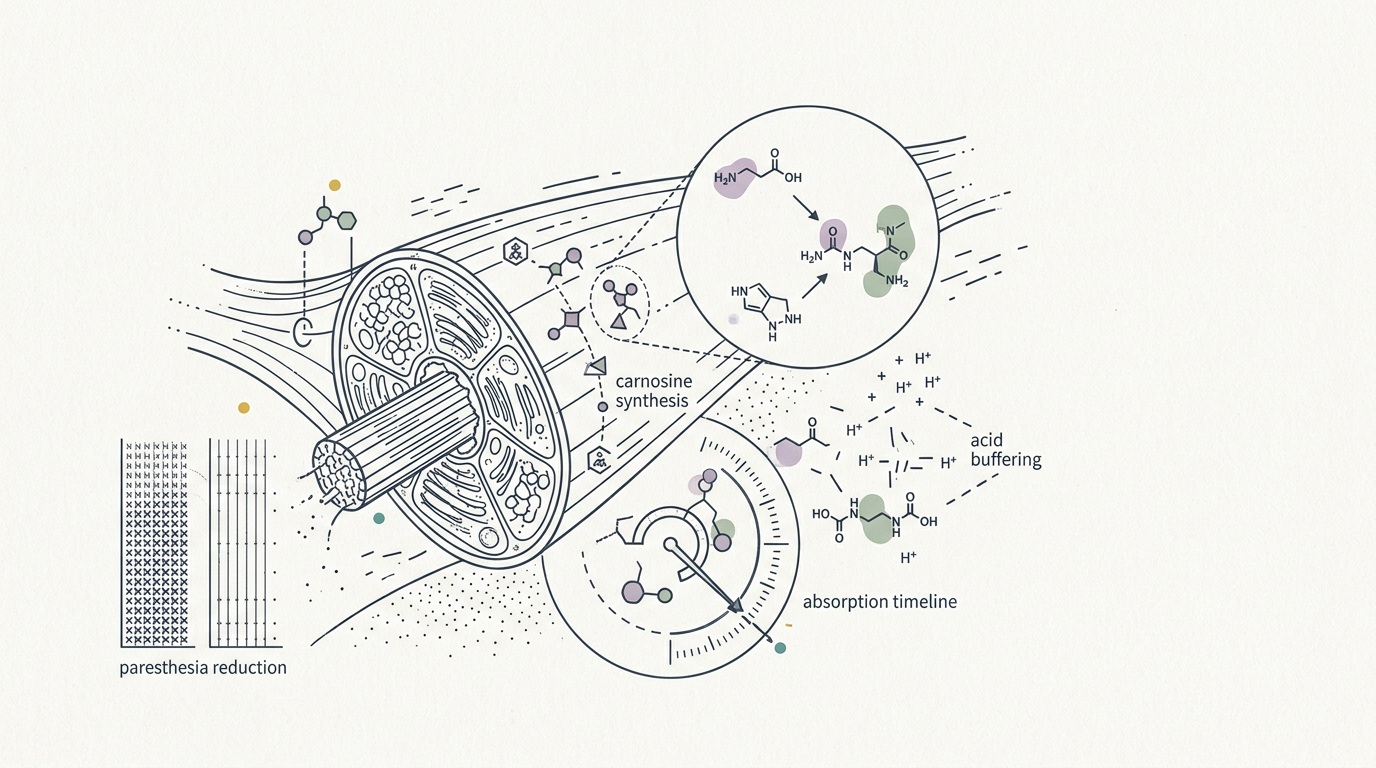
  • Pennen App Pencils In Daily Handwritten Journaling

    news · 2026-07-19 · Product Hunt — Health & Fitness

    The new Pennen app offers a minimalist platform for daily handwritten journaling, focusing on a single quiet page a day with no feeds or AI. It aims to reduce digital overwhelm and encourage mindful reflection through a digital imitation of traditional pen and paper.

    Sabin's take. Remember when people actually wrote things down? Pennen wants you to, but on a tablet. This app is betting that the physical act of writing, even when digital, can still tap into that calm, pre-internet brain state that journaling provides. No dopamine hits from endless feeds, no algorithmic prompts to skew your thoughts. It's a neat little move against the tide of constant stimulation, trying to give your nervous system a break by slowing down thought processing, which can lower cortisol. Think of it as a small, daily act of digital resistance, where the friction of forming letters helps you connect more deeply with your own mental landscape. The real question is whether you can stick to 'one quiet page a day' when the rest of your device is screaming for attention.

    #device #launch #app #mental-health #nervous-system #recovery

  • US Military Considers Testosterone Screening, Raising Alarm Over False Lows

    news · 2026-07-19 · STAT News

    A military insider warns against routine testosterone screening for US servicemembers, arguing it's likely to flag many as 'low-T' when they're not, leading to unnecessary hormone interventions. The move could create a massive pipeline to costly, long-term testosterone replacement therapy (TRT).

    Sabin's take. The US military is eyeing widespread testosterone screening, and a urologist is calling foul before it even starts. The issue isn't whether testosterone matters (it does for everything from mood to muscle), but how these screenings are interpreted in a high-stress, high-performance environment. Cortisol spikes, disrupted sleep, and sheer physical exhaustion can all temporarily tank testosterone. Flagging these temporary drops as 'low-T' and funneling people onto TRT is a massive cash cow for pharma, but a potential disaster for actual hormone regulation. It skips the nervous system's role in governing hormone production, and locks people into a lifelong protocol based on a bad read. Expect this to ripple out beyond the military, creating pressure for similar 'preventative' screenings in high-performance civilian sectors. Watch how many end up on TRT when a week off and some decent sleep might've done the trick.

    #policy #hormones #testosterone #mental-health #nervous-system #longevity

  • New research shows light changes how immune systems interact with bacteria

    news · 2026-07-18 · Nature News

    Researchers at the Francis Crick Institute published a study in *Nature* showing how light exposure can influence the immune system's response to bacterial infections. The team, led by Dr. Laura O'Connell, discovered that certain immune cells, specifically macrophages, become more efficient at clearing bacteria when exposed to specific wavelengths of light. This mechanism suggests a direct link between light, immune regulation, and inflammation.

    Sabin's take. So, light. Like, actual sunshine or proper red-light therapy stuff, might be a secret weapon for your immune system. This isn't just about 'seasonal mood' anymore; this is about your body's literal fight club against unwelcome guests. The finding is significant because it points to a direct cellular switch where light isn't just a byproduct, but an active ingredient in how our macrophages—the immune system's clean-up crew—get their job done. It means light isn't just for sleep cycles or serotonin; it's a direct input for how your body handles inflammation and infection. Watch for new biohacking devices playing with specific light spectrums, going for immune boosts instead of just skin health. Your light exposure might be as critical as your vitamin C intake for staying healthy.

    #research #immunity #inflammation #nervous-system #longevity #biotech

  • Mediterranean-DASH Diet Scores Brain Health Win in New Study

    news · 2026-07-18 · Mindbodygreen

    A new study links the MIND diet, a hybrid of Mediterranean and DASH, to superior cognitive function and slower brain aging. Researchers found participants adhering to the MIND diet showed better memory and processing speed. This eating pattern focuses on whole foods, veggies, berries, nuts, and healthy fats, while limiting red meat and fried foods.

    Sabin's take. Another day, another study telling us that eating plants and fish is good for your brain. This time, it's the MIND diet, which basically means combining the Mediterranean diet's heart-healthy fats with the DASH diet's blood pressure control, then adding some berries and leafy greens for extra brain points. The mechanism is pretty straightforward: antioxidants from plants reduce inflammation, healthy fats support neuron membranes, and overall better vascular health means your brain gets more oxygen and nutrients. What's often overlooked by the headlines? The 'avoid' list might be just as important: less processed junk means less systemic inflammation and blood sugar spikes that mess with cognitive function. It’s less about a magic ingredient and more about consistent, gentle neural support. Your brain isn't asking for much, just predictable fuel and fewer inflammatory hits.

    #research #nutrition #longevity #nervous-system #gut #mental-health

  • Air pollution policy lessons for wildfire smoke health

    news · 2026-07-18 · STAT News

    Experts are pulling lessons from 20th-century smog regulations to tackle worsening wildfire smoke. The opinion piece in STAT News unpacks how past policy shifts could inform responses to protect public health from current air quality issues.

    Sabin's take. Think you're just breathing in bad air? Nope. You're living through a policy problem. The argument here is a reminder that air pollution isn't some new, unsolvable challenge; we already have a playbook for this. It's about recognizing that what's in the air goes directly into your lungs and impacts your nervous system, your inflammatory response, and your overall health. The historical precedent for reducing smog means regulators know how to set standards, enforce them, and push for cleaner air. The real question is whether they'll apply those lessons to wildfire smoke before it becomes a baseline health crisis for half the planet. Watch for new public health alerts linking air quality to specific health endpoints, not just general 'bad air' warnings.

    #climate #policy #nervous-system #mental-health #longevity #research

  • FIFA Has No Climate Plan, Players Face Wildfire Smoke

    news · 2026-07-18 · Wired Science

    Wired reports FIFA lacks a strategy to deal with climate change, leaving World Cup players exposed to extreme heat, humidity, and now wildfire smoke. This directly impacts athlete health and performance, raising questions about nervous system regulation and respiratory function in harsh conditions.

    Sabin's take. The body is the battlefield, and climate change is turning up the heat. FIFA's silence on a climate plan for World Cup players isn't just an oversight; it's a direct threat to athlete nervous systems. Imagine trying to hit peak performance while your cortisol levels are skyrocketing from heat stress and your lungs are battling wildfire particulates. This isn't just about 'toughing it out'; it's about compromised recovery, increased inflammation, and a direct hit on respiratory capacity. What this reveals is how deeply interconnected environmental factors are with peak human physiology — and how quickly the 'game' changes when key players (like, say, planet Earth) aren't considered. We'll see more top-tier sports leagues have to pivot from 'ignore it' to 'cope with it' as these weather patterns normalize. Expect more research on real-time athlete biomonitoring for environmental stressors.

    #climate #nervous-system #recovery #fitness #policy #health
  • Hoka designer wins major ultramarathon, showing pro-athlete burnout.

    news · 2026-07-18 · Outside Online

    Vincent Bouillard, a Hoka shoe designer, just won the Western States Endurance Run, one of the world's most competitive ultramarathons. He trains while also holding down a full-time job at an elite shoe company, proving you don't need to be a full-time pro to dominate the sport. It's a quiet nod to the unsustainability of top-level pro ultra running.

    Sabin's take. This is less about Bouillard being a superhero and more about what the pro ultramarathon scene really demands. The fact that a full-time product designer can out-compete full-time sponsored athletes suggests that the 'pro' model for ultra-running might be broken, or at least highly susceptible to burnout. You'd think the pros would have an edge with infinite recovery tools and zero-stress training. But maybe the mental drag of 'this is my job' combined with constant performance pressure actually elevates cortisol, drains dopamine, and grinds down the nervous system more than a 9-to-5. It implies a kind of psychological tax comes with full-time professional athletics. Watch for more athletes, even 'pros,' to opt for a more balanced, mentally sustainable approach – maybe getting a 'real' job to reduce performance stress, not increase it. Pressure changes the game, and sometimes, a little distance from your sport as your sole source of income can clear up that nervous system beautifully.
    #culture #fitness #recovery #nervous-system #mental-health #consumer-signal
  • UnitedHealth warns employers on rising health insurance costs

    news · 2026-07-18 · STAT News

    UnitedHealth Group, an insurance giant, signaled that health insurance costs for employers are set to climb even higher. This comes despite their recent earnings celebration, indicating a tightening squeeze on company health budgets.

    Sabin's take. Your company's health insurance bill is going up again, and yes, it's personal. UnitedHealth, which controls a massive chunk of the employer-sponsored health market, basically just told corporate America to brace for more financial pain, even as they post-record profits. This isn't just about overhead spreadsheets; it impacts what kind of care gets covered, what preventative services your company deems 'worth it,' and ultimately, what you can access for your own physical and mental well-being when every dollar is fighting to hit the bottom line. Watch for employers to push harder on 'wellness programs' that outsource the cost-saving to individual employee behavior, often with questionable ROI for actual health outcomes and even worse P&L for your nervous system. The catch? You're stuck. Health insurance in the US, for most people, is tied to their job. This means less flexibility in choosing care that actually supports your body's specific needs, and more pressure to fit into whatever box your corporate plan allows. Expect more restrictive formularies, fewer out-of-network options, and continued uphill battles for specialty care.
    #policy #report #workplace #mental-health #nervous-system #longevity

  • Consumers spend real money on AI for focus and productivity

    trend · 2026-07-18 · The New Consumer

    The New Consumer reports that Claude's AI subscription, priced at $30/month (or $360 annually), is successfully converting users into paying subscribers. This suggests consumers are willing to invest in AI tools that directly impact their productivity and, potentially, their mental load management. It's a signal that tangible returns on efficiency are driving adoption.

    Sabin's take. So, people are forking over real cash for intelligent assistants, but maybe not for the reasons you'd think. This isn't just about getting smarter answers; it's about offloading cognitive strain. When you use an AI to draft an email, analyze data, or even just summarize content, you're literally reducing the mental burden on your own nervous system. It frees up mental bandwidth, which directly impacts your stress response and, crucially, your ability to focus on high-value tasks. This isn't some abstract productivity hack; it's a direct investment in managing your own mental energy. Watch for more AI tools to lean into explicit 'cognitive offloading' and 'mental fatigue reduction' claims instead of just 'more output.' That's where the next wave of subscription dollars is coming from.

    #consumer-signal #mental-health #nervous-system #longevity #device

  • Baking spice protects skin cells from UV damage in new study

    news · 2026-07-18 · Mindbodygreen

    A study found that trans-cinnamic acid, a compound in cinnamon, could help skin cells recover from UV radiation stress. Researchers observed improved cell viability and barrier function in lab tests. This suggests cinnamon might offer a natural way to support skin health against environmental damage.

    Sabin's take. Cinnamon in your pantry doing more than just spicing up your latte? New research suggests its active compound might actually shield your skin cells from UV nasties. The finding isn't about slapping cinnamon sticks on your face (please don't), but that an internal ingredient can bolster your cellular defenses. This isn't a replacement for SPF — don't throw out your sunscreen. But it points to a future where what you eat (or ingest in supplement form) shores up your skin's resilience from the inside out, rather than just what you slather on top. Think systemic beauty, where barrier function and cellular integrity get a quiet assist from your diet, allowing your skin to naturally mitigate oxidative stress before it becomes visible damage. It's less about reversing aging, more about increasing your skin's inherent capacity to deal with daily insults without freaking out.
    #research #skincare #longevity #nutrition #inflammation