news
One in Four Depression Cases Linked to Broken Body Clocks
New research identifies a distinct circadian subtype of depression affecting roughly 25% of patients, characterized by severe internal clock misalignment. These individuals respond poorly to conventional SSRI antidepressants but show marked improvement when protocols target sleep-wake cycles and light timing. The finding redirects therapeutic focus from serotonin reuptake to peripheral clock synchronization.
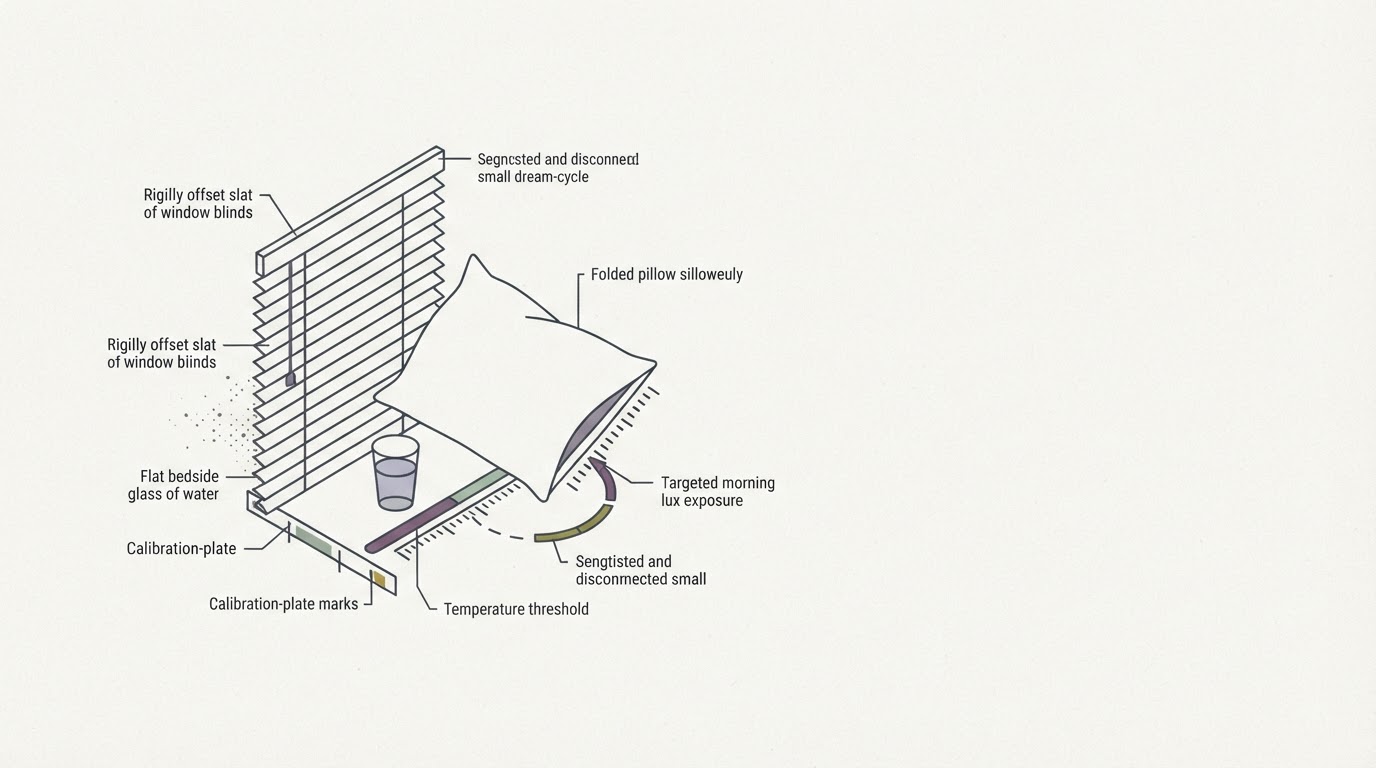
New research identifies a distinct circadian subtype of depression affecting roughly 25% of patients, characterized by severe internal clock misalignment. These individuals respond poorly to conventional SSRI antidepressants but show marked improvement when protocols target sleep-wake cycles and light timing. The finding redirects therapeutic focus from serotonin reuptake to peripheral clock synchronization.
The architecture take
Pumping serotonin into a brain whose master clock can't tell 2 p.m. from 2 a.m. is like tuning a piano during an earthquake. I spent years assuming every rough patch was a neurotransmitter deficit or unresolved emotional static, when half the time my suprachiasmatic nucleus was simply receiving blue light at midnight and zero lux at dawn. When circadian timing slips, the central clock drifts away from peripheral clocks in the liver and gut. Cortisol spikes at night instead of 7 a.m., deep sleep stalls, and sleep pressure stays elevated all day. That leaves people feeling flat, exhausted, and resistant to standard psychiatric meds. The immediate shift will happen in clinical triage: instead of swapping one pill for another across eighteen miserable months, expect practitioners to prescribe morning lux thresholds, precise temperature drops, and timed melatonin releases before touching an antidepressant. Fixing the clock resets the baseline so the nervous system can actually rest.