news
Wearable AI Predicts Hypertensive Crises Three Days Early
Researchers trained an AI model on 47 continuous biometric inputs to forecast acute hypertensive events up to 72 hours before they happen. By tracking nocturnal heart rate variability, overnight dipping patterns, and morning blood pressure surges, the tool flags dangerous vascular strain while patients still feel normal.
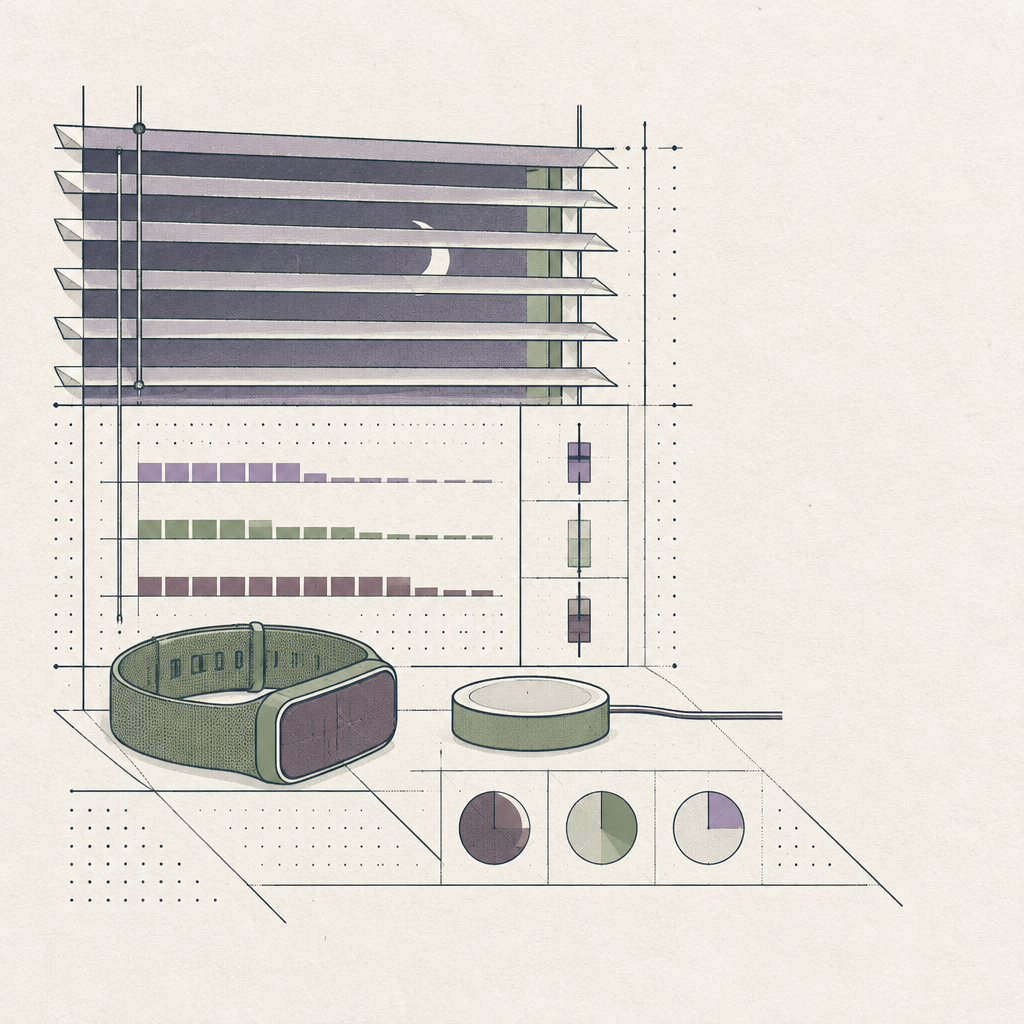
Researchers trained an AI model on 47 continuous biometric inputs to forecast acute hypertensive events up to 72 hours before they happen. By tracking nocturnal heart rate variability, overnight dipping patterns, and morning blood pressure surges, the tool flags dangerous vascular strain while patients still feel normal.
The architecture take
I used to dismiss continuous blood pressure tracking on wearables as anxiety fuel for the worried well. Seeing numbers jump after an espresso rarely helps anyone calm down. I changed my mind once I saw how blind ordinary spot-checks really are. This tool watches autonomic drift over 72 hours: suppressed nocturnal HRV, a flatlining overnight dip, and exaggerated morning sympathetic surges long before a spike hits. When parasympathetic tone fails during sleep, vascular resistance stays locked on high. Most patients only discover their vessels are redlining when an emergency cuff squeezes their arm at 180 over 120. Three days of warning gives doctors room to adjust doses or force rest. Early warning beats clean-up. I expect commercial rings and smartwatches will package this predictive logic behind a monthly paywall by next winter (preempting catastrophe sells better than promoting calm). Watch how fast cardiology departments begin prescribing wristbands instead of Holter monitors.