news
Tsunami survivors face higher cardiometabolic risk two decades later
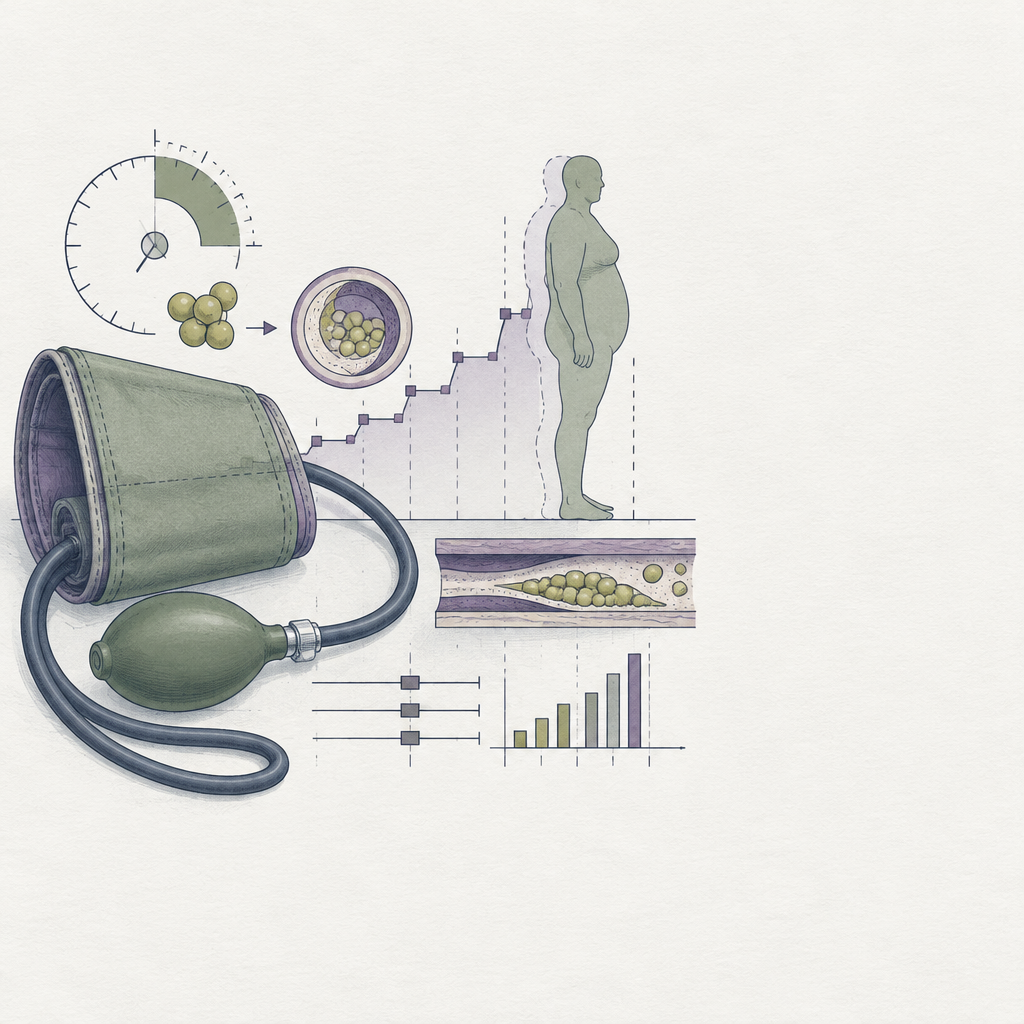
Researchers tracking survivors of the 2004 Indian Ocean tsunami found that acute disaster trauma doubled long-term risks of obesity and heart disease twenty years later. The longitudinal data shows severe trauma resets metabolic baselines across decades, independent of diet or initial economic status. It links acute survival responses directly to enduring systemic inflammation and altered lipid handling.
Researchers tracking survivors of the 2004 Indian Ocean tsunami found that acute disaster trauma doubled long-term risks of obesity and heart disease twenty years later. The longitudinal data shows severe trauma resets metabolic baselines across decades, independent of diet or initial economic status. It links acute survival responses directly to enduring systemic inflammation and altered lipid handling.
The architecture take
I used to think severe trauma faded into psychiatric memory once the immediate chaos cleared. That was naive. When an event spikes cortisol and locks the autonomic nervous system into survival mode, the body resets its metabolic baseline to defend against famine and injury. Decades later, survivors in this cohort carried twice the rates of visceral obesity and cardiovascular damage compared to unexposed peers nearby. Their cells never got the memo to stand down. Chronic activation of the HPA axis keeps low-grade inflammation simmering, which deranges insulin sensitivity and vascular tone over time. I see this same stubborn metabolic drag in people recovering from prolonged nervous system burnout, albeit at a different scale. The biology is remarkably literal. I watch modern protocols treat high blood pressure as a standalone plumbing glitch while ignoring the threat signal that started it. Surviving is only the opening act. Lowering internal threat signals is where real repair happens.