news
Isometric Wall Sits Lower Blood Pressure with One Weekly Session
A study in BMJ Open Sport & Exercise Medicine found that blood pressure reductions from isometric training can be maintained with just one to two weekly sessions. Researchers in Canterbury showed that while three sessions preserved the greatest drop, even a single weekly dose prevented vascular gains from disappearing.
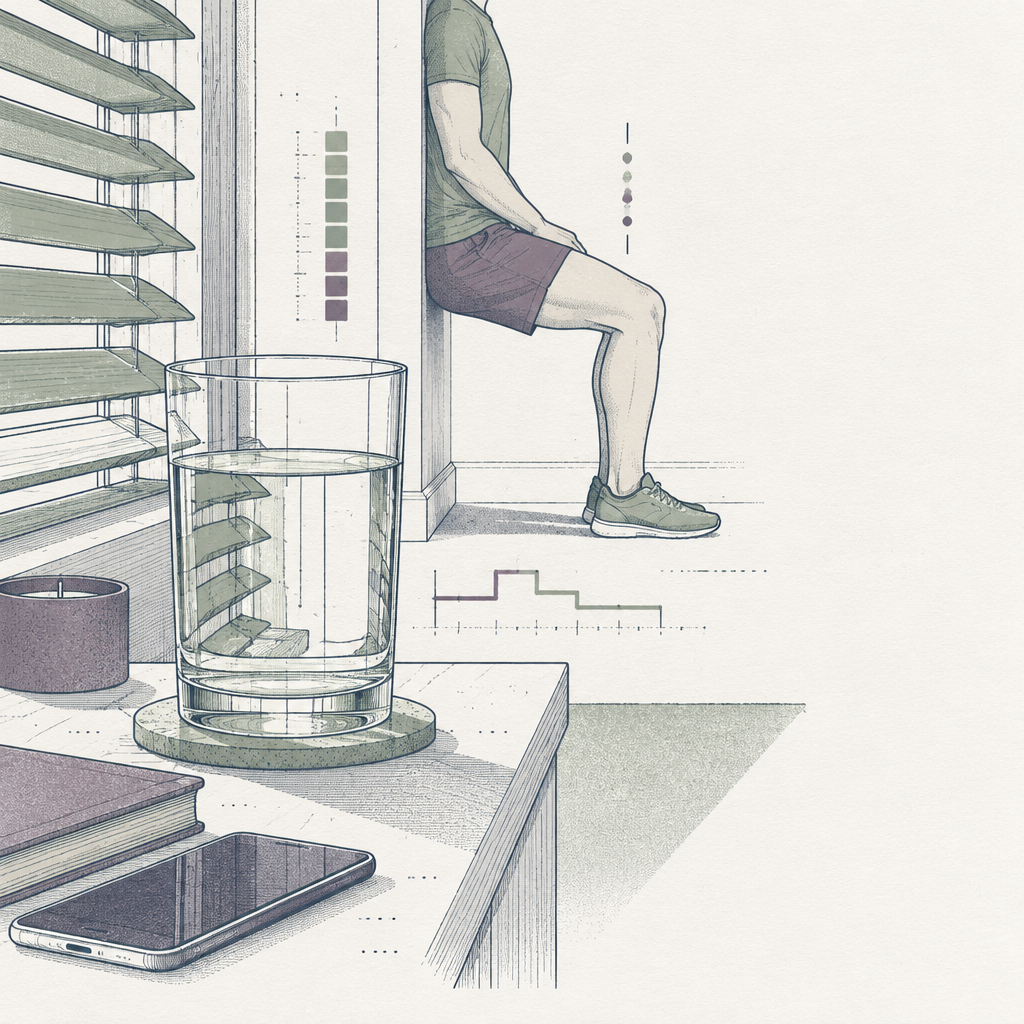
A study in BMJ Open Sport & Exercise Medicine found that blood pressure reductions from isometric training can be maintained with just one to two weekly sessions. Researchers in Canterbury showed that while three sessions preserved the greatest drop, even a single weekly dose prevented vascular gains from disappearing.
The architecture take
I spent years assuming cardiovascular adaptation was an all-or-nothing game where missing four days meant you were back at square one. This trial from Canterbury in BMJ Open Sport & Exercise Medicine proves that wrong for isometric holds. When you do a sustained wall sit or grip squeeze, blood flow temporarily stalls in contracted muscle beds. Once you release, reactive hyperemia floods the vessels with nitric oxide and coaxes your nervous system into stronger vagal tone. That's what dials down resting sympathetic drive and drops blood pressure. The neat part is the maintenance dose. While three weekly sessions preserved the largest drop, one or two short bouts still kept arteries compliant. I used to bully friends into four brutal workout days just to protect their numbers. Now I tell them eight minutes of leaning against a hallway wall twice a week (usually while scrolling emails) protects the drop. Consistency beats volume every time.