news
Cold Outdoor Air Spikes Eye Pressure Even on Glaucoma Drops
Kyoto Prefectural University of Medicine researchers reported in the British Journal of Ophthalmology that dropping ambient temperatures trigger significant spikes in intraocular pressure for glaucoma patients. Even with consistent daily medication, sudden cold air prompts vascular constriction that impairs fluid outflow in the eye. The finding matters for anyone managing ocular health or training outdoors through harsh winter conditions.
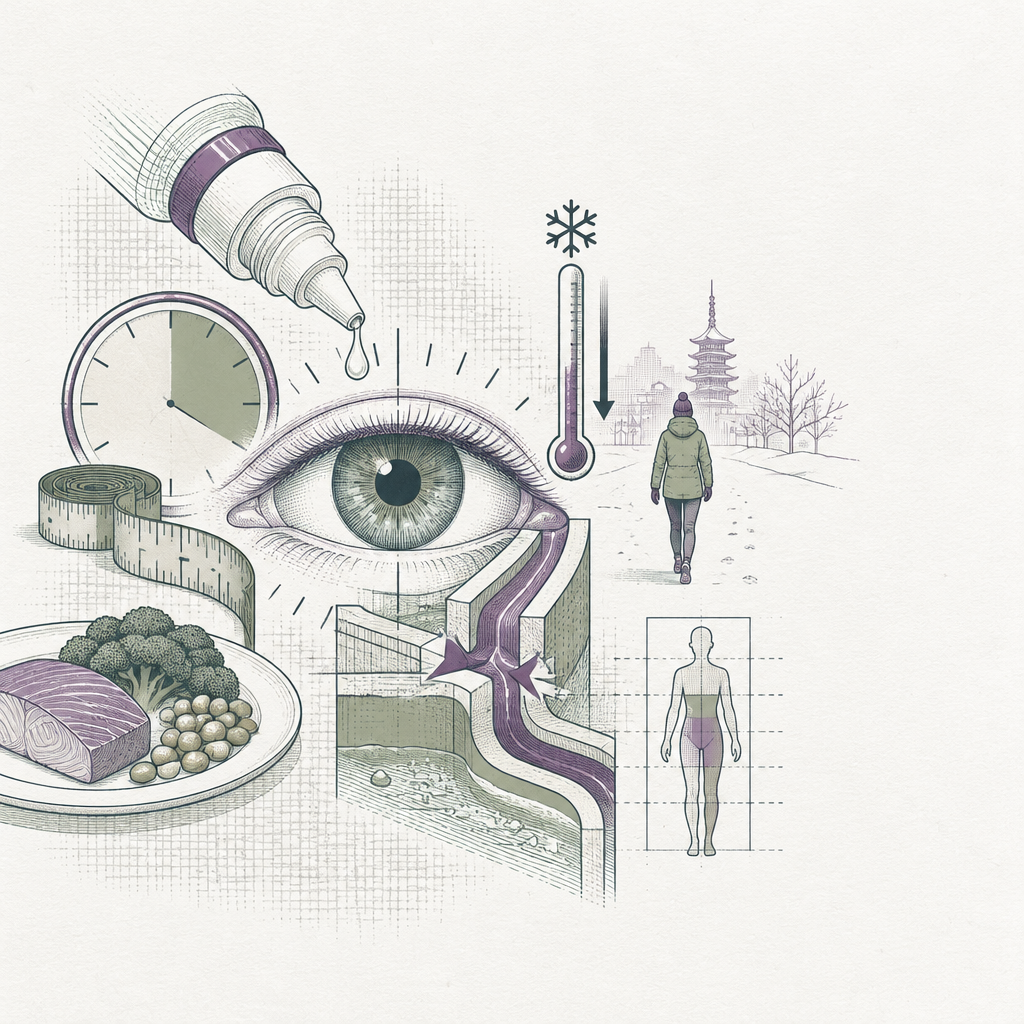
Kyoto Prefectural University of Medicine researchers reported in the British Journal of Ophthalmology that dropping ambient temperatures trigger significant spikes in intraocular pressure for glaucoma patients. Even with consistent daily medication, sudden cold air prompts vascular constriction that impairs fluid outflow in the eye. The finding matters for anyone managing ocular health or training outdoors through harsh winter conditions.
The architecture take
I used to think eye pressure stayed safely parked at whatever number your morning drops dictated. I was wrong. The Kyoto team showed cold outdoor air bypasses that defense fast. When temperatures plunge, your sympathetic nervous system kicks into overdrive, tightening peripheral blood vessels and lifting episcleral venous pressure within minutes. That vascular clampdown stalls fluid drainage from the anterior chamber, pushing intraocular pressure up by several millimeters of mercury before you finish a brisk morning walk. Everyone obsesses over cold plunges and winter cardio for metabolic grit, but sudden temperature drops hand your vascular tree an acute shock. If you have high baseline ocular pressure, freezing air without face protection works directly against prescription drops. I now bundle up and pay closer attention to thermal contrast on freezing mornings. Ophthalmologists will likely start adding seasonal weather advisories to glaucoma care by next winter.