news
Freddy links Google Health wearable metrics directly to consumer AI models
Health data tool Freddy rolled out a direct integration connecting Google Health data—including Fitbit and Pixel Watch logs—straight into ChatGPT, Claude, and Grok. The connection pulls overnight HRV, sleep stages, resting heart rate, and workout history directly into conversational chat prompts. It targets quantified-self trackers looking to bypass proprietary dashboard paywalls for ad-hoc biometric queries.
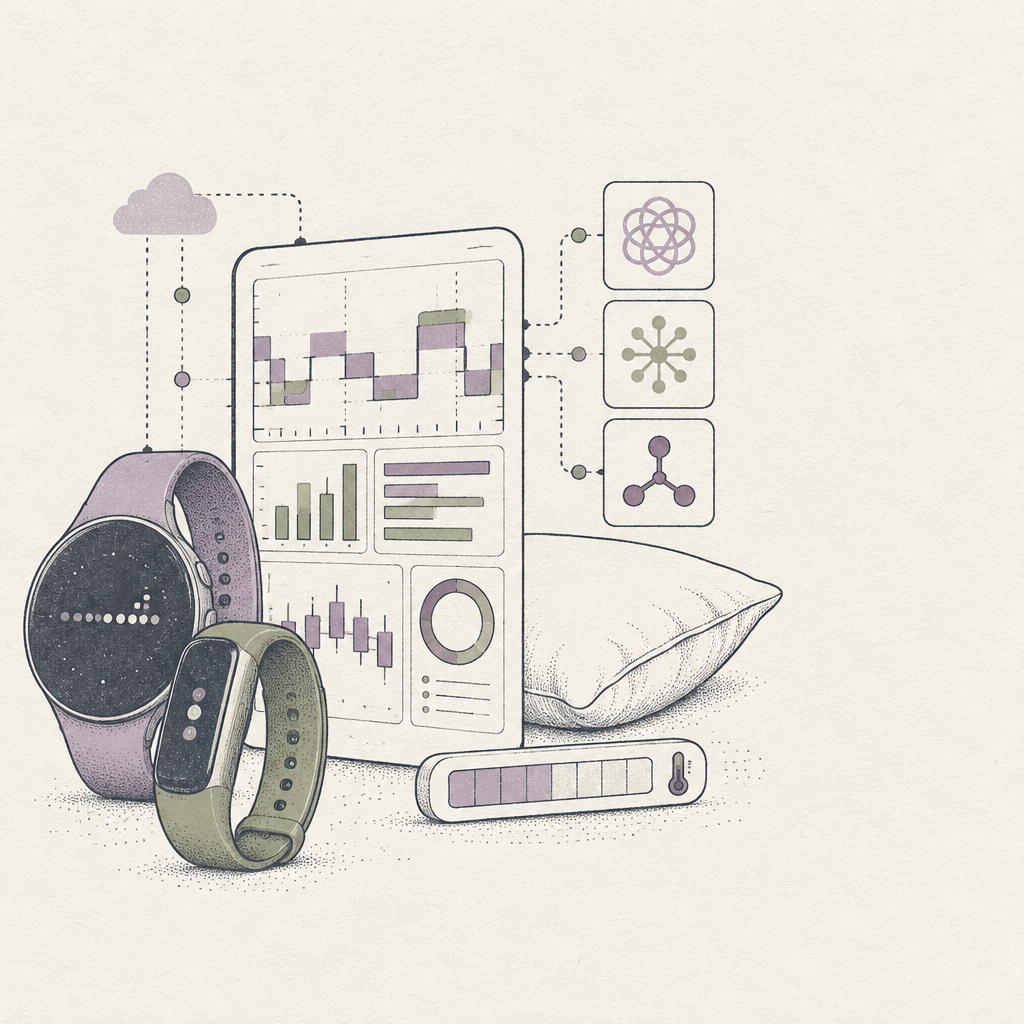
Health data tool Freddy rolled out a direct integration connecting Google Health data—including Fitbit and Pixel Watch logs—straight into ChatGPT, Claude, and Grok. The connection pulls overnight HRV, sleep stages, resting heart rate, and workout history directly into conversational chat prompts. It targets quantified-self trackers looking to bypass proprietary dashboard paywalls for ad-hoc biometric queries.
The architecture take
I used to dump raw CSVs from my wearable into Claude just to see if it could explain why my HRV tanked every Thursday. It was clunky and mostly useless. Feeding live sleep stages, resting heart rate, and HRV directly into an LLM via Google Health sounds slick on paper, but an AI cannot feel your vagal tone. When your overnight HRV drops 15 milliseconds, the model will happily offer three plausible causes—dehydration, late carbs, or work stress—without knowing you spent the evening arguing on the phone. What this really unlocks is frictionless self-surveillance. Wearable brands have locked biometric history behind proprietary dashboards and subscription insights for years. Opening that pipeline to ChatGPT and Grok cuts out the canned coach, but it also offloads internal interoception to a chatbot. I would rather watch my actual resting heart rate trends over a six-week baseline than ask an algorithm if I have permission to train today.