trend
Femtech Sector Reaches Fifty-Two Billion Dollars as Hormone Diagnostics Surge
Statista valued the global femtech market at nearly 52 billion dollars, outpacing broader digital health growth. Capital is shifting rapidly from basic period-prediction calendars to at-home hormone assays and perimenopause care. The move gives women measurable biomarker tracking rather than twenty-eight-day guesswork.
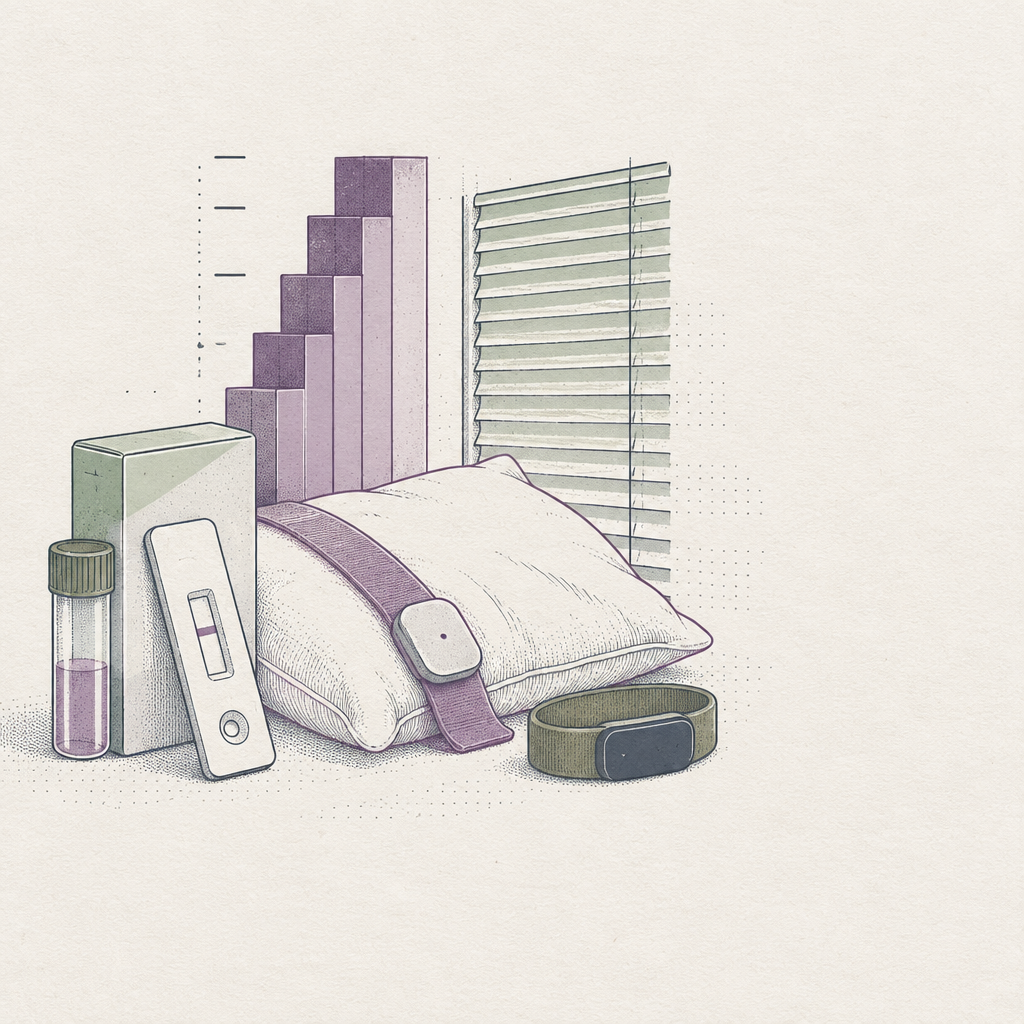
Statista valued the global femtech market at nearly 52 billion dollars, outpacing broader digital health growth. Capital is shifting rapidly from basic period-prediction calendars to at-home hormone assays and perimenopause care. The move gives women measurable biomarker tracking rather than twenty-eight-day guesswork.
The architecture take
I spent years ignoring cycle apps because entering a start date into a pink widget does nothing for an irregular luteal phase. I thought it was doomed. This 52 billion dollar valuation reflects a much overdue pivot into real biochemistry. The funding is finally landing in hardware that measures actual endocrine signals: continuous basal temperature sensors, optical HRV tracking for autonomic shifts during ovulation, and urine assays quantifying progesterone metabolites and LH surges. When estrogen dips in the late luteal window or during perimenopause, serotonin and GABA synthesis drop with it. That triggers 3am wake-ups and sudden autonomic spikes. General wellness trackers routinely mistake that hormonal shift for poor sleep hygiene or high stress. Specialized diagnostics offer actual biological data instead of generic scolding (yes, I know I slept poorly). The companies winning the next five years are building clinical HRT pipelines, not decorative calendars.