news
Researchers Isolate Psilocybin Brain Plasticity Without the Hallucinogenic Trip
Researchers have mapped how psilocybin stimulates neuroplasticity and dendritic spine growth independently of the hallucinogenic trip mediated by 5-HT2A receptors. The discovery points toward non-hallucinogenic analogues that trigger brain rewiring without requiring eight-hour supervised clinical sessions. It matters for clinical scale, offering antidepressant mechanisms without the intense subjective trip.
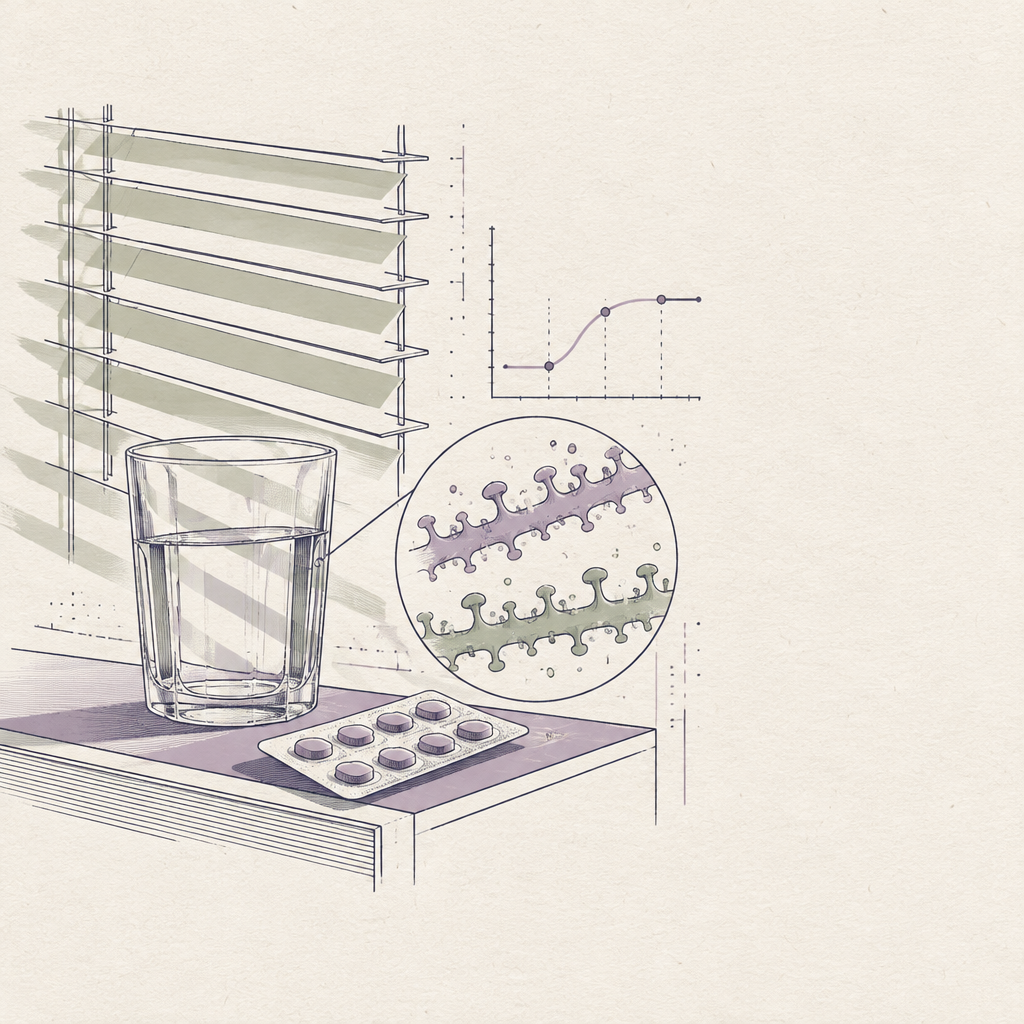
Researchers have mapped how psilocybin stimulates neuroplasticity and dendritic spine growth independently of the hallucinogenic trip mediated by 5-HT2A receptors. The discovery points toward non-hallucinogenic analogues that trigger brain rewiring without requiring eight-hour supervised clinical sessions. It matters for clinical scale, offering antidepressant mechanisms without the intense subjective trip.
The architecture take
The psychedelic therapy market hit a logistical wall because eight-hour clinical chaperone sessions are simply too expensive to scale. I admit I was skeptical at first. I used to think the subjective trip was the entire medicine, the messy emotional reckoning that forced real adaptation. Neurobiology says otherwise. When researchers decouple the 5-HT2A hallucinogenic pathway from TrkB receptor activation, the brain still sprouts new dendritic spines and restores synaptogenesis. Translation: your neurons repair baseline connections without you spending an entire Tuesday weeping in a dark room under an eye mask (an exhausting ritual, even when it works). That's why pharma loves this: it turns an unwieldy spiritual ordeal into a blister pack you can take at bedtime. I feel mixed about losing the introspection, but you gain access for millions whose nervous systems are fried and can't risk psychosis or afford three thousand dollars per assisted session. Keep an eye on non-hallucinogenic psychoplastogens moving through phase two trials.