trend
GLP-1 Friendly Drink Launches Jump 190 Percent as Taste Shifts
Food and beverage launches tailored for GLP-1 users climbed 190 percent this year as brands race to keep up with altered appetite and dulled taste buds. The shift targets the millions of people on semaglutide who suddenly find high-sugar sodas unpalatable.
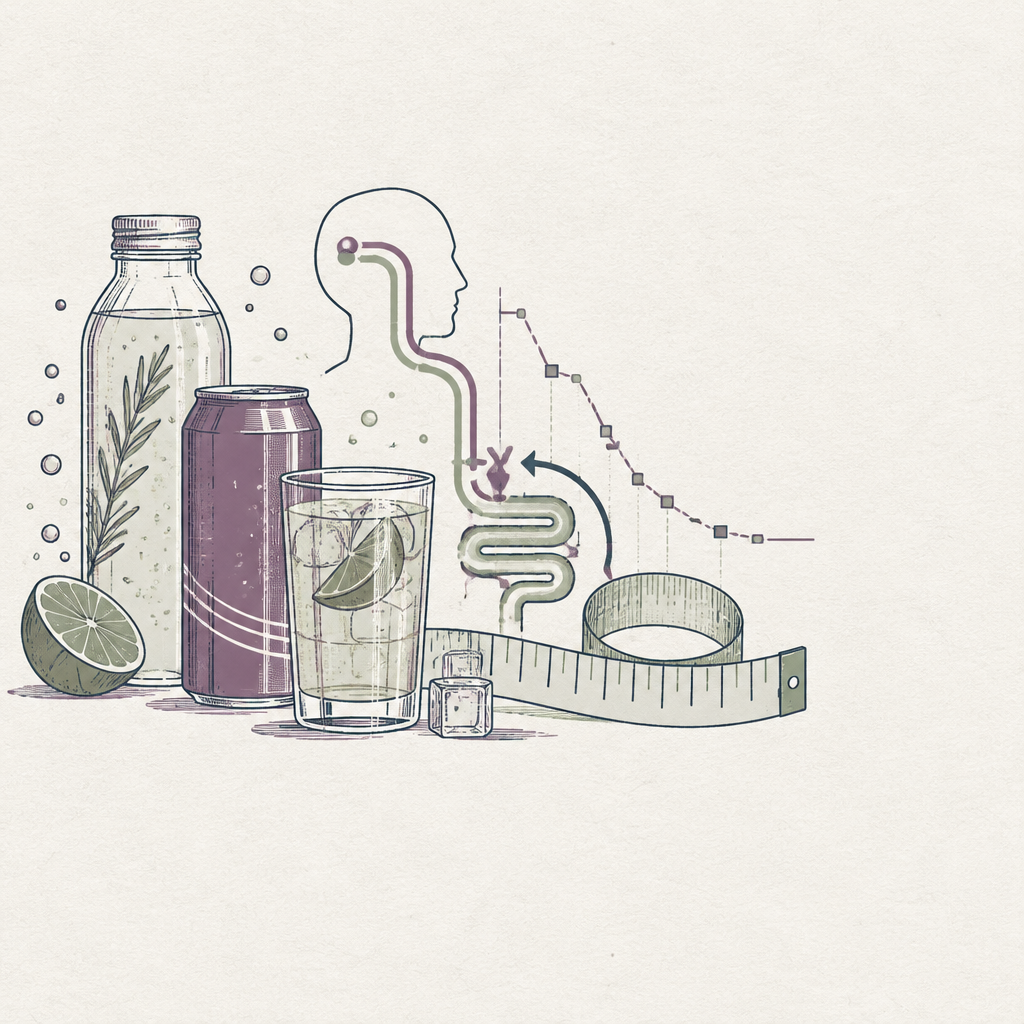
Food and beverage launches tailored for GLP-1 users climbed 190 percent this year as brands race to keep up with altered appetite and dulled taste buds. The shift targets the millions of people on semaglutide who suddenly find high-sugar sodas unpalatable.
The architecture take
When GLP-1 drugs first took off, I assumed the beverage sector would simply panic about shrinking volume. I was wrong. Instead, drink formulators are redesigning profiles because semaglutide alters taste perception directly, dampening dopamine signaling in the brain when sugar hits the tongue. Things that used to taste rich or comforting now register as cloying syrup to someone on a weekly injection. A 190 percent jump in dedicated launches shows how fast food labs can pivot when appetite regulation leaves the dining table and enters pharmacology. I have spent the last month watching beverage giants quiet down their sweetness levels, replacing high-fructose hits with bitter botanicals, electrolytes, and light carbonation that won't trigger nausea in a slowed gut (and heaven knows nausea is common enough here). Sweetness lost its grip. What replaces it is functional hydration designed for lower gastric motility, where the priority is keeping fluids down without triggering reflux. I expect mainstream sodas will quietly follow this template by late 2025.