news
Walking 3,000 Steps Daily Cuts Tau Buildup and Slows Alzheimer's
A new study reveals that walking just 3,000 steps daily reduces harmful tau protein accumulation and cuts cognitive decline by nearly half in adults at risk for Alzheimer's. Protective benefits peaked between 5,000 and 7,500 steps, demonstrating that five-figure targets are unnecessary for neuroprotection.
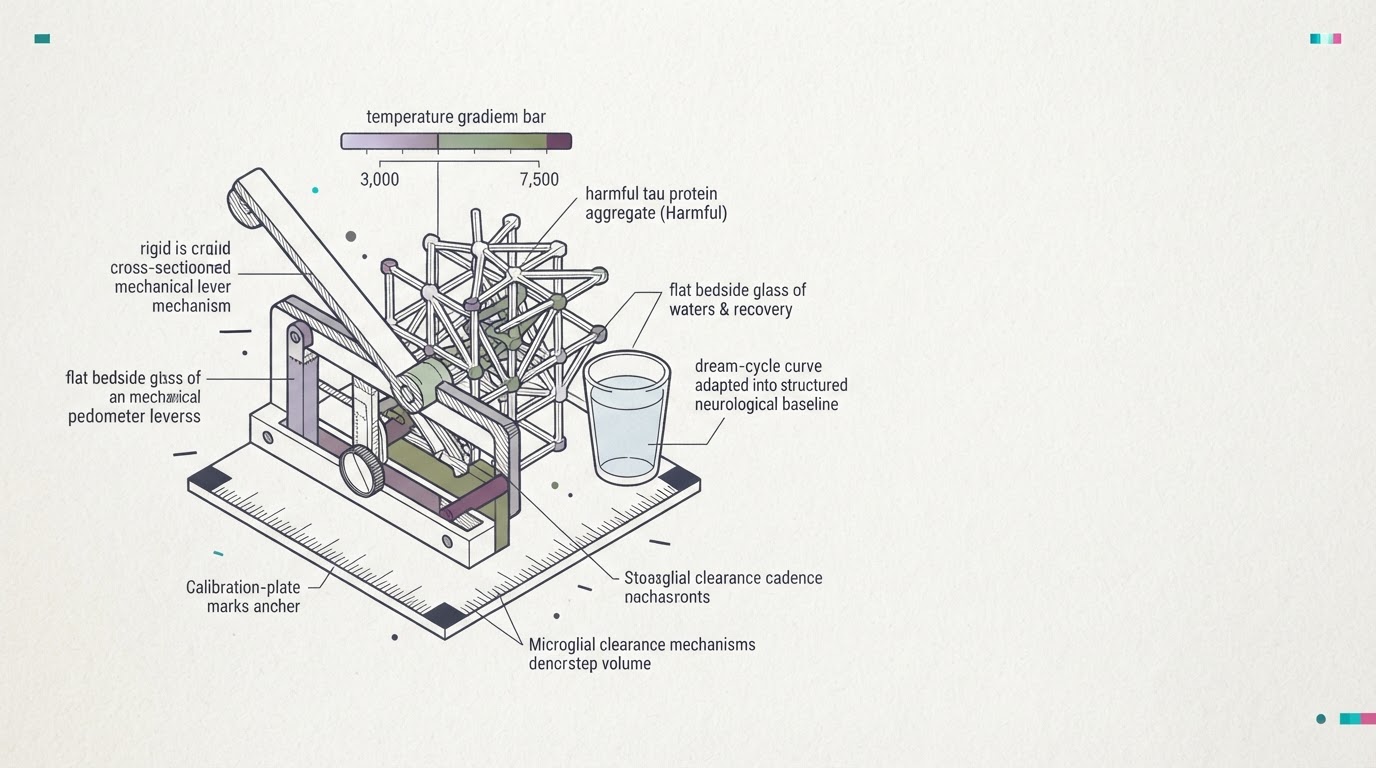
A new study reveals that walking just 3,000 steps daily reduces harmful tau protein accumulation and cuts cognitive decline by nearly half in adults at risk for Alzheimer's. Protective benefits peaked between 5,000 and 7,500 steps, demonstrating that five-figure targets are unnecessary for neuroprotection.
The architecture take
The 10,000-step target was always Japanese pedometer marketing from 1965, yet I spent years letting my watch bully me into midnight pacing around the kitchen. This trial confirms what clinical physiologists have quietly argued: the brain payoff kicks in fast. Walking roughly 30 minutes lowers neuroinflammation, stimulates microglial clearance of tau tangles, and pushes blood flow straight to the hippocampus. I find the steep drop in cognitive decline at just 3,000 steps per day striking, with benefits topping out between 5,000 and 7,500. You don't need marathon mileage to guard your synapses. Boring volume works. I dropped my target to 7,000 steps six months ago, and my resting heart rate didn't budge. Movement is a chemical dose (not a moral test). Watch wearables quietly lower their default activity goals next year to keep desk workers from giving up entirely.