trend
Kratom Rebrands As A Daily Wellness Tonic Despite Opioid Receptor Risks
A New York Times investigation details how kratom shifted from gas-station herbal extract into pastel seltzers and gummies pitched for calm focus. Thousands of buyers using it for mild fatigue or stress are developing dependence on an unregulated botanical that hits mu-opioid receptors. Six US states have already enacted restrictions as health officials warn about withdrawal symptoms.
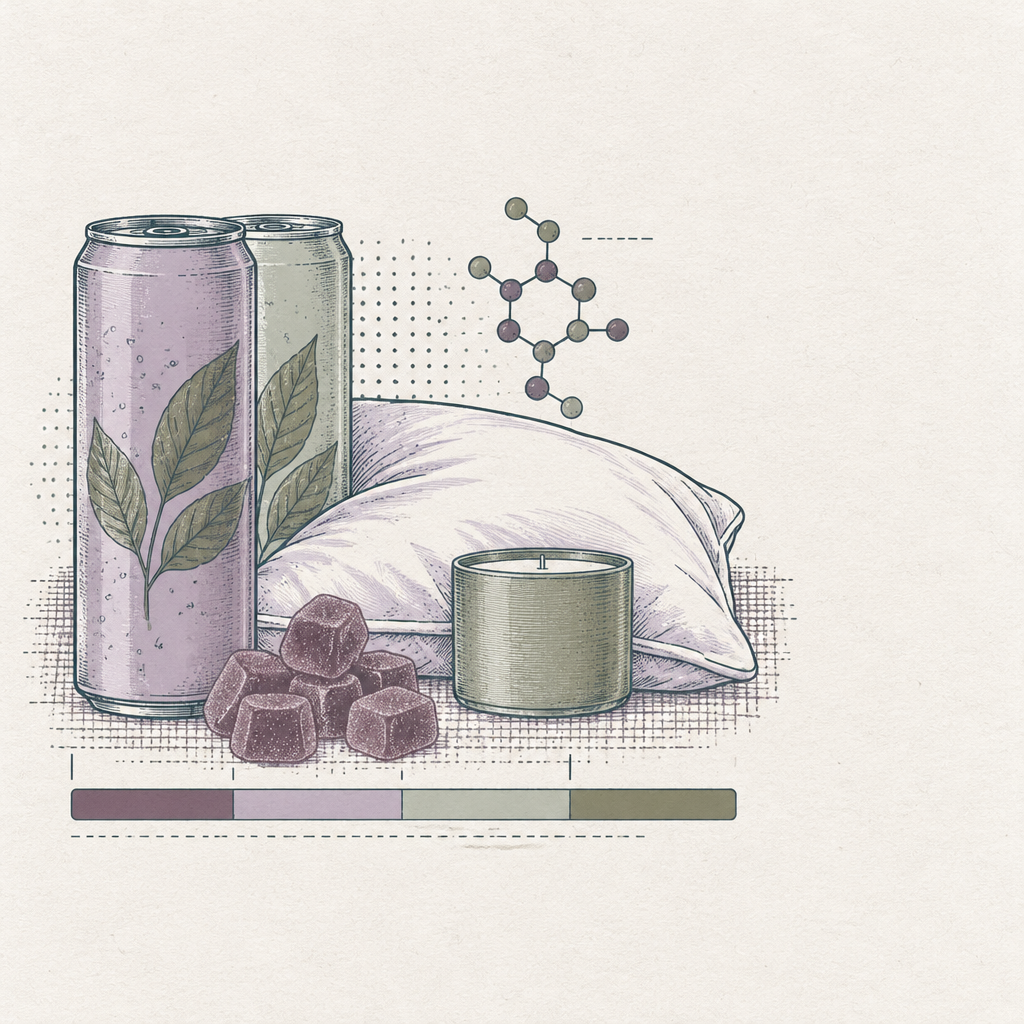
A New York Times investigation details how kratom shifted from gas-station herbal extract into pastel seltzers and gummies pitched for calm focus. Thousands of buyers using it for mild fatigue or stress are developing dependence on an unregulated botanical that hits mu-opioid receptors. Six US states have already enacted restrictions as health officials warn about withdrawal symptoms.
The architecture take
Packaging an opioid receptor agonist as a pastel canned adaptogen is one of the boldest moves beverage marketing has pulled in a decade. Kratom contains mitragynine and 7-hydroxymitragynine, alkaloids that bind to the exact same neural receptors as morphine while dumping dopamine into the reward pathway. In low doses it feels like a clean espresso. In higher doses it mutes emotional static and pain. I used to think consumers could spot the difference between functional mushrooms and habit-forming botanicals. Branding works miracles. I watched this exact playbook happen with phenibut five years ago in nootropic powders before regulators clamped down. When a sparkling tonic promises instant calm alongside laser focus, I always check the receptor binding data first. Receptor downregulation happens fast, meaning baseline dopamine tanks without it inside three weeks. Expect state attorneys general to treat these cans like synthetic cannabinoids by next year.