news
Wildfire smoke in pregnancy linked to 30% higher autism rate
A nationwide US study found that an increase of just 0.75 micrograms per cubic meter in wildfire smoke particles during pregnancy was associated with a 30% higher rate of autism diagnosis. The vulnerability was highest during mid-to-late pregnancy, when fetal neural wiring accelerates. It shifts wildfire smoke from a seasonal inconvenience to a measurable prenatal risk factor.
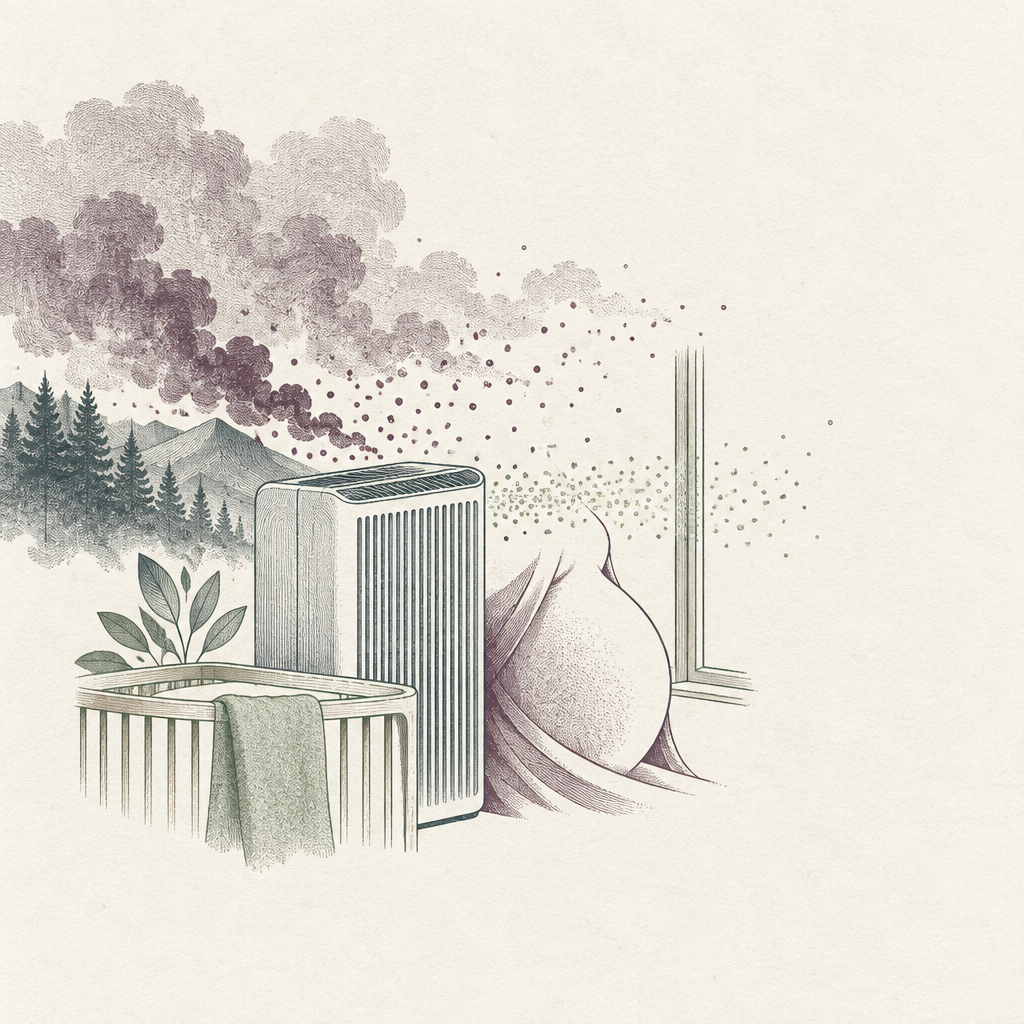
A nationwide US study found that an increase of just 0.75 micrograms per cubic meter in wildfire smoke particles during pregnancy was associated with a 30% higher rate of autism diagnosis. The vulnerability was highest during mid-to-late pregnancy, when fetal neural wiring accelerates. It shifts wildfire smoke from a seasonal inconvenience to a measurable prenatal risk factor.
The architecture take
A 0.75 microgram shift sounds like a rounding error until you look at how fetal microglia handle maternal inflammation. Ultrafine particulates inhaled into maternal lungs trigger systemic cytokine cascades that cross the placenta, disrupting immune signaling during the exact weeks when cortical migration and synaptic pruning hit peak velocity. I used to treat air purifiers as a luxury gadget for allergy season, but datasets like this pull particulate pollution straight into baseline neurodevelopment. If a fractional spike in ambient PM2.5 correlates with a thirty percent jump in autism diagnoses, indoor air filtration is basic prenatal care. I get frustrated by how little clinical guidance treats wildfire smoke as a direct biological stressor. I would treat smoky summer afternoons as an acute metabolic load: run true HEPA filtration in the bedroom, monitor local air indexes, and stay inside.