news
Neck Instability Directly Triggers Autonomic Dysfunction Across 43 Clinical Studies
A review of 43 studies in Frontiers in Neuroscience links craniocervical and atlantoaxial instability directly to dysautonomia and hypermobile Ehlers-Danlos syndrome. Mechanical strain at the base of the skull physically irritates the brainstem and vagus nerve, driving rapid heart rates and blood pressure crashes. It gives hypermobile patients hard anatomical proof for symptoms often dismissed as mysterious anxiety.
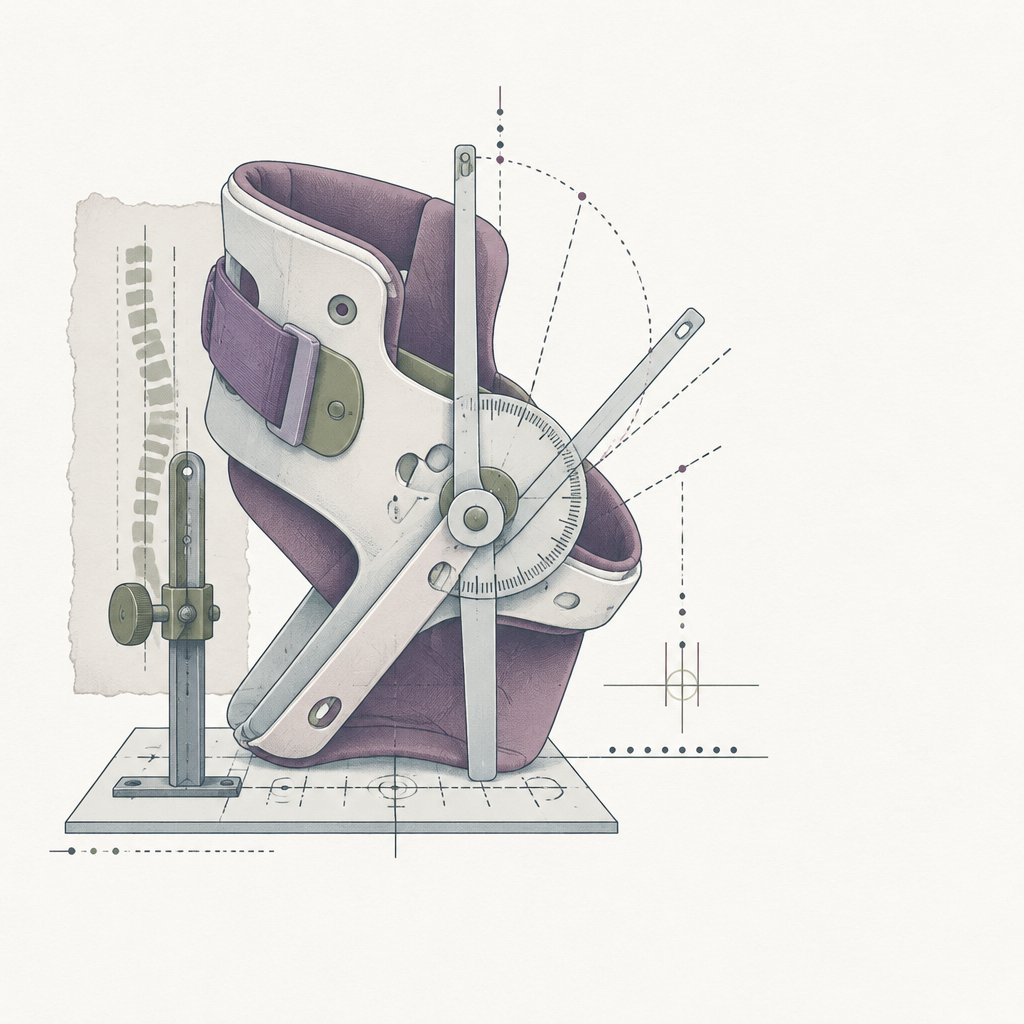
A review of 43 studies in Frontiers in Neuroscience links craniocervical and atlantoaxial instability directly to dysautonomia and hypermobile Ehlers-Danlos syndrome. Mechanical strain at the base of the skull physically irritates the brainstem and vagus nerve, driving rapid heart rates and blood pressure crashes. It gives hypermobile patients hard anatomical proof for symptoms often dismissed as mysterious anxiety.
The architecture take
I used to think dysautonomia in hypermobile patients was purely a collagen issue in blood vessels. I was wrong, and this 43-study review in Frontiers in Neuroscience lays out the mechanical link cleanly. When the ligaments holding your skull onto your top two cervical vertebrae stretch too far, the brainstem and vagus nerve take physical tension every time you turn your head. That irritation drops vagal tone and fires sympathetic alarms, triggering postural tachycardia, gut stagnation, and cold sweats without any mental trigger. I find this paper refreshing because it stops treating erratic heart rates as a nebulous functional mystery and treats them as compressed tissue. Neck stabilization, specific physical therapy, and ditching aggressive cervical adjustments will likely become frontline autonomic care by next year. Watch neurologists start ordering upright motion MRIs before handing out standard beta-blockers.