news
Study estimates three in four former NFL players develop CTE
Researchers analyzing medical records from thousands of former NFL players found roughly 75% develop chronic traumatic encephalopathy. The statistical model corrects for past brain-bank selection bias, shifting CTE from an extreme outlier to an expected outcome of long gridiron careers.
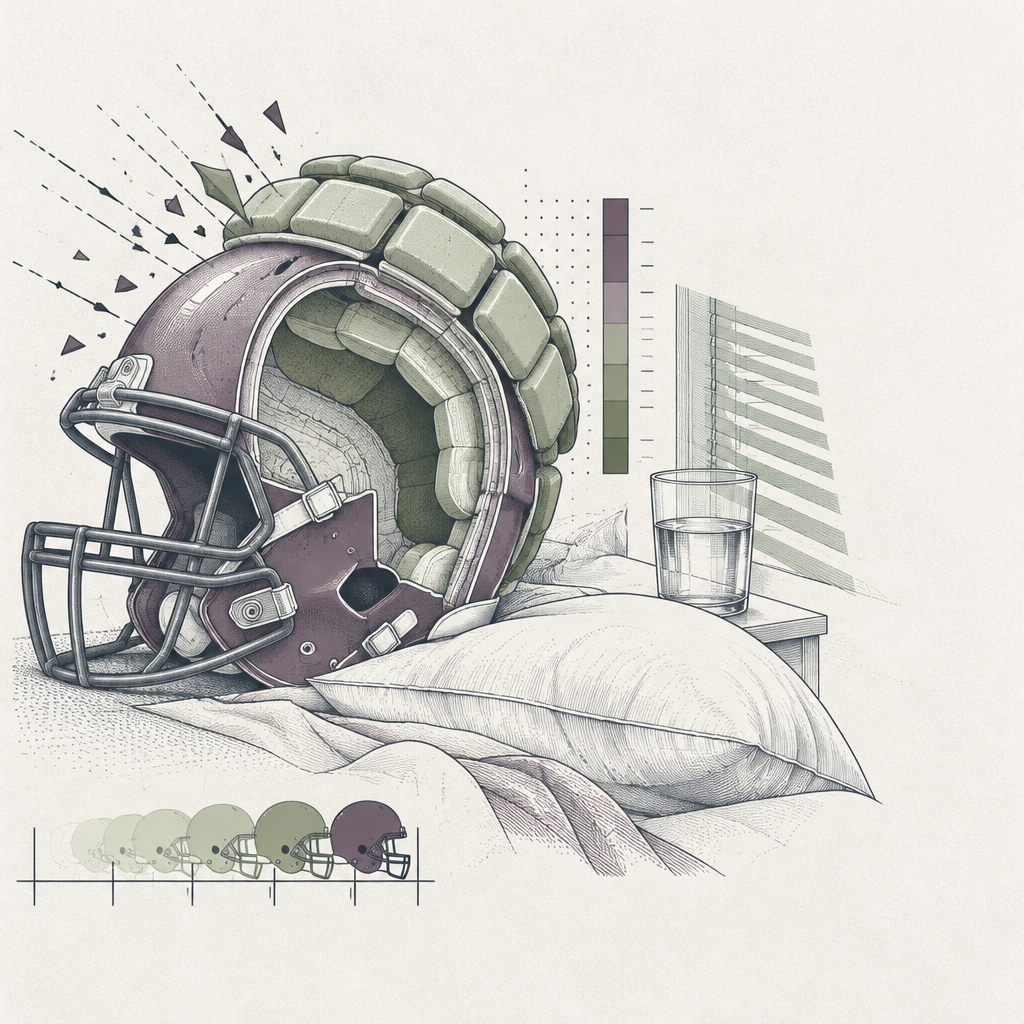
Researchers analyzing medical records from thousands of former NFL players found roughly 75% develop chronic traumatic encephalopathy. The statistical model corrects for past brain-bank selection bias, shifting CTE from an extreme outlier to an expected outcome of long gridiron careers.
The architecture take
I used to think the brain-bank numbers were artificially inflated because grieving families only donated when something went visibly wrong. I was clearly wrong. I read this new analysis hoping the statistical adjustment across thousands of former athletes would soften the estimate, but 75% still end up with chronic traumatic encephalopathy. The damage comes from routine, subconcussive hits rattling the brain against the skull, shearing axons and triggering persistent neuroinflammation. That slow churn pools hyperphosphorylated tau proteins inside cortical sulci, dragging down executive function, mood, and sleep baseline. (Try regulating a nervous system when brain tissue is simmering in low-grade inflammation for thirty years.) Pro sports leagues will keep pushing padded guardian caps and spotter cameras. I watch those cosmetic tweaks with deep skepticism. If repetitive mechanical impact is the direct dose, cutting collision volume in amateur and youth training is the only move that actually protects long-term cognition.