news
Dietary Lecithin Cuts Cognitive Impairment Risk in 1,900 Older Adults
A study of 1,917 older adults tracked dietary intake through targeted lipidomics and Montreal Cognitive Assessment scores. Researchers found that higher circulating levels of polyunsaturated phosphatidylcholine, the core component of lecithin, correlate with significantly lower rates of mild cognitive impairment. The finding gives everyday foods like eggs and sunflower seeds serious credibility against early memory decline.
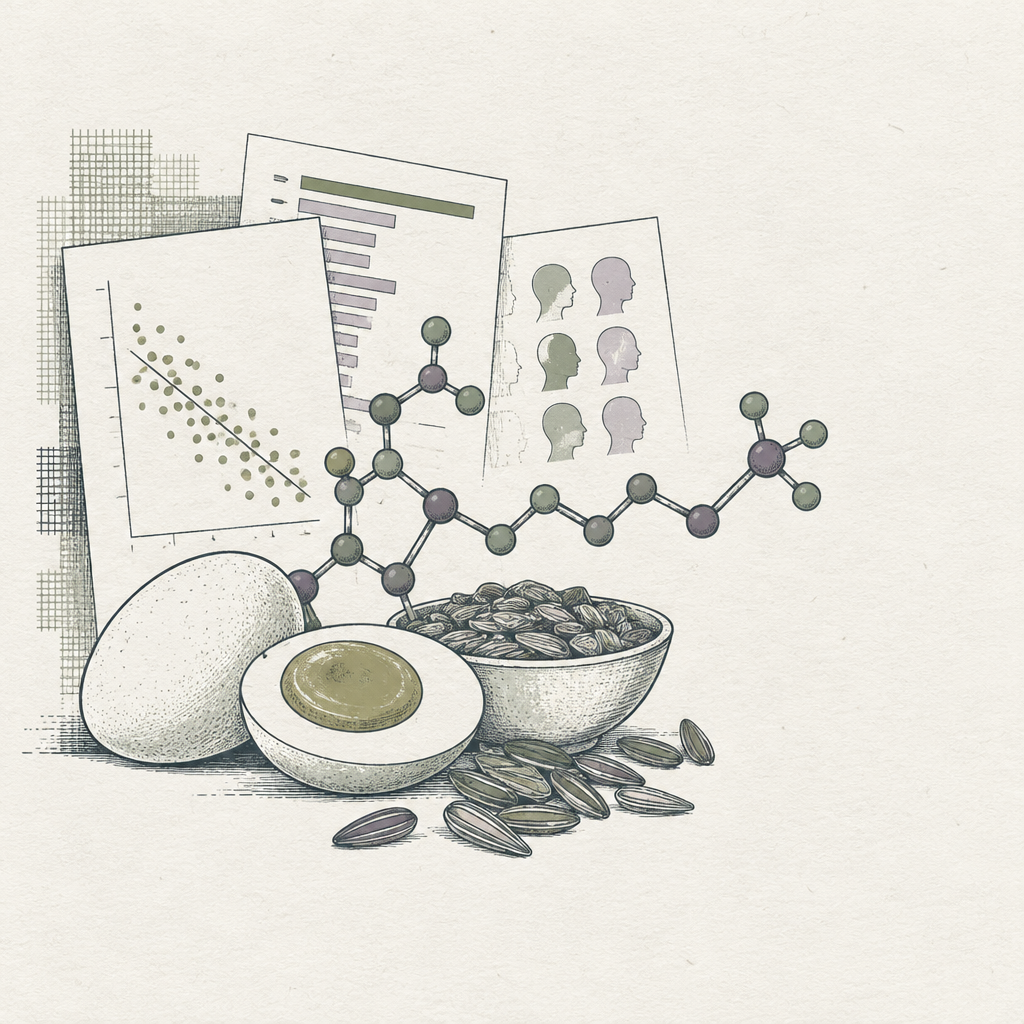
A study of 1,917 older adults tracked dietary intake through targeted lipidomics and Montreal Cognitive Assessment scores. Researchers found that higher circulating levels of polyunsaturated phosphatidylcholine, the core component of lecithin, correlate with significantly lower rates of mild cognitive impairment. The finding gives everyday foods like eggs and sunflower seeds serious credibility against early memory decline.
The architecture take
I spent years ignoring lecithin because it sounded like an emulsifier someone added to a cheap chocolate bar to stretch the cocoa butter. This study changed my mind. Researchers ran targeted lipidomics on 1,917 older adults alongside Montreal Cognitive Assessment scores and tracked what actually circulates in the blood. Polyunsaturated phosphatidylcholine—the active lipid compound in dietary lecithin—correlated cleanly with lower rates of mild cognitive impairment. The mechanism makes straightforward sense. Phosphatidylcholine delivers choline straight to your brain cells to synthesize acetylcholine, the neurotransmitter running your memory retrieval and attention networks, while repairing the fatty outer membrane of neurons. You do not need an overpriced nootropic stack when two eggs, sunflower seeds, or basic soy lecithin deliver the identical phospholipids for pennies. I am adding egg yolks back to my grocery list without apologizing. Cheap cellular maintenance usually beats expensive marketing.