news
Algorithmic Feeds Push Self-Harm Content to One in Three English Teens
A survey of English secondary school pupils found that 33% encountered online self-harm material in the past month. Rather than searching for distressing posts, most adolescents had the material delivered directly into their feeds by platform recommendation engines. The findings land as regulators weigh enforcement under the UK Online Safety Act.
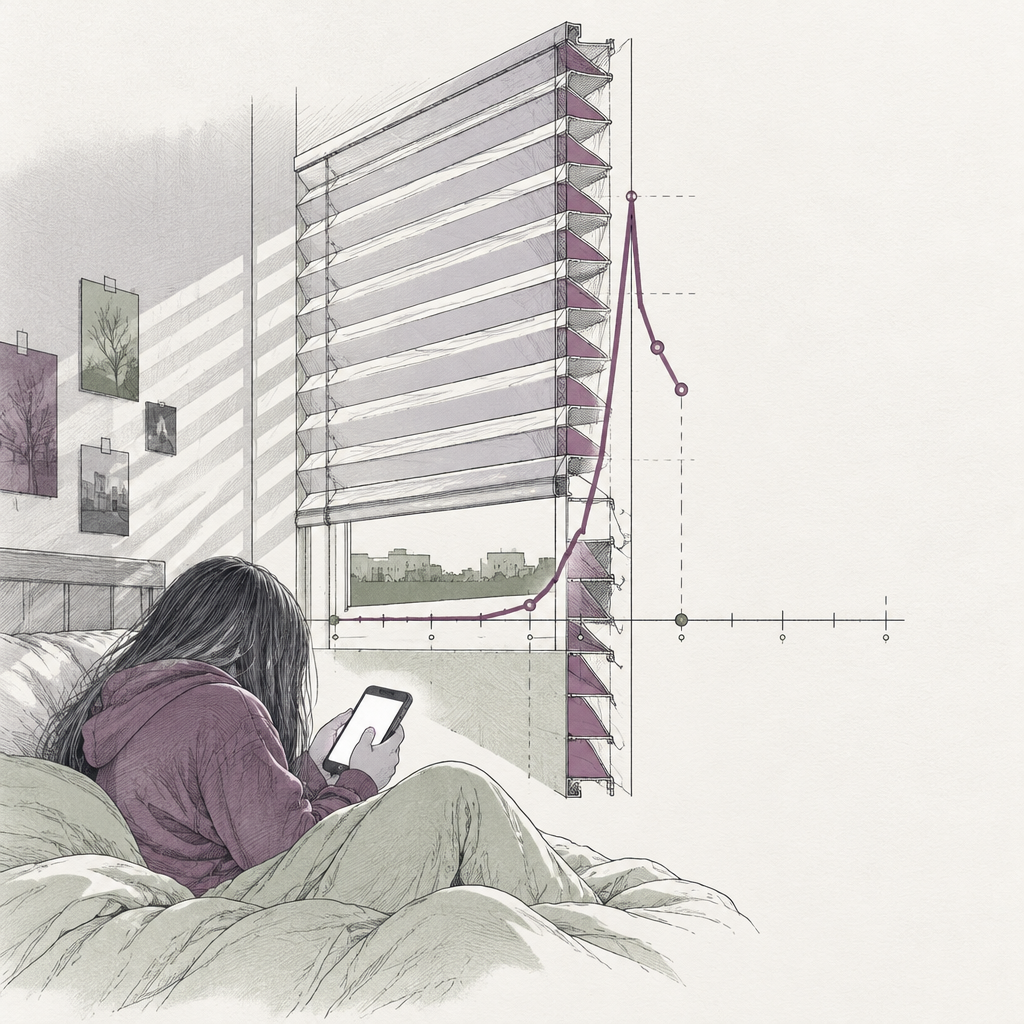
A survey of English secondary school pupils found that 33% encountered online self-harm material in the past month. Rather than searching for distressing posts, most adolescents had the material delivered directly into their feeds by platform recommendation engines. The findings land as regulators weigh enforcement under the UK Online Safety Act.
The architecture take
I used to assume kids were actively seeking out dark rabbit holes when their mood tanked. I was wrong. The algorithms deliver distress straight to their eyes while they are just scrolling to zone out. When an already taxed teenage brain gets hit with unprompted self-harm imagery, the nervous system shifts straight into sympathetic alarm. Dopamine loops pull their attention in, cortisol spikes, and baseline anxiety ratchets up before they can hit hide. It is essentially forced emotional contagion. Tech platforms love to blame user search intent during parliamentary hearings (a predictable dodge), but passive feed delivery destroys that defense. I watch policymakers debate screen time limits like blunt instruments, yet the actual poison is automated distribution. Passive feeds hook dysregulated kids into distress loops without consent. If platform safety compliance does not mandate an immediate kill-switch on algorithmic pushes of self-harm material, voluntary youth mental health guidelines remain useless.