news
Prenatal Vitamin C Buffers Infants Against High Maternal Stress
Researchers found that pregnant mothers taking supplemental vitamin C buffered their infants against the heightened negative emotionality typically triggered by maternal stress. The study links maternal antioxidant status directly to infant autonomic regulation and calmer infant temperament. It offers clinicians a remarkably low-cost nutritional lever during high-stress pregnancies.
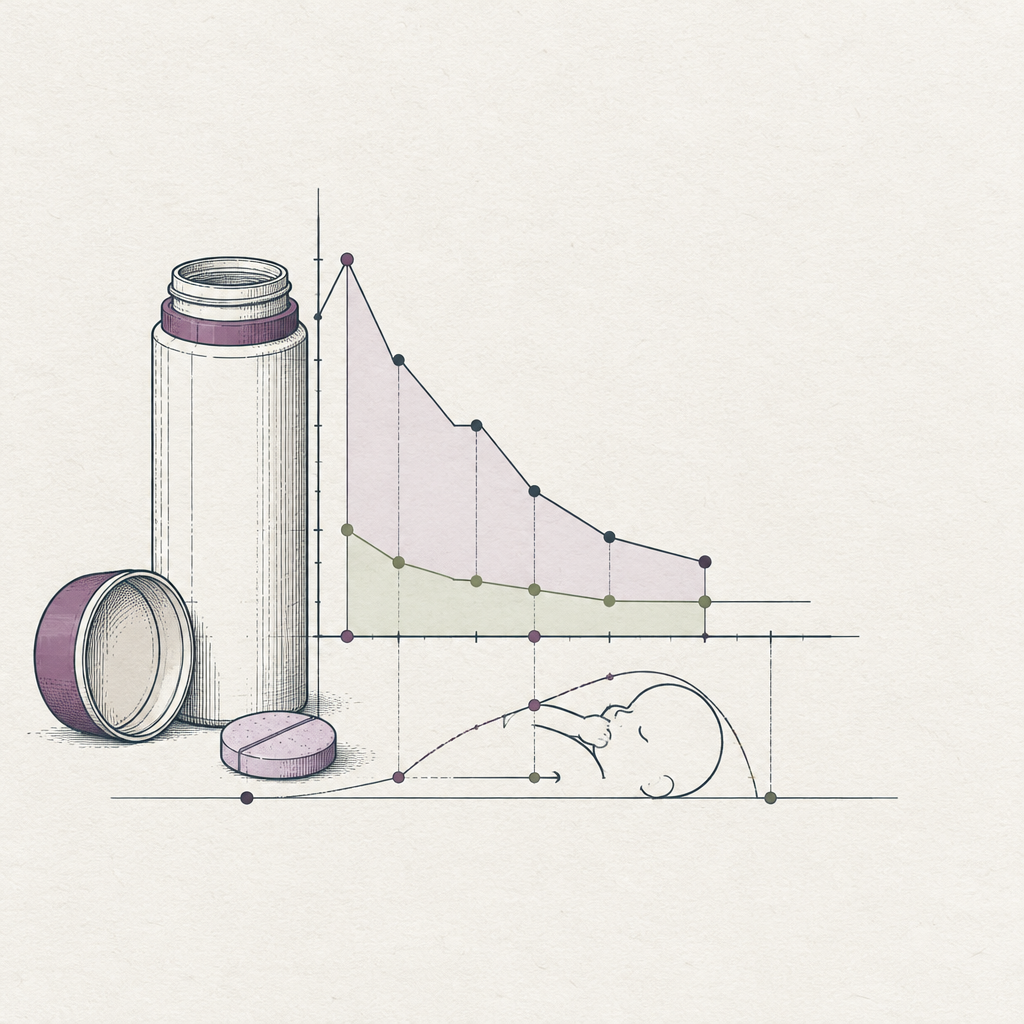
Researchers found that pregnant mothers taking supplemental vitamin C buffered their infants against the heightened negative emotionality typically triggered by maternal stress. The study links maternal antioxidant status directly to infant autonomic regulation and calmer infant temperament. It offers clinicians a remarkably low-cost nutritional lever during high-stress pregnancies.
The architecture take
I used to dismiss vitamin C as the boring chewable our grandmothers pushed every winter. I assumed we had mapped every basic nutrient decades ago, but I was wrong. Maternal cortisol does real damage to a developing fetal nervous system during high-stress pregnancies, driving baseline infant reactivity straight into chronic fussiness. When mothers took supplemental ascorbic acid, that spike in negative emotionality flattened out. The mechanism sits in how antioxidants blunt placenta-crossing oxidative markers before they sensitize the baby's developing HPA axis. (Nobody gets rich selling generic ascorbic acid, which explains why no startup's bottled it as an eighty-dollar tincture.) I find this delightfully unglamorous. Cheap, unpatented molecules protecting early infant autonomic tone beat another overhyped protocol every day. Watch maternal health clinicians start quietly checking ascorbic acid levels on standard prenatal bloodwork by autumn.