news
A new 3D gait model flags health risks before blood work
Nature Medicine researchers trained a machine learning model on 3D skeletal motion to predict multisystem health phenotypes directly from how a person walks. By analyzing subtle movement mechanics across joints, the system screens for cardiovascular, metabolic, and neurological markers without needles or lab work.
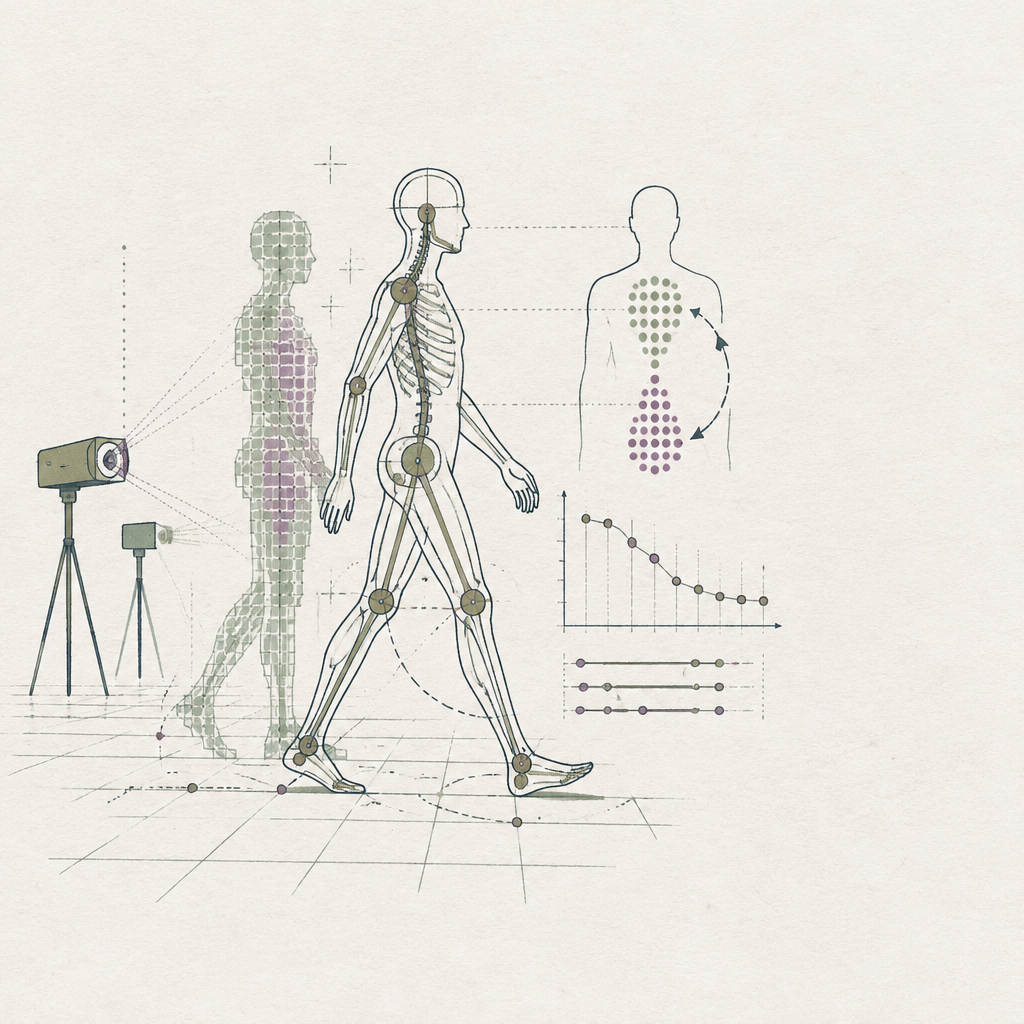
Nature Medicine researchers trained a machine learning model on 3D skeletal motion to predict multisystem health phenotypes directly from how a person walks. By analyzing subtle movement mechanics across joints, the system screens for cardiovascular, metabolic, and neurological markers without needles or lab work.
The architecture take
I used to think gait analysis was mostly useful for podiatrists tweaking orthotics or physical therapists checking ACL rehab. Then I spent a morning reading this Nature Medicine study, and I had to recalibrate completely. Researchers tracked 3D skeletal motion across body joints to screen for systemic conditions spanning metabolic, cardiovascular, and neurological health. Walking feels automatic because the brain automates it, but moving your limbs requires constant micro-adjustments between your motor cortex, dopamine circuits, and proprioceptive nerves. When chronic inflammation creeps up or mitochondrial output drops, your stride shows that drag long before standard blood panels flag a problem. Movement tells on you. The commercial translation will arrive fast: phone cameras, smart home sensors, and spatial headsets will soon attempt passive health screens while you walk to the kitchen. I expect longevity clinics will bundle five-second walking evaluations right alongside their expensive DEXA scans by autumn.