news
Meat Eaters Show Higher Gut Diversity But Not Better Health
A study tracking vegan versus omnivore microbiomes found meat eaters carry a wider variety of gut bacteria, sparking misleading headlines. Danish researchers pushed back, explaining that higher bacterial headcount often reflects putrefactive species processing animal protein rather than reduced inflammation or a resilient colon.
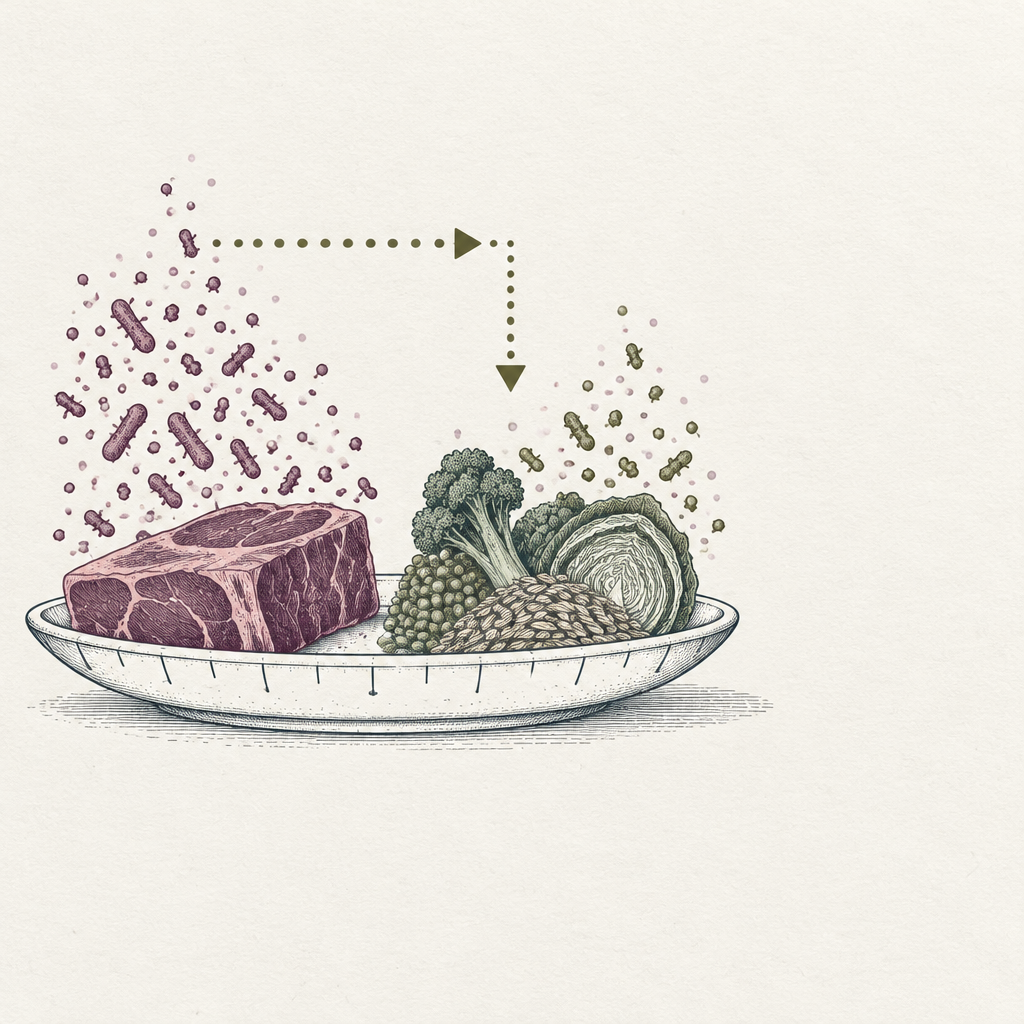
A study tracking vegan versus omnivore microbiomes found meat eaters carry a wider variety of gut bacteria, sparking misleading headlines. Danish researchers pushed back, explaining that higher bacterial headcount often reflects putrefactive species processing animal protein rather than reduced inflammation or a resilient colon.
The architecture take
More species in your stool sample does not mean your digestion is thriving. The obsession with gut microbial diversity has turned into a numbers race where people assume higher alpha-diversity automatically equals better metabolic health. Eating meat brings along specific microbes needed to break down animal protein and fat, which inflates the raw species count. That looks impressive on a consumer test report, but some of those strains produce trimethylamine N-oxide and secondary bile acids, which increase systemic inflammation rather than quiet it. I used to think maximizing my diversity score was the entire game until I watched my own markers sit flat despite chasing exotic counts. True gut resilience comes from what those bacteria actually produce, especially short-chain fatty acids like butyrate that fuel your intestinal lining and signal the vagus nerve. If your bacteria are thriving on fiber and keeping gut barrier permeability low, you can safely ignore the sheer headcount.