news
Massive Nature Medicine study maps two gut axes driving chronic disease
Researchers in Nature Medicine analyzed thousands of human gut metagenomes to map how lifestyle choices directly steer chronic disease risk through the microbiome. The study identifies two opposing bacterial axes: one sustained by plant diversity that suppresses systemic inflammation, and an opposing group fed by ultra-processed foods that accelerates cardiometabolic illness. The data shows gut microbes act as the direct biological translator between daily routines and disease risk.
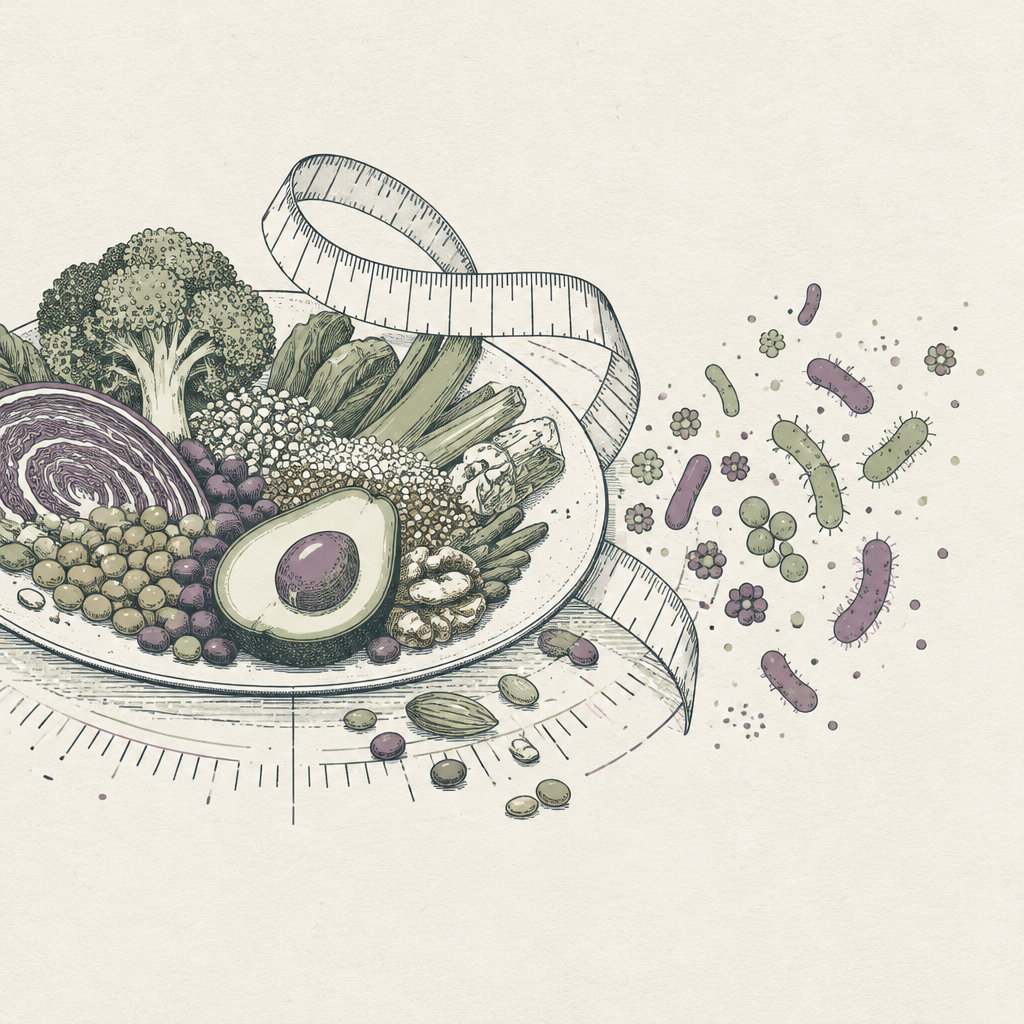
Researchers in Nature Medicine analyzed thousands of human gut metagenomes to map how lifestyle choices directly steer chronic disease risk through the microbiome. The study identifies two opposing bacterial axes: one sustained by plant diversity that suppresses systemic inflammation, and an opposing group fed by ultra-processed foods that accelerates cardiometabolic illness. The data shows gut microbes act as the direct biological translator between daily routines and disease risk.
The architecture take
I spent years assuming the gut was just an unruly transit hub for calories, but this paper settles the real argument. Your microbiome acts as an active metabolic switchboard. When you sleep poorly or eat ultra-processed meals, you starve out the species that produce acetate and butyrate, letting inflammatory bug lineages take over your gut lining. That shift pushes inflammatory cytokines straight into circulation and drags insulin sensitivity down with it. What makes this study so refreshing is that it moves past vague advice to drink kefir and eat thirty plants a week. It gives us measurable, opposing bacterial networks that respond in real time to how you treat your body. Boring habits win here. When fasting glucose creeps up or midday energy tanks, don't just blame stress. Look at what you fed your resident microbes over the last forty-eight hours. They register the strain long before a doctor spots trouble on a routine blood panel.