news
Study Finds Muscle Mass Explains Cardiovascular Gap Between Sexes
A 294-person study in Sports Medicine tracked men and women aged 18 to 78 using DEXA scans, carbon monoxide rebreathing, and cycle ergometry. Researchers found that sex differences in aerobic capacity and heart output scale almost entirely to lean body mass rather than sex-specific plumbing. When lean mass matches, cardiovascular performance sits on the exact same regression line.
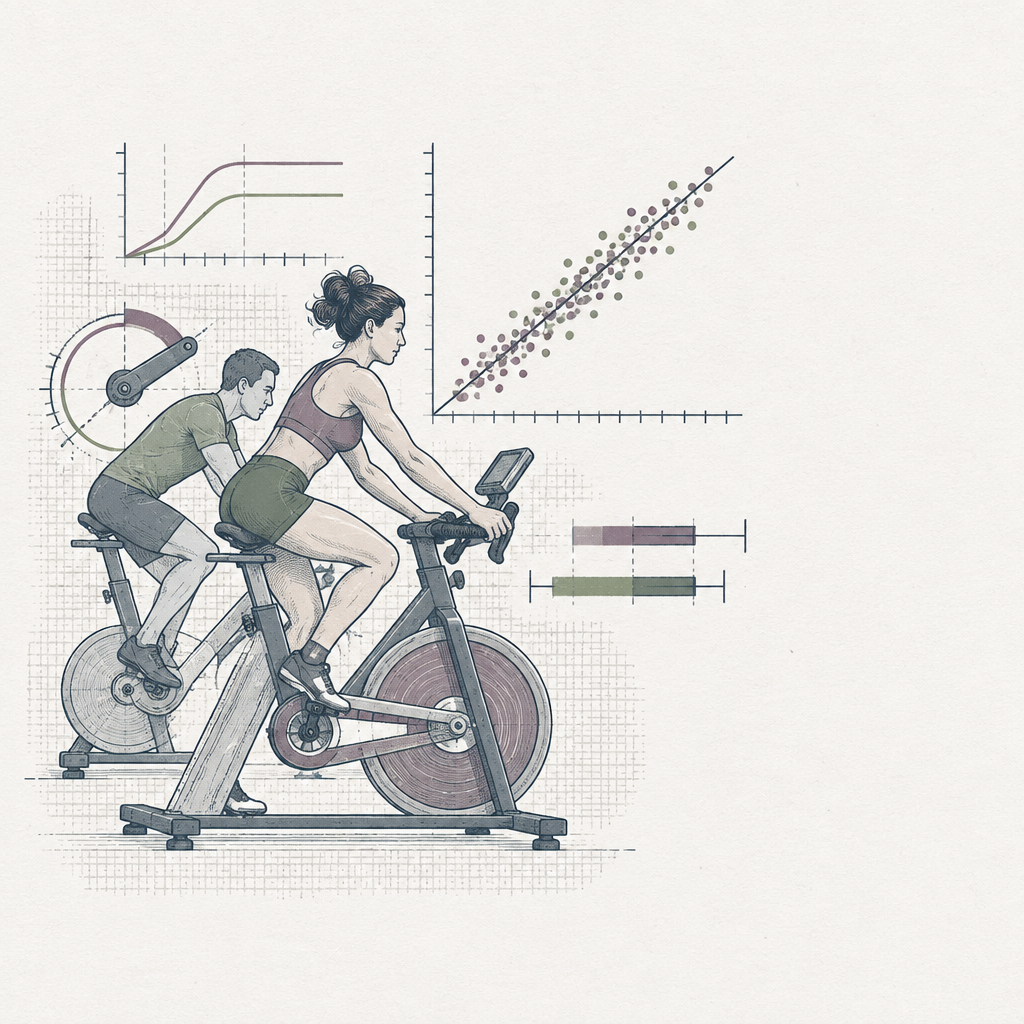
A 294-person study in Sports Medicine tracked men and women aged 18 to 78 using DEXA scans, carbon monoxide rebreathing, and cycle ergometry. Researchers found that sex differences in aerobic capacity and heart output scale almost entirely to lean body mass rather than sex-specific plumbing. When lean mass matches, cardiovascular performance sits on the exact same regression line.
The architecture take
I spent years listening to coaches claim female cardiovascular plumbing had a hard biological ceiling that testosterone simply rewrote. This Sports Medicine trial blows that assumption wide open. When researchers matched 294 men and women by lean body mass, the gap in stroke volume, hemoglobin mass, and peak aerobic output vanished. The heart and blood vessels scale to the tissue they feed. Women and men sat on the exact same line once muscle volume leveled out. For anyone planning a training block, that changes the baseline. I used to treat lower female VO2max tables as an unbridgeable gap, but I was wrong: the pump expands to match working muscle. Pushing for lean mass directly signals bone marrow and the left ventricle to expand blood volume. Building muscle doesn't just prevent frailty down the road. It forces your circulatory system to upgrade its aerobic engine.