news
Petting Your Dog Buffers the Nervous System Before Stress Hits
A study of 64 dog owners published in Biological Psychology found that physical contact with a pet protects against future acute stress. Actively stroking a dog kept heart rates lower and buffered autonomic reactivity during high-pressure tasks compared to resting alone.
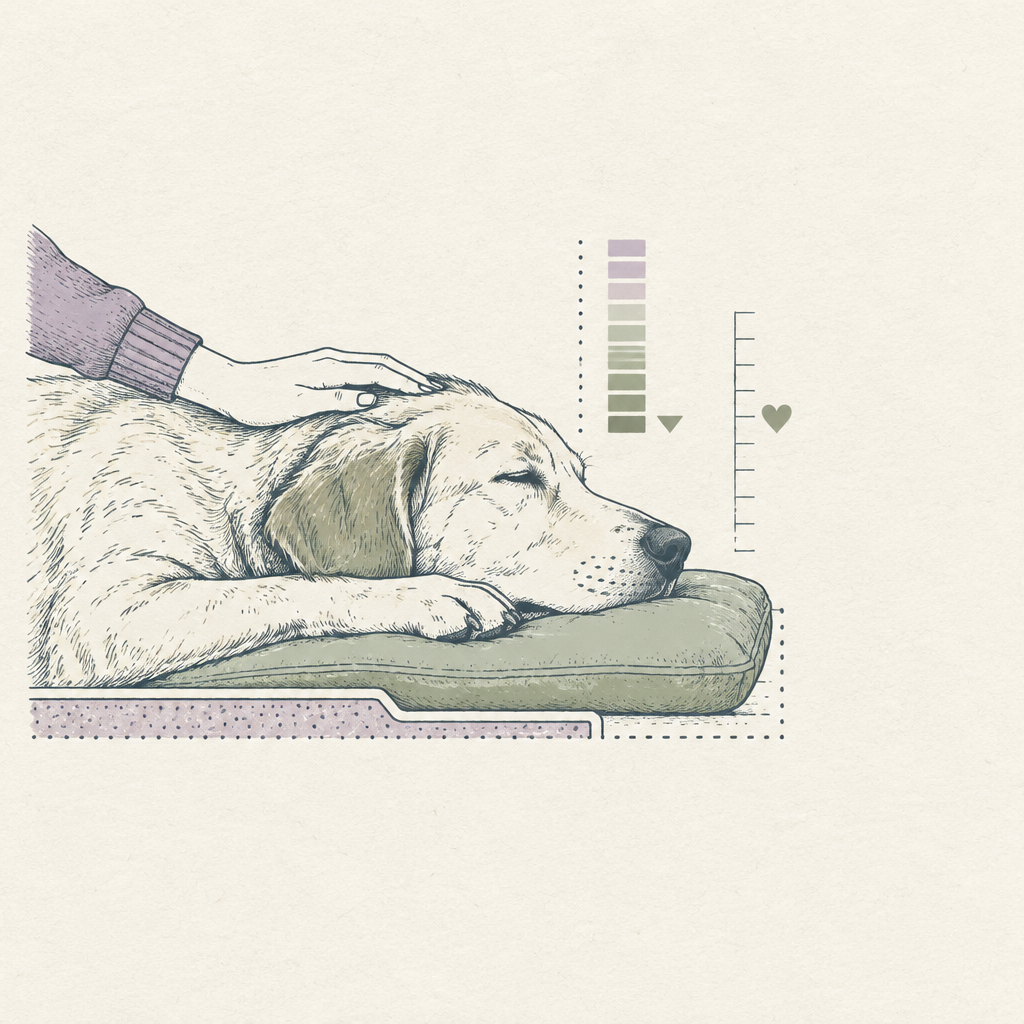
A study of 64 dog owners published in Biological Psychology found that physical contact with a pet protects against future acute stress. Actively stroking a dog kept heart rates lower and buffered autonomic reactivity during high-pressure tasks compared to resting alone.
The architecture take
I used to write off pet therapy as sentimental fluff designed to sell calendars. I spent years assuming the calming effect was purely psychological. A trial of 64 dog owners in Biological Psychology proved me wrong by measuring what happens before stress hits. The researchers put people through an acute stress test, but had one group physically stroke their dog first. The physical contact created a measurable buffer: heart rates stayed lower and the sympathetic nervous system didn't spike. Tactile touch stimulates oxytocin release, which nudges vagal tone and dampens cortisol before an ordeal begins. Looking at your dog across the room doesn't do it (you have to actually lay hands on the fur). The takeaway is immediate. I now take ten minutes on the floor with my retriever before opening a brutal inbox. Boring works.