news
Frequent Cannabis Use Tied to Higher Odds of Nighttime Breathing Problems
A large population study linked frequent cannabis consumption to significantly higher odds of habitual snoring and sleep apnea symptoms. Daily and weekly users showed nearly double the risk of airway collapse and nighttime breathing pauses compared to non-users. The finding challenges the widespread consumer habit of using cannabinoids as a harmless bedtime sedative.
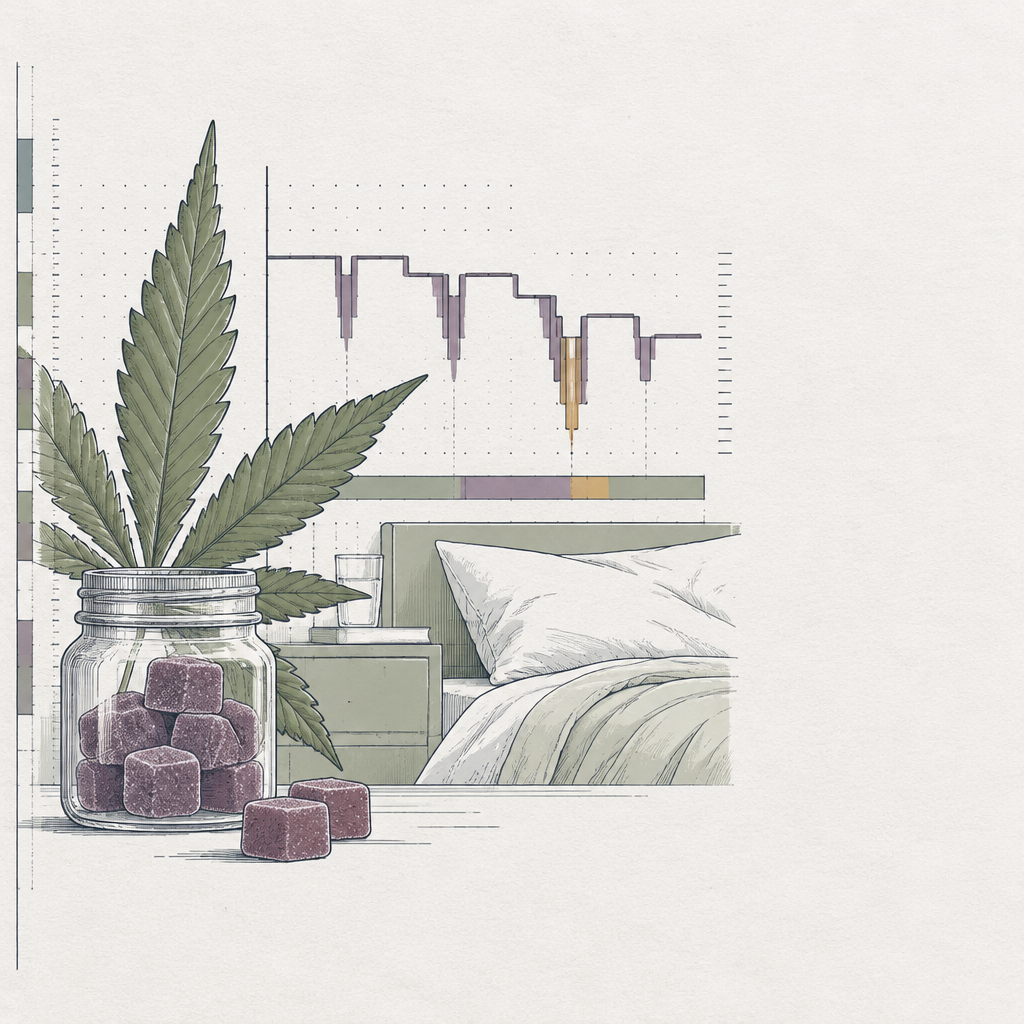
A large population study linked frequent cannabis consumption to significantly higher odds of habitual snoring and sleep apnea symptoms. Daily and weekly users showed nearly double the risk of airway collapse and nighttime breathing pauses compared to non-users. The finding challenges the widespread consumer habit of using cannabinoids as a harmless bedtime sedative.
The architecture take
I used to tell friends that a gummy before bed was harmless if it helped them drop off. I changed my mind after looking at how cannabinoids interact with upper airway tone. While THC can knock you out faster, it also relaxes the muscles supporting the soft palate and pharynx. That slack tissue narrows the upper airway, driving up nocturnal resistance and oxygen drops. (Your bed partner probably noticed the freight-train snoring before your tracker did.) When you add tissue inflammation from smoke, the odds of sleep-disordered breathing climb fast. Micro-arousals spike. You wake up feeling like you slept in a gravel pit, even if your watch says you didn't move. I watch people confuse chemical sedation with actual physiological recovery every single week. If you rely on weed to sleep, check your overnight oxygen dips rather than total minutes in bed.