news
Brain connectivity scan predicts who beats cocaine cravings with magnetic stimulation
Neuroimaging researchers mapped baseline functional connectivity in cocaine use disorder to predict who responds to repetitive transcranial magnetic stimulation. The resting-state fMRI circuit marker flags which patients will see craving reductions before starting multi-week coil sessions.
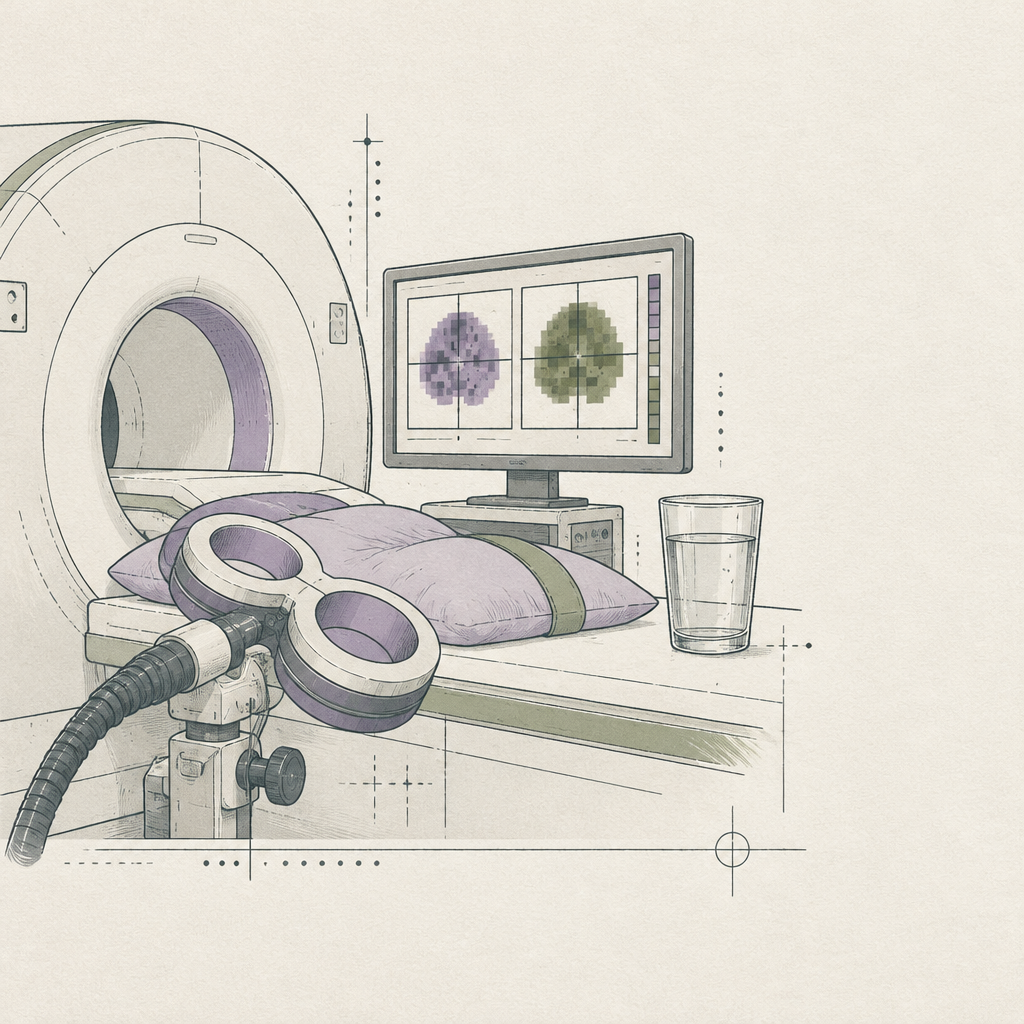
Neuroimaging researchers mapped baseline functional connectivity in cocaine use disorder to predict who responds to repetitive transcranial magnetic stimulation. The resting-state fMRI circuit marker flags which patients will see craving reductions before starting multi-week coil sessions.
The architecture take
Blasting prefrontal cortex with electromagnetic coils has always suffered from a frustrating trial-and-error problem. You book thirty sessions of repetitive transcranial magnetic stimulation, pay out of pocket or fight an insurer for weeks, and cross your fingers that your dopamine circuitry decides to play along. This study changes the equation by scanning resting-state functional connectivity between the executive control network and the striatum before anyone touches an applicator. When the baseline signaling loop between your inhibitory brakes and the craving engine is mapped first, clinicians can tell who will actually quiet down their cue-driven urges and who needs a completely different intervention. I spent years watching neurotech overpromise instant rewiring, but diagnostic precision before protocol selection is where the field finally gets useful. Look for addiction clinics to fold rapid ten-minute fMRI baseline screenings into their intake protocols by late 2026.