news
Current Biology study shows electric lighting cuts sleep by 35 minutes
Longitudinal research tracking indigenous Toba/Qom communities in Current Biology found that access to electric lighting delayed bedtime by nearly an hour. Participants in newly electrified rural villages lost 35 minutes of nightly sleep compared to their baseline before grid access. The shift reveals that circadian disruption stems directly from artificial illumination itself rather than digital media alone.
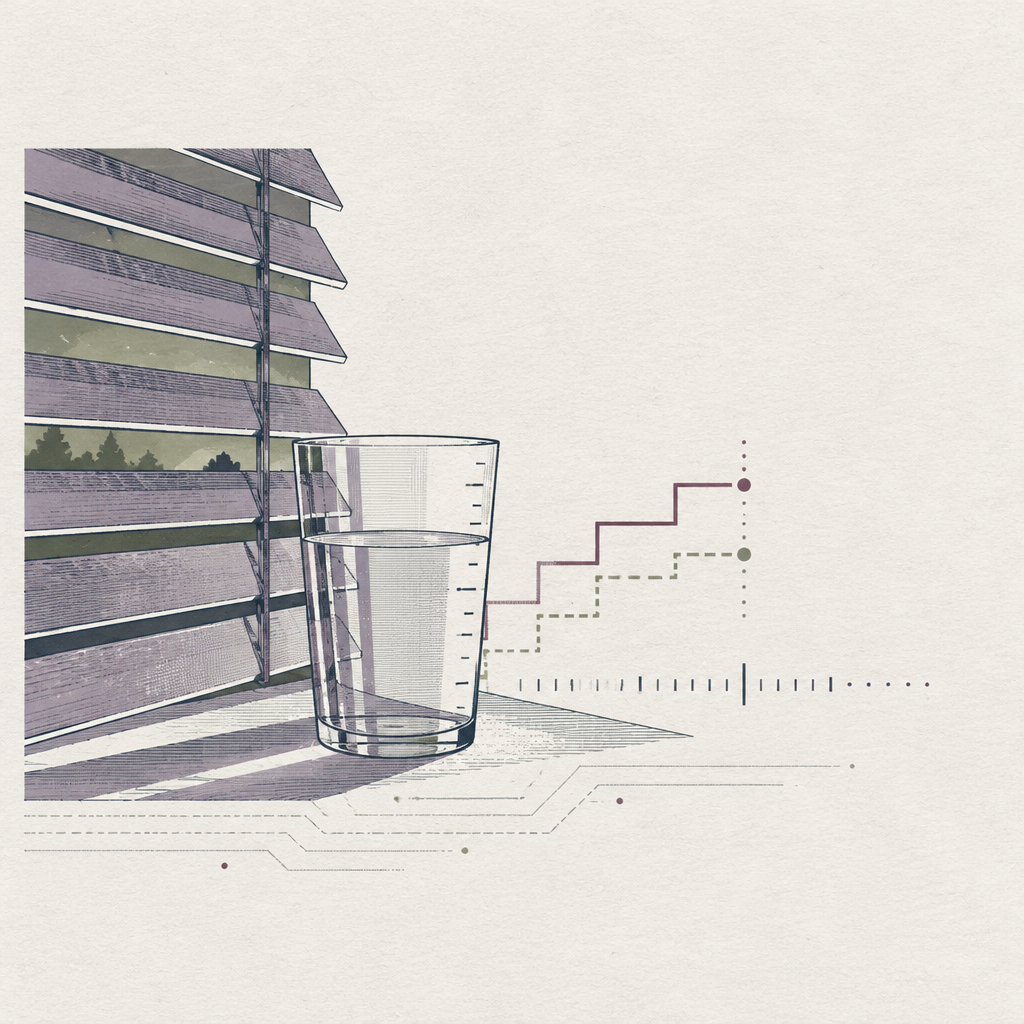
Longitudinal research tracking indigenous Toba/Qom communities in Current Biology found that access to electric lighting delayed bedtime by nearly an hour. Participants in newly electrified rural villages lost 35 minutes of nightly sleep compared to their baseline before grid access. The shift reveals that circadian disruption stems directly from artificial illumination itself rather than digital media alone.
The architecture take
I spent years blaming late-night scrolling for my wrecked sleep schedule, assuming blue screens were the sole villain. This longitudinal tracking of Toba/Qom communities in Argentina shows the shift didn't start with iPhones. The moment electric lighting arrived, participants pushed their bedtime back by almost an hour and lost 35 minutes of nightly sleep. Overhead bulbs are enough to blunt melatonin release and delay circadian phase timing on their own. When light doesn't drop after dusk, the suprachiasmatic nucleus registers extended daytime, suppressing sleep pressure while cortisol stays elevated. I used to think dimming my laptop screen was enough to preserve my deep sleep. I was wrong. If a simple 60-watt bulb trims half an hour of rest from a rural routine, ordinary ambient lamps at 10 p.m. run the exact same interference on your nervous system. I now switch to amber floor lamps after dinner.