news
Samphire Neuroscience Wins UK and EU Clearance for PMDD Brain Stimulation Headband
London-based Samphire Neuroscience secured regulatory approval across the UK and European Union to market its at-home tDCS headband for anxiety symptoms tied to premenstrual dysphoric disorder. The wearable delivers low-intensity direct current to damp down luteal-phase cortical hyperexcitability and pelvic pain. It gives women dealing with disabling monthly mood drops an alternative to continuous SSRIs or oral contraceptives.
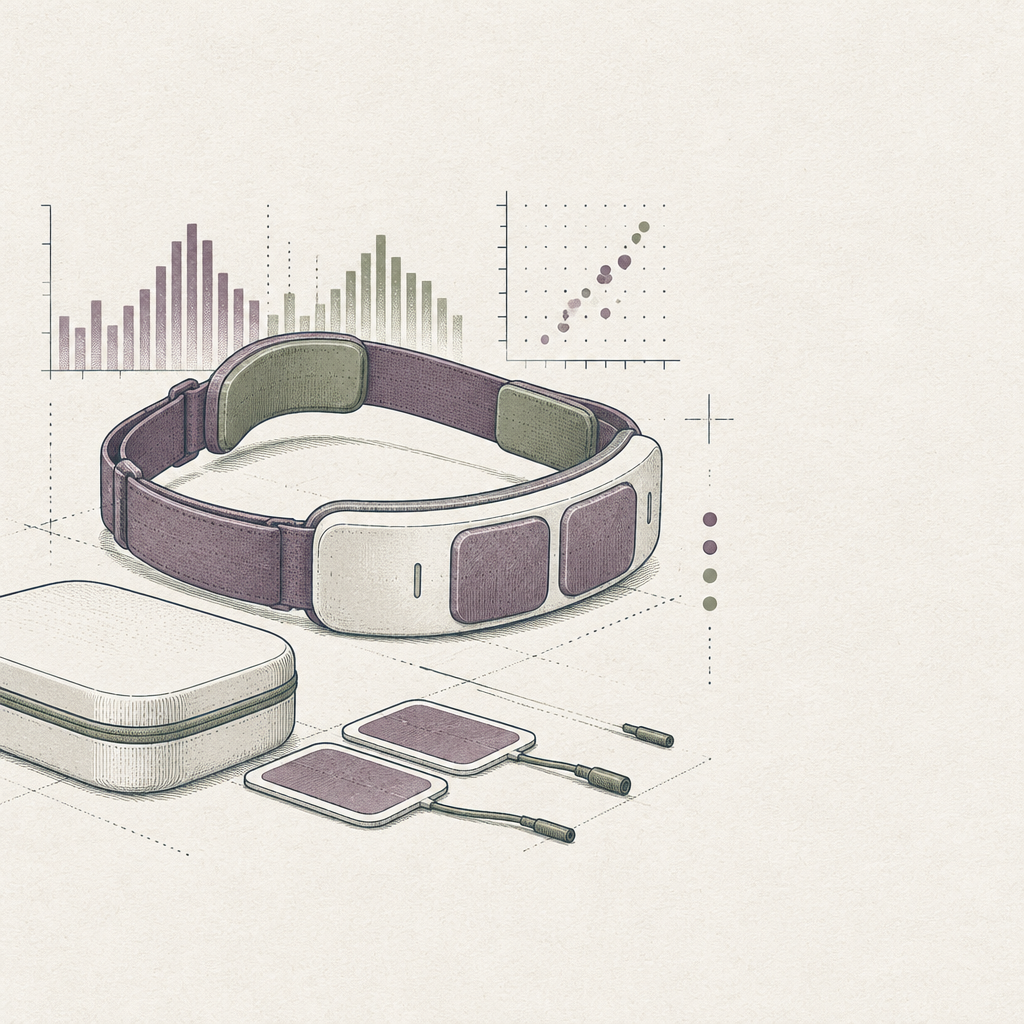
London-based Samphire Neuroscience secured regulatory approval across the UK and European Union to market its at-home tDCS headband for anxiety symptoms tied to premenstrual dysphoric disorder. The wearable delivers low-intensity direct current to damp down luteal-phase cortical hyperexcitability and pelvic pain. It gives women dealing with disabling monthly mood drops an alternative to continuous SSRIs or oral contraceptives.
The architecture take
I spent years assuming luteal mood crashes were purely an endocrine issue that required messing with hormone levels. It turns out the brain's gamma-aminobutyric acid receptors become oddly desensitized to allopregnanolone fluctuations in women with PMDD, leaving the cortex irritable and primed for high anxiety. Instead of reaching for a daily SSRI or shutting down ovulation entirely with synthetic progestins, Samphire routes a mild electrical current across the prefrontal cortex to steady neural firing directly. It feels wild that it took until 2024 to get a cleared consumer device for a condition that knocks one in twenty women flat every single month. I suspect most legacy pharma executives will dismiss this as fringe biohacking until the clinical data starts biting into their antidepressant prescription numbers. Electric currents beat chronic dry mouth. Watch whether the FDA follows suit next year, because US women are already figuring out how to ship these units across the Atlantic.