news
Intake Breathing raises $62 million to bring magnetic nasal dilators to retail
Intake Breathing raised $62 million to move its magnetic nasal dilation bands out of direct-to-consumer obscurity and onto big-box retail shelves. The system uses adhesive tabs and a rigid magnetic bridge to physically widen the nasal valve during sleep and training. It turns a niche nighttime recovery habit into a mainstream consumer category.
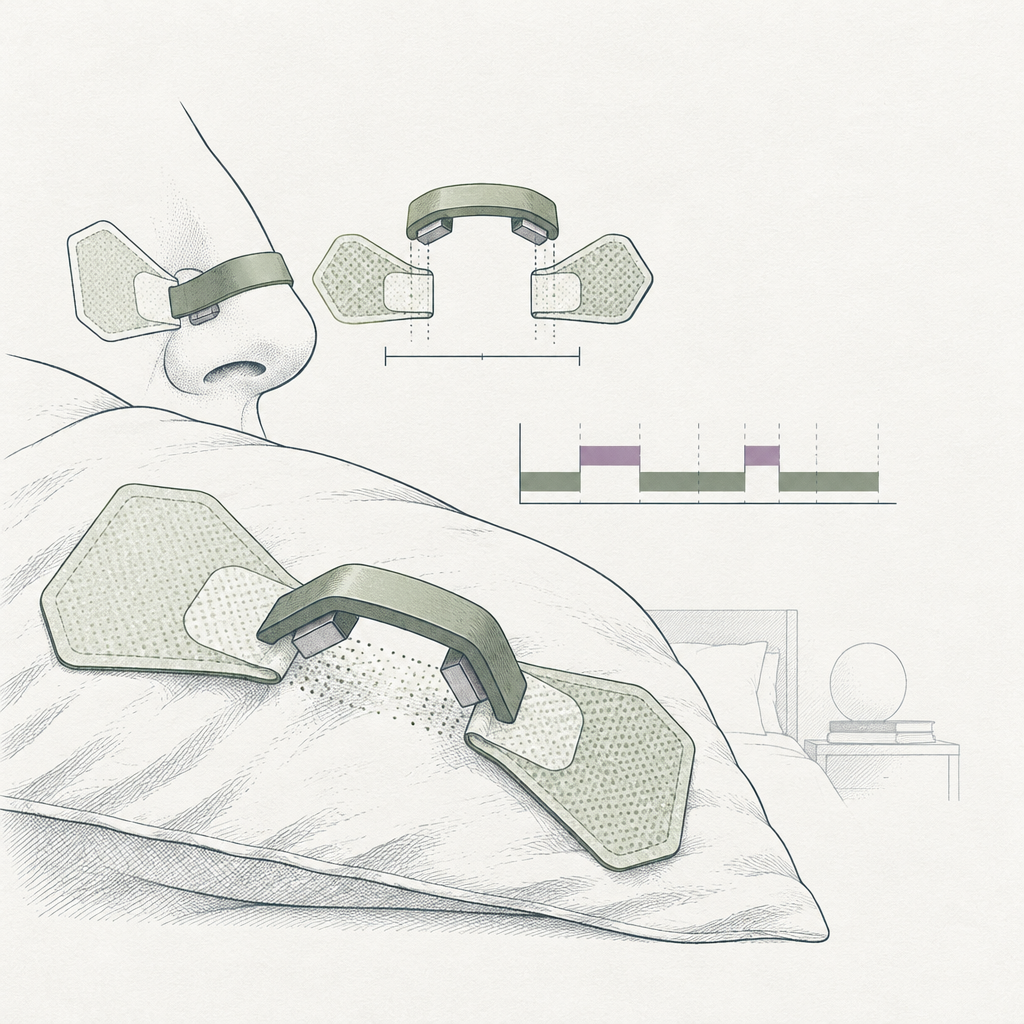
Intake Breathing raised $62 million to move its magnetic nasal dilation bands out of direct-to-consumer obscurity and onto big-box retail shelves. The system uses adhesive tabs and a rigid magnetic bridge to physically widen the nasal valve during sleep and training. It turns a niche nighttime recovery habit into a mainstream consumer category.
The architecture take
Sixty-two million dollars is a wild amount of capital for nose magnets, but here it is. I spent two weeks sleeping with Intake's bridge taped across my face last year, and while I looked like an amateur boxer recovering from surgery, my mouth stayed shut. Mechanically forcing nasal breathing cuts airway resistance, ramps up endogenous nitric oxide production, and prevents the micro-arousals that shatter deep sleep when someone drops into sympathetic overdrive at 3 a.m. Mouth tape proved that people will endure minor nighttime humiliation if it means waking up without a sandpaper tongue. Intake is betting that retail shoppers will pay premium money for a rigid magnetic bridge instead of cheap surgical tape. The real tell here is that airway mechanics just graduated from niche biohacker podcasts straight into Target aisles. Expect every athletic recovery section to stock nasal gear next to the creatine by autumn.