news
Stalled Infant Gut Microbiome Maturation Linked to Type 1 Diabetes Risk
Data from the prospective TEDDY cohort shows that children with genetic risk for type 1 diabetes face higher odds of islet autoimmunity when infant gut microbiome maturation stalls early. Researchers tracked longitudinal stool samples across infancy, discovering that delayed bacterial diversification leaves the developing immune system without critical early training. The findings pinpoint developmental timing rather than just specific bacterial strains as the decisive metabolic factor.
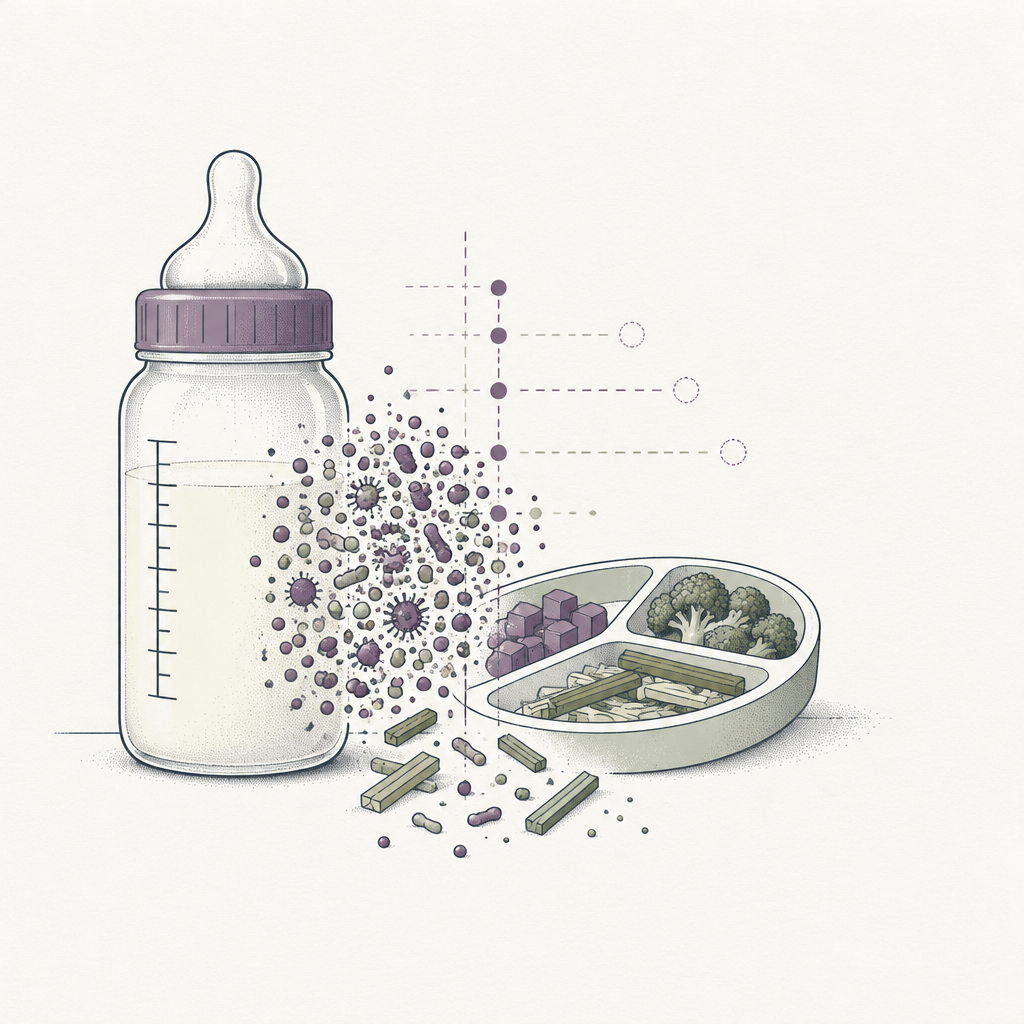
Data from the prospective TEDDY cohort shows that children with genetic risk for type 1 diabetes face higher odds of islet autoimmunity when infant gut microbiome maturation stalls early. Researchers tracked longitudinal stool samples across infancy, discovering that delayed bacterial diversification leaves the developing immune system without critical early training. The findings pinpoint developmental timing rather than just specific bacterial strains as the decisive metabolic factor.
The architecture take
I used to think of microbiome health as a simple headcount of beneficial bugs versus troublesome ones. This analysis from the TEDDY cohort completely flips that assumption. It turns out the immune system doesn't just care which bacteria show up; it cares about the exact clock they run on. When infant gut maturation stalls early, the gut lining misses the developmental signals that teach immune cells to tolerate self-tissue. The result is an immune system that never learns proper restraint, leaving pancreatic beta cells vulnerable to autoimmune attack before a child turns five. I find this timing element fascinating because it moves pediatric prevention away from shotgun probiotic powders and toward targeted microbial pacing. What matters next is how pediatricians monitor that maturation curve in high-risk infants. If clinicians can map when the microbial transition falters, interventions might happen before autoantibodies show up in the blood. I am watching whether early synbiotic protocols can actively reboot that timing.