news
Tau Buildup Drives Late-Life Depressive Symptoms Before Memory Fails
A longitudinal study tracking cognitively normal older adults found that tau protein accumulation in the brain preceded small upticks in depressive symptoms, rather than depression triggering the neurodegeneration. Researchers used PET imaging to show pathology took root well before clinical memory decline showed up. The data points to mood shifts as a physical symptom of neurobiology rather than an isolated psychological event.
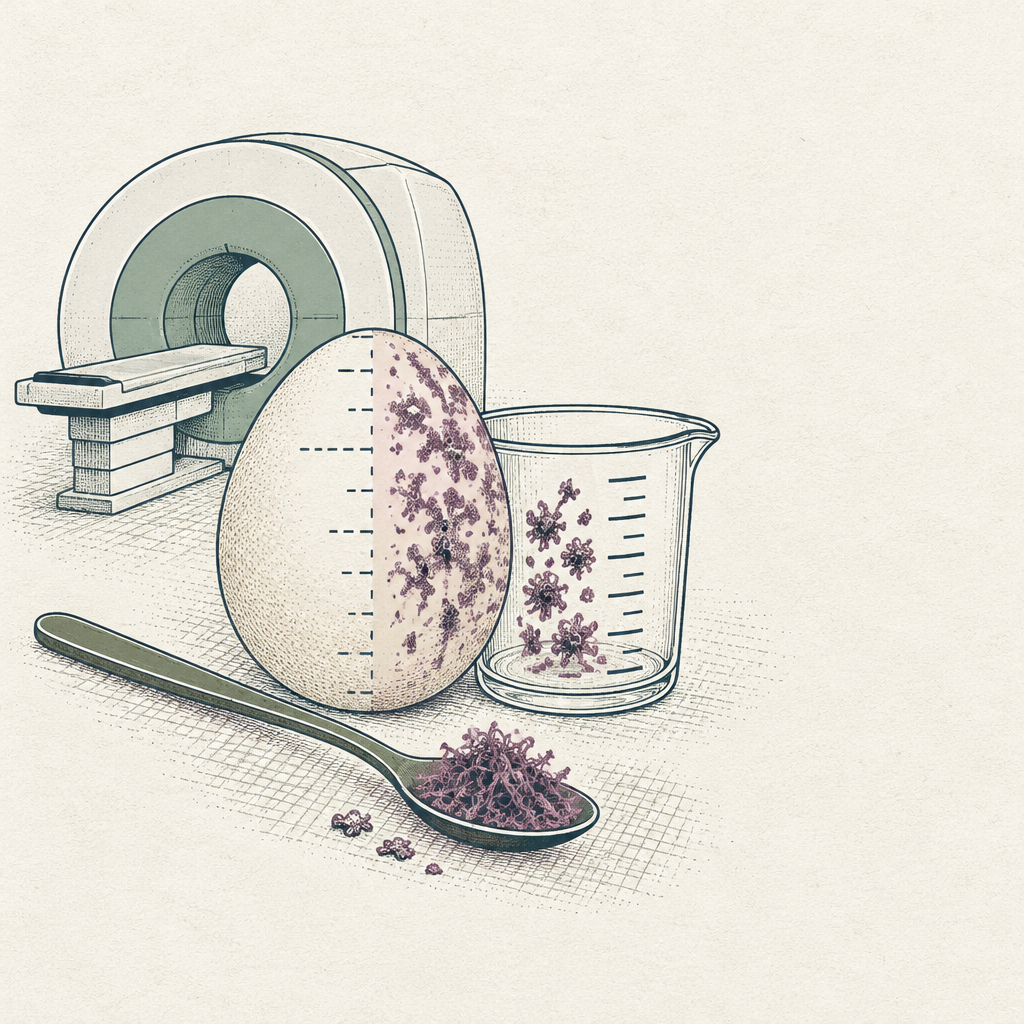
A longitudinal study tracking cognitively normal older adults found that tau protein accumulation in the brain preceded small upticks in depressive symptoms, rather than depression triggering the neurodegeneration. Researchers used PET imaging to show pathology took root well before clinical memory decline showed up. The data points to mood shifts as a physical symptom of neurobiology rather than an isolated psychological event.
The architecture take
I used to assume late-life low mood was mostly situational or reactive. That was my mistake. When tau tangles spread through the entorhinal cortex and hippocampus, they disrupt the exact circuits that stabilize emotional tone months or years before anyone notices a misplaced set of keys. That makes late-onset depressive dips a direct downstream readout of cellular strain, not just emotional fatigue. It changes the entire screening conversation. Instead of treating unexplained mood dips in your sixties as purely psychological, clinicians have a concrete reason to check underlying brain biomarkers early. I watched my grandfather get handed standard SSRIs for two years while everyone ignored the real biological timeline quietly unfolding underneath. The takeaway is immediate. Subtle, persistent personality and mood shifts deserve objective neurological workups. Biology drives the baseline.