news
Dual therapy cuts hysterectomies for heavy bleeding, Lancet reports
A dual therapy combining endometrial ablation with hormonal suppression significantly reduces the 10% two-year hysterectomy failure rate for heavy menstrual bleeding. The approach offers women an outpatient route to preserve uterine tissue and avoid major surgical recovery. It gives clinicians a durable alternative before resorting to organ removal.
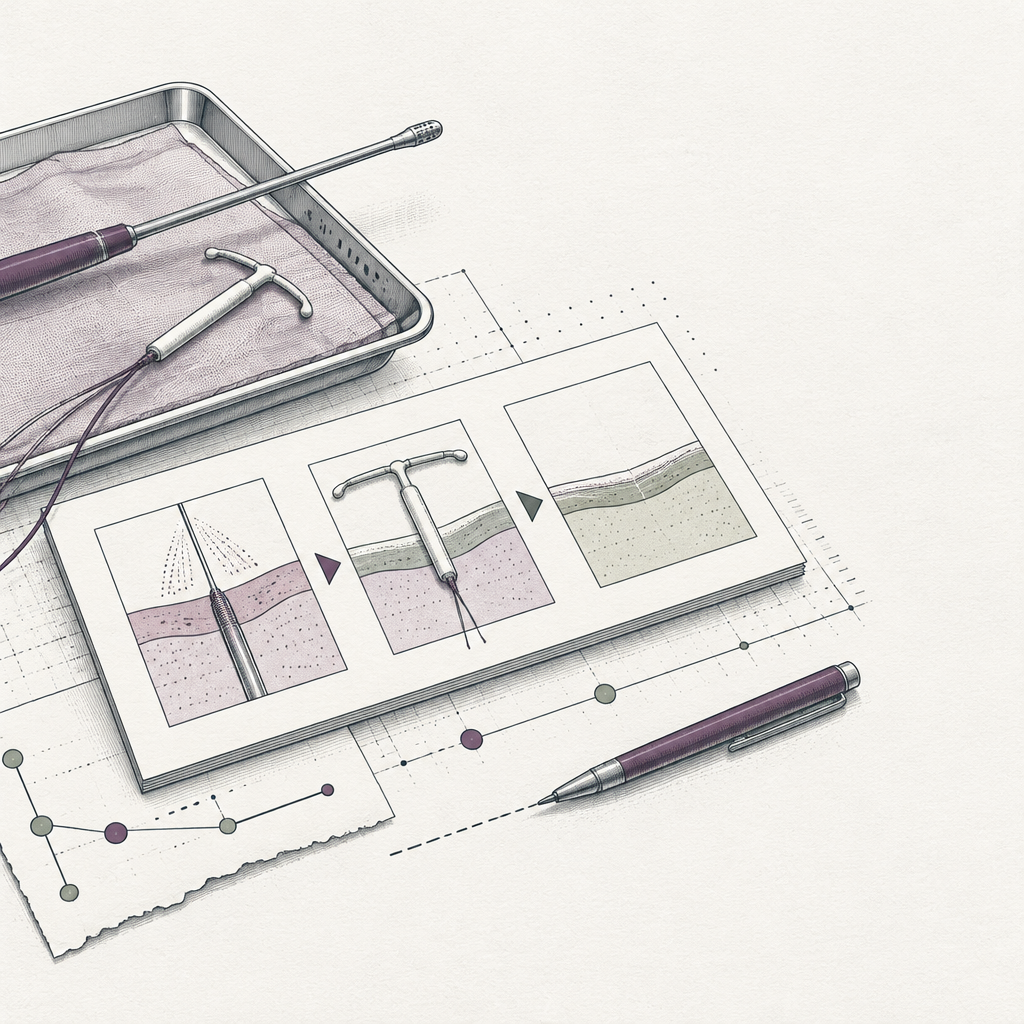
A dual therapy combining endometrial ablation with hormonal suppression significantly reduces the 10% two-year hysterectomy failure rate for heavy menstrual bleeding. The approach offers women an outpatient route to preserve uterine tissue and avoid major surgical recovery. It gives clinicians a durable alternative before resorting to organ removal.
The architecture take
Surgical hysterectomy has stayed the lazy default for refractory heavy bleeding for decades. I used to assume ablation alone was a clean fix, until friends kept reporting recurrent bleeding and ended up back in an operating theater anyway. One in ten women who get standard endometrial ablation still lose their uterus within two years because residual tissue regrows under estrogen stimulation. Stacking ablation with localized hormonal therapy (like a progestin-releasing device) targets the tissue from both angles: thermal destruction plus local receptor blockade to stop bleeding cold. I look at this dual protocol and wonder why we didn't prioritize tissue-sparing options years ago. Major surgery knocks your pelvic floor, nervous system, and systemic recovery for months. Giving women an outpatient strategy that doesn't wreck their baseline changes the conversation entirely. I want to see how fast gynecologists update their standard care pathways. Healing should leave you intact.