news
Sports science updates safety guidance on high intensity training during pregnancy
Sports medicine reviews challenge decades of restrictive prenatal exercise guidelines, showing heavy lifting and interval training above 90% maximum heart rate cause no harm to fetal circulation or birth weight. For conditioned athletes, maintaining habitual volume preserves insulin sensitivity and autonomic capacity better than enforced rest.
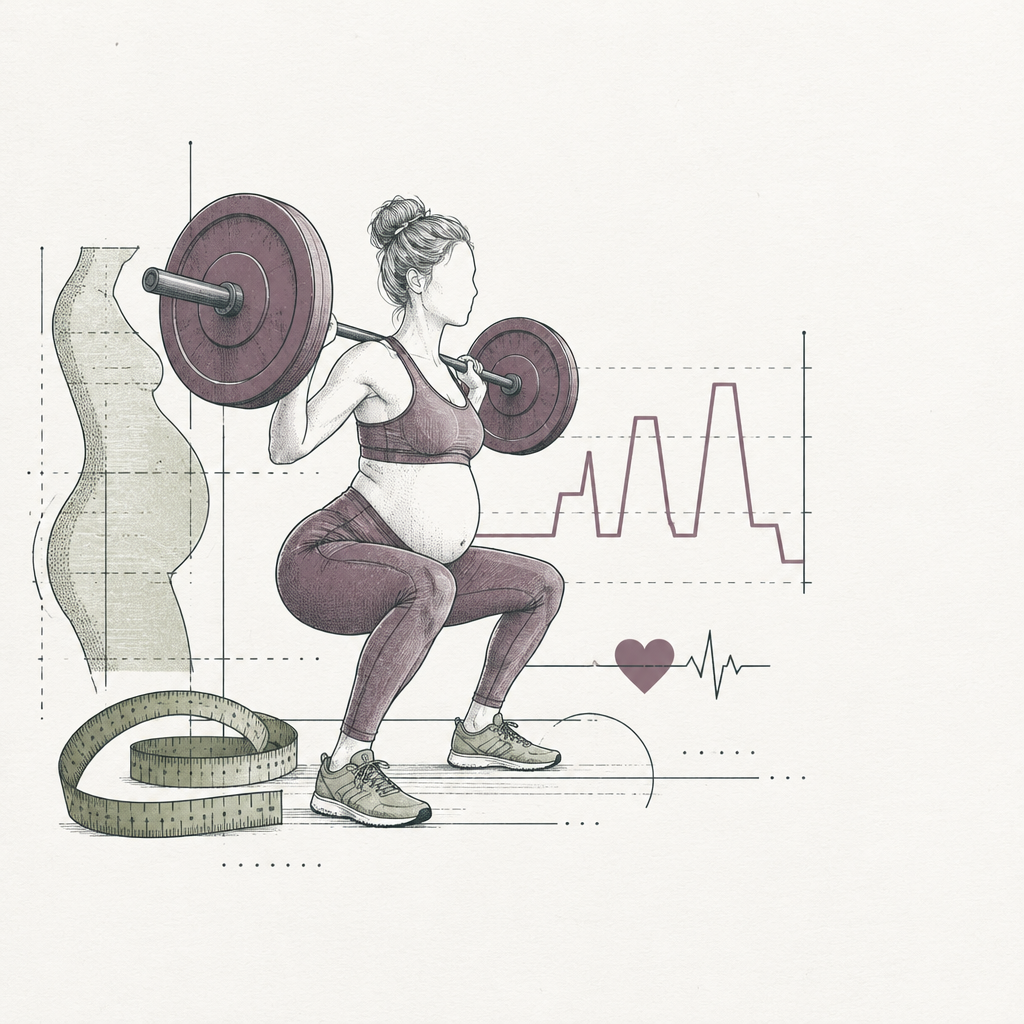
Sports medicine reviews challenge decades of restrictive prenatal exercise guidelines, showing heavy lifting and interval training above 90% maximum heart rate cause no harm to fetal circulation or birth weight. For conditioned athletes, maintaining habitual volume preserves insulin sensitivity and autonomic capacity better than enforced rest.
The architecture take
I spent years watching pregnant friends get told to keep their heart rates under 140 beats per minute, an arbitrary ceiling invented in 1985 that somehow outlived floppy disks. The latest sports medicine data finally acknowledges what female endurance athletes proved anecdotally a decade ago. In healthy, pre-conditioned bodies, vigorous intervals and heavy squats do not choke off uterine blood flow or spike preterm labor risk. Your cardiovascular system expands its blood volume by roughly 45% during gestation; it is built to manage substantial circulatory work. Pulling a competitive runner down to brisk walking causes its own metabolic headaches, from sluggish insulin sensitivity to erratic cortisol spikes when an established stress-relief valve gets yanked away. Recovery capacity sets the pace. If your resting HRV stays steady and your pelvic floor does not protest, pushing hard uphill remains solid medicine. The default prescription of fragility did women zero favors.