news
Plastic Tea Bags Leach 2,500 Microparticles and BPA per Cup
Researchers in Turkey tested commercial plastic tea bags in boiling water, finding each cup released roughly 2,500 microplastic fragments along with detectable bisphenol A (BPA). The extreme water temperature accelerates polymer breakdown, transforming a morning beverage into an unintended source of synthetic endocrine disruptors. For daily drinkers, switching to loose leaves and a stainless steel basket eliminates the exposure entirely.
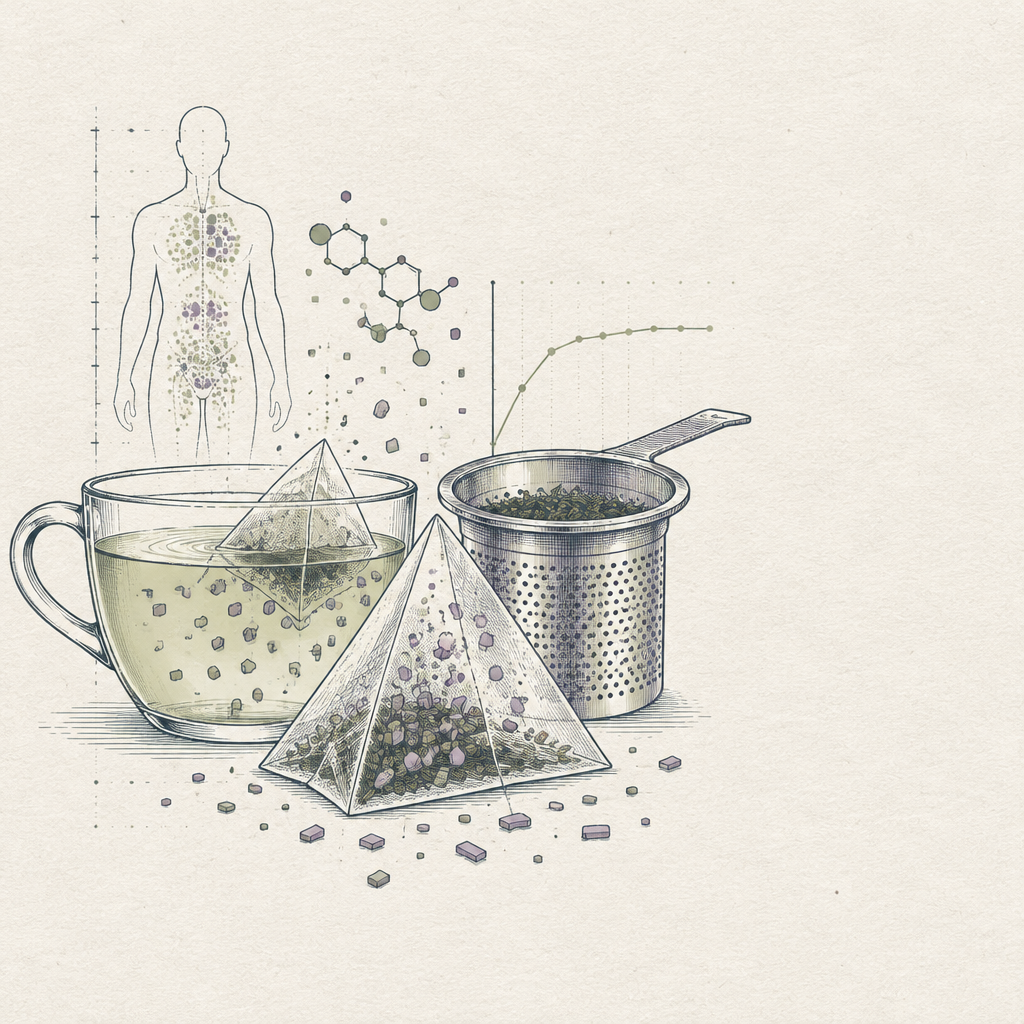
Researchers in Turkey tested commercial plastic tea bags in boiling water, finding each cup released roughly 2,500 microplastic fragments along with detectable bisphenol A (BPA). The extreme water temperature accelerates polymer breakdown, transforming a morning beverage into an unintended source of synthetic endocrine disruptors. For daily drinkers, switching to loose leaves and a stainless steel basket eliminates the exposure entirely.
The architecture take
I used to think pyramid tea bags were just a harmless luxury until I looked at what 95-degree water does to polypropylene mesh. Boiling water hydrolyzes the plastic bond in minutes, shedding microplastics straight into the liquid alongside bisphenol A. Once inside you, BPA binds to estrogen receptors, competing with endogenous hormones and creating low-grade inflammatory static across your gut lining. That added metabolic load is subtle, but it adds up when repeated three times a day for years. I stopped buying silk-feel tea bags six months ago after seeing plasticizer traces on my routine lab work. Stick to loose leaves. Paper sachets with unbleached cotton string or bare leaves in a steel basket bypass the issue entirely without costing extra. I now keep a simple stainless infuser on my counter. The morning brew should settle your nervous system, not deliver an endocrine surprise disguised as chamomile.