news
Researchers Find First Blood-Based Biomarker for Chronic Tinnitus
A team analyzing blood plasma across tinnitus patients and controls identified distinct circulating microRNA and inflammatory protein signatures that reliably track phantom auditory perception. The condition affects roughly 15% of adults globally, yet clinical diagnosis has relied entirely on subjective self-reporting until now.
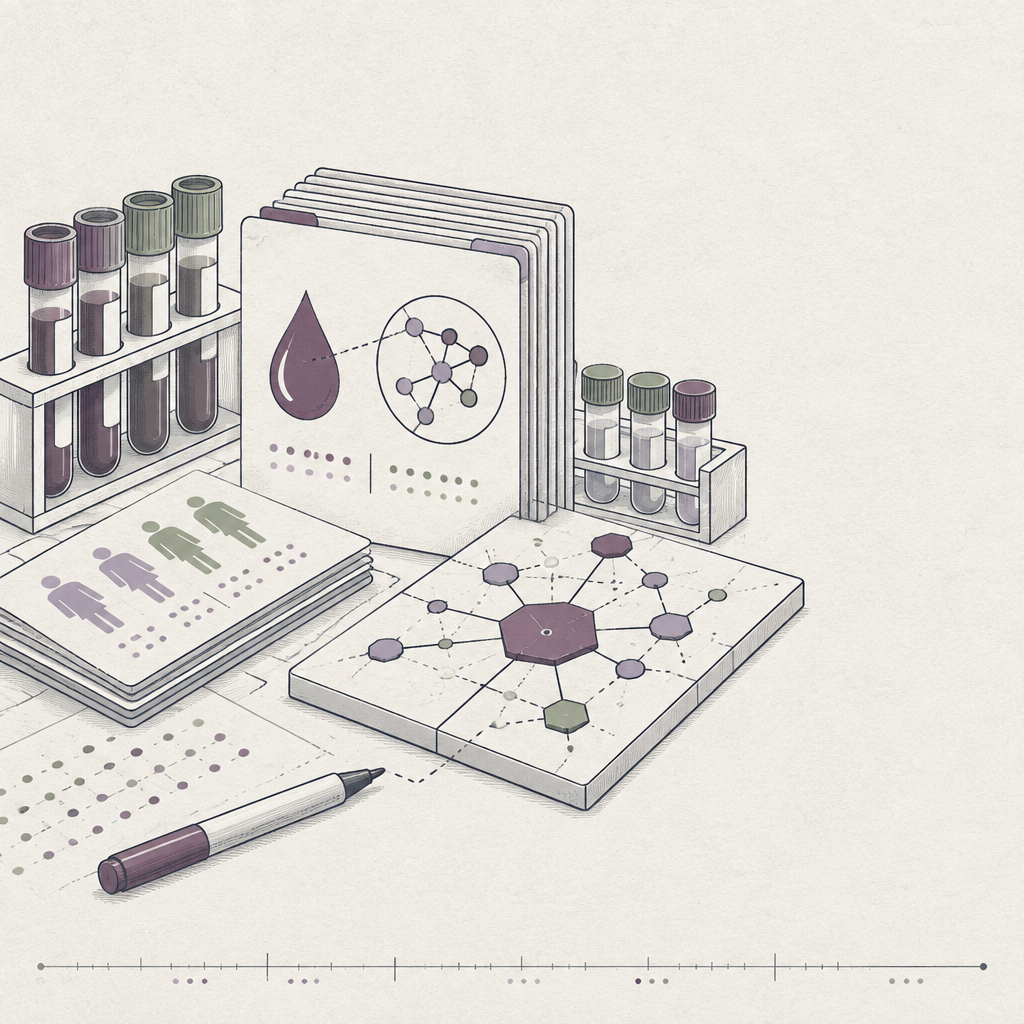
A team analyzing blood plasma across tinnitus patients and controls identified distinct circulating microRNA and inflammatory protein signatures that reliably track phantom auditory perception. The condition affects roughly 15% of adults globally, yet clinical diagnosis has relied entirely on subjective self-reporting until now.
The architecture take
For decades, doctors handed tinnitus patients a sound machine, blamed ear hair cells, and quietly filed the ringing under untreatable sensory exhaustion. Finding a measurable molecular signature in peripheral blood blows that entire dismissive playbook apart. Tinnitus is not a localized ear glitch; it behaves like a chronic neuroinflammatory state where central auditory circuits stay locked in hyperactive gain. When peripheral sensory input drops or auditory nerves suffer low-grade damage, the dorsal cochlear nucleus dials up its internal amplification, and the brain starts perceiving neural static as permanent sound. I find this shift huge because validating an objective blood marker finally gives clinical trials something concrete to test anti-inflammatory compounds, vagal stimulation protocols, and glutamate regulators against. Watch how fast tinnitus clinics pivot from sound-masking headphones to systemic nervous system and neuroinflammation protocols over the next eighteen months.