news
Acute inflammation directly blunts social drive and pleasure, trial finds
Researchers triggered acute systemic inflammation in healthy women using an endotoxin in a double-blind, placebo-controlled trial. The resulting cytokine spike reliably suppressed reward processing and social motivation within hours, operating independently of overt fever or physical sickness. It provides clear experimental evidence that immune activation actively alters social appetite.
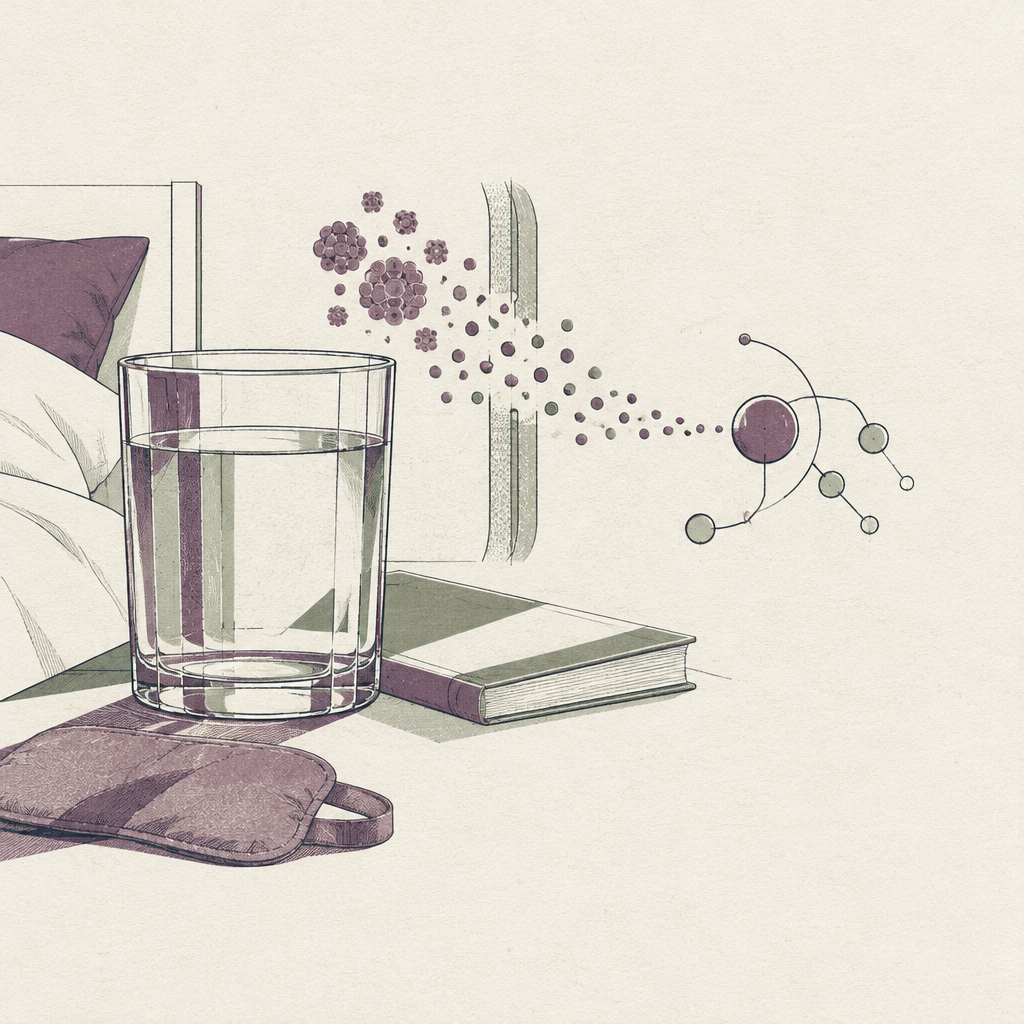
Researchers triggered acute systemic inflammation in healthy women using an endotoxin in a double-blind, placebo-controlled trial. The resulting cytokine spike reliably suppressed reward processing and social motivation within hours, operating independently of overt fever or physical sickness. It provides clear experimental evidence that immune activation actively alters social appetite.
The architecture take
I cancelled dinner three times last month because my body felt heavy and flat. I used to blame my discipline when that happened. Boring physiology wins again. Peripheral inflammation talks straight to the brain's reward circuits. When inflammatory cytokines spike, they cross the blood-brain barrier and dial down dopamine release in the ventral striatum. Your nervous system shuts off the anticipation of fun to reroute energy toward immune defense (a very sensible evolutionary trade). The trial triggered this acutely with endotoxin in healthy women, but millions of us run a milder version on ordinary Tuesdays through poor sleep, lingering bugs, or chronic gut irritation. I spent years misreading my quiet days as mood slumps rather than tissue repair. Watch clinical psychiatry start treating social withdrawal as an inflammatory biomarker over the next two years. Wanting to see people requires a quiet immune system.