trend
Two years into GLP-1s, treats rebound while alcohol keeps falling
New longitudinal consumer data from The New Consumer shows grocery spending for GLP-1 patients holds steady at 24 months, with specialty snacks rebounding while alcohol sales continue a downward slide. The findings reveal how chronic peptide use shifts household habits once the initial appetite suppression levels off. While the stomach adapts to smaller portions, the blunted desire for a nightly drink appears permanent.
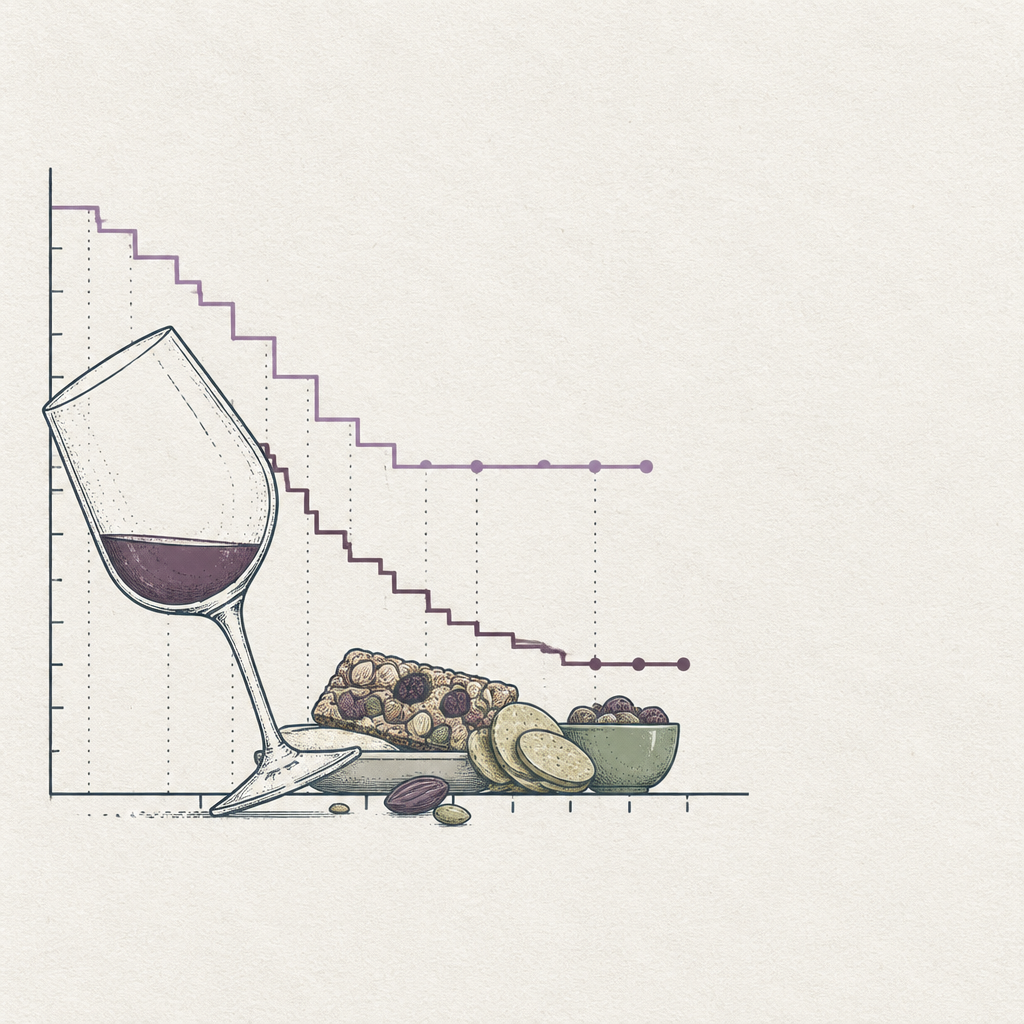
New longitudinal consumer data from The New Consumer shows grocery spending for GLP-1 patients holds steady at 24 months, with specialty snacks rebounding while alcohol sales continue a downward slide. The findings reveal how chronic peptide use shifts household habits once the initial appetite suppression levels off. While the stomach adapts to smaller portions, the blunted desire for a nightly drink appears permanent.
The architecture take
I used to assume that taking a GLP-1 meant kissing sweet cravings goodbye forever. Two years of consumer basket tracking prove me wrong: after the initial stomach slowdown wears off, people still want high-reward snacks. What stayed suppressed was booze. That matches what neurobiology tells us about central GLP-1 receptors in the ventral tegmental area. The drug dials down the mesolimbic dopamine hit you get from drinking an IPA after a grueling day. Food is biologically necessary, so your hunger cues eventually negotiate a truce with the peptide. Alcohol is purely recreational, and once the brain stops getting its cheap dopamine payoff, the ritual falls away without much drama. I find that shift far more interesting than the waistline numbers. If you sell craft beer or evening escapism, your customer base is steadily evaporating. I bet beverage companies rush into functional herbs by autumn.