news
Premature Birth Rewires Cerebellar Circuits Instead of Delaying Them
Researchers at Children's National published findings in Science showing that preterm birth actively alters the molecular programming of cerebellar Purkinje and granule cells. The shift explains why premature infants often face motor and language delays without visible tissue damage. The data overturns the long-standing belief that early nervous systems simply need extra calendar time to catch up.
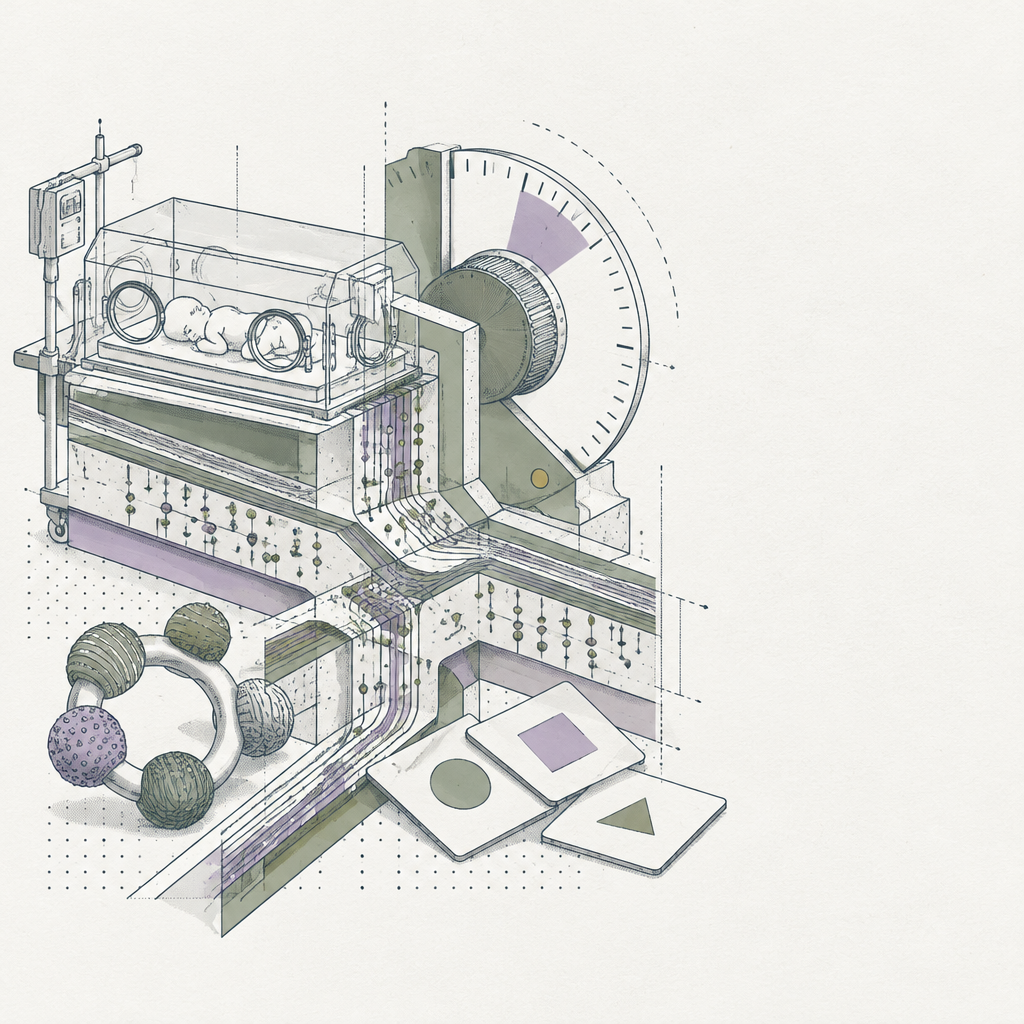
Researchers at Children's National published findings in Science showing that preterm birth actively alters the molecular programming of cerebellar Purkinje and granule cells. The shift explains why premature infants often face motor and language delays without visible tissue damage. The data overturns the long-standing belief that early nervous systems simply need extra calendar time to catch up.
The architecture take
I used to assume premature development was just a calendar problem. The standard line was simple: give a premature baby another six months, and the nervous system settles into the same baseline as a full-term infant. I spent years watching parents get told their kid would simply catch up by age two (and pediatricians repeated it with complete confidence). This Science paper upends that narrative. When Purkinje and granule cells in the cerebellum mature in a dry, loud crib instead of amniotic fluid, they don't pause. They rewire their molecular programs under entirely different sensory input. The cerebellum controls motor rhythm and sensory filtering, so altered connectivity shows up later as coordination struggles, language delays, and sensory overload. Timing changes the wiring. Now I look at early developmental support as active sensory regulation from week one. Next-generation neonatal care will focus heavily on sound and touch buffering to protect developing circuits.