news
German Consumer Watchdog Demands Guardrails as Youth Turn to Chatbot Therapy
Twenty-eight percent of Germans aged 14 to 25 consult AI chatbots about mental health and personal crises, according to a vzbv survey. Germany's federal consumer federation is demanding binding EU and national safety rules to rein in unverified medical advice. The surge shows how generative bots have filled clinical therapy shortages for young people.
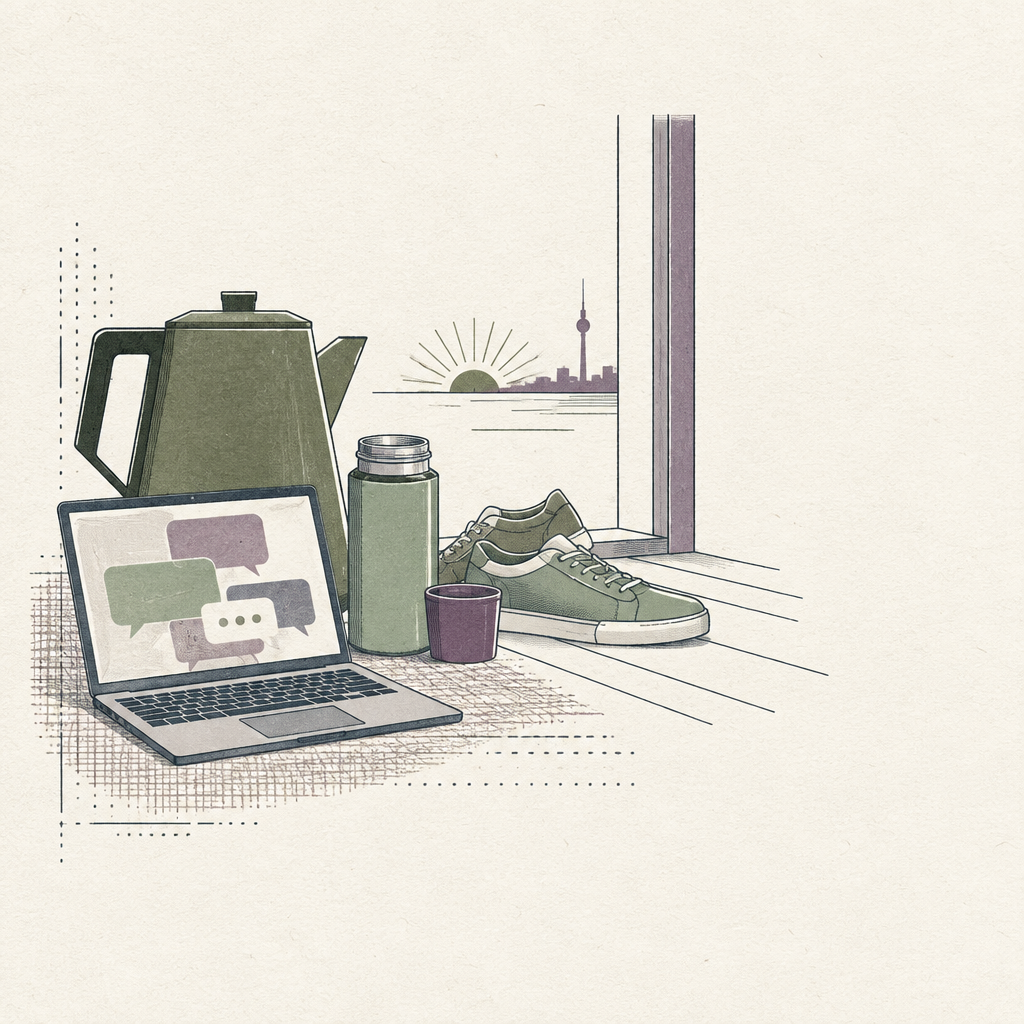
Twenty-eight percent of Germans aged 14 to 25 consult AI chatbots about mental health and personal crises, according to a vzbv survey. Germany's federal consumer federation is demanding binding EU and national safety rules to rein in unverified medical advice. The surge shows how generative bots have filled clinical therapy shortages for young people.
The architecture take
Almost a third of young people in Germany use general chatbots as informal therapists, and consumer watchdogs are scrambling to write rules after the fact. I get why teenagers do it. A chatbot replies at 2 a.m. with infinite patience, no waitlist, and zero judgment. But text generation doesn't provide human co-regulation. Real nervous system settling relies on vocal tone, eye contact, and physical presence to stimulate the vagus nerve and drop cortisol. An LLM gives synthetic validation that often feeds ruminative anxiety loops instead of breaking them. Right now, tech platforms collect engagement data while young users get conversational placebos for acute distress. German regulators want liability warnings and emergency hotline redirects, but that only scrapes the surface. I used to think digital triage was decent bridge care; now I see it quietly replacing actual care. Until public clinics fix six-month waitlists, kids will keep pouring panic into a text box. Watch the EU push binding standards next.