news
Ozlo Raises $22M to Scale Noise-Masking Sleep Earbuds
Sleep startup Ozlo closed a $22 million Series A funding round to scale its biometric, noise-masking Sleepbuds. Founded by former Bose engineers who acquired the tech after Bose discontinued its line, the $299 device combines sleep staging sensors with active audio masking. The capital injection targets manufacturing expansion as consumer demand shifts from passive sleep tracking toward active sensory defense.
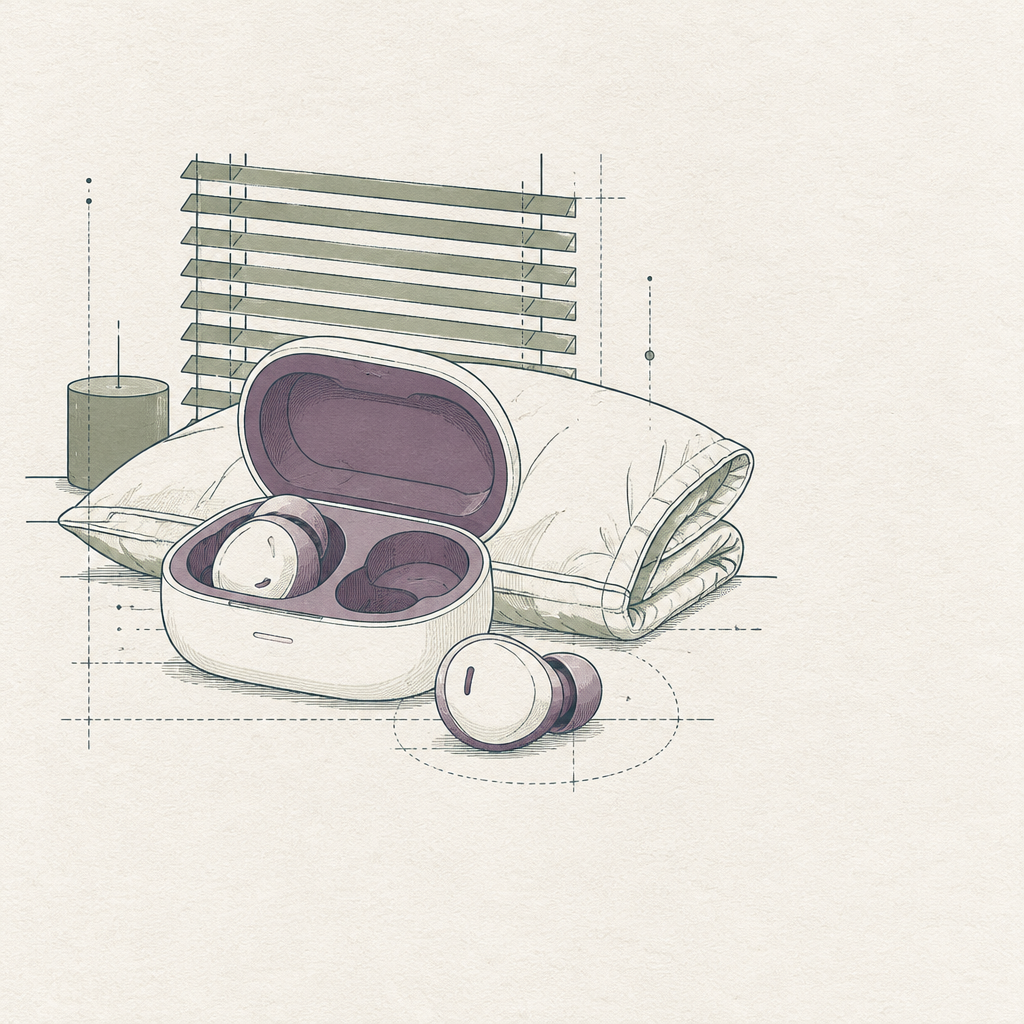
Sleep startup Ozlo closed a $22 million Series A funding round to scale its biometric, noise-masking Sleepbuds. Founded by former Bose engineers who acquired the tech after Bose discontinued its line, the $299 device combines sleep staging sensors with active audio masking. The capital injection targets manufacturing expansion as consumer demand shifts from passive sleep tracking toward active sensory defense.
The architecture take
I spent two years convinced active noise cancellation was the only fix for bedroom sensory spikes until a pair of white-noise buds proved me wrong. When Bose killed its Sleepbuds line in 2023, three former engineers bought the tech back, founded Ozlo, and just raised $22 million to put biometric audio directly in your ears while you rest. Morning recovery scores are cheap. Sensory quiet is rare. Acoustic masking at roughly 45 to 50 decibels keeps your auditory cortex calm without isolating you so completely that baseline vigilance spikes. I used to think sleeping with earbuds sounded completely unhinged, but muting nocturnal static protects slow-wave sleep and keeps cortisol flat until dawn. Tracking sleep staging is simple. Actually defending circadian rest from a noisy city is where hardware gets interesting, and I don't think mainstream wearable brands will wait long to copy this active shielding model.