news
Hysterectomy Linked to 23% Higher Type 2 Diabetes Risk
A 15-year study of over 82,000 women found having a hysterectomy was associated with a 23% increased risk of developing type 2 diabetes. The heightened metabolic risk persisted even when women retained their ovaries. The findings point to an overlooked link between uterine surgery and long-term glucose regulation.
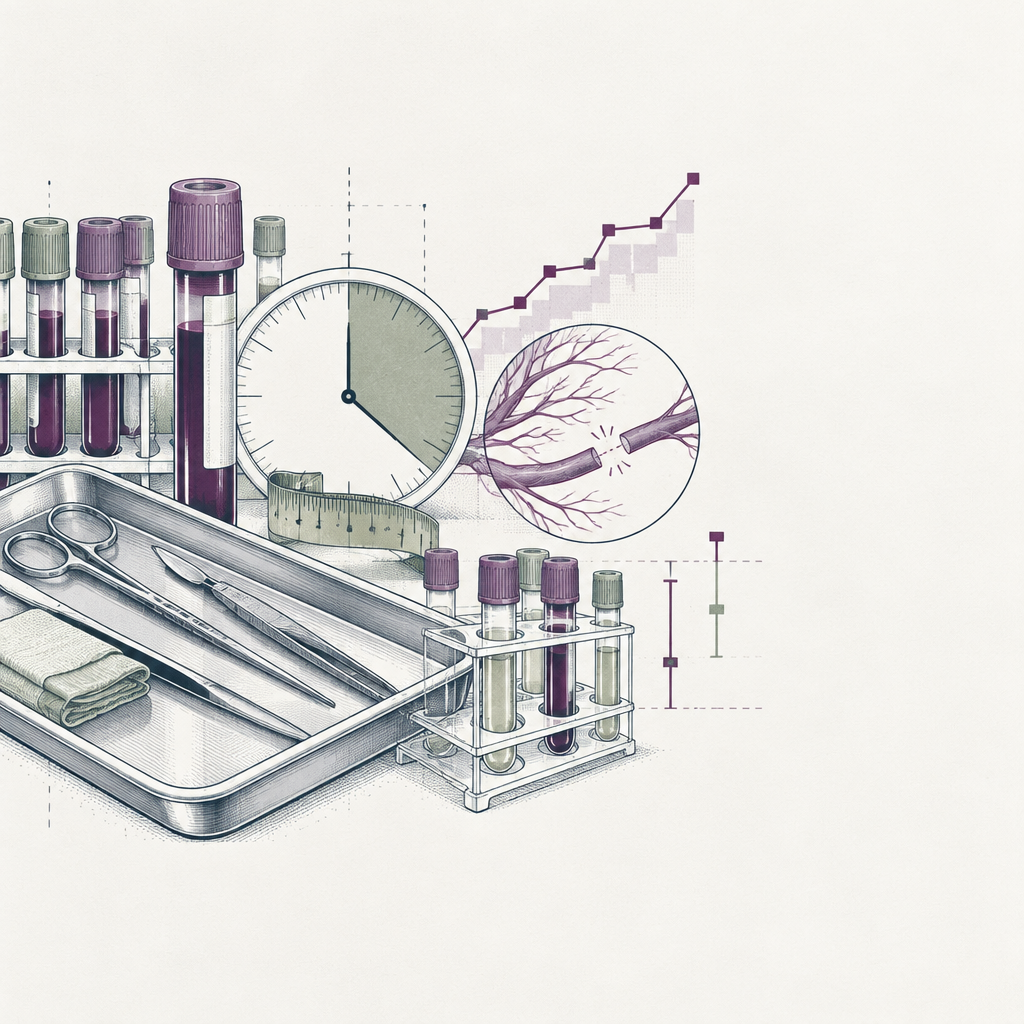
A 15-year study of over 82,000 women found having a hysterectomy was associated with a 23% increased risk of developing type 2 diabetes. The heightened metabolic risk persisted even when women retained their ovaries. The findings point to an overlooked link between uterine surgery and long-term glucose regulation.
The architecture take
Surgeons love to tell women that keeping ovaries protects their metabolism, but it doesn't always work that way. I used to assume that as long as the ovaries stayed intact after a hysterectomy, endocrine disruption was off the table. A cohort of over 82,000 women tracked for fifteen years showed the opposite: the procedure bumped type 2 diabetes incidence by 23%. When surgeons remove the uterus, they sever collateral ovarian blood flow. That microvascular hit often triggers early ovarian aging years ahead of schedule, dropping circulating estradiol. Estrogen directly protects beta-cell insulin secretion and keeps glucose uptake sharp in skeletal muscle. Hormones govern your metabolism. I still see surgical discharge packets that treat the uterus like an isolated part with zero metabolic reach. (A basic fasting insulin panel seems like the bare minimum.) I wouldn't wait for routine hospital guidelines to acknowledge that connection. Get your blood sugar checked annually.