trend
Global femtech market tops $52 billion as hormone tracking goes mainstream
Statista valued the global femtech sector at nearly $52 billion, marking an expansion rate that outpaces broader digital health. The surge reflects rising demand for diagnostic tools covering perimenopause, fertility, and cycle-phase hormonal shifts. It pushes women's health away from infrequent doctor visits toward continuous biometric tracking.
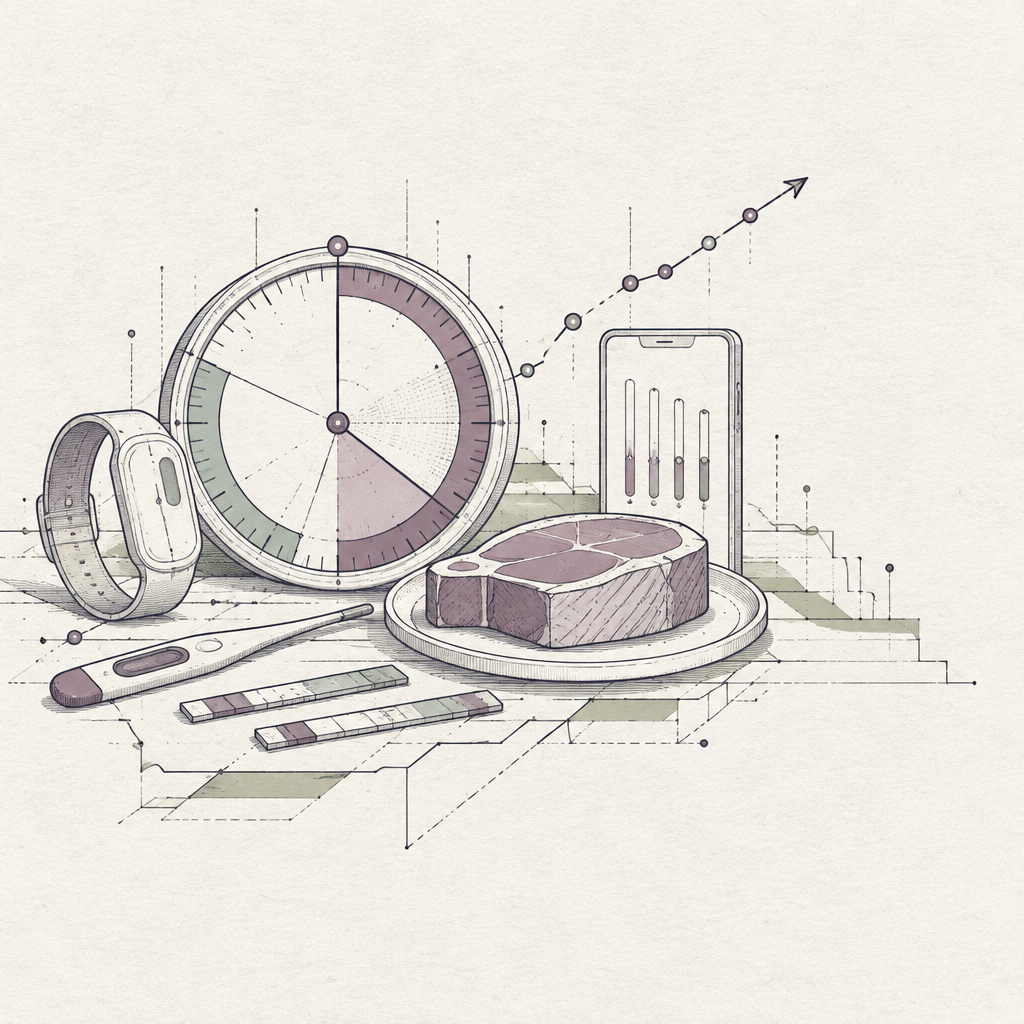
Statista valued the global femtech sector at nearly $52 billion, marking an expansion rate that outpaces broader digital health. The surge reflects rising demand for diagnostic tools covering perimenopause, fertility, and cycle-phase hormonal shifts. It pushes women's health away from infrequent doctor visits toward continuous biometric tracking.
The architecture take
Fifty-two billion dollars sounds massive until you see how much of it went toward rebranding simple calendar logs as hormone intelligence. For two years, I assumed the femtech wave was mostly pink plastic and speculative venture cash. I was dead wrong. The real momentum has moved toward measurable endocrine mechanics: continuous basal body temperature sensors, urine strips tracking luteinizing hormone and progesterone, and perimenopause platforms addressing estrogen dropoffs. Women have stopped accepting that fluctuating energy, insomnia, and mid-cycle brain fog are just daily stress. When estrogen drops in the late luteal phase or swings in your forties, sleep fragments and baseline cortisol climbs. That's pure biology. I watch this expansion into midlife metabolic health with genuine relief. The winners over the next three years won't be apps guessing bleed dates. They'll be the devices that help women adjust training volume, protein targets, and rest around verified hormonal shifts. (About time, frankly.)