news
Piezoelectric Toothbrush Uses Tiny Electrical Currents to Cut Gum Inflammation
Researchers developed a toothbrush with bristles that generate mild electrical charges each time they flex against enamel. In laboratory tests, the microcurrent disrupted stubborn bacterial biofilms and reduced localized gum inflammation without harsh antiseptics. It offers a practical fix for oral bacteria that quietly drive systemic inflammatory load.
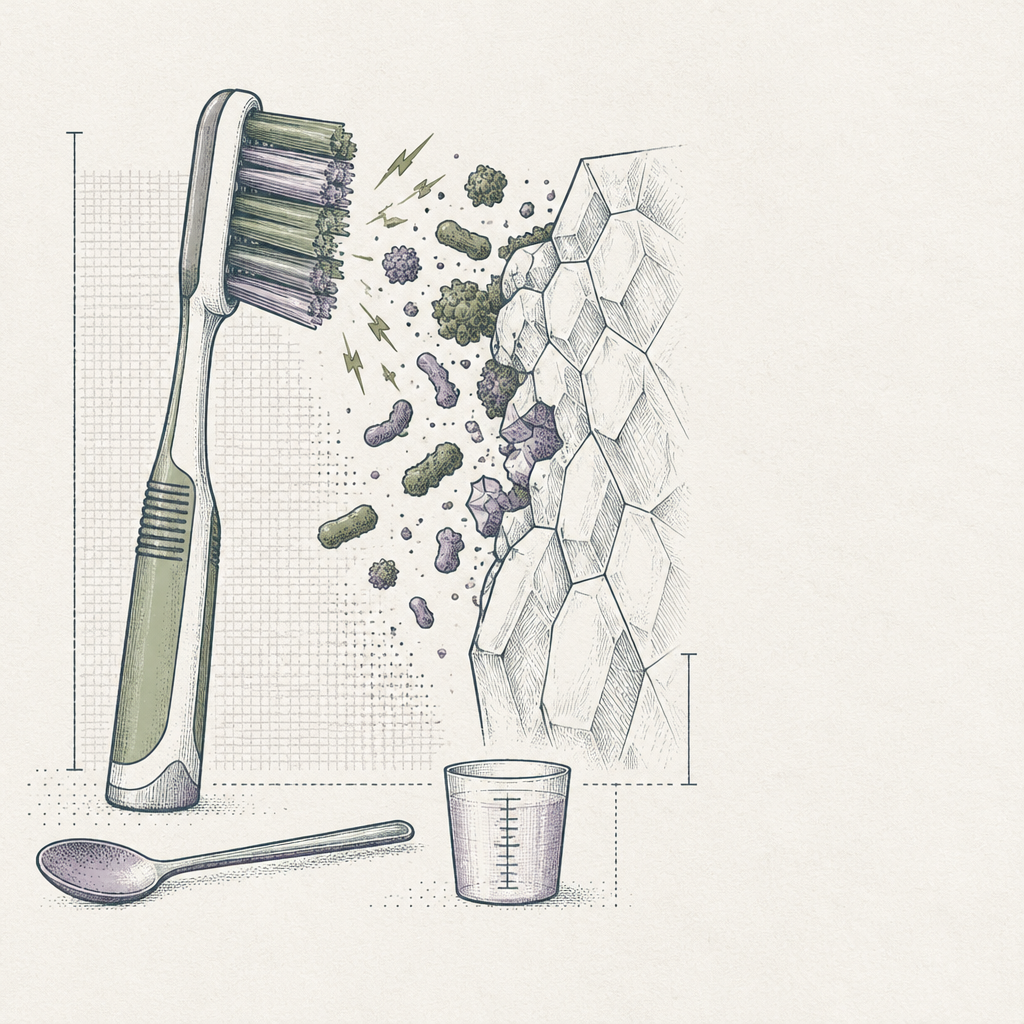
Researchers developed a toothbrush with bristles that generate mild electrical charges each time they flex against enamel. In laboratory tests, the microcurrent disrupted stubborn bacterial biofilms and reduced localized gum inflammation without harsh antiseptics. It offers a practical fix for oral bacteria that quietly drive systemic inflammatory load.
The architecture take
I used to write off high-tech toothbrushes as pure consumer bait designed to extract sixty dollars for a motor. I changed my mind once the data on oral biofilms and systemic inflammation started piling up. Chronic gum inflammation leaks bacterial toxins into the bloodstream, nudging up high-sensitivity C-reactive protein and keeping your vascular baseline irritated. This prototype skips the heavy vibrations and uses mechanical pressure to create an electric field. That microcurrent breaks the electrostatic bonds holding plaque together while punching holes in bacterial membranes. Electric charges do the work. I brush twice daily like everyone else, but mechanical scraping only reaches what bristles physically hit. If this material scales into commercial handles, oral care moves away from nuking the entire mouth with harsh antiseptics. The real win is protecting the oral microbiome while damping down chronic low-grade inflammation.