trend
Femtech market hits 52 billion dollars as hormone tracking matures
Statista data values the global femtech sector at nearly 52 billion dollars, outgrowing the broader digital health market. Capital has shifted rapidly from simple calendar period trackers toward clinical perimenopause support, at-home hormone diagnostics, and metabolic tools. It signals that women are done accepting generic health baselines designed around male physiology.
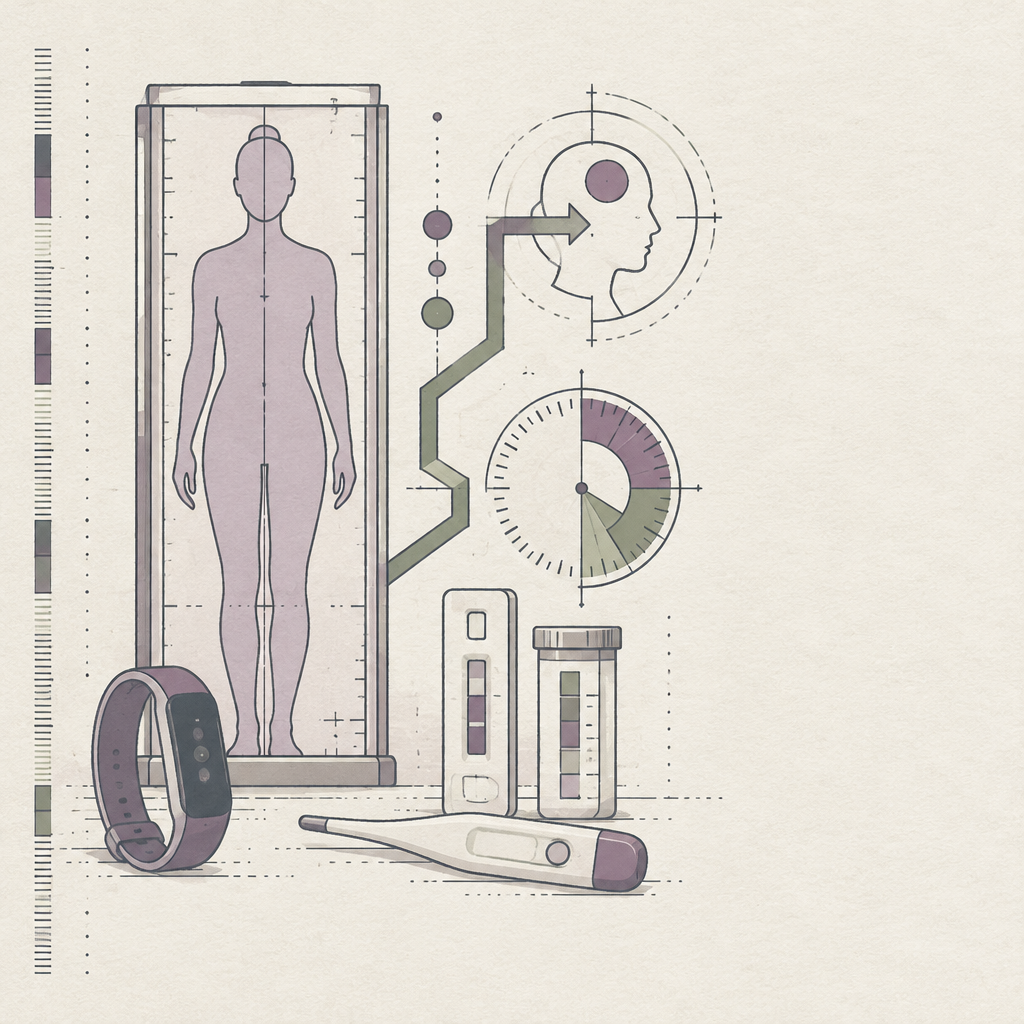
Statista data values the global femtech sector at nearly 52 billion dollars, outgrowing the broader digital health market. Capital has shifted rapidly from simple calendar period trackers toward clinical perimenopause support, at-home hormone diagnostics, and metabolic tools. It signals that women are done accepting generic health baselines designed around male physiology.
The architecture take
Treating female biology as an edge case in digital health was always bad business. I used to track my cycle on apps that basically guessed ovulation based on a standard 28-day model, which works until stress spikes your cortisol and delays your luteal phase by five days. That 52 billion dollar valuation reflects a much smarter wave of hardware and software measuring actual physiology. We are seeing basal body temperature sensors, urine metabolite strips for progesterone and LH, and targeted HRT delivery platforms that treat estrogen drops as treatable neuroendocrine events rather than personal endurance tests. The real shift is in symptom management: night sweats, brain fog, and sudden sleep disruption are being tracked alongside HRV and fasting glucose. Watch metabolic device makers rush to add cycle-phase mapping next, because selling flat twenty-four-hour biohacking protocols to people with fluctuating twenty-eight-day endocrine rhythms is finally hitting a wall.