news
Industrial water pollution linked to progressive brain disease in 25-year study
A 25-year study of 500,000 adults published in Neurology links industrial water runoff to progressive supranuclear palsy, a severe neurodegenerative disorder. Proximity to facilities dumping heavy metals, pesticides, and organic solvents significantly elevated disease risk. The findings identify environmental toxins in local waterways as an overlooked driver of abnormal tau accumulation and brain aging.
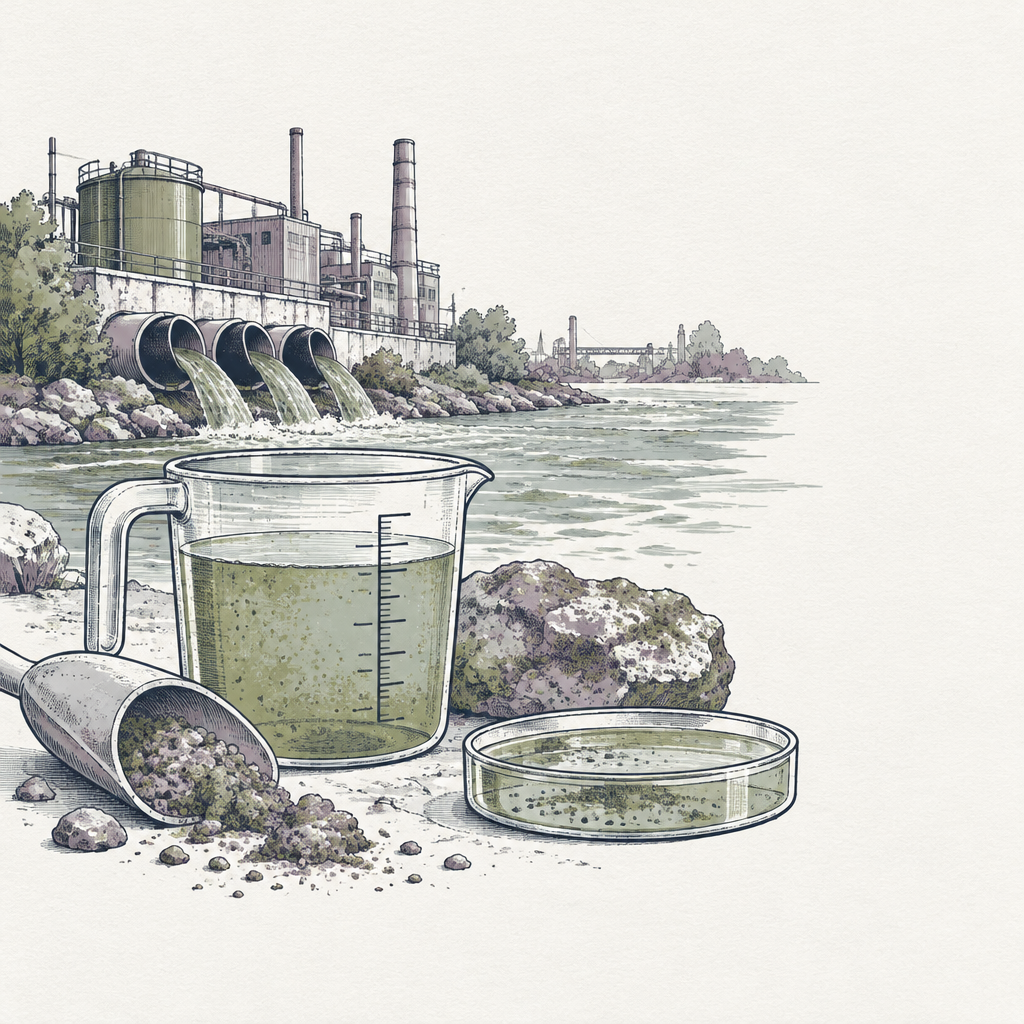
A 25-year study of 500,000 adults published in Neurology links industrial water runoff to progressive supranuclear palsy, a severe neurodegenerative disorder. Proximity to facilities dumping heavy metals, pesticides, and organic solvents significantly elevated disease risk. The findings identify environmental toxins in local waterways as an overlooked driver of abnormal tau accumulation and brain aging.
The architecture take
I used to think environmental neurotoxin warnings were mostly alarmist noise designed to sell whole-house filters. This paper changed my mind. Researchers tracked 500,000 people over 25 years to study progressive supranuclear palsy, a brutal movement disorder where toxic tau tangles damage the brainstem and basal ganglia. The signal held up: living downstream from industrial sites discharging pesticides, heavy metals, and organic solvents correlated with significantly higher disease rates. People spend fortunes debating whether red light or cold plunges extend cellular lifespan, but water quality hits baseline mitochondrial function long before any high-tech gadget can help. Heavy metals cross the blood-brain barrier and trigger chronic microglial inflammation, speeding up protein misfolding. That isn't something you can biohack away with a sauna blanket. Clean water is basic biology, yet regulatory limits for industrial runoff remain remarkably permissive. I ordered an independent lab test for my own tap the day I finished reading the trial.