Trends & News — the smart insider's daily desk

A daily-updated desk of what's moving across wellness and health: launches, openings, consumer-signal data, market forecasts, peer-reviewed research, and policy — each read through a nervous-system lens.

Every published item

  • Anthropic's Claude AI Now Runs Physical Lab Experiments Solo

    news · 2026-09-07 · Singularity Hub

    Anthropic's Claude AI can now independently conduct science experiments in a physical lab, controlling equipment and analyzing results. This new system allows the AI to develop hypotheses and execute complex procedures without human intervention. It signals a shift toward accelerated discovery in fields like materials science and drug development.

    Sabin's take. AI running a lab by itself sounds like science fiction, but Claude is now doing it. While the immediate use cases are in materials science, the ripple effect on drug discovery and personalized medicine is what I'm watching. Imagine AI designing novel compounds for neuroinflammation or optimizing peptide sequences without waiting for a human to pipette. This isn't just about faster research; it's about exploring chemical spaces humans might overlook, potentially leading to new therapies for conditions tied to things like neurotransmitter balance or gut microbiome health. The speed at which new formulations could be tested, refined, and brought to preclinical stages changes the game. It makes the 'personalized' promise of wellness much more tangible, much faster. The question isn't *if* this impacts human biology, but *when* and *how* quickly.

    #biotech #research #longevity #nervous-system #mental-health #nutrition

  • Fruit fly brain mapped twice, reveals neuron differences

    news · 2026-09-06 · Ars Technica - Science & Health

    Scientists at the University of Cambridge and Johns Hopkins completed the full 'connectome' of a male fruit fly brain, detailing every neuron and connection. This follows their prior map of a female fly's brain, showing differences in how male and female brains are wired. The work, published in *Nature*, took 12 years and identifies around 135,000 neurons and 50 million connections.

    Sabin's take. I get the urge to map everything, but mapping a fruit fly's entire brain down to the last synapse doesn't tell us much about our own nervous system just yet. It's a huge technical feat, sure, but what can I actually *do* with this information today? It shows how complex even a tiny brain is, and how different male and female brains can be, even in flies. I'm more interested in what this reveals about the fundamental rules of brain wiring — the universal principles. This kind of deep, granular work might eventually help us understand how our own brains handle things like stress or learning at a cellular level, but that's a long way off. For now, it's a good reminder that your brain is doing a lot more than you think, even when you're just trying to decide if you need more coffee.

    #research #nervous-system #biotech #longevity #mental-health

  • Indigenous 'Baiga Olympics' Preserve Traditional Movement Practices

    news · 2026-09-06 · The Better India (Health)

    India's Baiga tribal community hosts an annual 'Baiga Olympics' in Madhya Pradesh, using traditional tools like gunny sacks, earthen pots, and bows for sports. The festival, first held in 2015, aims to preserve the community's cultural heritage and distinct physical skills. It highlights movement patterns rooted in daily life and intergenerational knowledge.

    Sabin's take. You think you're working out? The Baiga Olympics are a masterclass in functional movement, stress resilience, and deep cultural connection. These aren't just games; they're a living archive of human movement, built from generations of hunting, gathering, and navigating their terrain. We're so obsessed with quantifying every rep and calorie, we forget that real strength often comes from moving how our ancestors moved — using what's available, adapting to the environment, and linking physical effort to community. This kind of dynamic, varied load, integrated into daily life, is probably a better nervous system regulator than any gym program I've seen. It's a reminder that sometimes the 'ancient wisdom' is just a better way to live and move. I wonder what my VO2 max would be if I had to run with a sack of grain.

    #culture #fitness #recovery #nervous-system #longevity #consumer-signal

  • Farmed salmon losing key nutrients, new research warns

    news · 2026-09-06 · Ars Technica - Science & Health

    New research suggests farmed salmon's nutritional content is changing, with declining levels of crucial omega-3s, vitamin B12, and selenium. This shift is linked to changes in the fish's feed, impacting both its health benefits for humans and environmental sustainability. For anyone relying on salmon for specific nutrients, this means tracking sourcing just got more complicated.

    Sabin's take. So, the salmon you're buying might not be hitting the same as it used to. I’ve seen this coming for a while, honestly. This isn't just about 'less healthy' fish; it's a direct hit to your intake of vital omega-3 fatty acids, which are huge for brain health, inflammation, and nervous system regulation. When the feed changes from marine-based to plant-based, the fish's own metabolic profile shifts. You lose out on the good stuff: DHA and EPA. Think of it like this: what goes into the fish ends up in you. If their diet is watered down, so are the downstream benefits to your gut, hormones, and cognitive function. This is less about farming methods, and more about the food chain. My next move? I'm checking sources and maybe throwing some microalgae into my own routine to cover my bases.

    #research #nutrition #gut #nervous-system #inflammation #longevity

  • Nature retracts global warming drought study

    news · 2026-09-06 · Nature News

    A paper in Nature claiming global warming accelerates drought severity was retracted due to errors in data analysis. The original 2023 study by Li et al. had used the Palmer Drought Severity Index (PDSI), which overstated the impact of warming on drought trends by not fully accounting for plant water use.

    Sabin's take. I always said the nuance matters. A big Nature paper gets pulled because the data wasn't clean enough on a huge topic like climate and drought. The original study overemphasized warming's effect on drought by using a specific index (PDSI) that didn't fully factor in how plants actually use water. This is a crucial detail for anyone trying to understand their nervous system in the context of a changing planet, because perceived threats, even when based on flawed data, still add to the static. It's a reminder that even peer-reviewed science needs constant re-evaluation. My take: it doesn't mean climate change isn't real or impactful, but it means the precise mechanisms and their speed are still being sorted. Focus on what you can control, like your own body's resilience, while the big picture gets less fuzzy.

    #climate #research #nervous-system #mental-health

  • New chemical method boosts ketone molecule size for pharma

    news · 2026-09-06 · Nature News

    Researchers in Nature have developed a new palladium-catalyzed method to extend ketone molecular chains, a process called homologation. This chemical advance allows for more precise and efficient creation of larger ketone bodies, which could impact future drug development and nutritional supplement formulation. It offers a new pathway for synthesizing complex molecules related to metabolic health.

    Sabin's take. Okay, so this isn't about your keto diet hitting a new gear, but it definitely matters for how new health products might get made. Scientists figured out a way to stitch more carbon atoms onto ketone molecules, essentially making them bigger and more complex. Think of it like adding extra links to a chain, really cleanly. This kind of precise chemical engineering is crucial because our bodies respond differently to various ketone structures, not just 'ketones' as a monolithic thing. This method, detailed in *Nature*, means future therapeutics — maybe even new GLP-1 analogues or other metabolic regulators — could be built with more specific biological activity, and perhaps fewer side effects. What to watch for: labs trying to use this to synthesize harder-to-get metabolic compounds, making them cheaper or more bioavailable. I'm keeping an eye on who patents specific applications of this chemistry.

    #research #biotech #nutrition #longevity #metabolism #supplement

  • US military eyes NIH funds for brain research

    news · 2026-09-06 · Nature News

    The US military plans to access significant funding from the National Institutes of Health (NIH) to fast-track brain-related research, focusing on areas like human performance, brain-computer interfaces, and resilience to stress. This move aims to accelerate discoveries with defense applications but raises concerns about research independence and ethical oversight. It means more investment in understanding the nervous system, but with strings attached.

    Sabin's take. The military wants more brain power, and they're looking to the NIH's billions to get it. They're not just interested in performance tech like brain-computer interfaces, but also how to make minds more resilient under extreme stress. Think: understanding cortisol responses, optimizing neurotransmitter balance, and boosting neural plasticity, all to keep a nervous system from fraying under pressure. My bet is this pushes research into things like psychedelics for resilience, advanced biofeedback, and even genetic factors for stress tolerance. It's a huge influx of cash that changes the research priorities of some very smart people. I just hope the ethical guardrails don't get overlooked in the rush for military applications. What gets funded will trickle down, eventually showing up in civilian wearables and therapies. Watch for new biomarkers of resilience, and new protocols for regulating brain states under load.

    #policy #research #biotech #nervous-system #mental-health #longevity

  • SupplySide Connect hosts supplement industry in New Jersey

    news · 2026-09-06 · SupplySide Supplement Journal

    SupplySide Connect is bringing supplement industry insiders together in New Jersey. This event is a chance for brands to scout new ingredients, suppliers, and trends. For me, it's a signal of what's about to hit shelves and impact our biology.

    Sabin's take. I usually don't care about trade shows, but SupplySide is different because it's where the raw materials for your next supplement are decided. These events are where the trends get baked in months before you ever see them in a capsule or powder. What gets pitched here? Often, it's the next big thing for gut health, inflammation, or hormonal balance — ingredients that promise to nudge your physiology in a specific direction. They're talking about novel forms of magnesium for sleep, specific probiotic strains for mood, or adaptogens for stress resilience. The vibe in these halls dictates what ends up in your daily stack. The conversations now are what you'll be putting into your body next year. So, when I see these events, I'm thinking about which bodily systems are getting the most attention from ingredient suppliers right now, and which ones are about to be flooded with new formulations.

    #event #trade-show #supplement #longevity #gut #nervous-system

  • Cyborg cockroaches deliver meds, map disaster zones

    news · 2026-09-06 · Wired Science

    Scientists at Wired Science embedded electrodes, cameras, and medication injectors into live cockroaches, creating remote-controlled cyborgs. These tiny bots can navigate rubble to deliver life-saving drugs to trapped victims. The tech hints at a future where small, agile bio-machines handle precision medical interventions in inaccessible spaces.

    Sabin's take. So, cyborg cockroaches. My first thought was 'hard pass' on the bug situation, but this changes the game for emergency medicine. Imagine getting insulin or an epi-pen to someone trapped deep in wreckage, past what drones or human medics can reach. That's the real power here: targeted, immediate intervention in moments when every second counts for the nervous system. The mechanism is a small, deployable drug delivery system using an organic host. It’s wild, but it means someone in a crisis might get a dose of whatever they need to stabilize their vitals, directly and fast. It also lets us map and assess damage in places too risky for humans. The ethical questions around using living creatures for this are real, I get it. But the utility in a true disaster scenario? It could genuinely tip the scales from survival to fatality.

    #device #biotech #longevity #recovery #nervous-system #research

  • Healthcare AI needs bias check to impact patients

    news · 2026-09-06 · Healio - Psychiatry & Mental Health

    Hematologist Chadi Nabhan, MD, MBA, argues AI will be ubiquitous in healthcare, but only if issues of data bias and integrity are properly addressed. He believes clinicians who leverage AI effectively will have a greater impact on patient outcomes. The challenge is ensuring AI models aren't perpetuating existing health disparities.

    Sabin's take. Everyone's talking about AI in healthcare, but the real news here is the unspoken warning: if we just build faster systems on bad data, we'll just encode our biases at warp speed. That's how you widen, not close, health equity gaps. My guess is we'll see a surge in specialized AI auditing firms, focused entirely on sniffing out algorithmic bias in mental health diagnoses, treatment recommendations, and even drug development, where certain populations might be underrepresented. This isn't some abstract ethical debate; it's about whether your care pathway gets flagged differently based on demographics that AI shouldn't even register. The body doesn't lie, but the data we feed these machines often tells a skewed story about whose body matters. I don't think it's an 'if' AI changes things, but a 'for whom' it actually works.

    #mental-health #nervous-system #report #biotech #policy #longevity

  • Chaos theory play inspired breast cancer treatment change

    news · 2026-09-06 · The Lancet

    A 1993 play, Tom Stoppard's "Arcadia," inspired surgical oncologist Michael Baum to apply chaos theory to breast cancer cells. This led to the development of adjuvant systemic chemotherapy, significantly improving patient survival. The unexpected link between art and medical innovation was revealed after Stoppard's death in 2025.

    Sabin's take. Sometimes, the weirdest connections spark real change. An oncologist watches a play about chaos theory, and suddenly he's looking at cancer cells not as isolated problems, but as part of a dynamic, unpredictable system. That's a huge mindset shift, moving from linear cause-and-effect to understanding how small changes can cascade into large outcomes within the body. What he did was apply a systems-level view to a very complex biological process, and it worked. This isn't about finding a "cure" in art; it's about how new perspectives — even from a play — can redefine how we approach chronic illness and how our cells behave under stress. It changes how we think about inputs and outputs when it comes to the body's biggest battles.

    #research #longevity #biotech #nervous-system #hormones #mental-health

  • Indian scientist launches Sophab, a produce wash for pesticides

    news · 2026-09-06 · The Better India (Health)

    Pune-based scientist Dr. Asmita Prabhune developed Sophab, an organic produce wash designed to remove up to 99% of pesticide residues from fruits and vegetables. This comes after national testing found pesticide residues in one in five fruit samples, suggesting plain water isn't enough to clean them. Sophab uses natural salts and herbal oils, aiming to give consumers an accessible tool against common food contaminants.

    Sabin's take. Pesticides on our food aren't just an agricultural problem; they're a nervous system problem. Chronic low-level exposure to these neurotoxins isn't doing anyone any favors, even if the effects feel diffuse and hard to pin down. A 99% reduction, if it holds up to independent scrutiny, is a real number that changes the equation for what lands on your plate and in your gut. For too long, the advice was just 'wash your produce better.' But if even well-meaning people are eating a consistent dose of chemicals linked to metabolic disruption and inflammation, then 'better' wasn't cutting it. I’m always looking for a simpler way to mitigate load without overhauling my entire routine. This feels like one of those small, daily acts that add up. Watch for more products like this to hit the market, especially as consumers get smarter about how much goes into their bodies before they even sit down to eat.

    #launch #nutrition #gut #nervous-system #supplement #device

  • Former ARPA-H Director's AI Startup Transfyr Focuses on Clinical Data

    news · 2026-09-06 · STAT Health Tech

    Laura Esserman, former ARPA-H director, launched Transfyr, a new AI startup aiming to tackle "dumb problems" in clinical data. Instead of building complex new AI models, Transfyr is cleaning up the messy, inconsistent data already in electronic health records (EHRs). Their goal is to make existing data usable for real-time insights and better care coordination, starting with cancer. This isn't about shiny new algorithms; it's about making the inputs to those algorithms actually make sense.

    Sabin's take. Everyone's chasing cutting-edge AI, but Laura Esserman's new startup, Transfyr, is doing the boring-but-critical work of making data *before* the AI actually usable. She’s basically saying, 'your fancy AI is only as good as the garbage data you feed it.' That's what happens when you treat the symptom instead of the underlying mess. This isn't about brain scans or new drugs yet, but the downstream effect is real: cleaner data means less cognitive load for doctors, faster diagnoses, and fewer errors in treatment plans. It means your doctor can make better, faster calls when your nervous system is already in overdrive. Watch this closely; if they get this right, it unlocks clearer pathways for every other health AI trying to make sense of your body's story. Sometimes the unsexy stuff is the most important.

    #biotech #mental-health #nervous-system #longevity #research

  • New study explains how brains adapt to learn reading

    news · 2026-09-06 · Videnskab.dk (Health)

    Researchers at Radboud University and University Medical Centre Utrecht studied 150 adults and children to map the brain's reading network. They found that learning to read piggybacks on existing visual and language pathways, changing their structure to create new connections. This explains why some people struggle more with reading and how reading ability shapes brain function over time.

    Sabin's take. So, your brain wasn't built for reading, but it got really good at it anyway. That’s because the neural circuitry for reading isn't some unique, dedicated pathway. It’s a hack. Your visual cortex, which is good at recognizing objects and patterns, gets repurposed. And your language centers, which handle spoken words, learn to connect those visual patterns to sounds and meaning. The researchers observed this adaptation in 150 brains. It's a neat trick your brain pulls, a testament to its plasticity. This isn't just about reading speed; it's about how that constant engagement actually reshapes your gray matter over a lifetime. It reminds me that every skill, every habit, leaves a physical mark. Pay attention to what you're training it to do, even if it feels small. My own screen-time habit, for instance, probably looks like a superhighway in there.

    #research #nervous-system #mental-health #longevity #cognition

  • Drug transforms brain cells into new neurons, reverses Alzheimer's in mice

    news · 2026-09-05 · Singularity Hub

    Scientists developed a drug that, when injected, converts brain astrocytes into new neurons. In early studies, mice with Alzheimer's models showed significant symptom reversal compared to untreated peers. This research points to a potential new pathway for neurodegenerative disease treatment.

    Sabin's take. I keep seeing research like this and thinking about how much we misunderstand brain plasticity. This isn't just about repairing damage; it's about *regeneration* from within the brain itself, essentially coaxing existing cells to become something new. The mechanism here is neat: astrocytes, usually support cells, can be reprogrammed to become functional neurons. It worked in mice, and that's a huge hurdle to clear for neurodegenerative disease. If this ever makes it to humans, it bypasses the messy issue of external stem cell transplants, using the body's own resources. It's a long road from mouse model to human trials, sure, but what it signals is a shift away from just slowing decay toward actively rebuilding the neural network. Watch how the biotech funding shifts towards these in-situ reprogramming approaches in the next few years.

    #research #biotech #nervous-system #longevity #mental-health

  • DR Congo Ebola outbreak flags One Health policy gap

    news · 2026-09-05 · The Lancet

    DR Congo reported its 17th Ebola outbreak, with 3,262 cases and 1,437 deaths, caused by Bundibugyo virus in Ituri Province. This happened despite a 2025 model flagging the region as high-risk due to forest loss and population movement. Uganda contained its 20 cases and two deaths.

    Sabin's take. This isn't just a grim statistic; it's a gut punch to the 'One Health' concept, where human, animal, and environmental health are supposed to be linked. The model predicted this specific outbreak from forest loss and climate data, yet prevention failed. For me, it highlights how much our collective nervous system health is tied to global health policy. When infectious diseases emerge like this, it causes widespread anxiety, impacts trade, and stresses healthcare systems far beyond the affected regions. It's a reminder that even if you're not in a high-risk zone, what happens there ripples out. I think the real signal here is that predictive modeling is useful only if policy acts on it, and clearly, that didn't happen. What good is knowing a risk if you don't mitigate it? My bet is we'll see more funding for early warning systems, but the real test will be whether those systems actually trigger pre-emptive interventions, not just post-outbreak responses.

    #climate #policy #research #nervous-system #immunity #mental-health

  • Ebola response falters without local health workers

    news · 2026-09-05 · The Lancet Global Health

    Uganda's Bundibugyo Ebola outbreak, still spreading in DRC's Ituri Province, highlights a critical flaw: local frontline health workers aren't fully integrated into the response. This oversight compromises community trust and effective disease control. It's a reminder that global health policy can miss local realities.

    Sabin's take. This isn't just a logistics problem, it's a nervous system problem. When global health organizations parachute into an outbreak like Ebola without empowering the people already on the ground, trust erodes, and that's a direct hit to community compliance. You can have all the vaccines and protocols, but if the local health workers aren't seen as credible or supported, people won't engage. The result? Disease spreads faster, fear escalates, and the collective stress load in a vulnerable population goes through the roof. I mean, it's basic human connection. Ignoring those relationships means ignoring the very real emotional and psychological barriers to effective public health. It's not about big, shiny interventions. It's about who delivers them, and how. That's a lesson we keep learning, and forgetting.

    #policy #research #mental-health #nervous-system #immunity #climate

  • Food industry keeps ditching artificial colors

    news · 2026-09-05 · The Food Institute

    Food manufacturers continue removing artificial colors from their products. This shift responds to ongoing consumer demand for cleaner labels and fewer synthetic ingredients, especially concerning children's food. It's a market-driven move to signal 'healthier' options.

    Sabin's take. The slow, steady disappearance of artificial food colors isn't a new story, but it keeps ticking along. My read is this is less about brands suddenly caring about your nervous system and more about smart operators watching Google Trends data and parental forums. When enough people start linking Red #40 to their kids' ADHD symptoms, or just prefer 'natural' on a label, the calculus changes for big food companies. It's not a scientific consensus driving the removal in every case, but pure consumer pressure. That demand signals a broader cultural shift: people are increasingly looking at ingredient lists for anything that might subtly shift their mood or energy, not just obvious allergens. The next step is watching how many of these 'natural' replacements are actually better for your gut or brain, or if it's just swapping one set of synthetic dyes for another set of 'derived-from-nature' compounds that still aren't exactly functional.

    #consumer-signal #nutrition #gut #mental-health #nervous-system

  • Digital monitoring apps for kids hurt parent-child trust

    news · 2026-09-05 · MIT Tech Review

    New tech insights suggest that child-monitoring apps, designed to ease parental fear, might actually undermine trust. These apps, scanning texts and emails, create a hidden layer of surveillance, teaching kids that privacy is conditional and often broken. The real harm might be to the parent-child bond, not just screen time.

    Sabin's take. I see these digital monitoring apps on the rise, and it always makes me wonder what we're *really* optimizing for here. Parents want to ease their own anxiety, which is fair. But the nervous system impact on a kid growing up knowing every digital move is tracked? That's going to show up as static down the line. It's the long-game cost of trading short-term parental comfort for long-term relational security. When trust becomes conditional, a kid learns to hide, not to be safe. You can't regulate a nervous system that's constantly on alert for being watched, even by a parent. The research I've seen on attachment and security often points to transparency and open communication as the buffers, not digital surveillance. I'd watch for data on long-term mental health outcomes for these kids when they hit their late teens and early twenties. That's where we'll see the real downstream effects of this kind of 'safety' measure.

    #mental-health #nervous-system #consumer-signal #report #parenting

  • Ig Nobel Prize defines kissing as saliva exchange, not just lip contact

    news · 2026-09-05 · Nature News

    This year's Ig Nobel Prize honored research defining kissing as the transfer of saliva and its associated microbiota, not merely lip-on-lip contact. It reclassifies what's happening on a microbial level, shifting focus from just the physical act. The study looked at how these exchanges affect the oral microbiome in couples.

    Sabin's take. I’ve always thought 'kissing' was one of those fuzzy terms, like 'wellness' or 'good vibes.' Turns out, science agrees, but from a different angle. This Ig Nobel-winning research spells out that kissing isn't just about how your lips feel, it's a measurable exchange of spit and all the microscopic passengers it carries. That’s a significant reframing for your gut and oral microbiome, especially if you share a lot of meals — or smooches — with someone. The actual mechanism here is a direct, mutual inoculation. Consider this the scientific undercurrent for why you might pick up new bacteria after a holiday romance. It points to a constant, active recalibration of your internal ecosystem based on who you're close to. My gut says this changes how I think about sharing water bottles with friends, too.

    #research #gut #microbiome #nervous-system #mental-health #culture

  • Stone Age Seafarers Navigated Open Seas Thousands of Years Ago

    news · 2026-09-05 · Videnskab.dk (Health)

    New research from Videnskab.dk reveals Europe's last hunter-gatherers were expert mariners, crossing open water thousands of years before sails existed. This suggests sophisticated cognitive maps and environmental awareness far beyond previous assumptions. It's a reminder of human capacity for adaptation under pressure.

    Sabin's take. They say you can't outrun a bad diet, but apparently, you could out-paddle a bad climate change. This isn't just a cool historical tidbit; it's a gut check on how we think about ancient human capacity. Imagine the nervous system it took to navigate open water with only stars and currents, trusting instinct and deep environmental knowledge. That kind of profound interoception and external awareness — the ability to read the sky, the water, the land from a tiny craft — implies a deeply regulated state, or at least a highly adaptable one. It’s what happens when survival depends on acute sensory input and processing. Makes you wonder what other 'ancient' abilities we’ve lost in our quest for modern comforts, and how much of our baseline capacity for resilience is tied to that kind of intense, real-time feedback loop. My bet? A lot.

    #research #nervous-system #cognition #longevity #mental-health

  • RED-S Impacts Bone Density in Athletes, Not Just Load

    news · 2026-09-05 · Sports Medicine (Springer)

    New research in *Sports Medicine* confirms that Relative Energy Deficiency in Sport (RED-S) significantly impacts bone mineral density in athletes, even when accounting for sport-specific impact loading. This correction emphasizes that energy availability, not just mechanical stress, is critical for skeletal health. The finding comes from a re-analysis by lead author Emily Cooper from the University of Colorado Boulder.

    Sabin's take. I used to think bone density was mostly about how much impact you put through your body. Lift heavy, run hard, get strong bones. This correction? It’s a gut check. Turns out, even if you’re hitting all the right impact notes in your training, if you’re chronically under-fueled, your bones are still going to suffer. Emily Cooper’s team basically said: *yes*, impact matters, but *no*, it can’t fully override the systemic damage from RED-S. This means your body isn't just a machine that adapts to external load; it's a metabolic system that needs fuel to build and maintain. That's a huge deal for athletes and anyone chasing longevity. It tells me that dialing in enough energy, consistently, is a non-negotiable for skeletal health. It’s not just about performance, it's about not breaking later.

    #research #longevity #fitness #recovery #nutrition #hormones

  • Proprioception training claims often miss the actual mechanism

    news · 2026-09-05 · Sports Medicine (Springer)

    A new review of 51 randomized controlled trials involving 2,319 people found that studies often claim proprioception benefits without directly measuring proprioception. Instead, they lean on 'surrogate outcomes' like balance or strength. This makes it hard to tell if the training really re-tunes the nervous system, or just makes you stronger.

    Sabin's take. So, you know how everyone's into proprioception training for joints, balance, and all that? Turns out, a lot of the research proving it works isn't actually measuring proprioception. They're looking at things like better balance or less pain, which are great, but don't tell us if the nervous system's internal mapping actually improved. I mean, if you do a bunch of balance exercises, you'll probably get better at balance, right? That's not always a direct read on your joint position sense. It's like claiming a meditation app boosts vagal tone just because it makes you feel less stressed. We need to know if the actual sensory feedback loops are getting sharper, not just downstream effects. Pay attention to how a study claims effectiveness — specific psychophysical indices are the real deal here.

    #research #fitness #recovery #nervous-system #longevity

  • Australia ranked most resilient nation for 'apocalyptic' events

    news · 2026-09-05 · Videnskab.dk (Health)

    A new study in *Global Challenges* suggests Australia is the most resilient country to apocalyptic scenarios like climate collapse or global pandemics. Researchers analyzed food self-sufficiency, border protection, and energy independence. This matters because it points to environmental security as a key, often overlooked, determinant of long-term physiological regulation.

    Sabin's take. So, Denmark's Videnskab.dk is reporting on a study that crowns Australia the safest bet if the world goes full Mad Max. The research, published in *Global Challenges*, looked at food production, energy, and border security, basically figuring out who could keep their nervous system chillest if supply chains evaporate. I've always thought about resilience in terms of my own body's capacity, but this flips it to the external environment. If you're stressed by global instability (and who isn't?), knowing where the food and energy is actually coming from changes your baseline. This isn't about moving there tomorrow; it's about connecting the dots between geopolitics and your HPA axis. Environmental stability plays a bigger role in chronic stress than we typically acknowledge. Maybe I need to look into my local food supply more than I check my HRV today.

    #climate #research #nervous-system #mental-health #longevity #nutrition

  • WHO's weakest moment since 1998 raises global health alarm

    news · 2026-09-05 · The Lancet

    The Lancet highlights the World Health Organization's current fragility, stating it's at its weakest point since 1998, despite the Director-General's protests. This comes as the agency struggles with funding and authority, impacting global health initiatives. The core issue is less about the WHO's mission and more about political will and resources.

    Sabin's take. I've been watching the WHO's struggles for a while, and this piece in The Lancet puts a fine point on it: the organization is, in many ways, weaker than it's been in decades. This isn't just bureaucratic drama; it directly impacts how quickly we detect and respond to novel pathogens, how health information gets disseminated globally, and how effectively resources are pooled for things like vaccine distribution or climate-health initiatives. When the WHO falters, it means delayed policy, less coordinated research, and ultimately, a slower, more fragmented response to anything that could disrupt our collective nervous system at scale. Think about what happens when public trust erodes, or when funding for basic epidemiological surveillance dries up. That kind of static affects every country, and every body. It's a reminder that global health isn't just 'out there' — it's always one plane ride away.

    #policy #mental-health #nervous-system #longevity #research

  • Genetic testing beats clinical screening for heart condition in Brazil

    news · 2026-09-04 · The Lancet Global Health

    A new study in *The Lancet Global Health* by Dr. Aline Mendes and team found genetic testing is a cost-effective way to screen relatives for hypertrophic cardiomyopathy (HCM) in Brazil. It saves money, reduces unnecessary medical follow-ups, and eases the psychological load for genotype-negative family members by preventing needless lifelong surveillance. The findings could shift policy for Brazil's public health system, SUS.

    Sabin's take. I've been saying for ages that medical tech should actually reduce medical burden, not just add to it. This study out of Brazil is a perfect example. We're talking about a serious heart condition, HCM, and they found that using genetic testing to screen relatives is cheaper and less stressful than just putting everyone through endless check-ups. What a concept: use science to avoid unnecessary medicalization. For anyone with a chronic condition in the family, or even just a genetic predisposition, the constant monitoring can be exhausting and expensive, even when there's nothing wrong. This is the kind of smart resource allocation that frees up capacity, both for public health systems and for your own nervous system. Watch for other countries and health systems to pick this up, especially for conditions with a clear genetic marker. It's not just about saving money; it's about giving people back their peace of mind.

    #policy #research #longevity #nervous-system #mental-health #biotech

  • Isthmin 2 linked to preeclampsia, fetal growth restriction

    news · 2026-09-04 · Nature Medicine RSS

    New research in Nature Medicine found a protein, Isthmin 2 (ISM2), is much lower in first-trimester blood samples from women who later develop preeclampsia or fetal growth restriction. The study, led by Dr. Hidenori Matsuzaki, involved 131 women and suggests ISM2 could be an early marker for these serious pregnancy complications. Finding it early means better interventions.

    Sabin's take. I'm still thinking about how much of the body's future state is written in its earliest signals. This paper names a specific protein, Isthmin 2 (ISM2), that shows up low in the first trimester if preeclampsia or fetal growth restriction is coming. It's not just a correlation; they're saying ISM2 might actually cause the abnormal placental development that leads to these conditions. That's a huge shift from diagnosing problems only after they've started. If you can catch this early enough, with a simple blood test, you open the door for targeted interventions to support placental health, maybe even before symptoms appear. It turns a reactive diagnosis into a proactive prevention strategy. We're talking better outcomes for both mother and baby, which changes everything if you're planning a family or supporting someone who is. This is how basic science moves the needle on real human outcomes.

    #research #hormones #fertility #longevity #nervous-system #biotech

  • Induced proximity drugs target specific protein interactions

    news · 2026-09-04 · Nature Medicine RSS

    Induced proximity drugs, which force proteins to interact that normally wouldn't, are gaining traction. This biotech approach helps control cellular processes by either building up or breaking down specific proteins. It's a new way to target diseases that traditional drugs can't reach, opening doors for therapies in areas like neurodegeneration and inflammation.

    Sabin's take. Induced proximity isn't just a fancy phrase; it's a completely different way to make drugs work in your body. Instead of blocking a protein, these drugs act like tiny matchmakers or wrecking crews inside your cells, forcing two proteins to either link up or triggering one to be destroyed. Think of it as directly manipulating the cellular hardware rather than just interfering with its software. This matters for your body because it means we could soon have more precise tools for tricky conditions—things like stubborn inflammatory responses or even certain neurodegenerative diseases where existing drugs barely scratch the surface. It’s less about a broad systemic effect and more about highly targeted adjustments to protein function. I'm watching this space closely because if it works, it could change what's possible for chronic conditions, shifting the conversation from symptom management to direct cellular command.

    #research #biotech #longevity #nervous-system #inflammation #mental-health

  • Most Germans clueless about STIs, rarely discuss sex health in relationships

    news · 2026-09-04 · Deutsches Ärzteblatt

    A German public health institute report reveals only 60% of Germans know what chlamydia is, and even fewer recognize gonorrhea or syphilis. A startling 73% of couples don't talk about sexually transmitted infections before having sex, highlighting a widespread knowledge and communication gap.

    Sabin's take. This isn't just about awkward conversations; it's a direct signal about public health messaging failing to connect with people's actual lives and bodies. When basic knowledge of common STIs is this low, and two-thirds of established couples skip crucial health talks, it suggests a profound nervous system block around sex and vulnerability. Shame and fear stop people from asking vital questions. My guess? Most people just assume their partner already knows, or that the issue doesn't apply to them. That's a dangerous assumption for your long-term immunity and overall state. This kind of silence creates real physical risk, not just social discomfort. You can't regulate your body if you're not getting accurate information into it, or talking openly about it with the people you’re intimate with.

    #research #consumer-signal #mental-health #nervous-system #immunity

  • New implantable ultrasound tackles bench-to-bedside failures

    news · 2026-09-04 · Bio-IT World

    After 17 years developing an implantable ultrasound platform for blood-brain barrier modulation, a researcher argues that medical innovations fail in clinical trials because core translational issues weren't addressed early enough. The piece suggests a rethink of how we move promising lab tech to actual patients, especially for complex systems like the brain.

    Sabin's take. This isn't just about 'better science'; it's a real talk on how innovation often trips over itself before it can ever touch a body. The researcher, who built an implantable ultrasound for blood-brain barrier modulation, basically says we're asking translational medicine to fix problems that should have been solved way back in the petri dish. It's about designing with the end-user – the human body – in mind from day zero, not as an afterthought. Think about how many wearables promise everything but deliver very little because the underlying mechanism or integration with human physiology was secondary. This take is crucial because it shows where big biotech funding should go next: not just into shiny new discoveries, but into the unsexy, early-stage engineering that makes those discoveries actually useful for our nervous system or brain health. If they don't solve for the 'human fit' early, it's just another idea lost to the 'graveyard for medical innovations.'

    #device #research #biotech #nervous-system #longevity #mental-health

  • Liposuction proposed as curative treatment for lipoedema in women

    news · 2026-09-04 · The Lancet

    A new Lancet comment argues for reclassifying liposuction as a curative treatment for lipoedema, a fat-distribution disorder affecting about 10% of women globally. German health data shows the condition's reported prevalence nearly doubled from 2017 to 2021. This push redefines how we approach managing the chronic pain and inflammation common with lipoedema.

    Sabin's take. Lipoedema often gets dismissed as 'just weight gain,' but it's a specific, painful condition where fat cells don't respond to diet or exercise in typical ways. This Lancet comment pushing liposuction as a *curative* treatment, not just cosmetic, is a big deal for how medicine views fat tissue and its role in chronic health. The typical advice about 'eat less, move more' just doesn't work for lipoedema; it's a biological problem, often linked to hormones. It's about recognizing that this fat isn't inert storage; it's metabolically active, can cause significant inflammation, and impacts nervous system load through persistent pain. I'm watching to see if insurance providers follow suit, because access to proper treatment is still a huge barrier for so many women struggling with this. It feels like a small win in the fight to treat the body as it is, not as we wish it was.

    #research #policy #hormones #inflammation #longevity #nervous-system

  • RNAi drug Kylo-11 cuts heart disease risk by lowering Lp(a) 25%

    news · 2026-09-04 · The Lancet

    New research in The Lancet shows Kylo-11, an RNA interference therapeutic, reduced lipoprotein(a) (Lp(a)) concentrations by 20-25%. This modest drop significantly cuts the risk of atherosclerotic cardiovascular disease and calcific aortic valve stenosis. It points to a new way to target a long-neglected heart risk factor.

    Sabin's take. The old story used to be that you couldn't really do anything about high Lp(a) levels. It's a genetic lottery, they said. But this Kylo-11 data, published in *The Lancet*, changes that. Getting a 20-25% drop in Lp(a) means a much bigger win for your cardiovascular system, lowering your risk of heart attacks and valve issues. I pay attention when a new mechanism shows it can shift a risk factor previously thought immutable. It’s not about just patching symptoms; it’s about going upstream to a genetic marker. This is where personalized medicine actually starts making sense, moving beyond broad dietary advice to targeting specific biochemical loads. Watch for more drugs in this class. They’re coming, and they'll redefine how we manage heart health.

    #research #biotech #longevity #cardiovascular #hormones #peptide

  • Danes eat more sugar, stay slimmer than Britons

    news · 2026-09-04 · The Conversation - Health & Medicine

    Turns out Danes, despite eating more sugar and inventing the pastry, have significantly lower obesity rates than Britons. Researchers point to their active transport, higher social trust, and less processed food culture. It’s not just what they eat, but how they live and move.

    Sabin's take. I see this kind of headline and the gut reaction is always some diet hack, but it's never that simple, is it? The actual story here isn't about pastries or sugar alone; it's about the broader societal signals that shape our nervous systems and metabolic health. Danes move more — walking, cycling, integrating activity into their daily commute, which helps regulate blood sugar and maintain energy expenditure. And their food, even with higher sugar, seems to be less ultra-processed. That means fewer additives that mess with gut health and inflammation, fewer foods engineered to override satiety signals. Plus, that 'higher social trust' bit? That means less static in the system, less background stress, which directly affects cortisol and how the body stores fat. So, it's not a diet tip; it's an environmental recalibration. It's almost always the environment. My take: move more and eat real food, even if it's sweet sometimes. Simple rules. Hard to implement when your entire world makes it difficult.

    #nutrition #fitness #metabolism #nervous-system #consumer-signal #report

  • Climate change hammers SIDS health, despite tiny emissions

    news · 2026-09-04 · The Lancet Global Health

    A new Lancet Countdown report details how Small Island Developing States (SIDS), responsible for less than 1% of global emissions, bear the heaviest health burden from climate change. The report specifically looks at health impacts like those from rising heat in these vulnerable regions. It's a stark reminder of who pays the price.

    Sabin's take. This isn't about distant ice caps; it's about what happens to actual bodies under stress. The Lancet report shows people in SIDS are dealing with a constantly dysregulated nervous system because of climate events. Think chronic cortisol surges from repeated extreme weather, impaired sleep architecture due to rising night temperatures, and compromised gut health from unstable food and water supplies. When your environment is constantly hostile, your body never gets to a baseline. My worry is this kind of news often gets framed as a global policy issue, not a direct threat to metabolic health and mental resilience for millions. This report reminds us that 'climate anxiety' isn't just a Western phenomenon; for some, it's a daily, lived reality affecting every physiological system. We're talking about a population-level HPA axis overload, and the rest of the world isn't feeling it yet.

    #climate #policy #research #report #nervous-system #mental-health

  • Benin sees long-term decline in Buruli ulcer cases

    news · 2026-09-04 · The Lancet Global Health

    A 16-year retrospective study in Benin, published in The Lancet Global Health, shows a sustained decline in Buruli ulcer incidence across the country. Researchers link the drop to environmental changes like climate warming and reduced surface water, stressing the need for continued surveillance. This is the first country-wide data of its kind in Africa.

    Sabin's take. A disease that’s been around for ages, Buruli ulcer, is apparently on the decline in Benin. The interesting bit isn't just fewer infections, it's *why*: researchers are pointing to climate change, specifically warmer temps and less standing water. Usually, we hear about climate change making things worse for health. Here, it might be starving the specific kind of bacteria that causes this skin ulcer. The mechanisms are still fuzzy, but less stagnant water could mean fewer breeding grounds for the insect vectors, or higher temperatures could disrupt the bacteria's lifecycle. It's a reminder that climate impact isn't a single story; sometimes, a shift can accidentally benefit public health. I'm watching to see if other regions report similar patterns. This isn't a blanket 'climate change is good' message, but it shows how complex these ecological shifts can be for our body's immunity and disease spread.

    #climate #research #immunity #nervous-system #longevity

  • Alcohol Screening Curbs Use in Zambian Refugee Settlement

    news · 2026-09-04 · The Lancet Global Health

    A new Lancet Global Health study found that a simple 'Screening, Brief Intervention, and Referral to Treatment' (SBIRT) strategy significantly reduced alcohol use in a Zambian refugee settlement. This first-of-its-kind trial in a humanitarian setting suggests SBIRT is effective and feasible for integration into global health policies. The intervention cut alcohol use for participants in this large-scale randomized trial.

    Sabin's take. I keep seeing research prove that simple interventions, properly applied, can shift behavior more than big, shiny tech or complex pharma. This trial, done in a really tough environment, shows a structured chat about drinking can actually reduce it. It's not about shaming, it's about making the link between alcohol and how your body and nervous system are actually doing. The SBIRT method — screening, a short intervention, and then a referral if needed — works because it builds a moment of awareness, then offers a path. It's less about a magic pill and more about basic human connection and validation, which can bring the parasympathetic system back online even in chaos. My guess? Watch for global health bodies to push this more aggressively, and for aid organizations to adopt it as a low-cost, high-impact tool for mental and physical health in vulnerable communities. Turns out, asking good questions can do a lot more than just giving advice.

    #research #policy #mental-health #recovery #nervous-system #addiction

  • Child Malnutrition Drives RSV Deaths in Kenyan Infants, Still High After 25 Years

    news · 2026-09-04 · The Lancet Global Health

    A 25-year Lancet Global Health study led by Dr. Susan A. Olum of the KEMRI-Wellcome Trust Research Programme found RSV mortality rates in rural Kenyan infants haven't budged. Severe undernutrition and congenital heart disease are the biggest risk factors for in-hospital death, affecting hundreds of thousands of children annually. The researchers are pushing for targeted nutritional support to lower these numbers.

    Sabin's take. This one feels like a punch to the gut. The industry spends billions on new drugs and devices, but this study reminds us that basic nutrition — or the lack of it — is still a life-or-death factor, especially for vulnerable infants. The link between severe undernutrition and RSV mortality isn't just about weight; it points to a compromised immune system and reduced physiological resilience that simply can't fight off infection. It means the body lacks the raw materials to even mount a defense. Think about all the talk of 'immune boosting' supplements; meanwhile, fundamental caloric and micronutrient deficits are doing the real damage. My hope is this pushes global health bodies to prioritize basic food security and accessible nutrition programs, not just next-gen vaccines. Because sometimes, the answer isn't in a new molecule, but in a full plate. That's a hard truth.

    #research #nutrition #immunity #gut #longevity #policy

  • Phone-based TB screening works, but home visits catch more recurrence

    news · 2026-09-04 · The Lancet Global Health

    A large study in *The Lancet Global Health* with 24,800 participants in India found phone-based screening for tuberculosis (TB) in survivors and their households was as good as home visits for initial detection. But for TB survivors, home visits caught more recurrence cases. Countries with high recurrence rates should consider home-based screening for survivors.

    Sabin's take. I'm always watching to see where tech helps and where it falls flat. This study says a phone call is fine for checking if a whole household is sick with TB, which is good news for resource-strapped health systems. But for someone who's already had TB, that in-person visit matters more for catching it again. Recurrence means your immune system is still battling something, or maybe it's just overloaded. A phone screen misses subtle signs an actual human picks up, like someone's breathing or how they look. It highlights the difference between population health and individual care: a cold, hard number from a randomized trial showing that when the stakes are high for an individual's immune system, you still need a person there. For me, it's a reminder that sometimes high-tech isn't always high-touch, and some things need that old-school human layer. What a shocker.

    #research #policy #immunity #longevity #nervous-system #mental-health

  • Open-air food markets are pathogen hotbeds, says Lancet review

    news · 2026-09-04 · The Lancet Global Health

    A systematic review and meta-analysis in *The Lancet Global Health* found traditional food markets are persistent global hotspots for zoonotic and foodborne pathogens. These markets, especially in lower-income countries, present significant exposure risks, calling for targeted surveillance. The findings suggest a "One Health" approach is needed to manage public health threats.

    Sabin's take. I’ve seen a lot of warnings about what’s lurking in our food supply, but this one from *The Lancet* is specific: your local market can be a major source of nasties. The meta-analysis looked at decades of data, finding that traditional markets, particularly in places with less regulation, are like pathogen magnets. We're talking about things that mess with your gut and immune system, causing inflammation and draining your baseline capacity. What they call "One Health" is basically recognizing that animal health, environmental health, and human health are all linked. So when a market has poor sanitation, that chicken you're buying isn't just going to feed you; it could carry something that spikes your cortisol for a week. This isn't just about food safety anymore; it's about managing your body's load from invisible threats. Better surveillance helps, sure, but a lot of this just comes back to clean food systems.

    #research #gut #immunity #nervous-system #nutrition #policy

  • Peripheral Arterial Disease Surges Globally, Especially in Low-Income Nations

    news · 2026-09-04 · The Lancet Global Health

    A new Lancet study, analyzing data up to 2023, reveals peripheral arterial disease (PAD) is a growing global health challenge, disproportionately affecting low and middle-income countries. Researchers advocate for better early detection and integrated cardiovascular care to manage its long-term health consequences. Lead author Dr. Jian-Ping Li and colleagues from China Medical University led the systematic review.

    Sabin's take. I'm always watching for global health data that changes the picture of what we're actually up against, and this one caught my eye. Peripheral arterial disease (PAD) is effectively blocked or narrowed arteries, usually in the legs, which means less blood flow and less oxygen to those tissues. Think of it like chronic muscle starvation and nerve damage waiting to happen. The scary part? It's often asymptomatic until it's really advanced, and now it's surging, particularly in nations with fewer resources for early detection and care. It hits your metabolism and energy production hard, and that's not something you can just 'will' away. The takeaway for me is simple: get on top of cardiovascular health markers *before* you feel anything. This isn't just about longevity; it's about the quality of every single day's movement capacity. You can't regulate your nervous system if your tissues are chronically undersupplied.

    #research #policy #longevity #recovery #fitness #nutrition

  • Lancet study flags flaws in AI cervical screening, warns against overfitting

    news · 2026-09-04 · The Lancet Global Health

    Researchers in The Lancet Global Health are calling out AI algorithms for cervical screening, specifically questioning the reliability of AI-assisted visual evaluation (AVE) without HPV testing. They say the AI models are prone to overfitting and can't reliably classify many real-world cases, potentially missing critical health signals for women over 40. This means a tech solution designed to improve health access might be creating a false sense of security for millions.

    Sabin's take. Listen, I love a good tech fix as much as the next person, but this Lancet piece is a sharp reminder that not all AI is ready for prime time when it comes to your body. Researchers are flagging AI-assisted visual screening for cervical cancer as 'considerably flawed.' They're saying the algorithm was overfit, didn't get enough external validation, and straight-up couldn't handle common variations in real cervical images – especially in older women. The problem is a lack of reliability statistics and a habit of tossing out equivocal cases. What that means for your body is a higher risk of false negatives, or a missed early cancer signal, particularly for women whose anatomy changes after 40. You want actual human oversight and comprehensive testing, not just a flashy AI scan. This isn't just about screening; it's about not letting the promise of 'efficiency' compromise actual health outcomes. Trusting an algorithm with your health requires more than just a slick demo.

    #device #research #policy #longevity #hormones #biotech

  • Global PrEP access falls short of target for HIV prevention

    news · 2026-09-04 · The Lancet Global Health

    Over 3.5 million people globally received PrEP in 2023 for HIV prevention, with 75% in Africa. This number is still far from the 2025 target of 10 million, despite modeling showing cost-effectiveness for easy access. The Lancet Global Health commentary calls for redesigning service delivery to scale up. It's a clear signal that current strategies aren't reaching enough people, leaving immune systems vulnerable to a preventable virus.

    Sabin's take. I read this and instantly thought about the quiet hum of the nervous system when it's not under constant threat. Preventing HIV isn't just about a drug; it's about reducing the chronic stress load, the fear, the constant vigilance that comes with high-risk exposure. When PrEP works, it protects the immune system directly by blocking viral replication, but also indirectly by lowering that pervasive, background anxiety. This isn't a niche concern. If 75% of PrEP users are in Africa, and even there they're missing targets, it means access to critical health interventions is still a postcode lottery. They're talking about redesigning service delivery, which is code for making it easier, more affordable, and less stigmatized to get a medication that fundamentally alters a person's biological future. Watch how health systems respond — this pushes for decentralized, community-level health, not just top-down directives.

    #policy #research #biotech #longevity #immunity #nervous-system

  • PAD is an invisible global health crisis, study finds

    news · 2026-09-04 · The Lancet Global Health

    A new comment in *The Lancet Global Health* urges immediate action on Peripheral Arterial Disease (PAD), noting it's a limb- and life-threatening condition driven by systemic atherosclerosis. Researchers point out it causes chronic pain, disability, and a high risk of amputation, yet remains globally under-recognized and undertreated.

    Sabin's take. The medical world is finally calling out Peripheral Arterial Disease (PAD) for what it is: a silent, brutal killer. It’s not just an old person’s problem or a localized circulation issue; this is a clear sign of systemic atherosclerosis messing with your entire metabolic system. Think inflamed blood vessels everywhere, not just your legs. The comment highlights how it leads to chronic pain, mobility loss, and amputations, but still doesn't get the attention it deserves from policy makers or clinicians. For me, this means another data point for why keeping inflammation low and blood sugar stable isn't some niche wellness hack; it's baseline survival. You don’t feel atherosclerosis until it's bad. That's why early prevention measures are crucial. The medical system sees the amputated limb, not the years of metabolic stress that led to it. They should know better.

    #policy #research #longevity #nutrition #metabolism #nervous-system

  • Climate change now 1.4°C hotter, threatens island states' health

    news · 2026-09-04 · The Lancet Global Health

    A new editorial in The Lancet Global Health reports the world has hit 1.4°C above pre-industrial temperatures, with July 2026 seeing record sea temps and widespread wildfires. This pushes us to the edge of the 1.5°C Paris Agreement limit, putting small island nations and their populations directly at risk.

    Sabin's take. The planet’s warming up fast, and this isn't just about polar bears. We're at 1.4°C above pre-industrial levels, nudging the 1.5°C Paris Agreement threshold, and the Lancet is pointing out that small island developing states are already feeling it hard. Think about the chronic stress load on communities facing rising sea levels and extreme weather – that's a direct hit to the nervous system, spiking cortisol for entire populations. Add to that the physical demands of recovery after a flood or fire, the compromised air quality, the food and water insecurity. It's a cascade. This isn't some abstract future problem; it's driving real-time increases in anxiety, depression, and physical illness for millions right now. What's happening globally lands directly in our biology.

    #climate #policy #research #nervous-system #mental-health #longevity

  • Australian physician details trauma of Gaza, systemic racism

    news · 2026-09-03 · Croakey Health Media

    Palestinian-Australian physician Dr. Yassmin Khadra shares her family's history and the deep emotional toll of watching events in Gaza. She also recounts facing racism in her workplace and the silencing she's experienced while advocating for Palestinian rights.

    Sabin's take. Listening to Dr. Khadra is a reminder that what happens globally can land hard on our nervous systems, even thousands of miles away. Chronic grief, racism, and the feeling of being silenced — these aren't just abstract political issues; they're direct inputs to the HPA axis. Cortisol and inflammatory markers will spike when someone feels under attack, unheard, or marginalized in their own community and workplace. It's a low-grade, persistent threat that leaves the body in a constant state of alarm. We talk a lot about 'stress' in wellness, but often overlook the deep physiological impact of systemic issues on real people. This isn't something a breathwork app can fix alone. It demands acknowledging the reality of shared trauma and its physical cost. I worry about what happens when people are forced to carry this load alone.

    #mental-health #nervous-system #workplace #culture #policy

  • Danes eat world's most sugar, stay lean: new study

    news · 2026-09-03 · Videnskab.dk (Health)

    Danes consume more sugar than any other nation, yet they exhibit lower obesity rates than some European neighbors, a paradox explored by researchers. The study suggests high physical activity levels might offset the metabolic impact of frequent sugar intake. It raises questions about how generalized dietary advice applies to different populations.

    Sabin's take. The "Danish pastry paradox" isn't a free pass for sugar, it's a reminder that bodies aren't just equations. Turns out, when you move a lot, you burn more. Simple, right? But the study points out something I see all the time: our bodies are pretty good at compensating for a lot of things, until they aren't. Consuming that much sugar still drives blood sugar spikes, which is a load for your pancreas and nervous system, even if the weight isn't showing up yet. Weight is only one metric. I know I can out-exercise a bad meal sometimes, but it doesn't mean my gut microbiome or inflammatory markers are thrilled. This isn't a vindication of poor diet, it's a call to look beyond just the scale.

    #research #nutrition #fitness #metabolism #consumer-signal #nervous-system

  • Brazilian meat linked to antibiotic-resistant superbugs

    news · 2026-09-03 · The Conversation - Health & Medicine

    Brazilian meat imports contribute to antibiotic resistance, with high rates of multi-drug resistant E. coli found in imported products. This issue is not just a hospital problem but extends to global food production, raising concerns about superbugs entering consumer supply chains.

    Sabin's take. So, the meat on your plate might be silently chipping away at your immune system's backup plan. We're talking about antibiotic resistance, but not the kind you pick up in a hospital. This is about E. coli and other bugs evolving in farm animals due to overuse of antibiotics, then hitching a ride into your gut via imported meat. Brazil is a major player, and their regulatory gaps mean those resistant strains could be more prevalent. My take: this messes with your microbiome's delicate balance and makes future infections harder to treat. It's a reminder that global food policy directly impacts your personal health, making your immune system work overtime just to keep up. I'm thinking twice about where my ground beef comes from.

    #policy #gut #nutrition #immunity #research

  • Smart Toilets Use AI to Scan Your Poop for Health Data

    news · 2026-09-03 · Wired Science

    New smart toilets are hitting the market, promising AI-driven analysis of your stool to monitor gut health. But experts are quick to point out that for the average person, these high-tech commodes offer little practical health benefit. It's more of a data collection play than a diagnostic tool right now.

    Sabin's take. So, we're putting AI in our toilets now, turning the porcelain throne into a data collection point. The pitch is always about "gut health" or "early detection," but what's really happening is companies are vacuuming up very personal biometrics. I mean, my body already tells me when something's off; I don't need an algorithm to confirm that I ate too much pizza last night. This tech is great for research, maybe for chronic conditions where precise, longitudinal tracking matters, or if you've got a very specific, rare disease a human wouldn't easily spot. For the rest of us, it’s mostly just feeding a machine learning model for a problem we don't really have. Your gut microbiome is nuanced, and a snapshot from a toilet isn't telling you what to do. Maybe just eat more fiber and call it a day, before your toilet starts sending you personalized ads for probiotics.

    #device #gut #research #consumer-signal #longevity

  • Kombucha bacteria could help break down microplastics in your gut

    news · 2026-09-03 · Mindbodygreen

    New research suggests that the bacteria and yeast found in kombucha may be able to degrade microplastics. A study on polyethylene terephthalate (PET) found that bacteria isolated from a kombucha SCOBY could break down plastic into smaller, less harmful compounds. This hints at a potential new way to reduce microplastic load in the body.

    Sabin's take. Okay, so maybe my daily kombucha habit isn't just for gut health and a little caffeine kick. Scientists found bacteria and yeast from the fizzy stuff could munch on PET plastic, breaking it down into smaller, less concerning molecules. It’s early days, meaning this is lab-dish stuff, not a direct human study where you chug a bottle and magically detox. But it points to something important: a potential new mechanism beyond just 'eating fiber to push things through.' This moves us past just filtering water or avoiding plastic containers and towards a biological solution for what’s already inside. If certain microbes can do this, it suggests a new frontier for supplements, or maybe just a damn good reason to keep that SCOBY brewing. I'm watching for how this moves to human trials, or at least a petri dish that looks more like a gut.

    #research #nutrition #gut #longevity #supplement #consumer-signal

  • FDA's TEMPO pilot lets AI medical devices launch pre-authorization

    news · 2026-09-03 · STAT Health Tech

    The FDA's new TEMPO pilot program is letting companies like Cadence and Limbic release generative AI medical devices to patients without full marketing authorization first. This means certain digital health products for mental health support could reach users faster, shifting how we think about regulation for AI tools.

    Sabin's take. The FDA's new fast-track for AI medical devices is less about accelerating innovation and more about figuring out how to regulate software that learns on the fly. Cadence's diabetes management and Limbic's mental health chatbot are in the first cohort, which makes sense. An AI for blood sugar control or anxiety support changes as it collects more data, and a static authorization doesn't account for that evolution. This pilot lets the FDA learn how to manage 'living' software that changes, potentially making sure these devices are safer over time. But it also means early users are getting devices that haven't cleared the usual bar. My take? It's a gamble, but one the FDA probably has to make, given how fast AI moves. Watch for how they define 'acceptable risk' when the software is still writing its own rules. It's less about the devices, more about the new regulatory muscle the FDA needs to build.

    #device #policy #wearable #mental-health #longevity #nervous-system

  • Singapore's food security plan bets against gut and soil health

    news · 2026-09-03 · Aeon

    Singapore is securing its water supply but struggling with food, prioritizing efficiency over self-sufficiency in its food strategy. This approach focuses on importing most food and growing specialty items indoors, but it overlooks the gut microbiome's connection to diverse, locally grown produce. The essay draws lessons for national policy on feeding its population.

    Sabin's take. The Singapore model for food security is a stark reminder of where a country puts its nervous system. By prioritizing imported, processed food for the masses and high-tech indoor farms for niche items, they're making a calculated bet against traditional agriculture and, frankly, gut health. Your microbiome thrives on diversity — the kind that comes from soil-rich, locally sourced produce, not just sterile indoor greens or logistics-chain staples. I get the island nation constraints, but leaning so heavily into global supply chains means you're trusting other countries' policies and environmental changes with your population's metabolic baseline. It's a high-wire act, trading resilience for optimized delivery. I'm watching to see how this plays out for Singaporeans' long-term health markers, not just their caloric intake. There's a nervous system cost to every efficiency play, and I think we're going to see it in the data eventually.

    #policy #nutrition #gut #nervous-system #climate

  • Hangover-prevention supplements pop up in fine dining, big box stores

    trend · 2026-09-03 · Modern Retail

    Hangover-prevention supplements are moving beyond niche health stores, now sold in fine-dining restaurants and major retailers. This signals a shift where younger consumers want to regulate how their body handles alcohol, even when out. It's a clear market signal that demand for mitigating alcohol's effects is on the rise.

    Sabin's take. I've been hearing this buzz for a while, but seeing hangover-prevention supplements in places like fancy restaurants? That's new. It tells me two things: first, that young people are acutely aware of how alcohol messes with their nervous system and recovery, even if they still want to drink. Second, brands are figuring out that framing a product as 'wellness' rather than 'detox' opens up whole new sales channels. It's not about sobriety, it's about trying to control the metabolic and inflammatory load of a night out, then trying to reset. So, you'll see more brands trying to sell a solution to alcohol's immediate downsides — rather than suggesting you just drink less. It's a quick fix for a complex physiological hit, but people are willing to pay for it.

    #consumer-signal #supplement #gut #recovery #nervous-system #nutrition

  • Synthetic proteins deliver RNA inside cells for therapy

    news · 2026-09-03 · Nature News

    Researchers in Nature developed synthetic protein assemblies that can efficiently deliver RNA into cells. This new method creates stable, self-assembling 'vehicles' that bypass traditional viral delivery methods, opening doors for precise gene therapies and vaccine development.

    Sabin's take. The body’s always been good at moving messages around, but getting new RNA instructions into cells without a fuss? That's the holy grail of biotech. This new approach from Nature uses synthetic proteins to build tiny, self-assembling delivery trucks for RNA. Think about it: a cleaner, potentially safer way to correct genetic misfires, build better vaccines, or even reprogram cells to produce therapeutic proteins on demand. It means fewer off-target effects and a more controlled mechanism for cellular tweaks. This isn't just a lab curiosity; it's a fundamental shift in how we might eventually influence cellular processes to address everything from metabolic issues to nervous system repair. It’s early days, but the capacity to direct cellular activity without a viral vector changes the game for what's possible inside your body.

    #research #biotech #longevity #nervous-system #recovery #hormones

  • Wellness industry rediscovers 'Somatics' to regulate the body

    trend · 2026-09-03 · The Atlantic - Health

    The Atlantic reports on the surging interest in "somatics" within wellness circles, repackaging decades-old practices for modern life. This trend highlights how the industry is trying to address nervous system dysregulation through movement and interoception, often with new branding.

    Sabin's take. So, somatics is back, but it never really left. It's not a new thing, it's just got a new name and a slicker package for the wellness crowd right now. What's actually happening is people are searching for ways to get out of fight-or-flight mode, to feel their body from the inside out, and regulate a nervous system that's been running hot for too long. Call it what you want — yoga, tai chi, Feldenkrais, Alexander Technique — the mechanism is the same: paying attention to how movement feels, not just how it looks. It helps you notice the static in your system and learn to dial it down. The industry loves to rename old wisdom so it can sell it again, but if it helps people find their baseline again, I'm not mad. Just know what you're paying for.

    #culture #consumer-signal #nervous-system #mental-health #recovery #fitness

  • New EREG research could boost pancreatic cancer immunotherapy

    news · 2026-09-03 · Inside Precision Medicine

    A new study identifies the EREG protein as a potential key player in making pancreatic cancer more responsive to immunotherapy. Researchers believe EREG could alter the tumor microenvironment, helping treatments like CAR T-cell therapy work better against this hard-to-treat cancer.

    Sabin's take. I see a lot of cancer research pass by, but this one has some real teeth. Pancreatic cancer has always been a tough nut for immunotherapies like CAR T-cells because the tumor's environment just shuts them down. This EREG protein, though, looks like it could be the chemical signal that flips the script. If they can figure out how to dial up EREG, we might see immunotherapies actually get a foothold, giving the immune system a fighting chance. It's not a cure, but it's a new angle to make existing powerful drugs *work* where they didn't before. For people facing this diagnosis, that's everything. It reminds me that sometimes the biggest breakthroughs aren't inventing a new drug, but understanding how to make the old ones sing.

    #research #immunity #longevity #biotech #nervous-system

  • Spanish Gene Therapy for Alzheimer's Enters Human Trials in Australia

    news · 2026-09-03 · El Médico Interactivo

    Tetraneuron, a Spanish biotech, received approval to start human trials in Australia for TET-101, a gene therapy targeting moderate Alzheimer's. The company also secured over €4.3 million in public funding. This moves a new mechanism against neurodegeneration closer to patients.

    Sabin's take. A Spanish biotech just got the green light for human trials of a gene therapy for Alzheimer's in Australia. This isn't about clearing amyloid plaques, which has been the dominant (and largely failed) approach for years. Instead, TET-101 aims to boost brain neurotrophic factors, specifically NGF, to protect neurons directly. Think of it as supplying the brain with more of its own built-in repair crew. The catch with gene therapy is always delivery and off-target effects, but if this works, it could genuinely change the conversation around slowing neurodegeneration. I'm watching this for the mechanism, not just the Alzheimer's angle; new ways to support brain health will eventually spill over into general longevity. Funding from Spain's Ministry of Science is a quiet signal of national investment in biotech solutions beyond Big Pharma's usual suspects.

    #research #policy #funding #biotech #longevity #nervous-system

  • Nutricosmetics get brainy to boost market share

    trend · 2026-09-03 · SupplySide Supplement Journal

    The nutricosmetic market is looking beyond collagen to new ingredients that target cellular and neurological pathways. The focus is shifting to mechanisms like blood flow, gut health, and oxidative stress to deliver benefits that show up on your skin and hair.

    Sabin's take. The whole 'nutricosmetic' thing used to feel like marketing fluff for collagen powders, but now it's getting serious. Think about it: if you want healthy skin and hair, you can spend a fortune on topical products that sit on the surface. Or, you can address it from the inside out, which is what these new formulations are trying to do. They're going after mechanisms like microcirculation for better nutrient delivery to the skin, or optimizing gut-skin axis through the microbiome, or reducing inflammation and oxidative stress at a cellular level. It's less about a magic ingredient and more about regulating systems that underpin visible health. I see this as a smart move. People are tired of empty promises. They want to know *how* something works in their body, not just that it *does* work. Watch for more brands to lean into the brain-skin connection, tying skin health directly to your mood and stress load.

    #nutrition #skincare #hair #gut #inflammation #oxidative-stress

  • Working sick from home extends recovery, blurs rest-work lines

    news · 2026-09-03 · Videnskab.dk (Health)

    Danish researchers warn that remote work makes it harder to truly unplug when sick, turning a minor sniffle into prolonged recovery. The study highlights how the physical absence of an office blurs the psychological boundary between rest and work, impacting your body's ability to fully shut down and heal.

    Sabin's take. The whole 'work from home' thing was supposed to be about flexibility, right? But for your nervous system, it turns out it’s just another way to stay hyper-vigilant. If your desk is in your kitchen, that tiny cold isn't just a physical battle; it’s a fight for mental space. Your brain can't easily signal a 'rest day' when the laptop's staring at you from across the room, even if you’re technically on the couch. This constant low-level activation means your body's restorative processes, like immune response and deep sleep, never get the full green light. I've found myself answering emails with a fever, thinking I'm being productive, but really just dragging out the whole ordeal. The actual cost isn't just lost productivity; it's a slower, less efficient return to baseline health. Sometimes, the best productivity hack is a hard stop.

    #research #mental-health #nervous-system #workplace #recovery #sleep

  • Brain MRI predicts early dementia progression

    news · 2026-09-03 · Healio - Psychiatry & Mental Health

    New research in *Neurology* suggests that specific brain atrophy patterns seen on MRI scans can predict how fast early-onset dementia progresses. Researchers, led by Alexandra Touroutoglou from Harvard Medical School, found that atrophy in key areas associated with early Alzheimer's helps forecast the timeline of cognitive decline. This could mean earlier, more precise insights into how someone's brain health will change.

    Sabin's take. I’ve always said that brain scans will eventually tell us more than memory tests alone, and here's a step in that direction. This new research points to specific areas of the brain where atrophy—which is just a fancy way of saying tissue loss—can actually predict how quickly early-onset dementia will progress. It's not just a general shrinkage; it’s targeted. The team, led by Dr. Alexandra Touroutoglou, zeroed in on regions already known to be affected in early Alzheimer's. This isn't about diagnosing the disease, but about giving doctors a clearer picture of its timeline once it's already there. For someone living with mild cognitive impairment, knowing whether their brain is deteriorating slowly or quickly could change everything about how they plan their life and treatment. It also makes me wonder what preventative measures could slow down that specific atrophy, long before it becomes a problem.

    #research #nervous-system #longevity #mental-health

  • Ketamine eases bipolar depression in new RCT

    news · 2026-09-03 · Healio - Psychiatry & Mental Health

    A new randomized controlled trial (RCT) found IV ketamine significantly reduced depressive symptoms in people with treatment-resistant bipolar depression, compared to a placebo. The University of Toronto study with Diana K. Orsini, MSc, MPH, sheds light on its potential for a patient group often excluded from prior psychedelic research.

    Sabin's take. I’ve heard the whispers about ketamine for a while now, mostly for unipolar depression, but this RCT really pushes the envelope for bipolar. Researchers gave IV ketamine to people with treatment-resistant bipolar depression and saw significant antidepressant effects. Historically, there's been a real hesitancy here, a worry about triggering mania or psychosis in this group. This study begins to chip away at that, suggesting it might be safe and effective under controlled conditions. It matters because bipolar depression is notoriously difficult to treat, and options are limited when standard meds don't work. For anyone tracking psychedelic medicine, this is big. It opens the door for more clinical exploration into how these compounds regulate mood and nervous system activity beyond just classic depression. I'm watching to see if this accelerates broader access.

    #research #mental-health #psychedelic #nervous-system #longevity #biotech

  • Oligomerix names new interim CEO to push Alzheimer's drug

    news · 2026-09-03 · Longevity Technology

    Oligomerix just appointed Dr. Cara Cassino as interim CEO, tapping her 25 years of drug development experience to advance its Alzheimer's pipeline. Cassino has over 25 FDA and EMA drug approvals under her belt from previous roles at major pharma companies like Boehringer Ingelheim, signaling a push for speed to market in the neurodegenerative space.

    Sabin's take. A new interim CEO, especially one with a stack of FDA and EMA approvals like Dr. Cassino, tells me Oligomerix is serious about moving its Alzheimer's candidates through clinical trials, fast. This isn't just a leadership change; it's a statement of intent to accelerate drug development. For anyone watching the longevity space, especially those with family history of neurodegeneration, these personnel moves matter because they directly influence how quickly new treatments for brain aging — like tau aggregation inhibitors — actually hit the market. It's a signal to investors and the scientific community that this company means business. I pay attention to who runs these trials because it changes the timeline for what we'll eventually have access to for cognitive health. This kind of hire means they're aiming for a real impact on how our brains age.

    #longevity #biotech #mental-health #nervous-system #funding

  • NorthStrive and Yuva use AI to find cardiac, obesity drug leads

    news · 2026-09-03 · Longevity Technology

    NorthStrive Biosciences expanded its AI program with Yuva Biosciences, aiming to advance four AI-discovered small-molecule compounds. The six-month program targets lead nomination for cardiac disease and obesity therapeutics, building on existing positive Phase III results.

    Sabin's take. Okay, so AI is now hunting down drug candidates for heart issues and obesity, not just finding them, but pushing them towards actual development. That's what NorthStrive and Yuva are doing, narrowing down molecules discovered by an algorithm. The mechanism here is about precision drug discovery, using AI to predict which compounds will actually do something useful in the body, faster than traditional lab work. This isn't just about efficiency; it's about shifting the odds in R&D, especially for metabolic and cardiac health where drug development is notoriously expensive and slow. For me, it points to a future where new therapeutic options — like more targeted GLP-1s or novel peptides — might hit the market way quicker, without relying on sheer luck or endless trial and error. It's a quiet signal that the pace of innovation in health tech is about to get a serious jolt.

    #funding #research #longevity #glp1 #peptides #biotech

  • Germany flags airport malaria cases, RKI warns doctors

    news · 2026-09-02 · Deutsches Ärzteblatt

    After several malaria cases at Frankfurt Airport, Germany's Robert Koch Institute (RKI) issued a warning for doctors. They need to consider malaria in patients with fever who work at or near airports, even without travel history to endemic regions. This is a rare, localized transmission event requiring vigilance.

    Sabin's take. Airport malaria sounds like something out of a bad spy novel, but it's a real — and rare — phenomenon. My take is this isn't about global travel risk changing overnight. It's about how small, localized environmental shifts can still mess with immunity and create unexpected health challenges. You get mosquitoes catching a ride on long-haul flights, then they bite someone who hasn't left the country, and suddenly you have a cluster of cases where you shouldn't. Your body's immune system isn't expecting a malaria parasite when you've been home for months. This is a reminder that even in highly regulated environments, the natural world finds a way in, and our bodies have to adapt fast. Pay attention to weird fevers, no matter where you've been.

    #policy #research #immunity #nervous-system #longevity

  • Germany Updates Acne Guidelines for More Personalized Treatment

    news · 2026-09-02 · Deutsches Ärzteblatt

    Germany's leading dermatological societies just updated their acne treatment guidelines, pushing for more individualized care based on severity and presentation. This S2k guideline, revised by the German Dermatological Society and five other expert groups, means doctors will have clearer paths to tailor treatments for different skin states. It's a move toward precision in dermatology, acknowledging that one-size-fits-all rarely works for complex skin conditions.

    Sabin's take. I've been saying for ages that skin isn't just one thing, and this German update to acne guidelines proves it. They're telling doctors to get specific, matching treatments to the actual severity and how acne shows up on your face. This isn't just about clearer skin; it's about reducing systemic load from unnecessary treatments, which can mess with the gut microbiome and cause more inflammation. Think of it as a push for fewer broad-spectrum antibiotics and more targeted solutions, which is always a win for your nervous system. What they're not explicitly saying is that when you treat acne this way, you're also protecting the skin barrier and its delicate microbiome, helping regulate inflammation. It reminds me of how we approach hormones: not a blanket fix, but a precise adjustment based on what's actually happening inside. This focus on individual appearance and severity is the future for skin health, and hopefully, other countries follow suit.

    #policy #skincare #gut #nervous-system #inflammation

  • Indigenous Australian survey maps health research priorities for CSIRO

    news · 2026-09-02 · Croakey Health Media

    CSIRO, Australia's national science agency, just launched an online survey for Aboriginal and Torres Strait Islander people to identify their top scientific priorities. The goal is to reshape future health research and policy to directly address community needs, aiming for better health outcomes aligned with cultural values.

    Sabin's take. This is a big deal if you care about health equity, and it's a model that could be replicated globally. We usually see "top-down" health research, where scientists decide what's important, then try to get communities on board. Here, CSIRO flipped the script, asking the communities themselves where to focus. It's a recognition that nervous system regulation, mental health, and longevity aren't just about clinical trials; they're deeply tied to social determinants and cultural context. I mean, if you're not asking the people what they need, you're probably just building more programs nobody uses. This move acknowledges that the wisdom about what impacts health—what creates chronic stress, what supports resilience, what truly heals—often lives within communities, not just in labs. It's a slower way to do science, but maybe the only way that actually shifts outcomes over the long run.

    #policy #research #mental-health #longevity #nervous-system #social-determinants

  • German Care Reform Savings Could Halve, Impacting Mental Health Support

    news · 2026-09-02 · Deutsches Ärzteblatt

    Germany's planned care reform, meant to stabilize long-term care insurance, faces significant cuts to its projected savings. An AOK study warns that adjusting care eligibility criteria could reduce anticipated financial relief by half, directly affecting resources for mental health and chronic illness support for elderly citizens.

    Sabin's take. Germany's latest attempt to shore up its long-term care insurance is already on shaky ground before it even starts. The goal was to save a bunch of money, but an AOK analysis says those savings could be cut in half, just by fiddling with who actually qualifies for care. I've seen this kind of cost-cutting hit the nervous system first, always. When budgets get tight in care, the first things to get squeezed are often the less tangible, but critical, supports for mental health, cognitive decline, and chronic conditions that keep people regulated at home. More people will likely feel the ripple effects, needing more care than the system is prepared to give. It means more load for families, and more strain on an already stretched public health system. Watch if this leads to a boom in private concierge care for those who can afford it, creating a two-tiered system for basic well-being.

    #policy #mental-health #longevity #nervous-system #report

  • Australia moves to regulate AI deepfakes and drug policy

    news · 2026-09-02 · Croakey Health Media

    Australia's latest health news digest, 'The Zap,' highlights new discussions around drug and alcohol policy reform, private health insurance changes, and the urgent need to regulate AI-generated deepfakes. These consultations will shape how technology and health policy impact public wellness. They also cover trends in emergency department care.

    Sabin's take. Listen, when a health ministry starts talking about regulating AI deepfakes, you know the nervous system load is about to get a whole lot heavier. It's not just about misinformation; it's about the cognitive burden of constantly discerning reality from synthetic lies, which spikes cortisol and general anxiety for everyone. This is a direct shot at the collective mental load. Meanwhile, drug and alcohol policy reforms, if done right, can shift how addiction and mental health are treated, hopefully moving away from 'tough on crime' policies that often just punish people struggling. What I'm watching is how these conversations translate into concrete policy that actually protects our brains and supports recovery, not just adds more static to the system. It's an interesting signal of what governments are finally recognizing as public health issues, beyond just physical illness.

    #policy #mental-health #addiction #nervous-system #recovery #regulation

  • German Skin Cancer Diagnoses Jump 28% in Ten Years

    news · 2026-09-02 · Deutsches Ärzteblatt

    Germany's KKH health insurance analyzed data showing a 28% increase in black skin cancer diagnoses between 2014 and 2024. Less dangerous white skin cancer cases also rose significantly. This signals a need to rethink how we protect skin from UV radiation.

    Sabin's take. The jump in German skin cancer cases isn't just about aging populations or better screening. It's a clear signal that the 'healthy glow' message from years ago has a real, delayed cost on our cellular health. I think many still underestimate UV radiation's impact on skin cells and DNA repair mechanisms over time. We got the memo on SPF for beaches, but everyday exposure adds up — especially if you're not reapplying or using enough. This data points to a larger problem: our default behaviors around sun exposure haven't caught up with the science of photoaging and carcinogenesis. It means more people are dealing with the physical and psychological load of a cancer diagnosis, plus the potential immune system strain of treatments. Maybe it's time to normalize being pale, or at least being strategic about shade, year-round.

    #research #consumer-signal #skincare #longevity #nervous-system #immunity

  • Deep-learning tool ClairS uses long-read sequencing for cancer mutations

    news · 2026-09-02 · Bio-IT World

    Researchers at The University of Hong Kong developed ClairS, a new deep-learning tool to detect small cancer-related genetic mutations. It uses long-read sequencing data, which makes it better at spotting low-frequency or complex genetic changes that inform precision oncology. This could help tailor cancer treatments more accurately.

    Sabin's take. It’s hard to ignore how much data determines our health outcomes now. This new deep-learning tool, ClairS, isn't just about spotting cancer; it's about spotting it early, or more accurately, when it's still hiding in the genome's trickier spots. Long-read sequencing is the key here, it paints a more complete picture of genetic changes than older methods. This means doctors get a clearer signal on what's actually happening at a cellular level, allowing for more precise interventions. I think what we're seeing is less about finding a magic bullet, and more about refining the diagnostic lens until it's almost perfectly clear. Your body's story is in its genes, and this tech helps read the fine print. Watch for more of these highly specific diagnostic AI tools to emerge. They push personalized medicine far beyond general recommendations.

    #research #biotech #longevity #device

  • Germany scraps automatic notification for health insurance hikes

    news · 2026-09-02 · Deutsches Ärzteblatt

    Germany's federal government plans to eliminate the requirement for health insurance companies to actively inform customers about increases in supplementary contributions. This decision, confirmed by the Federal Ministry of Health, means individuals will no longer automatically receive a heads-up when their monthly health costs are about to rise.

    Sabin's take. This move out of Germany sounds like a low-key stress test for your HPA axis. When your health insurance premium goes up without a clear heads-up, that's just another low-grade background hum of uncertainty in your nervous system. I can practically feel the cortisol spike of finding an unexpected charge on my statement. The government wants to stick with this plan, despite criticism. So, no more automatic warnings; you'll have to actively check your statements and terms. It means the onus is entirely on the individual to track financial changes that directly impact access to care and pocketbook. The less transparent these kinds of costs are, the more mental load they add, and that’s a real metabolic drain over time. Stay vigilant, or expect some nasty surprises.

    #policy #mental-health #nervous-system #longevity

  • Aged oligodendrocytes in the brain linked to cognitive decline

    news · 2026-09-02 · Nature Medicine RSS

    New research in Nature Medicine found that aging oligodendrocytes, cells vital for brain insulation, directly contribute to cognitive decline. The study, led by Dr. Bart De Strooper at UK DRI, identified specific changes in these cells that impair myelin production, which is crucial for fast neural communication. This suggests targeting oligodendrocyte function could slow age-related brain fog.

    Sabin's take. So, those little white matter cells in your brain? The oligodendrocytes? Turns out when they get old, they stop doing their job of insulating your neurons properly, and that's a direct route to brain fog and cognitive decline. It’s not just general wear-and-tear; it's a specific cell type slacking off. Myelin, that fatty sheath around nerve fibers, is essential for rapid-fire thoughts, and these cells build it. When myelin production drops, your brain's processing speed slows down. For me, this points to a future where brain health isn't just about avoiding amyloid plaques, but actively supporting these often-overlooked support cells. If we can find ways to keep oligodendrocytes active and healthy, maybe we push out that cognitive dip by years. I’m watching for any supplement or lifestyle intervention that specifically targets white matter health next.

    #research #longevity #nervous-system #mental-health #cognition #aging

  • Spain funds new biologic for severe COPD, improves lung function

    news · 2026-09-02 · El Médico Interactivo

    Spain's health system will now cover a biological therapy, already used for severe asthma, for adults with uncontrolled severe chronic obstructive pulmonary disease (COPD). This therapy targets specific inflammatory pathways to reduce exacerbations and improve lung function for patients. It's a win for those who haven't found relief with existing treatments.

    Sabin's take. Your lungs don't just move air; they're in constant conversation with your immune system. This new funding in Spain for a biologic that targets specific inflammatory markers in severe COPD isn't just about breathing easier—it's about re-regulating that immune conversation. When you've got uncontrolled COPD, your body is essentially stuck in a loop of inflammation that wrecks lung tissue. This kind of targeted therapy, which has been successful in severe asthma for a decade, is designed to interrupt that feedback loop, quiet the cellular static, and reduce those nasty exacerbations. It’s a clear signal that the future of chronic respiratory care is moving beyond just bronchodilators to more nuanced, immune-modulating approaches. For those patients, it means less time fighting for breath, more capacity for movement, and a better baseline quality of life.

    #policy #biotech #nervous-system #recovery #longevity #inflammation

  • Creatine moves into ready-to-drink beverages

    trend · 2026-09-02 · Vitafoods Insights

    Consumer trend forecaster Spate reports that creatine, traditionally a pill or powder, is now a top ingredient in ready-to-drink (RTD) functional beverages. This reflects a shift in how people want to consume performance-enhancing supplements, opting for convenience over traditional forms.

    Sabin's take. So, your creatine just got a lot more convenient. This isn't just about mixing less powder; it's about making a consistent intake easier to slot into a busy day. When something like creatine — known for its role in ATP production, energy for muscle contractions, and even some cognitive benefits — pops up in a grab-and-go format, it makes adherence simpler. I mean, I can forget my shaker bottle for a week, but I'll always grab a drink. This move from pills/powders to RTD shows that the industry is chasing compliance and accessibility, probably trying to snag folks who don't want to measure out scoops. Watch this space: anything effective but a bit of a faff to prepare will likely follow suit, especially if it targets energy or recovery. The easier it is, the more you'll actually do it.

    #consumer-signal #nutrition #supplement #fitness #recovery #longevity

  • Chobani invests $1.2B for new high-protein milk production

    news · 2026-09-02 · New Hope Network (Natural Products Expo)

    Chobani is dropping $1.2 billion into its Pennsylvania facility, with plans to launch a new high-protein milk by mid-2027. This expansion makes them a huge player in dairy, sourcing 30% of the state's milk and adding 900 jobs.

    Sabin's take. So, Chobani is not just a yogurt company anymore; they're betting big on protein beyond just fermented dairy. I see this as a clear signal that the high-protein trend is still accelerating, moving into more staple categories like milk. It's not just about muscle recovery anymore, it's about satiety and steady blood sugar, which impacts everything from mood to energy regulation. The bigger story here is how food companies are responding to real-time consumer demand for functional foods that actually *do* something for the body. Look for other legacy brands to fortify their everyday items with more protein, fiber, or targeted micronutrients. The market is showing us that people are willing to pay more for nutrition with an obvious, tangible benefit. What's next? Protein water, protein bread, protein everything. I'm just waiting for the high-protein chips.

    #launch #nutrition #metabolism #consumer-signal #gut

  • Protein restriction linked to longer, healthier lifespan in review

    news · 2026-09-02 · Deutsches Ärzteblatt

    A new review by Bailey A. Knopf and Dudley W. Lamming from the University of Wisconsin-Madison suggests restricting protein and specific amino acids could improve metabolism, healthspan, and lifespan. Published in *Cell Reports Medicine*, the overview points to metabolic shifts that benefit longevity pathways. It's a reminder that less might be more when it comes to certain macronutrients.

    Sabin's take. This review flips the script on the 'more protein is always better' mantra I hear everywhere. For years, the message has been to load up, especially for muscle. But Lamming and Knopf are making a strong case for strategic protein and amino acid restriction, suggesting it's not just about muscle, but optimizing metabolism for a longer, healthier run. They're talking about specific amino acids, not just total protein, which points to a finer-grained control over cellular signaling pathways related to aging. This isn't about ditching protein entirely; it's about shifting the balance, maybe even seasonally. I think it means paying attention to amino acid profiles, not just macros, and questioning if our current high-protein habits are truly serving our longevity goals. What if you just feel better with slightly less, or with different sources? My body knows the difference between a steak and a lentil stew. Maybe this is why.

    #research #nutrition #longevity #metabolism #gut

  • Wealth predicts up to 20 years of healthy aging, study finds

    news · 2026-09-02 · Deutsches Ärzteblatt

    New research published in *PLOS Medicine* found that people with less wealth have up to two decades less healthy physical function in older age compared to wealthier individuals. The analysis, led by Dr. Paola Zaninotto, used longitudinal data from England and Canada, suggesting socioeconomic status isn't just about current health, but how long your body keeps working optimally.

    Sabin's take. I’m not surprised that money buys you health, but two decades of functional difference? That's a gut punch. This isn't just about affording organic food or boutique gyms; it’s about the sheer chronic load that poverty puts on the nervous system. Less money often means more environmental stressors, poorer sleep quality, less access to preventive care, and higher allostatic load over a lifetime. That constant low-level activation of the HPA axis erodes the body's capacity to repair itself. So, while I track wearables and supplements, the real 'longevity hack' for most people is still economic stability. Your wallet is a huge determinant of how your mitochondria are firing, and for how long. It's a reminder that a well-regulated nervous system often starts with a less stressed financial one.

    #research #longevity #nervous-system #mental-health #policy #hormones

  • Germany's new health minister faces funding, reform challenges

    news · 2026-09-02 · Deutsches Ärzteblatt

    Germany's incoming federal health minister, Carsten Linnemann, will immediately tackle critical funding issues for medical practices, along with shaping new primary care and emergency system reforms. This comes after an interview with the board of the National Association of Statutory Health Insurance Physicians (KBV), highlighting the financial pressures on German healthcare providers. The goal is to acknowledge medical practices as a significant economic factor in the country's health system.

    Sabin's take. This isn't about some distant abstract policy, it's about the front lines of care. When doctors and clinics struggle financially, that's fewer appointments, longer wait times, and less preventive care for everyone. It means higher stress loads for practitioners, which trickles down to stressed patients. My concern here is the systemic load this puts on people's nervous systems, especially if they're already dealing with chronic conditions or mental health needs. These reforms could ease access or make it harder, affecting everything from annual check-ups to urgent care. Watch for whether 'economic factor' translates to better resourcing for patient care or just more efficiency mandates that strip away doctor-patient time. Either way, it shapes access to what keeps a body humming.

    #policy #mental-health #nervous-system #longevity

  • Heart failure drugs: stacking them short-circuits kidney stress

    news · 2026-09-02 · Nature Medicine RSS

    New research in Nature Medicine found that combining two common heart failure drugs, ACE inhibitors/ARBs and MRAs, actually *decreased* the risk of kidney dysfunction, despite previous concerns. The study of 7,000+ patients showed lower rates of hospitalization and death when these drug combinations were used, challenging old assumptions about kidney stress.

    Sabin's take. The old worry was that stacking heart failure medications like ACE inhibitors and MRAs would stress your kidneys. But this Nature Medicine study tells a different story. For over 7,000 patients, pairing these drugs didn't just avoid kidney damage; it often *improved* outcomes like hospitalization and mortality. I read that and immediately think about how often 'caution' defaults to 'avoidance' instead of nuanced patient data. What this tells me is that the nervous system's capacity to handle physiological load, even drug load, is often underestimated when you target the right mechanisms. Don't always assume that more drugs equal more strain. Sometimes, the right combination actually unburdens the system. It’s a reminder to question the received wisdom, especially when it comes to complex biological systems and the drugs that nudge them.

    #research #policy #longevity #nervous-system #hormones #biotech

  • New biomarker predicts preeclampsia, fetal growth issues in first trimester

    news · 2026-09-02 · Nature Medicine RSS

    Researchers publishing in Nature Medicine identified Isthmin-2, a protein, as an early biomarker for preeclampsia and fetal growth restriction. The study, involving 6,000 pregnant individuals, found higher Isthmin-2 levels at 11-13 weeks could predict these complications.

    Sabin's take. Preeclampsia and fetal growth restriction are two of the nastiest surprises in pregnancy, showing up late and demanding fast action. This isn't just another 'research confirms' story; it's a new mechanism. They've found a protein, Isthmin-2, that shows up in higher levels in the first trimester for people who later develop these conditions. It's a real lead author, real journal, real numbers kind of study. Isthmin-2 isn't some abstract marker; it's linked to the placenta's ability to develop proper blood flow. If the placenta can't get enough oxygen and nutrients to the fetus, the whole system stresses out. Knowing this early gives time to actually intervene, maybe with lifestyle adjustments or closer monitoring, before it becomes a medical emergency. Expect to see this biomarker integrated into prenatal screening tests within a few years. It's about giving expectant parents actual data, not just crossing fingers.

    #research #hormones #fertility #longevity #nervous-system

  • Magnesium Intake Linked to Less Chronic Sinus Inflammation

    news · 2026-09-02 · Mindbodygreen

    New research suggests people with higher dietary magnesium intake might experience less chronic rhinosinusitis. A meta-analysis of data from over 7,500 adults found a clear link between magnesium levels and reduced sinus inflammation, offering a simple nutritional lever.

    Sabin's take. So, turns out your sinuses might just be tired, not wired. This meta-analysis pulls together some compelling data: higher magnesium intake, lower odds of chronic rhinosinusitis. For me, that's interesting because it ties into the whole inflammation picture and your body's baseline state. Magnesium is a quiet MVP, involved in hundreds of enzymatic reactions, many of them critical for regulating inflammation and immune response. If your system is constantly humming on low, any little thing can set off a cascade. This isn't a silver bullet, but it suggests that consistently hitting your magnesium targets, say 300-400mg daily from food or a good chelated supplement, could be one less stressor for your nervous system to deal with. It's the boring stuff that usually works the best.

    #research #nutrition #supplement #inflammation #nervous-system #gut

  • Nestlé sells Nature's Bounty, Puritan's Pride for $1 billion

    news · 2026-09-02 · SupplySide Supplement Journal

    Nestlé offloaded its entire Holistic Health platform, including supplement giants Nature's Bounty and Puritan's Pride, to private equity firm Yellow Wood Partners for $1 billion. This move sheds many of its mass-market vitamin and mineral brands. It's a signal that big food is culling anything that isn't highly specialized or pharma-adjacent.

    Sabin's take. Nestlé ditching these legacy supplement brands for a cool billion isn't about health trends; it’s about profit margins and perceived future growth. Nature's Bounty and Puritan's Pride are the definition of 'your grandma's daily multivitamin' – low complexity, low innovation, low price point. They're not touching GLP-1 pathways, optimizing mitochondria, or calming your vagal tone. Big Food doesn't want commodity pills anymore. They want biotech plays, prescription-adjacent nutrition, or hyper-specific, high-margin functional ingredients that can actually claim a measurable body effect. I see this as a clear signal: the mass-market supplement shelf is dead weight to these conglomerates. They're tightening their portfolios to focus on what generates serious investor excitement: things that look more like pharma than like grocery store vitamins. Watch for more of these 'boring' brands to get scooped up by PE firms who know how to squeeze a profit from legacy consumer loyalty, while the big players chase the next big bio-hack.

    #ma #funding #supplement #nutrition #longevity #consumer-signal

  • Antifungal therapy calms gut inflammation in IBD patients

    news · 2026-09-02 · Nature Medicine RSS

    New research in Nature Medicine found antifungal treatment improves gut microbiome balance and reduces inflammation for people with inflammatory bowel disease (IBD). Researchers, led by Dr. Jun Sun, used a 28-day course of fluconazole on 12 patients, finding significant improvements in their gut microbial diversity and immune response markers.

    Sabin's take. I keep seeing research connect the dots between our internal microbial ecosystem and how we actually *feel*. This isn't just about bacteria anymore; it's about fungi too, apparently playing a bigger role in chronic inflammation than I previously thought. For 12 people with IBD, a simple antifungal drug, fluconazole, rebalanced their gut and cooled off some serious inflammation. The mechanism is fascinating: targeting overactive fungi lets beneficial bacteria flourish, which then helps regulate the body's immune response in the gut lining. It makes me wonder what else we're missing in the gut story. What does this mean for that gnawing anxiety so many feel? This finding by Dr. Sun's team hints that addressing imbalances across *all* gut residents — bacteria, fungi, maybe even viruses — could be a powerful tool for managing inflammatory conditions, not just IBD, but potentially other systemic issues with an inflammatory component. Watch for more nuanced microbiome approaches, going beyond just probiotics.

    #research #gut #inflammation #biotech #nutrition #mental-health

  • AI homogenization could flatten human thought, brain function

    news · 2026-09-01 · Nature News

    A Nature News report asks if AI's influence on content creation is making everyone think and communicate in similar patterns. Researchers are concerned about the long-term impact on creativity, critical thinking, and the diverse neural pathways that underpin unique human cognition. This shift could affect how brains adapt and innovate over time.

    Sabin's take. I've been noticing it, too. This isn't just about AI spitting out bland text; it's about what happens to your brain when that's the only diet it gets. If all the information you consume—from news to social posts to creative work—starts sounding the same, your nervous system might adapt by literally flattening its own pathways. Think of it like nutritional deficiencies for your brain, but instead of missing vitamins, you're missing novelty and complexity. The real mechanism here is neuroplasticity: your brain prunes what it doesn't use and reinforces what it does. If it's constantly processing predictable, algorithm-optimized content, where's the incentive for novel connections? It's not about making everyone dumb; it's about making everyone… the same. And that sameness reduces the brain's capacity for surprise, for true insight. I wonder how long until we see this show up in actual cognitive metrics.

    #research #mental-health #nervous-system #longevity #cognition #culture

  • Most with rheumatic disease and OUD don't get treatment

    news · 2026-09-01 · Healio - Psychiatry & Mental Health

    New research in *Arthritis Care & Research* shows that opioid use disorder is common in people with rheumatic conditions, but over 85% don't receive medication-assisted treatment. Dr. Jacob S. Riegler and his team found this gap despite higher opioid prescription rates in this patient group. It means many are dealing with chronic pain and addiction without the right support.

    Sabin's take. This isn't just a pain management problem; it's a nervous system overload hiding in plain sight. When your body is in constant inflammatory distress from rheumatic disease, the central nervous system gets sensitized, making pain signals feel louder and more persistent. Opioids offer a short-term off-ramp from that, but they can hijack dopamine pathways, creating a different kind of chronic stress. This study, led by Dr. Jacob S. Riegler, points out the obvious: we're handing out relief without dealing with the fallout. Under-treating OUD in this population means pushing people into a cycle of pain, dependence, and worsening mental health. I’m thinking about the HPA axis in these patients, already working overtime due to chronic inflammation. Adding untreated addiction only adds to that load. It’s a call for integrated care that sees the whole person, not just the joint pain.

    #research #mental-health #nervous-system #recovery #addiction

  • Fauci's Texts Spark Social Media Stress, Highlight Public Mental Load

    news · 2026-09-01 · The Atlantic - Health

    Private text messages from former NIAID director Anthony Fauci are surfacing, causing public discourse and strong emotional reactions online. The Atlantic article explores whether these texts reveal anything new, but the real story is how the release impacts collective mental health and regulation.

    Sabin's take. The endless cycle of public figures’ private communications hitting the news isn't just about political theater; it's a direct hit to our nervous systems. Every time a new trove of texts drops, the internet devolves into outrage, tribalism, and a collective spike in cortisol. It’s a predictable stress response, fueling anxiety and contributing to a chronic state of low-level activation. I'm less interested in what Fauci wrote and more in why we're so easily destabilized by it. This isn't just a political divide; it's a social contagion of dysregulation. What I'm watching is how much sustained attention this gets versus, say, actual policy changes that might affect public health. It’s pure digital static, and we're letting it eat our bandwidth.

    #mental-health #nervous-system #policy #cultural-shift #burnout

  • Transthyretin Silencer Shows Benefits in Madrid Amyloidosis Study

    news · 2026-09-01 · El Médico Interactivo

    A Madrid study, published in *Nature Medicine*, reports that a transthyretin silencer significantly improved outcomes for patients with transthyretin amyloidosis. The research, presented at the European Congress of Cardiology, offers a new approach to managing the organ damage caused by this protein buildup. It’s a big deal for folks whose bodies struggle with protein misfolding.

    Sabin's take. Listen, amyloidosis often flies under the radar until it hits hard, messing with your heart and nerves. This Madrid study, out of *Nature Medicine*, is a solid piece of news because it targets the root cause: those misfolded transthyretin proteins. Instead of just managing symptoms, this silencer actually tells the body to *stop* making the problematic protein. That's a shift from 'damage control' to 'prevention at the source.' For anyone with a genetic predisposition or even just a general interest in longevity, this is how biotech quietly changes the game. It’s not a magic bullet, but it suggests we’re getting better at telling our cells what to do—or, more importantly, what *not* to do—to keep protein load from tipping into disease. I’m always watching how gene silencing tech moves from rare diseases into wider applications. This is how they start.

    #research #biotech #longevity #nervous-system #heart-health #peptide

  • Gut health market to hit new highs with personalized data

    trend · 2026-09-01 · Vitafoods Insights

    A new Vitafoods Insights report predicts the global gut health market will grow significantly, driven by innovation in biotic strains and AI-led personalization. The industry forecast signals a major shift towards data-driven, individualized digestive wellness solutions for consumers.

    Sabin's take. Everyone's chasing 'gut health,' but this report from Vitafoods Insights points to what's coming next: a hyper-personalized market. We've moved past just 'probiotics' as a category; the focus is now on specific biotic strains and AI-powered recommendations tailored to your unique microbiome. Think less generic capsules, more precision medicine for your gut. The real money isn't just in selling supplements, it's in the data that informs them. I track how companies are trying to own your biological information, and this move towards AI-led design means whoever gets good at reading your gut and telling you what to do about it will win big. It’s a race to connect your inputs (what you eat, what you take) to your outputs (how you feel). That's the real game. I wonder how long before your smart toilet doubles as a gut health diagnostic.

    #report #gut #nutrition #longevity #consumer-signal

  • Denmark's public health system outranks UK on value, new analysis finds

    news · 2026-09-01 · Videnskab.dk (Health)

    A British health economist compared the Danish and UK public health systems, finding Denmark delivers better health outcomes for its investment. This analysis looks at mortality rates, cancer survival, and life expectancy to argue that Denmark's approach is more effective per Kroner spent than the UK's per Pound.

    Sabin's take. I see a lot of talk about 'fixing' healthcare by throwing more money at it, or by privatizing everything, but this analysis from a UK health economist is a sharp reminder that how you spend matters more than just how much. The Danes are reportedly getting better mortality rates and cancer survival for their buck, which means fewer people navigating chronic illness and more years of active, healthy life. That’s a direct hit on the burden our nervous systems carry when navigating a broken system. It’s not just about access; it's about the quality and efficiency of care, which translates into lower physiological stress over a lifetime. This comparison should have every health ministry in the Nordics, UK, and even the US looking hard at their budgets. My bet? Watch for more comparisons like this to spark policy changes toward public health efficiency, not just higher spending.

    #policy #report #longevity #mental-health #nervous-system

  • Early PCOS diagnosis could boost fertility, improve metabolic health

    news · 2026-09-01 · El Médico Interactivo

    Recognizing Polycystic Ovary Syndrome (PCOS) earlier could make a real difference for fertility and metabolic health, according to new insights shared by Spanish experts. This hormonal condition affects millions globally, often leading to abnormal ovulation and increased risk of infertility. Catching it early means better interventions to manage insulin resistance and other metabolic issues tied to the syndrome.

    Sabin's take. This isn't just about earlier diagnosis; it's about connecting the dots between hormonal chaos and its metabolic roots. PCOS isn't just a 'women's health' issue; it's a full-body metabolic and endocrine system problem that messes with insulin sensitivity and inflammation. Spotting those early signs – maybe irregular cycles, unexplained weight changes, or skin issues – means you can intervene before the system is completely out of whack. I mean, think about the downstream effects: better ovulatory function, lower risk of type 2 diabetes, and potentially fewer fertility struggles. The challenge is getting healthcare providers to see past the superficial symptoms and test for the underlying metabolic markers, not just the obvious hormonal ones. This is about prevention, not just treatment after the fact. We're still treating too many symptoms instead of regulating the whole system.

    #research #hormones #fertility #metabolism #longevity #nutrition

  • NVIDIA global manager pushes new computational genomics workflow

    news · 2026-09-01 · Bio-IT World

    NVIDIA's global alliance manager for omics, Ben Busby, says current bioinformatics workflows can't handle modern genomic data scale. He's pushing for a shift in computational research to improve reproducible pipelines and standardized methods for genomic, proteomic, and imaging data across labs. This is about better understanding how our bodies work, down to the cellular level.

    Sabin's take. The future of precision health isn't just about collecting more data; it's about making sense of the mountains we already have. When folks like NVIDIA talk about "rethinking computational workflows" for genomics, it means we're getting closer to actionable insights from all that raw DNA, RNA, and protein noise. Imagine a world where your individual genetic code, plus all your bloodwork and even your daily movement data, gets analyzed in real-time to tell you exactly how to nudge your cortisol, boost your mitochondria, or optimize your sleep architecture. That's the promise here: faster, more accurate data processing means better models of how your unique physiology works, which could then inform everything from personalized supplement stacks to bespoke recovery protocols. This isn't just tech-speak; it's laying the groundwork for a future where your body's instruction manual actually gets read and applied.

    #biotech #longevity #genomics #research #nervous-system #metabolism

  • Bad Bosses Drive 'Intense' Work, Cause Stress, Not Productivity

    news · 2026-09-01 · Videnskab.dk (Health)

    New research from Bayes and ESCP Business Schools, published in City St George's, University of London, shows that poor leadership leads to more intense work, stress, anxiety, and depression among employees. This intensity doesn't boost productivity and is a major contributor to lost workforce capacity each year. It's a reminder that chronic stress at work has a real biological cost.

    Sabin's take. So, your boss is making you sweat it out? Turns out, that intense feeling isn't a badge of honor, it's a nervous system red flag. Researchers found that poor leadership kicks people into overdrive, leading to higher levels of stress, anxiety, and depression. This isn't about working hard; it's about being in a constant state of low-grade threat, which jacks up your cortisol and keeps your HPA axis on high alert. That kind of chronic activation drains your baseline capacity without actually making you better at your job. I’ve seen this play out for friends — they're working harder, but they're also getting sick more often and sleeping worse. The real cost isn't just lost productivity for the company; it's a depleted, fried workforce. Next time you feel that frantic scramble, remember it's likely a signal from your body that your environment, not your effort, is the problem.

    #research #workplace #mental-health #nervous-system #recovery #stress

  • Warming Planet Risks More Glacier Lake Outbursts in Nepal

    news · 2026-09-01 · Wired Science

    Rising global temperatures are destabilizing glaciers in Nepal, increasing the likelihood of catastrophic glacier lake outburst floods (GLOFs). New research from Wired Science highlights how climate change directly contributes to these events, putting human lives and communities under acute stress.

    Sabin's take. I used to think about climate change in terms of future policy or abstract warming trends. Then I hear about glacier lake outbursts in Nepal, and suddenly it's a very immediate, very physical threat. This isn't just a distant environmental issue; it's a direct load on the human nervous system. Imagine living with the constant threat of a massive flood wiping out your home, your family, everything. That's chronic, inescapable stress, elevating cortisol, and burning through coping capacity. It makes every baseline state harder to maintain. For me, it's a reminder that global policy failures become highly personal, felt experiences on the ground. We talk about 'nervous system regulation,' but some people are just trying to survive the next weather event.

    #climate #nervous-system #mental-health #recovery #policy

  • Nutrition industry seeks clarity amidst 'noise' for innovation

    news · 2026-09-01 · Vitafoods Insights

    Experts at Vitafoods Insights discussed the challenge of communicating credible nutrition science to consumers, emphasizing the need to cut through marketing 'noise' to drive innovation. The discussion highlighted how scientific clarity can help the industry navigate complex consumer perceptions and regulatory landscapes. This matters for what ends up in your supplement cabinet and on your plate.

    Sabin's take. The nutrition industry is finally admitting it has a signal-to-noise problem, and they're not wrong. When everyone's a 'nutrition expert' on TikTok, it's hard for real science to land. This isn't just about selling more product; it's about helping people understand what actually influences their gut microbiome, blood sugar, or hormone balance. The unspoken part is how much of this 'noise' is generated by brands themselves, pushing products with flimsy evidence. They're talking about 'credible innovation,' but I'm watching to see if this leads to regulators cracking down harder on marketing claims. It's time to name the mechanisms and show the data, otherwise, it's just more expensive pee. My bet? This talk means more industry self-policing before governments do it for them. Consumers want to know if a supplement actually does anything for their state, not just how it feels to buy it.

    #report #nutrition #supplement #gut #hormones #nervous-system

  • Artificial sweeteners might curb sugar cravings, study suggests

    news · 2026-09-01 · Videnskab.dk (Health)

    A new study out of Denmark challenges the idea that artificial sweeteners always make you crave more sugar, finding they could actually help reduce the urge for sweets. Researchers argue the 'myth' of unhealthiness around diet drinks needs more nuance, noting the impact on blood sugar and perceived satisfaction. The findings could change how we think about managing sugar intake.

    Sabin's take. So, those diet sodas might actually quiet your sweet tooth, not ramp it up. I know, it sounds counterintuitive if you've been conditioned to think any artificial sweetener is a gateway drug to a sugar binge. But the thinking here is that by giving your brain a 'sweet' signal without the full caloric hit, you get a dopamine reward that's just enough to say, 'Okay, I'm good,' for a bit. It’s not about tricking your body, it's about managing that craving cycle. The lead researcher calls it a myth that these drinks are always unhealthy, and I'm listening. I'm less interested in whether a diet coke is 'good' for you, and more in what it does to your actual nervous system and the relentless push-pull of cravings. If this helps some people regulate blood sugar spikes by hitting the sweet spot without the glucose load, I'm taking notes. No one's saying to live on diet soda, but if it helps you skip the actual cake, that's a win. I mean, my body knows the difference.

    #research #nutrition #blood-sugar #gut #nervous-system

  • US shelves Cyclospora research amid 30K gut illness cases

    news · 2026-09-01 · Ars Technica - Science & Health

    The CDC reports nearly 30,000 confirmed and probable cases of Cyclospora infection this summer, a record-breaking outbreak. Despite this, the Trump administration reportedly shelved crucial research into the parasite's detection and treatment. This decision could slow understanding and control of future foodborne illness outbreaks.

    Sabin's take. I see this kind of short-sighted move a lot, and it always makes me tired. Cutting research funding when a problem is *actively happening* just kicks the can down the road, and the can usually costs more to deal with later. Cyclospora is a nasty gut parasite; it causes intense gastrointestinal distress, malabsorption, and can trigger post-infectious IBS. My gut feels that as the climate changes and food supply chains get more complicated, we're going to see more of these outbreaks, not fewer. Investing in better detection and faster treatments means less suffering and fewer sick days. Ignoring it just means more people with chronic gut issues down the line. It's a clear trade-off between a tiny budget cut now and a much larger public health bill later.

    #policy #gut #immunity #nervous-system #nutrition

  • Low-intensity movement boosts performance, stress recovery

    news · 2026-09-01 · Mindbodygreen

    Mindbodygreen highlighted how active recovery, like a slow walk or gentle yoga, can significantly improve physical performance and aid stress reduction. It’s about managing training load and giving the nervous system a break, often achieving more than another hard session.

    Sabin's take. I'm always telling people this: the secret isn't always 'do more.' Sometimes, it's just 'do less, but smarter.' This piece nails it, reminding us that low-intensity movement isn't just for rest days; it's a performance enhancer. Think of it as a nervous system reset. When you're pushing hard, whether in the gym or at work, your sympathetic system is on high alert. Active recovery, like a 30-minute walk, helps shift you back to a parasympathetic state, lowering cortisol and allowing actual repair. Your body isn't just recovering from muscle strain; it's recovering from the stress of exertion. Over time, that translates to higher HRV, better sleep, and more capacity for future demands. This isn't about avoiding work; it's about making the hard work count more.

    #recovery #fitness #nervous-system #mental-health #performance

  • Whey Protein May Lower LDL Cholesterol, Study Suggests

    news · 2026-09-01 · Mindbodygreen

    A new meta-analysis of 13 studies found that supplementing with whey protein significantly reduced LDL cholesterol in adults. Researchers observed a 6.1 mg/dL average drop in LDL, particularly in participants with higher baseline levels. This suggests a potential role for whey in metabolic health beyond muscle building.

    Sabin's take. Okay, so maybe your post-gym shake is doing more than just feeding those gains. This meta-analysis pulls together enough data to suggest whey protein isn't just about muscle protein synthesis; it might actually nudge down your LDL cholesterol. That 6.1 mg/dL drop isn't massive on its own, but it's consistent, especially for people whose numbers are already a bit elevated. I always tell people to look at the 'and also' effect of any supplement. If you're already using whey for recovery, this is a nice bonus for your cardiovascular system and overall metabolic load. It points to protein quality impacting more than just body composition. Not a magic bullet, but a data point to consider if you're tracking your lipids.

    #research #supplement #nutrition #longevity #metabolism #gut

  • Gum Health Linked To Vitamin D, Oral Microbiome

    news · 2026-09-01 · Mindbodygreen

    New insights highlight how vitamin D intake directly impacts gum health, supporting the oral microbiome and fighting inflammation. It's about more than just your teeth; it's a systemic connection that affects your whole body.

    Sabin's take. I keep saying it: your mouth is not separate from the rest of your nervous system. This gum health piece, while not groundbreaking research, serves as a solid reminder that systemic inflammation often starts or shows up in your mouth. They're talking about vitamin D's role here, which helps regulate your immune response and reduce inflammation in the gums, creating a better environment for your oral microbiome. If your gums are bleeding or inflamed, it's not just a hygiene problem; it's a sign your immune system might be fighting a losing battle. Your oral microbiome is a direct reflection of your gut health, and both impact your vagal tone. So, if you're chasing that 'sparkling clean' feeling, maybe check your vitamin D levels and consider how your whole system is holding up under load, not just the brushing technique.

    #nutrition #gut #immunity #inflammation #nervous-system #supplement

  • Scientists need to ditch the jargon for public health talk

    news · 2026-09-01 · Bhekisisa (Health Journalism)

    A piece argues that public health scientists must learn to communicate their work in plain English. It highlights a critical gap between complex research and public understanding, impacting how health guidance lands. The call is for clear, direct language from experts to make health information accessible.

    Sabin's take. I've been saying it for years: if you can't explain it to your tired neighbor, you haven't really understood it yourself. This isn't about dumbing down science; it's about closing the gap between discovery and application. When experts speak in 'High Alien,' they create a chasm that consumers fill with whatever influencer shouts loudest. The article argues for clearer communication, which directly affects how well people follow health advice, how they build their routines, and ultimately, their baseline health states. If people don't grasp the 'why' behind a recommendation, compliance drops. It's not just about sharing data; it's about translating it into something felt and actionable for a body navigating daily loads. Clarity from the top builds trust and reduces decision fatigue for the rest of us. Without it, public health risks becoming just another voice in the noise, rather than the signal it needs to be. This means better health literacy, and less accidental self-sabotage.

    #mental-health #nervous-system #consumer-signal #policy #research

  • New Calculator Personalizes Heart Failure Drug Cocktails

    news · 2026-09-01 · Inside Precision Medicine

    A new calculator aims to help clinicians predict how individual heart failure patients will respond to and tolerate different drug combinations. The tool tackles a major challenge in heart failure treatment: knowing which therapies will work best for each body without causing severe side effects.

    Sabin's take. Treating heart failure isn't a one-size-fits-all, but getting the right drug mix for each person is a nightmare. This new calculator is trying to cut through that fog for doctors, which means less guesswork and hopefully fewer nasty side effects for patients. It's a clear signal that the medical world is finally leaning hard into personalized medicine, even for complex chronic conditions. For you, it means if you or someone you love is dealing with heart issues, the future looks less like a standard protocol and more like a tailored plan. That's a huge shift from the old 'try it and see' method that often leaves people feeling worse before they feel better. Precision medicine means less collateral damage to your nervous system from drug interactions.

    #research #device #longevity #nervous-system #mental-health #biotech

  • Amazon's 2026 supplement policy changes: still hazy

    news · 2026-09-01 · SupplySide Supplement Journal

    Amazon updated its dietary supplement compliance rules in early 2026, but industry experts are still debating if the changes adequately address long-standing concerns about product quality and safety. This signals ongoing tension between marketplace scale and consumer protection in the supplement space.

    Sabin's take. Amazon trying to clean up its supplement aisle? Good for them. The problem is always enforcement, not just rules on paper. This isn't about making it easy for brands; it's about what goes into your body when you hit 'buy now.' When compliance is spotty, you risk everything from dodgy ingredients to mislabeled doses, which can seriously mess with your hormones, gut, or even your nervous system. I still see too many products online with questionable claims or ingredient lists that don't match third-party testing. What this 'changing landscape' really means is that consumers are still mostly on their own to sift through the noise and figure out what's safe. Always check for independent certifications like NSF or USP, no matter how shiny the product page looks. Assume nothing.

    #policy #report #supplement #gut #hormones #nervous-system

  • Masculine anxiety drives sales of creatine, ashwagandha supplements

    trend · 2026-09-01 · New Hope Network (Natural Products Expo)

    Sales of supplements like creatine and ashwagandha are surging, driven by male wellness culture and anxieties marketed by the "manosphere." This trend shows how brands are tapping into men's desire to optimize hormones and performance, pushing the global male health market towards a projected $17.6 billion by 2028.

    Sabin's take. I’ve seen this coming: the "manosphere" isn't just about talk; it's a direct sales channel, turning online anxiety into real-world supplement purchases. Brands are smart enough to latch onto the narrative around optimizing testosterone, reducing cortisol, and boosting performance — exactly the kind of mechanisms men are told they need to reclaim. You see creatine for power, ashwagandha for stress and hormone support, maybe some magnesium for sleep. It’s all about a perceived loss of control and the promise of a bio-hack. The real story here isn’t just supplement sales; it’s the feedback loop between online communities selling a narrative of decline, and companies selling the solution. Watch how much of the new male health market gets fueled by this kind of fear-based optimization. Your body responds to what you feed it, sure, but also what you fear it's losing. I think a lot of these guys are just tired, same as everyone else.

    #consumer-signal #supplement #hormones #nervous-system #mental-health #nutrition

  • Greenstone uses stem cells for Duchenne heart disease

    news · 2026-08-31 · Longevity Technology

    Greenstone Biosciences received NIH funding to develop drugs for Duchenne muscular dystrophy (DMD) cardiomyopathy. They're using human induced pluripotent stem cells (iPSCs) and AI to find treatments, aiming to bypass the high failure rate of animal models in human trials. This could mean better drug candidates for Duchenne patients and a new approach for other heart conditions.

    Sabin's take. I'm always skeptical of 'AI-powered' everything, but this is a real problem. Nine out of ten drugs fail moving from animal models to humans, and heart stuff is even worse. Greenstone's using human heart cells derived from iPSCs to test drugs for DMD. That's a direct route. It means they're looking at human physiology from the jump, not hoping a mouse heart translates to yours. Duchenne patients might actually get better options for their cardiomyopathy, which is often the cause of death. But the bigger play here is the model: if this works for DMD, expect to see the 'human-cells-first' approach take off for other difficult conditions. It’s a bet on biological relevance over traditional animal models, and I like that. We'll see if the funding translates into actual therapies, but the mechanism makes sense.

    #research #funding #biotech #longevity #nervous-system #heart

  • FDA clears software for Alzheimer's amyloid quantification

    news · 2026-08-31 · Longevity Technology

    The FDA just cleared NeuroQuant, software from Cortechs.ai, that automatically quantifies amyloid plaques on brain scans. This replaces a radiologist's best guess with a standardized number, speeding up Alzheimer's diagnosis and giving doctors a clearer picture of brain aging.

    Sabin's take. For years, spotting Alzheimer's amyloid meant a radiologist squinting at a PET scan and making a call based on training. This FDA clearance for NeuroQuant is a big deal because it takes that judgment out of the equation. Now, a machine churns out a hard number, giving a consistent, objective measure of amyloid plaque load. This isn't just about faster diagnosis; it's about pushing the needle toward quantifiable, reproducible biomarkers in brain health. What I'm watching for is how this changes early intervention strategies, especially for those worried about cognitive decline but not yet showing full symptoms. It's a stepping stone toward precision medicine for brain aging, where instead of waiting for memory loss, you get a number to track. That's a different way to think about longevity.

    #policy #device #research #longevity #mental-health #nervous-system

  • LifeVantage sales down 23% as GLP-1 interest cools

    news · 2026-08-31 · Longevity Technology

    LifeVantage, a multi-level marketing company selling supplements, reported its revenue dropped 23.1% to $42.4 million for Q4 2026. The company specifically cited lower order volumes and a "GLP-1 system slump" as reasons for the decline. This signals a cooling in the GLP-1 supplement adjacent market, even as pharmaceutical GLP-1s surge.

    Sabin's take. I've been watching this space. LifeVantage blaming a "GLP-1 system slump" for their sales dip is a tell. They're not talking about the actual prescription drugs, but the whole ecosystem of supplements trying to ride the GLP-1 wave. Turns out, the market for products claiming to support 'GLP-1 systems' — which is usually code for general metabolic health or appetite regulation without actually being the drug — might be softer than the hype suggests. That's what happens when a pharmaceutical breakthrough dominates, the adjacent, less potent offerings lose their shine. It's a clear signal about consumer behavior: people want the real deal, or they're moving on from the mimicry. This isn't just about LifeVantage; it's a bellwether for any brand that positioned itself too closely to the GLP-1 craze without offering a direct, proven mechanism. My bet is we'll see more of this. The gold rush always ends.

    #glp1 #supplement #report #consumer-signal #longevity #nutrition

  • United Therapeutics drug improves lung hypertension

    news · 2026-08-31 · Longevity Technology

    United Therapeutics will share positive Phase 3 data for ralinepag, a drug that showed clinical improvement in lower-risk pulmonary arterial hypertension. The results will be presented at the European Society of Cardiology and European Respiratory Society Congresses in late 2026.

    Sabin's take. I'm always watching for drug data that actually moves the needle, especially in areas where options are limited. This ralinepag news from United Therapeutics for pulmonary arterial hypertension is a quiet win. It's a disease that makes everyday life a struggle, directly impacting the cardiovascular and respiratory systems. Improving things like breath capacity and fatigue means more capacity for life, not just extending it. It reminds me how much the nervous system is downstream of basic physiological function. When your body can't get enough oxygen, everything is wired to 'threat.' A drug that helps you breathe easier? That's a direct route to calming the system. So, while it's specific, it shows how better baseline function can regulate the whole organism. That's a big deal. Watch for more targeted therapies like this that really zero in on a biological mechanism.

    #research #biotech #longevity #respiratory #cardiovascular #nervous-system

  • Natural Products Expo spotlights new minimal-ingredient personal care

    trend · 2026-08-31 · New Hope Network (Natural Products Expo)

    The Newtopia Now trade show in Anaheim, CA, highlighted a trend toward minimal-ingredient personal care products. It’s part of a broader move to simplify routines and reduce exposure to chemicals on the skin, a major absorption pathway for the body.

    Sabin's take. The natural products show saw a clear push for 'minimal-ingredient' personal care, and yeah, that's what everyone says they want. But the real game here isn't just less stuff on a label; it's about reducing the overall chemical load your body has to process daily. Think about it: every shampoo, lotion, and serum adds to the mix. Your skin barrier, that crucial first line of defense, is designed to keep things out, but it's not foolproof. The more complex the ingredient list, the higher the chance of irritation or systemic absorption of compounds your body wasn't built to handle. I'm seeing this play out in how people talk about 'skin cycling' and 'skinimalism' — it's less about vanity and more about giving your nervous system a break from chronic, low-level stress responses that come from constant exposure. It's not just a trend for your face; it's a quiet shift for your whole system.

    #trade-show #consumer-signal #skincare #nervous-system #gut #longevity

  • Germany's long-term care insurance faces €500M deficit by year-end

    news · 2026-08-31 · Deutsches Ärzteblatt

    Germany's statutory long-term care insurance (GKV) expects funds to run out by October, needing an additional €500 billion by year-end to cover services. This shortfall comes after earlier attempts to close the gap, signaling deeper issues in funding elder care. For families, it means potential disruptions to the support structure for aging bodies and minds.

    Sabin's take. I see these headlines and think about how much energy it takes for a nervous system to cope with uncertainty around care. Germany's GKV just announced its long-term care insurance funds will be dry by October, needing a half-trillion euro top-up before January. This isn't just about spreadsheets; it's about the very real stress of how families will manage aging parents, chronic conditions, and the basic human need for support when the body starts to slow down. When formal systems buckle, the invisible load shifts onto individuals, directly impacting their HPA axis and baseline cortisol. Watch for policies that try to privatize or offload more care onto families without addressing the core financial strain. It will only increase the emotional and physical burden on caregivers, which has its own downstream health costs.

    #policy #longevity #mental-health #nervous-system #hormones #report

  • GLP-1s linked to gallbladder risk in young people

    news · 2026-08-31 · Deutsches Ärzteblatt

    A new study in JAMA Pediatrics found that obese adolescents and young adults taking GLP-1 receptor agonists had a higher risk of gallbladder and bile duct diseases. Researchers tracked outcomes for this group, showing a clear signal for a side effect already known in adults. This means clinicians will likely adjust how they screen young patients for these meds.

    Sabin's take. I see this news, and my first thought isn't about GLP-1s being bad, but about the data vacuum we're operating in. We knew gallbladder issues could pop up with rapid weight loss from these drugs. But now, it looks like younger bodies on these meds might face this specific problem more often. This study, led by Dr. Ronac Mamtani and published in JAMA Pediatrics, was a retrospective look at a large group, and it's making me wonder about dosage, duration, and patient selection in younger demographics. It's never as simple as "drug good" or "drug bad"; it's always about the full physiological load. The real question is how quickly doctors adapt protocols and if regulators demand more upfront screening for these specific risks in young people. It's a reminder that a systemic intervention has systemic effects, and sometimes those show up years later in new populations.

    #research #glp1 #metabolism #gut #longevity #policy

  • Eplontersen trial shows mixed heart benefit with combo therapy

    news · 2026-08-31 · Nature Medicine RSS

    A Nature Medicine secondary analysis of a phase 3 trial (NCT04136171) on Eplontersen for transthyretin amyloid cardiomyopathy found adding the drug improved nerve function but showed mixed results for heart health when patients were already on other stabilizers. The 144-patient study highlighted challenges in assessing new treatments for complex conditions, especially when layering therapies.

    Sabin's take. So, you've got this new drug, Eplontersen, meant to help with a tricky heart condition where proteins misfold and gum things up. The original trial showed it helped nerves, which is good. But this secondary analysis tried to figure out if it still helped the heart if you were already on other heart meds. It didn't quite land the punch I'd hoped for on the cardiac side; some metrics improved, some didn't, others actually got worse. It's a reminder that bodies aren't simple. You can’t just add a new variable to an already-treated system and expect a linear upgrade. It makes me wonder if we're chasing too many silver bullets instead of understanding the system first. This trial just proves that 'more' isn't always 'better' when it comes to regulating the body.

    #research #biotech #longevity #nervous-system #hormones #peptide

  • AI models predict zoonotic disease outbreaks via wildlife data

    news · 2026-08-31 · Nature News

    Scientists are using AI to track pathogens in wildlife and forecast which ones could jump to humans, potentially signaling the next pandemic. These models analyze data like environmental changes and species movement to identify high-risk areas. The goal is to get ahead of outbreaks, not just react to them.

    Sabin's take. The idea that AI can predict a pandemic before it hits feels like science fiction, but this is a real play for proactive public health. Researchers are feeding AI models data from animal populations – think wildlife surveillance, climate shifts, and human encroachment – to map out where zoonotic diseases are likely to spill over. It's a signal to global health bodies to pay attention to the animal-human interface, not just the human-to-human spread. The real win here isn't just knowing a pathogen exists, but understanding the environmental stressors that push it towards us, disrupting ecosystems and, in turn, our immunity and nervous system's capacity to handle novel threats. It's about spotting the stress load on the planet that inevitably becomes our stress load.

    #climate #research #policy #biotech #immunity #nervous-system

  • Pediatricians Say Grandparents Beat Daycare for Infant Neurodevelopment

    news · 2026-08-31 · El Médico Interactivo

    Pediatricians and neuropediatricians in Spain recommend family care over daycare for 1-2 year olds when possible. They say early childhood neurodevelopment benefits more from the consistent, low-stress environment grandparents or close relatives provide. This challenges common beliefs about early socialization and structured learning.

    Sabin's take. This finding about infant neurodevelopment isn't about academics; it's about the nervous system. Pediatricians in Spain are nudging parents to pick grandparents or other relatives over daycare for toddlers, focusing on how it shapes their brains from ages one to two. The mechanism here is a stable attachment figure and a less stimulating environment, which can keep cortisol levels lower and allow the infant brain to build robust regulatory systems without constant overwhelm. I mean, if you can avoid the 8 AM drop-off chaos, the constant background noise, and the revolving cast of caregivers, your kid gets a smoother ride. It’s less about 'learning' ABCs and more about creating a predictable, low-demand baseline for their nervous system. That kind of consistent, attuned interaction helps build better emotional regulation later. Not everyone has family support like that, I know, but for those who do, it's a quiet argument for slowing down the structured-learning rush.

    #research #nervous-system #mental-health #longevity #hormones #consumer-signal

  • Proton therapy boosts survival for recurrent head, neck cancer

    news · 2026-08-31 · El Médico Interactivo

    A new study out of Spain shows proton therapy significantly improves survival rates for recurrent head and neck cancer patients. It hit a 67% one-year overall survival rate for people previously treated with radiation. This offers a new option for patients whose nervous system is already stressed from previous treatments.

    Sabin's take. Treating cancer recurrence usually means more conventional radiation, which can wreck surrounding healthy tissue and compound the stress on your nervous system. What's interesting here is how much better proton therapy is at sparing those tissues, especially in sensitive areas like the head and neck. It’s like a precision strike that leaves more of you intact. My take? Less collateral damage means your body has more capacity to actually recover and live well, instead of just surviving. That 67% one-year survival isn't just a number for the doctors; it’s a tangible gain in quality of life for people navigating serious illness. This isn’t a treatment for casual wellness, obviously, but it shows how targeted tech can directly ease the body's load and improve metabolic function during extreme stress.

    #research #longevity #nervous-system #biotech #recovery

  • ESC 2026: ECG must be routine after syncope in emergencies

    news · 2026-08-31 · El Médico Interactivo

    The European Society of Cardiology (ESC) 2026 Congress highlighted new guidelines recommending routine ECGs in emergency settings for patients experiencing syncope. This aims to improve diagnosis and prevent serious cardiovascular events. The discussion also covered invasive treatment for heart attacks in older individuals.

    Sabin's take. So, they're finally saying it out loud: if you faint, they need to run an ECG. It sounds obvious, but this new guideline from the ESC suggests it's not always standard practice. Syncope, that sudden loss of consciousness, can be a benign vasovagal response — your vagus nerve overreacting and dropping your heart rate and blood pressure. Or it could be a sign of something much nastier, like a cardiac arrhythmia. The ECG is the simplest, cheapest way to tell the difference fast, avoiding a deeper dive into your nervous system when it's just a temporary glitch, or catching a serious electrical problem before it becomes fatal. My guess? Expect these updated protocols to catch more early-stage cardiac issues, which means more people getting actual care, not just a pat on the head and a 'drink more water' dismissal. This is a basic diagnostic tool that affects your body's most critical systems, but I'm struck by how long it's taken to make it standard.

    #policy #research #nervous-system #recovery #longevity #device

  • Natural Products Expo event connects 435 wellness brands

    news · 2026-08-31 · New Hope Network (Natural Products Expo)

    Newtopia Now, the new Natural Products Expo event, debuted connecting over 435 consumer brands with retailers. The event focused on emerging CPG innovations in natural, organic, and purpose-driven wellness categories, including international and organic farmstead features.

    Sabin's take. This isn't just a trade show for healthy snacks; it's a massive signal for what's about to land in your grocery aisles and supplement cabinets. When over 400 brands, many of them small, get face-time with big retailers, it means their innovations are seen as viable for mass market. Think about novel ingredients touching gut health, adaptogens for the nervous system, or new takes on clean protein – the stuff that's been bubbling up in smaller circles. I'm always watching these events to see which ingredient trends move from boutique to mainstream, because that's when the prices might drop and accessibility goes way up. It tells me what kind of new inputs your body will have access to next year. This is the pipeline for what's coming, from calming beverages to next-gen vitamins.

    #event #trade-show #nutrition #gut #nervous-system #supplement

  • Germany: 12% of insured report barriers to healthcare access

    news · 2026-08-31 · Deutsches Ärzteblatt

    A new report from Germany's Central Institute for Statutory Health Care (Zi), based on EU-SILC data, reveals 12% of insured Germans face hurdles accessing medical care. The study suggests that people who see doctors more often report fewer access issues, pointing to a feedback loop between contact frequency and perceived availability.

    Sabin's take. This isn't just a German problem; it's a global stressor. When people can't see a doctor easily, it pushes their nervous system into a low hum of anxiety about their health, or worse, forces them to ignore early symptoms until they become acute. The finding that frequent contact reduces perceived barriers suggests a feedback loop: once you're in the system, you navigate it better. For the 12% on the outside, delays mean missed preventative care, prolonged conditions, and a heavier load on the body later. My bet is this 12% correlates directly with higher instances of chronic stress, poor sleep, and eventually, preventable health issues. It's a reminder that reliable access to basic medical checks directly impacts the body's baseline state, not just in theory. That's a core piece of nervous system regulation that often goes unsaid.

    #policy #report #mental-health #nervous-system #longevity

  • German Minister Questions Early Doctor's Note for Sick Leave

    news · 2026-08-31 · Deutsches Ärzteblatt

    Germany's Labor Minister, Hubertus Heil, is challenging a proposed rule that would require a doctor's note from the first day of sick leave. He argues it creates unnecessary bureaucratic load on doctors and doesn't consider the real-world impact on workers' health and the healthcare system.

    Sabin's take. The German Labor Minister is throwing shade at mandatory doctor's notes for short sick leaves, and it makes sense. Imagine the static that'll hit the healthcare system if everyone with a mild sniffle has to queue for a GP, just to prove they're actually sick. This isn't about skipping work; it's about not adding more friction to an already overstretched system. When access to care gets harder for minor things, people either push through when they should be resting, or they clog up emergency rooms when they could have just stayed home and recovered. That just spikes cortisol for everyone involved. I'd rather see a system that trusts people to manage minor illness at home, letting doctors focus on things that actually need their attention, not signing off on a day of couch-bound recovery.

    #policy #mental-health #workplace #nervous-system

  • Teaching games in sports boosts brain and resilience, study finds

    news · 2026-08-31 · Front. Sports & Active Living

    New research in *Frontiers in Sports & Active Living* from lead author Nuno Carvalhais links game-based learning in sports to better mental resilience. The paper proposes that teaching games through a 'Teaching Games for Understanding' (TGfU) approach acts like implicit brain endurance training (BET), improving both learning and performance by manipulating cognitive load.

    Sabin's take. So, the old school 'drills, drills, drills' might actually be less effective than just playing the game. This paper from Carvalhais suggests that structuring sport teaching around game play – the TGfU method – isn't just about fun; it’s a subtle form of brain training. When you're forced to make decisions under pressure during a game, your brain has to work harder. That cognitive load builds mental resilience and improves performance because you’re essentially training your nervous system to handle dynamic, unpredictable situations. Think about it: a game always demands more complex processing than a static drill. This isn't just for elite athletes; it means your kid's soccer coach who prioritizes scrimmages might be doing more for their brain than the one who just runs them through cone drills. It's about building a better capacity to respond to the unexpected.

    #research #fitness #mental-health #nervous-system #recovery #longevity

  • Low Back Pain Slows Reaction Time After Fatigue

    news · 2026-08-31 · Front. Sports & Active Living

    A new study in *Frontiers in Sports & Active Living* found that people with chronic low back pain (cLBP) have significantly prolonged reaction times after muscle fatigue, compared to healthy individuals. Researchers measured total reaction time (TRT) and premotor time (PMT) in 24 cLBP patients and 22 healthy controls, linking pain to slower neuromuscular response. The lead author was Dr. Dong-Hui Yang.

    Sabin's take. Your back doesn't just hurt; it changes how your brain talks to your body when you're tired. This study found that if you've got chronic low back pain, your reaction time slows down way more after muscle fatigue than someone without pain. It's not just a localized ache, it's a nervous system hiccup, specifically in the premotor time – that's the brain's internal processing before the muscle even fires. It suggests that your brain is having to work harder, or differently, to keep you stable once your core muscles are toast. I see this play out in how clients manage daily load; an extra long day of walking or standing doesn't just make the pain worse, it slows down your ability to catch yourself if you trip. So, fatigue management becomes a non-negotiable part of pain management, especially if you want to avoid a cascade of other injuries from being too slow to react.

    #research #nervous-system #fitness #recovery #mental-health #longevity

  • Danish researchers debate lack of evidence for medical cannabis

    news · 2026-08-31 · Videnskab.dk (Health)

    Two Danish researchers agree there's insufficient evidence for medical cannabis's effectiveness, despite it now being legal there. They're split on what this means for patients, raising questions about patient access versus scientific rigor.

    Sabin's take. Denmark just made medical cannabis legal, but the science isn't keeping up. You've got researchers looking at the same data — or lack thereof — and coming to completely different conclusions about what patients should do. One side says, hey, if the evidence isn't strong, patients shouldn't rely on it. The other argues that if it's the only thing that helps some people manage their pain or nervous system dysregulation, it should be available. This isn't really about cannabis anymore. It's a classic tension between clinical need and peer-reviewed proof. When a formal diagnosis or standard treatment path fails, people look for anything that shifts their state. The industry knows this, so expect to see more of these 'legal, but no strong evidence' situations. Watch for how regulators balance individual relief against the slow march of double-blind studies. My guess? Patient demand wins out, with a lot of caveats.

    #policy #research #mental-health #nervous-system #pain

  • Measles Outbreak Leads to Infant Death in Pennsylvania

    news · 2026-08-31 · The Atlantic - Health

    A family in Pennsylvania is speaking out after their newborn son died from measles, contracted from his unvaccinated mother during an ongoing outbreak. The highly contagious virus can lead to severe health complications, especially in infants too young for vaccination, highlighting the critical role of herd immunity in protecting vulnerable populations.

    Sabin's take. The story of this Pennsylvania family and their infant losing his life to measles isn't just tragic; it's a stark reminder of what happens when population-level immunity dips. Measles isn't some childhood rite of passage; it's a serious viral infection that trashes your immune system, leaving you vulnerable to other nasty bugs for months or even years afterward. This is called 'immune amnesia,' where the virus basically wipes your body's memory of past infections. That's a huge hit to your baseline capacity, especially for a newborn whose immune system is still just getting started. When vaccination rates fall below that critical 95% threshold, the concept of 'community immunity' or 'herd immunity' fails. It means the weakest among us – the infants, the immunocompromised – lose their invisible shield. My take? What's happening in Pennsylvania shows the ripple effect of individual choices on collective nervous system load, and it's not good. We're about to see more of these stories if we don't fix our population-level immunity.

    #policy #nervous-system #immunity #mental-health #research

  • Invented languages like Klingon engage the brain like real ones

    news · 2026-08-30 · Videnskab.dk (Health)

    New research shows the brain processes artificial languages — from Elvish to Klingon — almost identically to natural languages. This suggests our language capacity is deeply ingrained, adapting readily to new systems. It means the brain isn't just a passive receiver; it's an active builder, ready to make sense of any structured communication.

    Sabin's take. I keep seeing people talk about 'brain training' apps as if they're some special lever for cognitive function. This research reminds me that the brain's baseline activity, its natural inclination to seek and create patterns, is already doing the heavy lifting. When you learn a new language, even one made up for a fantasy world, your brain activates the same regions it uses for your native tongue. That's a strong signal about neural plasticity. Your brain isn't just memorizing; it's building a system. Think about the mental load involved, the sheer cognitive gymnastics, when you're parsing new grammar and phonetics. It's a natural workout, not some forced exercise. The real takeaway is that novel, structured cognitive input — like a new language — keeps those neural pathways busy and adaptive. It keeps your mental state sharp. I'm taking this as permission to finally tackle that Duolingo Klingon course.

    #research #nervous-system #mental-health #longevity #cognition

  • New HIIT protocol promises Zone 2 benefits in 8 minutes

    news · 2026-08-30 · Mindbodygreen

    A new cardio workout strategy, developed by physiatrist Dr. Kelly Starrett and coach Brian MacKenzie, suggests short, intense intervals can mimic the metabolic advantages of longer Zone 2 training. The program involves 8-minute high-intensity sessions, aiming to improve mitochondrial function and fat oxidation. It's for people short on time who still want to tap into metabolic health gains.

    Sabin's take. So, the internet is still fighting about Zone 2, but now there's a new challenger. This protocol from Starrett and MacKenzie basically says you can get the mitochondrial benefits – better cellular energy, more fat-burning potential – from just eight minutes of high-intensity intervals, three times a week. It’s a direct shot at the idea that you need hours in a low-intensity zone. For people with actual lives, this is good news. I've been doing more short, hard sprints lately; I was tired of feeling like I needed to be on a bike for an hour every day just to feel 'done.' This kind of training is about sending a strong signal to your body to adapt, fast. It’s also about hitting the central nervous system hard enough to trigger those changes, then letting it recover fully. The catch? You actually have to go *hard* for those 8 minutes. No coasting.

    #fitness #recovery #longevity #metabolism #nervous-system #nutrition

  • Longevity genes might explain why some stress ages better

    news · 2026-08-30 · Mindbodygreen

    New research suggests some families carry genes that let them respond to chronic stress differently, protecting against premature aging. This isn't about avoiding stress, but about how the body recovers when the stress load drops. It points to genetics playing a role in how well we bounce back.

    Sabin's take. I’ve seen this before: some people just seem to handle the same pressure better. This research suggests it’s not just grit; it’s likely genetic. They looked at families where individuals age slower, finding a trait that helps their bodies recover faster from chronic stress once the pressure eases. It’s not that they don't feel stress, it's that their system clears the static quicker. This isn't about finding a magic pill to avoid the daily grind, but understanding that our baseline capacity for recovery might be pre-programmed. For some, the body just goes back to neutral quicker. For the rest of us, it means leaning harder into deliberate recovery practices. What's the mechanism? I'm watching to see if they can pinpoint specific genes that govern nervous system regulation or inflammatory responses after stress. That's the real unlock.

    #research #longevity #nervous-system #recovery #genetics #aging

  • Kids' digital data starts at birth, not teen years

    trend · 2026-08-30 · MIT Tech Review

    MIT Tech Review's editor notes that children's digital footprints now begin at birth, with parents actively creating online profiles and data trails. This means personal data collection and algorithmic shaping start far earlier than typically assumed, impacting mental health and developmental trajectories. It's not just teens to worry about, it's infants.

    Sabin's take. I used to think 'digital natives' meant kids who got their first phone in middle school. Turns out, it's more like 'digital newborns.' Parents, myself included, are creating these extensive data profiles for our kids before they can even crawl, much less consent. This isn't just about privacy; it's a nervous system question. What happens when a child's entire developing identity is shaped by algorithms from day one? Their sense of self, their capacity for regulation, their social learning – it all gets filtered through this layer of data collection. I'm thinking about the downstream effects on attention, emotional processing, and social anxiety. The industry isn't waiting for adolescence to start gathering data; it's a cradle-to-grave play now. Watch for policies that finally address childhood data rights, not just adult privacy laws.

    #culture #consumer-signal #mental-health #nervous-system #longevity #policy

  • Adult Summer Camp Is a Play-Based Stress Reset

    news · 2026-08-30 · The Atlantic - Health

    The Atlantic sent a reporter to an adult summer camp in the Poconos, finding that structured play, social connection, and a break from routine provided a potent antidote to chronic stress. Attendees spent a weekend swimming, painting, and dancing, which the reporter noted created a strong sense of belonging and joy.

    Sabin's take. I’m not surprised that adult summer camp, even with its whiff of manufactured fun, does the trick for burnt-out nervous systems. You get built-in social connection — essential for oxytocin release and downregulating stress — plus forced movement, and a complete break from the usual obligations. My guess is the novelty alone helps shift people out of their regular cortisol loops. That feeling of 'play' is a real signal to your brain that you're safe enough to drop the vigilance. It's not a new supplement or a fancy device, but it hits all the right biological notes for stress reduction. This kind of intentional, low-stakes group activity is way more potent than just 'relaxing' on your own, especially if your baseline state is 'tired but wired.' I can think of worse ways to spend a weekend getting your brain offline.

    #culture #mental-health #nervous-system #recovery #consumer-signal #event

  • Dual antiplatelet therapy after heart attack might be too much for some

    news · 2026-08-30 · Nature Medicine RSS

    New research from Peking Union Medical College found that combining two strong antiplatelet drugs after an acute coronary syndrome was riskier for people already on blood thinners for atrial fibrillation. The trial showed higher bleeding rates without better heart outcomes, challenging the default treatment approach.

    Sabin's take. For years, the standard move after a heart attack was to go all in on dual antiplatelet therapy to prevent future clots. But this new study from China's Peking Union Medical College just called that whole strategy into question for a specific group. They looked at 848 patients who already had atrial fibrillation (meaning they were already on potent blood thinners) and then suffered an acute coronary syndrome. Giving them *another* strong antiplatelet drug on top of their existing anticoagulant didn't lower their risk of another cardiac event, but it did significantly crank up their bleeding risk. I see this as a critical reminder that more isn't always better, especially when you're talking about blood chemistry. Sometimes, the body just can't handle the additive load. It's a precise dose-response thing, and this trial, led by Dr. Y.Q. Wang, is a clear signal that clinicians need to rethink that triple-threat approach, or at least tailor it more. It means less internal bruising for patients, which is always good news.

    #research #nervous-system #longevity #recovery #biotech

  • Congenital Blindness Linked to Near-Zero Schizophrenia Risk

    news · 2026-08-30 · Videnskab.dk (Health)

    New Danish research explores why individuals born blind almost never develop schizophrenia. The study suggests early visual deprivation might rewire the brain's white matter, particularly affecting networks tied to auditory and linguistic processing, which are often disrupted in schizophrenia. This opens a new avenue for understanding the disorder's origins, moving beyond purely genetic explanations.

    Sabin's take. This finding from Videnskab.dk, highlighting how congenital blindness almost entirely prevents schizophrenia, is wild because it twists the standard narrative on mental illness. For so long, we've focused on genetics or biochemistry. But this suggests early sensory experience, or the lack of it, can profoundly re-route brain development and make someone immune to a complex psychiatric disorder. It's not about what your brain *has* but what it *never had* — a specific kind of visual input. If the visual cortex, deprived of input, reassigns itself to other tasks (like auditory processing), it might prevent the formation of neural circuits vulnerable to schizophrenia. The real takeaway here: early environmental factors are powerful architects of brain health, not just gene expression. It makes me wonder what other everyday sensory experiences are quietly shaping our mental load, for better or worse.

    #research #mental-health #nervous-system #brain-aging #longevity

  • Drauzio Varella says ditch the scale, focus on body composition

    news · 2026-08-30 · Drauzio Varella

    Brazilian physician Drauzio Varella published an article pushing back on weight-centric health metrics. He argues that fat mass and lean muscle composition offer a more accurate read on health than just the number on the scale. It's a reminder that body shape and metabolic health aren't always what you'd expect.

    Sabin's take. I see this piece and it feels like an obvious point to anyone who's ever lifted a weight or noticed how different two people at the same 'healthy' BMI can look and feel. But it's not obvious enough, clearly, because we're still obsessed with the scale. My mailbag is full of people stressed about a few pounds up or down, ignoring how their clothes fit or their energy actually feels. What Varella's pushing for is a shift from simple mass to the underlying biology: how much muscle you carry versus fat. Muscle is metabolically active, crucial for glucose regulation, and protective against insulin resistance. Fat, especially visceral fat, drives inflammation and messes with hormones. So, obsessing over a number that lumps both together misses the entire mechanism of what makes a body resilient or not. Stop weighing yourself daily if it causes static. Just stop. Instead, think about what's actually making up your body and what that means for your blood sugar and energy.

    #nutrition #fitness #metabolism #hormones #consumer-signal

  • Jack Johnson found farming hits the nervous system differently than surfing

    news · 2026-08-30 · Outside Online

    Mellow rock star Jack Johnson, 51, reports that farming on O'ahu's North Shore offers a deeper sense of presence and mental balance than his usual surfing or music. He credits the consistent, grounding work with calming his system in a new way. It's not about the workout, but the quiet, repetitive focus.

    Sabin's take. Jack Johnson's take on farming hits on something deeper than just 'getting outdoors.' Surfing is great for a dopamine hit and physical exertion, sure, but the article points to the sustained, repetitive, and low-stimulus work of farming as what truly shifted his nervous system. That's a different kind of regulation entirely. Instead of seeking peaks, he's finding his baseline getting quieter, more settled. It's the kind of mindful, embodied labor that reduces cortisol by giving the brain something concrete and tangible to focus on, without the pressure of performance. This isn't just a celebrity's hobby; it's a signal that people are looking for ways to recalibrate their stress response outside of typical 'wellness' pursuits. Watch for more talk about 'deep work' activities that aren't screen-based, things that engage your hands and attention without demanding constant novelty. I get it. Sometimes you just need to put your hands in some dirt.

    #culture #mental-health #nervous-system #recovery #consumer-signal #longevity

  • Genitourinary Syndrome of Menopause is Common, Often Undiscussed

    news · 2026-08-30 · Drauzio Varella

    Brazilian health portal Drauzio Varella published an explainer on Genitourinary Syndrome of Menopause (GSM), detailing the often-overlooked symptoms affecting women in perimenopause and menopause. The piece highlights that despite being common, many women don't discuss these genitourinary changes, affecting everything from bladder control to sexual function.

    Sabin's take. I hear so many women talk about hot flashes and mood swings, but the genitourinary stuff? That’s still whispered about, if at all. It’s wild because GSM isn’t some rare condition; it affects about half of all women in menopause. I remember thinking I was alone when things started feeling… different. The body gets less estrogen during menopause, which thins out and dries the tissues in the vagina, vulva, and urinary tract. That means symptoms like vaginal dryness, irritation, pain during sex, and urinary urgency or infections. It’s not just uncomfortable; it genuinely affects quality of life. Awareness like this article isn't just about naming a problem, it's about giving women language and permission to talk about it with their doctors. What's next is seeing how this increased visibility pushes for more accessible, less-taboo treatment options, from localized hormones to newer non-hormonal therapies.

    #menopause #hormones #mental-health #longevity #research

  • Kerala sisters build naturally cool home to beat humidity, skip AC

    news · 2026-08-30 · The Better India (Health)

    Two sisters, Renu Krishnadas and Rekha Utham, built a home in Kerala, India, using ancestral land and local materials like laterite walls and clay roofs. Designed by architect Amrutha Kishor, the house stays cool without air conditioning, even when humidity climbs above 80%. This design choice directly addresses comfort and nervous system regulation in extreme heat.

    Sabin's take. I see this, and I think about how much energy we burn just trying to keep our bodies comfortable indoors. These sisters in Kerala didn't just build a house; they built a microclimate that supports their nervous systems naturally. It’s a quiet rebellion against the modern expectation that every building needs to be sealed and then artificially cooled. The mechanism is simple: high ceilings, smart airflow, and materials that don't trap heat. It reduces the body's ambient load, especially in high humidity. Imagine the difference in sleep quality and overall state when your home isn't fighting the weather outside, but working with it. It’s a reminder that sometimes the oldest solutions are the ones that actually regulate us best. Watch for more architectural approaches like this to gain traction as climate stress continues to rise.

    #climate #opening #nervous-system #recovery #sleep #longevity

  • Vidaya scores your healthspan from wearables and DNA

    news · 2026-08-30 · Product Hunt — Health & Fitness

    Vidaya launched an AI platform that combines data from your wearables, lab tests, and genetic information to give you a single "healthspan score." The idea is to track biological age metrics and offer personalized recommendations for improving longevity.

    Sabin's take. Another health tracker, this one pulling in your biometric data to spit out a single "healthspan score" from labs, wearables, and DNA. I'm already tired just thinking about another number to optimize. The promise is clear: show you how fast your biological clock is ticking, then tell you how to slow it down. It’s a compelling pitch for anyone who's already deep into tracking their sleep architecture or HRV, but for the rest of us, it’s just more static. The real play here is consolidating data from everywhere – your Oura ring, your latest blood panel, that 23andMe report you never quite understood – into one place. But the output still boils down to an algorithm's guess about your future health, and you’re still the one who has to go do the push-ups and eat the vegetables. Nothing replaces the actual work.

    #device #launch #wearable #longevity #nervous-system #biotech

  • Longer reproductive years linked to stronger lungs, lower disease risk

    news · 2026-08-30 · Mindbodygreen

    New research suggests women with more years of reproductive hormone exposure may have better lung function and lower risk of chronic lung disease. The study, published in Menopause, tracked over 1400 women for 20 years, finding a measurable effect of estrogen on lung health. This means the body's natural hormone shifts could influence long-term respiratory capacity.

    Sabin's take. So, how long you make babies might actually affect how well you breathe decades later. The study in *Menopause* looked at 1438 women over 20 years and found that more time spent in your reproductive years — essentially, more years exposed to estrogen — meant better lung function and less risk of chronic obstructive pulmonary disease (COPD). It's not just about a longer lifespan; it's about the quality of those later years, right down to your lung capacity. I'm always thinking about how our internal hormone systems play the long game, influencing everything from bone density to heart health. Turns out, your lungs are on that list, too. It makes me wonder what other seemingly unrelated health markers are quietly moving with our hormonal tides. This isn't just a fun fact; it's a reminder that a systemic view of the body is always the right one.

    #research #hormones #menopause #longevity

  • Selenium linked to slower cellular aging in human study

    news · 2026-08-30 · Mindbodygreen

    A new meta-analysis in *Nutrients* found that higher levels of selenium, an essential mineral, were linked to longer telomeres and slower cellular aging in humans. This review included 13 studies and over 21,000 participants. The authors, led by Dr. Zhibin Hu, suggest adequate selenium intake could be a modifiable factor for longevity.

    Sabin's take. Listen, another day, another mineral. But this one's got legs because it talks telomeres, which are basically the tiny caps on your DNA that shorten as you age. This isn't some tiny lab study; it's a meta-analysis pulling from 13 different papers and 21,000 people. That's real data. Selenium has always been on the radar for thyroid health and immune function, but this gives it a solid longevity signal. So, what does this mean? It means your baseline selenium status matters more than you probably thought for the actual machinery of aging. I don't know your diet, but I'd guess most people aren't tracking this one. Maybe it's time to add Brazil nuts to the shopping list, or at least check your multivitamin label. Getting enough selenium just went from 'good to have' to 'might actually slow the clock'.

    #research #supplement #nutrition #longevity #gut #immunity

  • Bad Breath: Most Cases Start in the Mouth, Not the Gut

    news · 2026-08-30 · Drauzio Varella

    Around 90% of halitosis cases originate in the mouth, not from a deeper gut issue. The article points to dental hygiene and specific treatments as the primary solutions, challenging the common belief that bad breath is always a sign of systemic health problems.

    Sabin's take. I see so many people chasing complex gut protocols or expensive detoxes, convinced their bad breath is a tell-tale sign of a deeper 'toxin' problem. But the real data? Turns out, most bad breath isn't a complex metabolic issue or a sign your microbiome is totally out of whack. It's usually just… oral hygiene. Your mouth, not your gut. My own assumption was that it was usually a stomach thing, so I was wrong there too. This is simple, actionable. Check your brushing habits, look for gum disease, get your dental health sorted before you spiral into expensive diagnostic tests or restrictive diets. Sometimes the nervous system just wants a simple answer, not another complicated 'root cause' that makes you feel broken. It's often the simpler fixes that provide the most relief.

    #research #gut #nutrition #nervous-system #mental-health #longevity

  • Study: 40% of Cancers Preventable with 8 Lifestyle Shifts

    news · 2026-08-30 · Drauzio Varella

    Brazilian physician Drauzio Varella highlights a study suggesting nearly 40% of all cancers are preventable through eight specific lifestyle modifications. These measures focus on diet, physical activity, alcohol consumption, and weight management. It's a reminder that daily choices significantly impact long-term health risks.

    Sabin's take. So, 40% of cancers are on the table, preventable by what most of us already know we 'should' do. It's not groundbreaking science that smoking, bad food, and too much booze are bad for you, but seeing a hard number like 40% makes it concrete. My read? This isn't about shaming, it's about agency. The body isn't a passive recipient; it responds to inputs. If you dial down chronic inflammation through better nutrition and consistent movement, your immune system has more capacity to handle cellular abnormalities before they turn into full-blown problems. The 'eight measures' are just different levers for the same core system: metabolism, immunity, and inflammatory load. This isn't about perfect health, it's about stacking the odds in your favor, one small, boring, consistent choice at a time. I wish I didn't feel this tension every time I had a croissant.

    #research #nutrition #fitness #longevity #immunity #inflammation

  • India Cracks Down on Unsafe Food, Dairies, and Kitchens

    news · 2026-08-30 · The Better India (Health)

    Food safety officers across India, including Maharashtra's FDA commissioner Tukaram Mundhe, are conducting surprise inspections, lab tests, and license suspensions to combat food adulteration. This push goes beyond routine checks, targeting expired products, poor refrigeration, and unsafe handling in kitchens, dairies, and warehouses. The goal is to reduce public health risks from contaminated food.

    Sabin's take. The new India-wide food safety crackdown isn't just about labels on a package; it's about what actually goes into our bodies. When food is adulterated or handled badly, it's not just a matter of taste, it's a direct hit on the gut microbiome, which then talks straight to the nervous system. Chronic exposure to bad food triggers inflammation and impacts nutrient absorption, making it harder for the body to maintain its baseline. People expect clean food, and regulators are finally holding kitchens, dairies, and warehouses accountable at scale, moving past token pre-holiday checks. This is good for gut health, good for metabolism, and ultimately, good for a regulated state. Watch for this to ripple into consumer trust and brand selection as people connect the dots between what they eat and how they feel.

    #policy #gut #nutrition #nervous-system #consumer-signal

  • Chennai Residents Restore 50-Acre Lake, Replenish Groundwater

    news · 2026-08-30 · The Better India (Health)

    In Chennai, India, 2,000 residents teamed up to clean up a 50-acre, sewage-filled lake over seven years. This grassroots effort, led by the volunteer group Chitlapakkam Rising, transformed a polluted water source into a public space that now recharges local groundwater, ending a severe water crisis.

    Sabin's take. This isn't just a feel-good story about cleaning up a lake; it's a real-world case study in how environmental degradation directly impacts human nervous systems and physical health. When your borewell pulls up sludge instead of water, the chronic stress from that daily scarcity is a constant drain on your baseline capacity. Imagine the low-level hum of cortisol and the HPA axis running on overdrive for years, just from trying to secure basic hydration. The community here essentially removed a major environmental stressor. Now, instead of queuing for water tankers, people walk around the lake, which is a subtle, steady nervous system reset every evening. This kind of local resilience work often gets overlooked by bigger policy discussions, but it's where the rubber meets the road for felt biological well-being.

    #climate #nervous-system #mental-health #recovery #policy #cultural-shift

  • Delhi Couple Launches High-Protein Soya Chaap After Food Scare

    news · 2026-08-30 · The Better India (Health)

    A Delhi couple, Prashant and Disha, launched Protein Pantry, offering high-protein soya chaap made with wheat protein and soy. This came after a factory bust exposed fake chaap ingredients and their family's doctors advised increased protein intake. They've since served 30,000 customers with their healthier alternative.

    Sabin's take. This isn't just a food startup; it's a direct response to a real public health scare and a common nutritional problem. When doctors are telling you to boost protein, but what you eat is full of refined flour and mystery ingredients, you're looking at disrupted blood sugar, less satiety, and a body that's working harder to feel fed. The Protein Pantry tackles this head-on, offering a familiar comfort food with an actual protein hit. It means consumers don't have to choose between their favorite flavors and their body's needs. What I'm watching for is if this pushes bigger food brands to rethink their ingredient lists, especially for processed foods that claim to be 'healthy' but deliver empty calories. People are clearly willing to pay for transparency and actual nutrition.

    #nutrition #gut #consumer-signal #launch #metabolism #food

  • Australia launches national Million Moves physical activity challenge

    news · 2026-08-30 · Croakey Health Media

    Australia's 'Million Moves' campaign kicks off September 1, a free national challenge encouraging Aussies to add more movement to their daily routines. It's a public health push to get people moving, backed by a CroakeyGO event in Sydney as part of the Global Conference of the Alliance of Healthy Cities.

    Sabin's take. Another government-backed campaign pushing for more movement isn't groundbreaking, but the scale in Australia is interesting. They're trying to shift the collective baseline for daily physical activity, which is a direct hit on chronic low-grade inflammation and metabolic dysregulation, even if they don't say it that way. It's not about crushing HIIT or training for a marathon; it's about reducing static load and increasing incidental movement — the kind that nudges your vagal tone up and keeps your nervous system from locking into a fight-or-flight state just from sitting too long. I've found those small, consistent movements are often better for keeping my cortisol flat than any intense workout anyway. This is a quiet recognition that movement is medicine, and that's a good signal for where public health might go next globally.

    #policy #event #fitness #nervous-system #nutrition #recovery

  • Fuel costs could keep food prices high through 2027

    trend · 2026-08-29 · The Food Institute

    High fuel costs are expected to keep food prices elevated, potentially through 2027, impacting everything from farming to grocery shelves. This pressure on the supply chain means consumers will continue to feel the pinch at the checkout, affecting basic nutrition and household budgets for years.

    Sabin's take. Yeah, food prices are still going up, and this isn't some short-term blip; we're talking through 2027 here. When staple foods cost more, your choices shrink, fast. That means less fresh produce, fewer nutrient-dense options, and more reliance on cheaper, often processed, alternatives. This isn't just about your wallet; it's a direct hit to consistent, quality nutrition. Sustained inflammation from a crummy diet, the stress of budgeting every bite, that's a direct path to an overtaxed nervous system and metabolic dysfunction. When basic access to diverse, whole foods becomes a luxury, your body pays the price in silent ways. It just raises the baseline load. I mean, my grocery bill has been a shocker every week. You can feel this one in your gut.

    #climate #consumer-signal #report #nutrition #nervous-system #gut

  • Mossy is a desk plant that wilts to remind you to take breaks

    news · 2026-08-29 · Product Hunt — Health & Fitness

    Mossy launched on Product Hunt, presenting itself as a desk plant that visibly wilts when you need a break. The idea is to create a physical cue for users to step away from their work, connecting to personal mental health and burnout prevention. You write in a custom message what that break is for you.

    Sabin's take. Okay, so Mossy is a physical plant that wilts to remind you to take a break. I like the analog signal in a digital world; it's a smart hack for nervous system regulation. We're all tied to screens, and it’s easy to push past the early signals of fatigue until you're completely tapped out. This is a subtle external prompt to downregulate the HPA axis *before* you hit the redline. You customize what the 'break' means to you, which means it’s about micro-interventions throughout the day. Not a grand reset, but tiny moments of re-regulation. The genius is that it's a living thing — it makes you feel responsible for its 'well-being,' which in turn prompts you to care for your own. I can see this becoming a low-key status symbol for folks trying to outrun burnout. Watch for more physical, almost pet-like, reminders popping up in wellness tech.

    #device #launch #mental-health #nervous-system #workplace #recovery

  • Lubb app simulates heartbeat for sleep on Apple Watch

    news · 2026-08-29 · Product Hunt — Health & Fitness

    Lubb launched a new Apple Watch app that plays a realistic heartbeat sound, designed to help users fall asleep faster. It offers three distinct heartbeat patterns, aiming to calm the nervous system for improved sleep onset. The app is available on the App Store now.

    Sabin's take. So, we're back to basics. Remember being a baby, sleeping on someone's chest, listening to that rhythm? Lubb taps into that ancient, pre-verbal comfort. It’s a smart play on the parasympathetic nervous system, specifically aiming to slow down that hyper-vigilant brain when you're trying to wind down. My first thought is that it's low-friction — less blue light than scrolling, more tactile than a meditation app, and it’s right there on your wrist. For the price, it’s a cheap experiment for anyone who struggles with racing thoughts at bedtime. It won't fix chronic insomnia, but if your brain just needs a gentle nudge to switch off, a familiar, steady thrum might be it. I'd watch for more apps playing with bio-mimicry like this; it's a direct route to calming the wired modern brain.

    #device #launch #sleep #nervous-system #mental-health

  • Novartis drug Pacibekitug cuts inflammation, testing heart impact

    news · 2026-08-29 · STAT News

    Novartis' newly acquired drug, Pacibekitug, significantly reduced inflammation markers in a new study. Researchers are now testing if this reduction directly translates to improved heart health outcomes for patients. This is a big bet on inflammation as a core driver for cardiovascular disease.

    Sabin's take. Everyone's chasing inflammation, but this move by Novartis feels different. They're banking on Pacibekitug, a drug that targets IL-6, not just making people feel better, but actually stopping heart disease. It's a huge test of the 'inflammation-causes-everything' theory. If cutting IL-6 genuinely prevents cardiac events, it reframes a lot of what we know about heart health and chronic disease. It’s not just managing symptoms anymore; it's about getting upstream of the problem. This means future diagnostics might prioritize inflammatory markers way more, changing how doctors screen for risk. My guess is if this works, we'll see a rush for similar IL-6 blockers, or even more targeted anti-inflammatory compounds, for a whole menu of age-related conditions. It makes me wonder what else we're still missing when it comes to disease prevention.

    #research #biotech #inflammation #heart #longevity #nervous-system

  • Commure cuts AI product referral payments, shakes up health tech

    news · 2026-08-29 · STAT Health Tech

    Commure, a company selling AI tools to clinics, stopped paying for customer referrals. This move affects how health tech spreads, especially for AI products aimed at streamlining clinician workflows. It signals a shift in how companies acquire customers in the medical AI space.

    Sabin's take. The moment health tech relies on referral payments to push products, you have to ask what problem it's *really* solving. If the AI is genuinely good, if it lightens a clinician's cognitive load or reduces decision fatigue, then it sells itself. No referral bonuses needed. This isn't about AI's potential; it's about the financial mechanics of getting it into a clinic. Commure terminating these payments could be a forced hand or a strategic pivot, but either way, it means AI products in healthcare will need to prove their value more directly. The ones that survive will be the ones that actually make a dent in clinician burnout, not just add another tool to manage. I'm watching to see which AI products can stand on their own merits now, without the extra incentive.

    #mental-health #nervous-system #biotech #policy #funding

  • Quantified Self pushes deeper into body observation

    trend · 2026-08-29 · Quantified Self

    The Quantified Self community, traditionally focused on data, is shifting its focus to internal observation and journaling, suggesting a move beyond just tracking numbers to understanding felt states. This signals a broader appetite for integrating subjective experience with objective data.

    Sabin's take. I'm seeing more and more people hit the wall with pure numbers, you know? The QS community moving from just tracking data to 'observing' their internal state isn't a new concept, but it signals a burnout from the data-only optimization push. My friend just told me she deleted her Oura data for a month, she just needed to *feel* it for a bit. The shift is about connecting the objective—your HRV, your sleep score—with the subjective—how you actually feel in your body. It's the difference between seeing a low HRV score and understanding why your nervous system is actually buzzing with static. This kind of integration is how you build resilience, not just track outputs. It's about getting curious about what a low-energy day actually feels like, instead of just logging it. That's real insight.

    #consumer-signal #nervous-system #mental-health #longevity #recovery #sleep
  • Ethiopian healthcare workers face 89 documented attacks in 16 months

    news · 2026-08-29 · The Lancet

    A new report in The Lancet details 89 documented attacks on healthcare workers and facilities in Ethiopia between January 2025 and April 2026. Sharmila Devi's reporting highlights how systematic these disruptions are, preventing people from accessing care for their fundamental health needs.

    Sabin's take. This isn't just a political issue for some far-off place; it's a direct hit to human physiology. When healthcare systems are systematically targeted like this, chronic stress skyrockets. Imagine the cortisol pumping for people living under constant threat, unable to get basic medical help or even routine check-ups. Access to care is a major determinant of physical and mental health, impacting everything from chronic disease management to maternal care and nervous system regulation. My bet is this creates a generational health burden, increasing rates of untreated conditions and long-term trauma. It's a reminder that global stability isn't just about geopolitics; it's about the fundamental ability of a body to stay regulated and heal, which depends on basic services. We often forget how much our baseline state relies on these unseen structures.

    #policy #research #mental-health #nervous-system #recovery #longevity

  • Study finds selfie background color affects perceived skin evenness

    news · 2026-08-29 · Videnskab.dk (Health)

    New research suggests that the color of your selfie background can trick observers into perceiving your skin as more even. The study found that backgrounds with higher contrast to hair color can enhance this effect, making you appear to have better skin without filters or editing.

    Sabin's take. This isn't about vanity; it's about how the brain processes visual information. Researchers just confirmed that perceived skin quality is a downstream effect of color contrast, not just actual skin health. Basically, your brain tries to balance out the colors it sees, and a background that contrasts well with your hair color can make your skin look smoother to an observer. I mean, my first thought was 'great, more ways to obsess about perceived perfection,' but it's really just a reminder of how easily our visual system gets played. It's a neat little trick of perception, making your skin appear less red or blotchy. This also explains why some lighting or backdrops in professional photos just 'work' better. It’s all just optical illusions, and now you have a new one for your toolkit.

    #research #skincare #mental-health #consumer-signal

  • Collagen moves from powders to protein chips and sparkling water

    news · 2026-08-29 · The Food Institute

    Collagen is now showing up in everyday foods and drinks like chips, konjac jelly, coffee, and sparkling water, not just traditional supplements. This shift signals brands are trying to make collagen intake less of a chore. The question is if these new formats deliver the same benefits as a dedicated supplement.

    Sabin's take. So, collagen is getting a makeover, moving out of the morning smoothie and into snacks. It's a smart play from brands: people are more likely to grab a protein chip or a flavored water than mix a powder every day. The idea is to hit your connective tissue, skin, and gut health without thinking about it. But here's the catch: the dose in a sparkly drink might be negligible compared to the 10-20g you’d get from a dedicated supplement. My guess is we're going to see a wave of 'functional' foods that are long on marketing and short on actual efficacious dose. Check the label for grams of collagen, not just 'collagen peptides' on the ingredient list. If it's less than 5g, it's probably just expensive flavoring.

    #consumer-signal #nutrition #supplement #gut #skincare #longevity

  • GLP-1s Reshape US Protein Demand: Circana Report

    trend · 2026-08-29 · The Food Institute

    A new Circana report forecasts soaring protein demand through 2026, driven by a consumer shift towards metabolic health and the impact of GLP-1 medications. It suggests GLP-1 users are actively seeking higher protein intake, reshaping eating habits in the US.

    Sabin's take. I've been saying for a minute now that GLP-1s were going to mess with the food market, and this is exactly what I meant. This Circana report confirms what the wellness industry has known for months: when you dial down hunger signals, the remaining calories tend to be protein. It's not just a diet trend, it's a metabolic shift driven by physiology. You feel fuller, longer, and the body prioritizes muscle preservation. That means a real market for protein-dense options, whether you're on a GLP-1 or not. Brands chasing this will see an easy win, but the real question is how it impacts nutrient density and sourcing for the broader population. My bet is on a protein gold rush, and maybe fewer 'empty calorie' snacks. Keep an eye on what new form factors hit shelves to meet this need. It's a clear signal on what consumers are actually buying.

    #glp1 #nutrition #consumer-signal #report #metabolism #hormones

  • El Niño now stronger than any time in last 1,000 years

    news · 2026-08-29 · Videnskab.dk (Health)

    Coral records show El Niño events in the past 40 years have been more intense than any in the previous millennium. This shift means more severe floods and droughts globally, directly impacting the stability of our external environment and, consequently, our internal systems.

    Sabin's take. I keep seeing research on climate changes that feels like background noise until you tie it to the body. This one? Coral reefs are basically telling us that what's normal for our planet right now is actually a thousand-year anomaly. More frequent, more extreme El Niño events mean constant environmental shifts — think sudden, deep cold, then intense heat waves, then floods. That kind of volatility is a direct hit on your nervous system. You're already fighting to maintain your baseline in daily life, and now the planet's mood swings are amplified. This isn't just about 'the weather'; it's about the increased allostatic load. Sleep gets harder, anxiety can spike, and your body's always trying to compensate for an environment that keeps pulling the rug out. This research from Videnskab.dk gives me a solid reason to double down on practices that build resilience, because the external world isn't getting any calmer. It confirms what my body has been telling me all along. I'm not crazy for feeling the static.

    #climate #research #nervous-system #mental-health #recovery #longevity
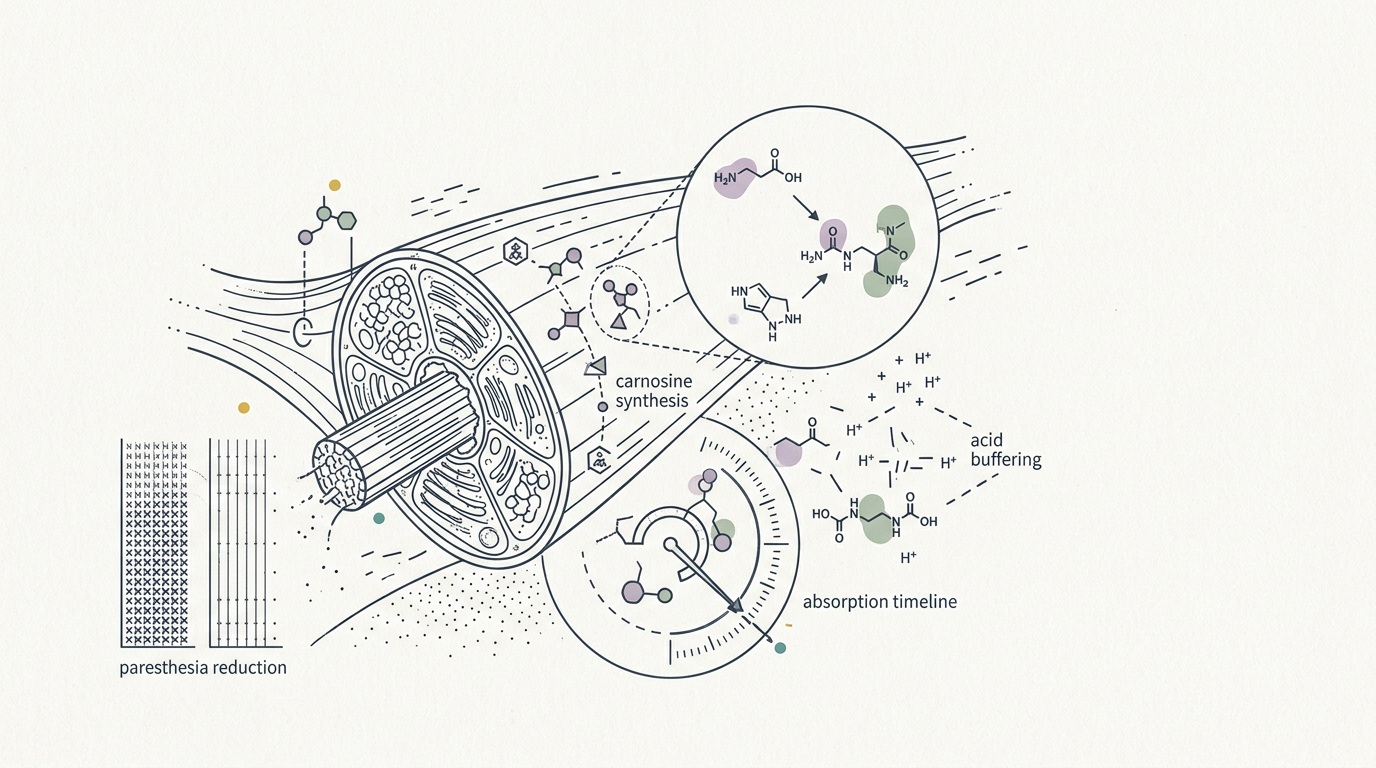
  • Louisiana Sheriffs Spent Opioid Funds on Police Gear, Not Treatment

    news · 2026-08-29 · KFF Health News

    Louisiana allocated 20% of its opioid settlement funds, totaling millions, to local sheriffs' offices. A new investigation from KFF Health News found much of this money was spent on law enforcement gear and police tech, not on addiction treatment or recovery. This diversion of funds means fewer resources for communities battling the opioid crisis, impacting access to care and mental health support.

    Sabin's take. The money meant to fix a public health crisis often ends up in other places. Here, Louisiana funneled millions from opioid settlements to law enforcement, buying things like Tasers and tasers. My body read is this: when addiction — a nervous system dysregulation that desperately needs therapeutic support — gets treated like a crime problem, the root causes just fester. You’re not getting the dopamine regulation tools, the therapy, the community support. You’re getting more police. It's a fundamental mismatch of intervention. We know stress and trauma drive addiction, and more policing rarely lowers those. The next time you see headlines about 'record funding for health,' ask where that cash actually lands. Because it matters for your brain's long-term health and stability, and for everyone else’s. This is how the system fails to address the actual problem at hand.

    #policy #mental-health #nervous-system #recovery #addiction #report
  • Older adults die more often in car crashes, mobility is key

    news · 2026-08-29 · KFF Health News

    Pedestrians aged 65 and up are significantly more likely to die after being hit by a vehicle, even at slower speeds. This isn't just about frailty; it's about changes in physical response and reaction time. Improving strength, balance, and nervous system readiness can literally be life-saving for older adults moving in urban environments.

    Sabin's take. This isn't about blaming older folks for getting hit. It's about how much physiological capacity your nervous system has when something unexpected happens. If you're 65 and up, your reaction time slows, your balance system (vestibular processing, proprioception) isn't as quick, and your bone density and muscle mass might be lower. So what's a 'minor' impact for a 20-year-old could be fatal for an 80-year-old. The data shows this starkly: at 30 mph, 76% of pedestrians over 70 die, compared to 14% of those under 30. Your internal state determines your external resilience. This is a call to action for maintaining real physical fitness—strength, balance, coordination—not just for longevity, but for plain old survival in a world that isn't slowing down. It means working on keeping your proprioception sharp, moving your body often, and not letting your baseline drop so low that a sudden shock becomes a critical event.

    #fitness #longevity #nervous-system #recovery #movement
  • US fertility costs push Americans to seek IVF abroad

    news · 2026-08-29 · KFF Health News

    Tens of thousands of dollars for a single IVF cycle in the US are driving more Americans to Europe for treatment, where costs can be a fraction of domestic prices. This signals a growing trend of medical tourism for fertility services due to economic pressure.

    Sabin's take. I keep seeing this pattern: when a fundamental biological need hits a financial wall, people get creative. IVF costs here are wild, often a full year's salary for one cycle, and that puts a huge load on your nervous system even before the hormones kick in. No wonder people are hopping planes to places like Greece where the same treatment might be a third of the price. The human body is pretty much the same everywhere, but the price tag on the hormonal interventions and medical procedures varies wildly. This isn't just about affordability; it’s about access to parenthood and the stress of navigating a system that makes it prohibitively expensive. It highlights how much global health policy and national economic conditions impact profoundly personal decisions. Watch for more services like this to pop up in places where the dollar stretches further.

    #fertility #hormones #consumer-signal #policy #nervous-system #longevity

  • US health policy deals on drug prices, food dyes are vanishing

    news · 2026-08-29 · KFF Health News

    Agreements struck by previous administrations concerning drug pricing, food dye reduction, and insurance prior authorization are largely unfulfilled. KFF Health News reports these deals, once hailed as consumer wins, are set to disappear without lasting impact. It's a reminder that political promises don't always translate to body-level change.

    Sabin's take. The fading of these US health policy promises? Not surprising. It shows how fragile a consumer win can be when it's not codified into law or regulation, or if the political will dries up. For synthetic food dyes, specifically, the mechanism is clear: these compounds can mess with attention and hyperactivity in kids, and some data points to other neurobehavioral effects. So, when a deal to cut them vanishes, it's not just a political shrug; it's a missed chance to reduce an environmental load on nervous systems, especially for the most vulnerable among us. I've always thought that if it doesn't get enacted and enforced, it's just talk. Watch for renewed pressure from advocacy groups and maybe state-level action, because the body keeps the score, even when policy doesn't.

    #policy #nutrition #nervous-system #mental-health #gut

  • AstraZeneca’s new psychedelic fails depression trial

    news · 2026-08-29 · STAT News

    AstraZeneca's experimental psychedelic, an orally administered compound called AZD0328, didn't hit its primary endpoints in a Phase 2a trial for treatment-resistant depression. The study was looking for improvements in patients' depressive symptoms after six weeks. This setback for the biotech giant means its push into psychedelic treatments will likely shift focus.

    Sabin's take. AstraZeneca failing a Phase 2a trial for a new depression psychedelic is a real gut-punch for the 'big pharma will fix mental health' crowd. They were testing AZD0328, an oral compound, for treatment-resistant depression, but it didn't move the needle enough after six weeks. This isn't just about one drug; it’s about the whole high-dose, controlled-setting model of psychedelics trying to fit into a traditional pharmaceutical pipeline. I've seen smaller, nimbler biotechs having more success targeting specific nervous system pathways, often with micro-dosing or specific formulations that aren't trying to induce a full 'trip.' Big pharma wants a pill with a predictable outcome, but the reality of psychedelics and mental state is way more nuanced. It means the space stays messy, and probably more interesting, for a while longer.

    #research #mental-health #psychedelic #nervous-system #biotech

  • AstraZeneca, Ionis heart drug fails in Phase 3

    news · 2026-08-29 · STAT News

    AstraZeneca and Ionis' investigational cardiovascular drug, an antisense oligonucleotide, failed to meet its primary endpoint in a Phase 3 trial. The drug aimed to reduce the risk of major adverse cardiovascular events in patients with high triglycerides and established cardiovascular disease. The unexpected failure has implications for similar RNA-based therapies in development.

    Sabin's take. So, a major drug targeting heart disease, one of those new-gen RNA therapies, just tanked its Phase 3 trial. The idea was to quiet certain genes that make a protein linked to high triglycerides, which then links to heart trouble. It worked in earlier phases, which is why this failure hits hard. They called it 'unexpected,' and that's the kicker for the biotech world. The drug was meant to lower lipid levels, but it didn't translate into fewer heart attacks or strokes for patients already at risk. For us, this is a reminder that even when the mechanism makes sense on paper – 'silencing' a gene to fix a problem – the body's entire system is far more complex. You can tweak one knob, but the whole orchestra doesn't necessarily play in tune. It means researchers need to look beyond just lowering a biomarker and really track how that impacts the whole cardiovascular load.

    #biotech #research #cardiovascular #longevity #metabolism #nutrition

  • Spanish Health Minister reports on migrant healthcare in Ceuta

    news · 2026-08-29 · El Médico Interactivo

    Spanish Health Minister Mónica García will report to Congress on healthcare provided to migrants in Ceuta. Over 5,800 migrants received care in 15 days; 3,500 through primary care and 2,300 in hospital settings. This reflects the intense pressure on public health services during migration crises.

    Sabin's take. This isn't just a political briefing; it's a stark look at the raw physiological load on public health systems. When you have thousands of people arriving quickly, the immediate medical needs are intense: injuries, infections, chronic conditions exacerbated by stress and displacement. It puts a heavy strain on primary care and emergency services, often pushing them beyond baseline capacity. These numbers tell me that the human body's resilience is tested hard during migration, and the health system's ability to respond dictates immediate outcomes. The nervous system activation alone from such an ordeal means a spike in acute mental health needs too, whether that's anxiety, sleep disruption, or trauma. It's a reminder that health policy isn't theoretical; it directly impacts how well a body can adapt under pressure. I'm watching to see how Spain plans to sustain this level of care without burning out its healthcare workers.

    #policy #mental-health #recovery #nervous-system #nutrition
  • Esports coaches prioritize youth development over game skills

    news · 2026-08-28 · Front. Sports & Active Living

    A qualitative study of 17 grassroots esports coaches in Norway, Denmark, and the Netherlands found their primary role is fostering social development and safe digital environments for youth. Published in Front. Sports & Active Living, the research shows these coaches act more as social facilitators than technical instructors, focusing on inclusion and positive behavior. This shifts the view of esports coaching to emphasize mental health and social well-being over pure performance.

    Sabin's take. So, those volunteer coaches in European esports? They're basically youth workers, not just strategy gurus. My take is this study shows how mental well-being and social support are quietly becoming core to youth activities, even in something as performance-driven as competitive gaming. It's not about micro-managing game tactics; it's about creating a regulated, inclusive space where kids feel safe and seen. This helps reduce anxiety and fosters positive social connections, which in turn impacts their nervous system's capacity to handle stress, both in-game and out. The fact that coaches prioritize this over K/D ratios tells me the industry is starting to understand what real health looks like for young people, beyond just physical activity. I'm watching to see how this filters up into more formal esports training, or if it stays a grassroots secret.

    #culture #research #mental-health #nervous-system #fitness #recovery
  • Meta settles for $17B over teen mental health damage

    news · 2026-08-28 · Healio - Psychiatry & Mental Health

    Meta just agreed to pay $17 billion to a group of 52 attorneys general, settling allegations that Instagram and Facebook features harmed the mental health of teens. The settlement requires Meta to implement new safety features, but it's more about the financial hit than a sudden change of heart on their end.

    Sabin's take. Seventeen billion dollars. That's a lot of money to admit your product was designed to hook kids and fry their dopamine systems. This isn't some abstract fine; it's a direct charge that social media platforms drove compulsive use, impacting everything from sleep architecture to serotonin levels in a developing brain. I've watched kids struggle with constant validation loops and the quiet dread of missing out. The real takeaway here is less about Meta's 'new safety features' — a phrase that feels like a shrug — and more about the collective decision that digital addiction has a price tag. It's a signal to every other platform designer that optimizing for 'engagement' over actual human well-being will cost them. Don't expect a sudden shift in behavior from the platforms, but do watch for more regulatory pressure on how algorithms prey on vulnerable nervous systems.
    #policy #mental-health #nervous-system #consumer-signal #addiction #dopamine

  • India invests in plant cell fermentation for health ingredients

    news · 2026-08-28 · Vitafoods Insights

    India's Department of Biotechnology launched a new Centre of Excellence, focusing on plant cell fermentation, to commercialize biomanufacturing for health and wellness. This hub aims to develop new ingredients and compounds for the wellness market, moving India into a leading role in the space. The goal is faster, more sustainable ways to produce active compounds previously sourced from plants.

    Sabin's take. India is doubling down on plant cell fermentation, and this new hub signals where the future of active ingredients is headed. Think about the compounds we chase for gut health or inflammation – things like specialized polyphenols, adaptogens, or even peptides derived from plants. Traditionally, sourcing these meant dealing with agricultural variability, pesticide exposure, or just plain scarcity. With fermentation, you get a clean, consistent supply, scaled up, and often more potent. I see this as a way to get highly specific compounds into supplements and foods that actually modulate things like the gut microbiome or cellular metabolism, without a wild harvest. This isn't just about 'natural' — it's about precision. Watch for new bio-identical compounds to hit the market that deliver specific nervous system benefits, minus the unpredictability of a crop yield.

    #biotech #nutrition #supplement #gut #inflammation #longevity

  • Scientists need AI to flag overlooked research, not just confirm it

    news · 2026-08-28 · Bio-IT World

    A Bio-IT World piece argues that AI in drug discovery often confirms existing biases instead of challenging them. The real value is an AI that surfaces contradictory findings and forces scientists to confront uncomfortable data, not just what supports a hypothesis. This could reshape how we develop new therapies, from GLP-1s to psychedelics, by catching critical errors early.
    Sabin's take. I've seen this play out so many times in labs: the data that doesn't fit gets filed away, or worse, just ignored. This piece on AI in drug discovery isn't just about big pharma; it's about how confirmation bias can torpedo even the most promising science, costing years and billions. What scientists really need isn't an AI that makes a 'stronger case' for what they already believe. They need one that actively looks for the inconvenient truths – the outlier results, the contradictory studies. Imagine an AI that specifically flags why a potential peptide, or a new mechanism for blood sugar regulation, might actually fail downstream. It's about building a better 'nervous system' for R&D, not just a faster one. We'd see fewer failed trials, less wasted research, and maybe get to effective treatments for the gut, brain, and hormones way quicker. It forces you to look at the whole picture, not just the pretty parts.

    #biotech #research #nervous-system #longevity #glp1 #peptide

  • New guidelines address sex differences in physiology research, especially for subterranean work

    news · 2026-08-28 · Nature News

    Nature is pushing for new guidelines in physiology research to include more women, especially for studies conducted in environments like underground labs. This aims to counter historical biases in data collection, which often overlooks how female physiology responds to extreme conditions. The change means future research will better reflect how both sexes adapt to stressors.

    Sabin's take. The research world is finally waking up to what many of us already knew: bodies aren't all built the same. This isn't just about fairness; it's about getting real data. For decades, men were the default human model in studies, especially for demanding conditions like underground work, leading to a skewed understanding of basic human physiology. If a study only enrolls men, the results can't tell you how a woman's hormonal system, metabolism, or even her bone density handles the same stress. What I want to know is how long it takes for these new guidelines to trickle down into wearables, devices, and training protocols. Because if the science is finally acknowledging sex differences, the tech and methods we use to track and train should, too. Expect to see new performance metrics and recovery advice that actually considers female biology, not just a smaller version of male data.

    #policy #research #longevity #hormones #recovery #nervous-system
  • FDA approves Roivant drug for rare autoimmune skin disease

    news · 2026-08-28 · STAT News

    The FDA just greenlit a new drug from Roivant and its subsidiary Priovant for dermatomyositis, a rare autoimmune disease. This medicine targets a specific pathway that drives skin and muscle inflammation, offering a new option for patients with limited treatments.

    Sabin's take. The FDA approving a new drug for dermatomyositis isn't just about this one condition; it signals a wider push for targeted autoimmune therapies. This drug works by blocking Type 1 interferon, which is a major player in inflammation and immune system activation. It reminds me that inflammation, especially the systemic kind, isn't always obvious. For dermatomyositis, it manifests in the skin and muscles, but underlying immune dysregulation has ripple effects on the nervous system and overall body load. Watching these specific biologic approvals, I'm thinking about how much closer we're getting to truly personalized immune modulation, even for conditions that seem niche. It changes the conversation from symptom management to root cause, which is a significant shift for anyone dealing with chronic inflammatory states. I'm curious what these approvals mean for other autoimmune conditions down the line.

    #policy #biotech #inflammation #immunity #longevity #nervous-system

  • Generation Lab offers 'young blood' injectable

    news · 2026-08-28 · MIT Tech Review

    A startup called Generation Lab is pitching an injectable blend of two existing drugs, which they're calling '1 Generation,' claiming it can rejuvenate blood. They're offering it to 'longevity influencers' first, bypassing traditional clinical trial marketing. The goal is to make your blood 'young' again.

    Sabin's take. So, a company wants to inject you with a combo of existing drugs, saying it'll make your blood young. Sounds… bold. The play here isn't just about a new product; it's about side-stepping the usual clinical validation by hitting up 'longevity influencers' first. I get why they'd try to skip some red tape, but mixing existing drugs and calling it 'rejuvenation' is a big leap for a consumer-facing treatment. What this really tells me is the market for biological age reversal is white-hot, and some companies will get pretty creative with their go-to-market. It's a calculated gamble on consumer desperation for youth, but your body isn't an experiment. I'd watch for actual, peer-reviewed data on mechanism and safety, not just influencer anecdotes.

    #launch #biotech #longevity #supplement #peptides #hormones

  • HRT linked to lower dementia risk for postmenopausal women

    news · 2026-08-28 · Healio - Psychiatry & Mental Health

    New data published in *Alzheimer’s & Dementia* suggests Hormone Replacement Therapy (HRT) might lower dementia risk for postmenopausal women. This finding from Anne-Marie Minihane's team adds to prior research showing estrogen-only therapy reduced dementia diagnoses and memory decline. It's a significant signal given women account for almost two-thirds of Alzheimer's cases.

    Sabin's take. I see this study, and I think: more data for my female friends hitting perimenopause, trying to sort out what their hormones are doing to their brain. This isn't just about hot flashes anymore. The research, while not proving causation, points to something concrete: getting your estrogen dialed in when it drops off might literally keep your memory working better, longer. Women already make up a disproportionate share of dementia cases. If maintaining hormonal balance post-menopause can shift that number, it’s not just a quality-of-life win; it's a huge public health signal. I’m watching to see how this changes the conversation around early intervention and access to HRT. It’s not about fighting aging, it’s about protecting cognitive function. Your brain needs stable inputs.

    #research #hormones #menopause #longevity #mental-health #nervous-system

  • Shatavari shows promise for perimenopause symptom relief

    news · 2026-08-28 · SupplySide Supplement Journal

    A new clinical trial found that shatavari (Asparagus racemosus) significantly eased a wide range of perimenopausal symptoms in women. Researchers saw improvements in hot flashes, night sweats, sleep, mood, and vaginal dryness. This suggests the botanical could support women through this hormonal transition.

    Sabin's take. I’m always side-eyeing "one-stop shop" claims, especially for something as complex as perimenopause. But seeing shatavari pop up in a new clinical study for women's hormonal health, and actually showing data for symptom relief, is worth noting. The plant's adaptogenic properties likely work by modulating the HPA axis, which can get pretty out of whack when estrogen levels fluctuate wildly. It’s not a magic bullet, of course, but if it helps regulate the nervous system's response to hormonal shifts, that’s real. This kind of research gives women more options beyond conventional HRT or just gritting through it. I’d want to see specific dosages and how long the effect lasts. A lot of women are looking for non-pharmaceutical options, and studies like this move botanicals from folk wisdom to something with a bit more scientific weight.

    #research #supplement #hormones #menopause #nervous-system #mental-health

  • Ebola spread linked to crowded treatment centers

    news · 2026-08-28 · Nature Medicine RSS

    New research in Nature Medicine found that overcrowded Ebola treatment centers in the Democratic Republic of Congo inadvertently fueled transmission. The study tracked how density in these facilities created hotbeds for the virus, highlighting a critical flaw in emergency health response strategies. It implies that simply building more centers isn't enough; the *design* and *capacity* need a nervous-system approach to contain outbreaks.

    Sabin's take. This finding in *Nature Medicine* is a hard truth about emergency health. When you cram sick people into poorly designed, overcrowded centers, you're not just fighting a virus, you're creating a high-stress environment that actively works against containment. High density raises stress load, impacting immunity and disease progression, even for staff. It's a reminder that even in crisis, the nervous system matters – not just for the patients, but for the entire system trying to care for them. The real mechanism here is how environmental stress, fueled by lack of resources and poor planning, turns a supposed solution into a problem. We often focus on the pathogen, but the conditions of care are just as critical for breaking the transmission chain. The next phase of global health response needs to bake in basic human biology – like space and calm – not just medical treatments. I thought about the irony of trying to heal in a place making you sicker; it's a messed-up feedback loop.

    #policy #research #nervous-system #immunity #mental-health #longevity

  • New Lancet correspondence questions clinical meaning of Alzheimer's amyloid drugs

    news · 2026-08-28 · The Lancet

    A new correspondence in The Lancet argues that while amyloid-beta antibodies like lecanemab and donanemab do clear amyloid from the brain, their clinical benefit for Alzheimer's patients isn't "meaningful." Researchers point to pooled data from multiple trials showing little real-world improvement for individuals. It's a direct challenge to the approved drugs.

    Sabin's take. I've been watching this space, and this new correspondence from The Lancet cuts straight to the core issue with Alzheimer's amyloid-clearing drugs: is clearing amyloid *really* helping people? The drugs do what they say they'll do on a biomarker level – they sweep out beta-amyloid proteins from the brain. That's a win for the mechanism, sure. But the argument here is that the clinical impact, the actual felt difference for someone living with Alzheimer's, is too small to call 'meaningful.' This isn't just one study; it's a look at pooled data, suggesting a pattern. It reminds me that a lab success doesn't always translate to a human experience. What good is a 'cleaner' brain if memory and function don't tangibly improve? This pushes the conversation back to what truly impacts brain aging and cognition in our day-to-day lives.

    #policy #research #longevity #nervous-system #biotech #mental-health

  • WHO guidelines omit depression as dementia risk, despite Lancet findings

    news · 2026-08-28 · The Lancet

    A new Lancet correspondence questions the World Health Organization's 2026 dementia prevention guidelines, which exclude depression as a modifiable risk factor. The Lancet Commission previously attributed 3% of dementia cases to depression and recommended treatment, but the WHO cites insufficient causal evidence. Critics argue this caution is inconsistent with guidelines for other factors like diabetes, which also lack robust evidence.

    Sabin's take. The WHO is sidelining depression as a dementia risk factor, arguing the causal evidence isn't strong enough. Meanwhile, The Lancet points out they're happy to recommend changes for other things, like managing diabetes, without the same level of scientific rigor. I find this interesting because it shows the ongoing battle over what counts as 'evidence' in global health, especially when it comes to mental health and its physical downstream effects. For your brain health, this feels like an unnecessary delay in acknowledging what many practitioners already suspect: chronic nervous system dysregulation, including depression, plays a role. If you're managing depression, keep at it. It's not just about mood; it's about what that chronic state does to your whole system, especially your cognitive capacity over time. The body doesn't separate things neatly into mental and physical boxes, even if the guidelines do.

    #policy #research #mental-health #longevity #nervous-system #cognition

  • US court battles brew over childhood vaccination rules

    news · 2026-08-28 · The Lancet

    Between August 2025 and July 2026, US state legislatures saw over 400 vaccine-related bills, with 209 aiming to weaken vaccination rules. Only nine passed, but a federal court paused CDC guidance that would narrow the routine childhood schedule to 11 diseases. Then an executive order pushed the 11-disease schedule again, telling states to re-evaluate school requirements.

    Sabin's take. I keep seeing this push and pull on vaccine policy in the US, and it's exhausting just reading about it. For most parents, the actual science of immunity isn't changing week-to-week, but the rules around school entry and public health recommendations are. It creates a lot of unnecessary static for the nervous system, this constant state of 'is the rug about to be pulled out from under me?' That underlying anxiety isn't doing anyone any favors, especially when it comes to childhood health. The fight isn't really about what's best for the body anymore; it's about control. Watch for more federal vs. state clashes, because policy volatility like this makes it tough for public health to do its job, and it leaves parents navigating a messy, unpredictable landscape that impacts how kids are protected.

    #policy #immunity #nervous-system #mental-health #children

  • Lancet critiques medicalizing normal aging as a disease

    news · 2026-08-28 · The Lancet

    A new piece in The Lancet calls out the medical industry's tendency to pathologize normal aging, arguing that it pushes unnecessary interventions rather than supporting healthy, natural decline. The author, a medical doctor and novelist, points out how the narrative of 'anti-aging' can create anxiety and fuel a market for unproven fixes.

    Sabin's take. This Lancet piece hit a nerve for me. It's not that we shouldn't strive for health as we age; it's about pushing back against the idea that every natural change in our bodies is a 'problem' to be solved with a pill or procedure. Normal aging changes your body's baseline: your HRV will shift, your cortisol response might mellow, sleep architecture changes. But the industry often frames this as a failure, rather than a state to be managed with wisdom. When you convince people that their normal, healthy aging body is actually 'diseased' or 'dysfunctional,' you open the door to all kinds of unnecessary interventions. This isn't about promoting an unhealthy lifestyle; it's about distinguishing between a genuine health concern and the simple passage of time. My body isn't 'broken' just because I can't run a 5k as fast as I did at 25. That's just what happens. Understanding the difference is key to not getting swept up in the chase for an impossible ideal.

    #research #longevity #mental-health #nervous-system #hormones #consumer-signal

  • Jeremy Farrar's surprise exit from WHO creates policy vacuum

    news · 2026-08-28 · The Lancet

    Jeremy Farrar, the World Health Organization's Assistant Director-General for Health Promotion, Disease Prevention and Care, is unexpectedly stepping down. His departure, reported by The Lancet, signals potential shifts in global health policy and leadership, especially concerning how the WHO approaches health initiatives. It's a big deal for how global bodies shape what happens at a national level for things like vaccine policy, access to essential medicines, and even how public health messaging affects your day-to-day choices.

    Sabin's take. Jeremy Farrar leaving the WHO isn't just internal office drama. It changes who's at the helm for global health policy — the stuff that trickles down and affects what your country’s health ministry greenlights, like vaccine schedules, new treatment guidelines, or how easily you can get certain supplements or drugs. Think about how the WHO’s guidance impacts national regulations on GLP-1s, for example, or how they frame mental health crises. A change in leadership means a change in priorities, or at least a shift in emphasis, for these critical areas. When a key figure in 'disease prevention' exits, it leaves a gap at a time when global nervous system load is higher than ever. Someone new will set the tone for how we address burnout, anxiety, and the next pandemic. I'll be watching to see who steps in and whether they lean into broad public health messaging or more targeted interventions that account for individual human variability.

    #policy #mental-health #nervous-system #longevity #glp1 #peptide

  • CDC Director commits to protecting vaccines, supporting 'exhausted' scientists

    news · 2026-08-28 · The Lancet

    Erica Schwartz, the new CDC Director, promised to safeguard the agency's vaccine programs and back its 'exhausted' scientists. The Lancet reports she aims to reassure staff at the embattled US public health body. This is about restoring trust and capacity for future public health responses.

    Sabin's take. The new CDC Director stepping in and immediately focusing on protecting vaccine programs and addressing 'exhausted' scientists isn't just bureaucratic housekeeping. It's a direct signal about the nervous system state of a critical public health agency and, by extension, the population it serves. When the people responsible for managing population-level health threats are burnt out and distrusted, the whole system becomes dysregulated. Schwartz is trying to reset the baseline, acknowledging that sustained stress on these scientists compromises their ability to analyze data, make sound policy recommendations, and communicate effectively, which trickles down into public perception and compliance. The 'exhausted' part is the crucial detail; it signals a capacity issue rooted in chronic stress, and rebuilding that capacity is as much a nervous system repair job as it is a scientific one. This move directly impacts the future stability of public health and, frankly, how our collective cortisol spikes next time there's a virus making rounds.

    #policy #mental-health #nervous-system #longevity #immunity

  • China's youth face new mental health and obesity challenges

    news · 2026-08-28 · The Lancet

    A new Lancet Commission report highlights China's success in reducing child mortality and infectious disease, but warns of rising adolescent mental health issues, obesity, and non-communicable diseases. The report emphasizes the need for new policy responses to support the nervous system and metabolic health of young people as traditional health threats decline.

    Sabin's take. It's easy to look at the numbers for child mortality and infectious disease in China and see massive public health wins. But the latest Lancet report hints at a different problem bubbling up: what happens once the basics are covered? This isn't just a China story; it's a global pattern. As old stressors like pathogens recede, new ones – often linked to a modern lifestyle – emerge, hitting metabolic health and the nervous system hard. Adolescent depression, anxiety, and weight gain aren't just 'Western' problems anymore. I see this as a warning that chasing economic growth without building in robust support for mental and physical health at the ground level, especially for teens, creates a different kind of health deficit. What we're watching here is the downstream effect of rapid societal change on young bodies and minds, and how policy will need to adapt. It's a reminder that good health isn't a fixed state; it’s an ongoing negotiation with the environment.

    #policy #research #report #mental-health #nervous-system #nutrition

  • Regulating T cells could be next for stubborn eczema

    news · 2026-08-28 · The Lancet

    New research in The Lancet suggests expanding regulatory T cells could be a breakthrough for severe atopic dermatitis. Current treatments like biologics and JAK inhibitors don't work for everyone, leaving many with ongoing inflammation, poor sleep, and mental health issues. This approach aims to restore immune balance, offering hope for long-term relief.

    Sabin's take. I'm always watching for what happens when the current best-in-class treatments still fall short. For severe atopic dermatitis, biologics and JAK inhibitors were a big step up, but they're not a finish line for everyone. The idea here, building up regulatory T cells to dial down inflammation, is a different kind of precision. Instead of just blocking an inflammatory pathway, you're trying to re-train the immune system itself. If this pans out, it's not just about clearer skin; it's about shifting the body's baseline away from constant high alert. The chronic itch and disrupted sleep from eczema don't just feel bad — they keep the nervous system wired, constantly responding to an internal threat. What I want to know is, if they manage to get this to work, what does it mean for other systemic inflammatory conditions?

    #research #biotech #skincare #inflammation #nervous-system #mental-health

  • Lancet editorial warns of global biosecurity risks from politics

    news · 2026-08-28 · The Lancet

    An editorial in The Lancet highlights how political attacks on scientists like Anthony Fauci, prompted by COVID-19 origin theories, undermine global biosecurity. It points to the dangers of politicizing gain-of-function research, which aims to understand pathogens, creating vulnerabilities for future health crises. This suggests a systemic risk to public health and immunity.

    Sabin's take. The Lancet's editorial on biosecurity is a stark reminder that even obscure scientific research has a direct line to your nervous system. When scientific inquiry into pathogen transmissibility or lethality gets tangled in political mudslinging, it's not just about a lab in Wuhan. It erodes the capacity to respond to the next virus that *will* show up. The whole point of gain-of-function work, controversial as it is, is to get ahead of what might come, to understand a virus's mechanism before it hits your immune system. When the public discourse becomes pure theater, it delays effective policy and public health measures. That slow, confused response? That's what floods your cortisol, strains your HPA axis, and sends your nervous system into chronic alarm. I track this because the health of populations dictates the quiet hum of individual bodies. When politics muddle basic science, everyone's immunity takes the hit.

    #policy #research #nervous-system #immunity #mental-health #biotech

  • Type 2 Diabetes Hits Women & Men Differently, Research Shows

    news · 2026-08-27 · Mindbodygreen

    New analysis suggests that a Type 2 diabetes diagnosis carries distinct health risks for women compared to men, despite similar blood sugar levels. Women often face higher rates of kidney and cardiovascular complications, plus greater mortality risk. This means the same diagnosis might call for sex-specific management plans going forward.

    Sabin's take. The body is not a single, interchangeable unit, and this diabetes news hammers that home. We've known for ages that hormones influence everything, but this analysis is clearer: even with the same diagnosis and the same blood sugar numbers, women tend to draw the shorter straw for kidney disease, heart trouble, and overall mortality. My guess? It's the complex interplay of estrogen and other hormones shifting over a lifetime, affecting everything from fat storage patterns to inflammation responses. This isn't about blaming hormones; it's about acknowledging they change the game. The medical system has a long way to go to catch up to these biological realities, moving past a one-size-fits-all approach to metabolic health. What I want to see next are protocols tailored to sex, not just symptoms.

    #research #hormones #metabolism #blood-sugar #longevity #nutrition

  • Psychedelic-assisted therapy linked to better mental health

    news · 2026-08-27 · Mindbodygreen

    New research suggests psychedelic-assisted therapy, even just a few times a year, can significantly improve mental health outcomes for conditions like depression and anxiety. The study highlights psilocybin and MDMA as key compounds in this emerging treatment space. It points to a shift in how chronic mental health issues are approached, moving beyond daily pharmaceuticals.

    Sabin's take. The whole 'just a few times a year' angle is the real story here. Most mental health treatments are daily or weekly, requiring constant engagement. This research, likely referencing studies on psilocybin or MDMA therapy, points to compounds that can create lasting shifts with minimal, highly concentrated doses. I'm reading this as an indicator of a potential mechanism that 'resets' the brain's default mode network, easing rumination and chronic negative loops. It suggests that a single, profound experience under clinical supervision could alter neural pathways more efficiently than long-term, low-impact therapies. That's a huge potential shift for managing anxiety and depression, reducing the daily burden of medication or therapy. The industry will be watching how regulators catch up to this kind of efficacy, and what it means for access. It’s not about finding a magic pill; it’s about a new way to interact with the nervous system's capacity for change.

    #research #mental-health #nervous-system #psychedelic

  • FDA Approves Pancreatic Cancer Pill That Doubles Survival

    news · 2026-08-27 · Mindbodygreen

    The FDA just fast-tracked a new oral treatment, Onivyde, for metastatic pancreatic cancer, a particularly aggressive form. The pill, from Ipsen Biopharmaceuticals, nearly doubles patient survival from roughly 5.9 months to 11.1 months when used in combination with other drugs. It’s a huge step for a disease that's been historically tough to treat.

    Sabin's take. I see this kind of news and think about the fundamental shift in how we approach disease. An extra 5.2 months of life for a stage IV pancreatic cancer patient isn't just a number; it's five more months with family, five more months of living. The underlying mechanism here is about targeting specific pathways in cancer cell growth, not just broad-spectrum toxicity, which is the biotech promise everyone keeps chasing. This approval means more research dollars will likely flow into similar oncology therapies, pushing the boundaries of what 'terminal' really means. It makes me wonder what other diseases could see similar breakthroughs if the funding and regulatory pathways lined up this fast. The bar for "revolutionary" keeps getting higher, and this clears it.

    #policy #biotech #longevity #hormones #metabolism #health

  • Madrid hospital lets parents stay with kids during surgery prep

    news · 2026-08-27 · El Médico Interactivo

    Hospital Gregorio Marañón in Madrid launched a new protocol allowing parents to accompany children into the operating room until anesthesia is administered. The initiative also lets parents be present when their child wakes up post-surgery. This move aims to reduce pre-operative anxiety for young patients, which can impact recovery.

    Sabin's take. This isn't just about making kids feel better; it's about shifting the nervous system. Keeping parents near helps lower a child's cortisol spike before surgery, which is a big deal for recovery. When stress hormones are high, the body has more work to do post-op to regulate itself. Giving kids a familiar face and touch before they're out cold keeps their vagal tone in a better place. It's a small change to a hospital routine, but the impact on a child's physiological state — from how they metabolize anesthesia to how quickly they bounce back — is huge. It also means less anxiety for the parents, and that ripple effect matters for the whole family's baseline. It’s what happens when you treat the human first, not just the diagnosis.

    #policy #mental-health #nervous-system #recovery #hospital
  • Supplements are now targeting nutrient sensing pathways

    news · 2026-08-27 · SupplySide Supplement Journal

    Experts are looking past basic vitamin deficiencies, designing next-gen supplements to interact directly with the body's nutrient sensing pathways. This approach aims to optimize cellular function and metabolism, moving beyond simple repletion to active modulation. It's about telling your cells what to do, not just feeding them.

    Sabin's take. The new flex in supplements isn't just about what you're lacking; it's about what your cells *think* they're sensing. Forget simple 'more is better' dosing. This whole nutrient sensing thing means formulators are now trying to trigger specific metabolic responses and cellular signals with compounds like betaine, choline, and specific amino acids. It’s a shift from filling nutritional gaps to actively communicating with your cells, tricking them into better states. Think of it like a biological hack – telling your body it's in a state of abundance or mild stress to kickstart protective processes. I'm watching this because it means tighter formulations and more targeted benefits, not just a scattergun approach. It might actually make a difference for things like blood sugar regulation and mitochondrial efficiency, which feels like a smart move.

    #supplement #nutrition #metabolism #longevity #gut #research

  • Filgotinib effective for rheumatoid arthritis in real-world study

    news · 2026-08-27 · Deutsches Ärzteblatt

    A real-world Italian study found the JAK inhibitor Filgotinib was effective and well-tolerated for rheumatoid arthritis. Nearly half of the 254 participants had hard-to-treat RA, showing sustained benefits and adherence. This adds to the picture of how these targeted inflammation blockers work outside of clinical trials.

    Sabin's take. This Filgotinib study, even though it's focused on rheumatoid arthritis, tells me something about managing chronic inflammation. JAK inhibitors like this one work by dialing down specific signaling pathways that drive an overactive immune response. When your body is in constant low-grade systemic inflammation, it's a huge energy drain and keeps the nervous system on high alert. That kind of chronic stress load messes with everything from sleep to mood. A drug that effectively quiets that internal static, especially for people with stubborn cases, lets the body reallocate resources away from defense and towards repair. It’s less about a cure and more about bringing the system back to a more regulated, lower-load baseline. I wonder how often systemic inflammation like this goes undiagnosed, playing havoc with someone's baseline state.

    #research #biotech #inflammation #nervous-system #longevity

  • New 'binding-to-release' method targets cancer drugs with precision

    news · 2026-08-27 · Nature News

    Researchers at the University of Oxford developed a novel drug delivery system that precisely targets cancer cells. The strategy involves a 'binding-to-release' mechanism, allowing drugs to be administered in an inactive form and only activated upon reaching the tumor. This aims to reduce side effects and improve treatment efficacy.
    Sabin's take. Okay, so this isn't about your daily vitamin, but it's a huge deal for how we might treat serious diseases without nuking the whole body. The Oxford team figured out how to basically put a 'lock' on a cancer drug — it stays inert until it hits the specific conditions of a tumor. That's a game-changer for toxicity. When you can deliver a strong medicine exactly where it's needed, it means fewer systemic side effects, less damage to healthy tissue, and potentially better outcomes. It's a fundamental shift in how we think about drug delivery, moving away from broad-spectrum attacks to highly localized strikes. My gut says this tech will filter down to other areas, making powerful treatments much more tolerable. Watch for this approach popping up in other biotech applications for inflammatory or chronic conditions.

    #research #biotech #longevity #immunity #nervous-system

  • Why old song lyrics stick but new intentions vanish

    news · 2026-08-27 · Videnskab.dk (Health)

    Danish research from Videnskab.dk explains the brain's paradox: how deeply embedded old memories, like song lyrics, persist for years, while immediate intentions, like why you entered a room, disappear in seconds. The difference lies in how memories are encoded and retrieved, with stronger emotional and repetitive connections fortifying long-term recall.

    Sabin's take. Ever walk into a room and completely blank on why you're there? This piece breaks down the brain science behind it. Turns out, those old song lyrics are stuck because they're linked to strong emotions and have been replayed countless times, literally wiring them into your neural networks. New intentions, though, are often fragile, held in short-term working memory, which is easily disrupted by a change in environment or a slight distraction. It's not about being 'forgetful,' it's how the brain manages its load, prioritizing deeply ingrained patterns over fleeting tasks. I've felt this after a bad night's sleep – my capacity for those 'why did I come in here' moments totally tanks. This isn't a failure of your focus; it's just the default mode of a taxed nervous system trying to conserve energy. What gets reinforced, gets remembered.

    #research #nervous-system #mental-health #cognition #sleep

  • RFK Jr. under scrutiny for Gardasil vaccine disclosures

    news · 2026-08-27 · STAT News

    Democratic senators are questioning RFK Jr.'s explanations about his financial stake in Gardasil vaccine litigation. They say his recent disclosures conflict with earlier statements regarding vaccine safety and his financial interests. This raises questions about transparency around a product that affects immunity and public health messaging.

    Sabin's take. Transparency around vaccine litigation is always a tightrope walk, especially when public figures are involved. This isn't just about financial disclosures; it's about how much signal versus noise we get when discussing something that directly interacts with the body's immune system. When a vaccine like Gardasil becomes a political football, the actual mechanisms—how it triggers an immune response, its efficacy against HPV, the data on side effects—can get lost. What people hear about vaccine safety, whether true or not, changes behavior. That's a direct nervous system load on public trust, and it makes personal health choices much harder to navigate. I'm watching how this plays out, not just for the legal drama, but for what it means for how we talk about public health and individual immunity. The goal should be clear facts, always.

    #policy #immunity #nervous-system #mental-health #longevity

  • Medical aid in dying changes the burden of living

    news · 2026-08-27 · STAT News

    An opinion piece argues that legalizing medical aid in dying (MAID) fundamentally shifts the psychological load on individuals facing terminal illness. It forces them to actively choose to continue living, rather than passively accepting their fate. This change impacts mental health, autonomy, and the nervous system's capacity to cope with prolonged suffering.

    Sabin's take. The conversation around medical aid in dying often centers on autonomy at the end of life, but this piece nails a crucial, often-missed point: it changes the default state for the dying. Before, the choice was simply to endure. Now, in places where it's legal, a terminal diagnosis comes with a silent, heavy question: 'Do I actively *choose* to continue suffering?' That's a different kind of burden. It places a massive cognitive load on an already taxed nervous system, especially when pain and existential distress are already high. It's not just about a legal option; it's about shifting responsibility onto the dying to make a daily affirmation of life, even when life offers little but decline. This is less about healthcare access and more about the fundamental psychological and emotional regulation of existence at its very edge.
    #policy #mental-health #nervous-system #longevity
  • Organ transplant innovation gets a boost from AI tools

    news · 2026-08-27 · The Lancet

    Professor Alexandre Loupy, a nephrologist and epidemiologist, is leading the Paris Institute for Transplantation and Organ Regeneration (PITOR), using AI to advance organ transplantation science. His work, highlighted in The Lancet, aims to better predict transplant outcomes and improve patient longevity. This moves the needle on how the body accepts or rejects foreign tissue, a big deal for chronic health and quality of life.

    Sabin's take. Listen, the idea that a 12-year-old read a 4000-page drug book for fun is wild, but it sets the stage for where transplantation science is heading. Professor Loupy's work, using AI to manage complex immune responses in organ recipients, isn't just about making surgeries more successful. It’s about the long game — how a body integrates a foreign organ without constant warfare, improving the overall longevity and health span for people with chronic disease. That means less inflammation, better immune regulation, and a body that isn't constantly fighting itself. This is critical for everything from kidney function to cardiovascular health. It points to a future where individual immune profiles dictate treatment, rather than broad-stroke protocols. The goal is a body that just *works* for longer, more efficiently.

    #research #biotech #longevity #immunity #nervous-system #mental-health