News — wellness, health, longevity & nervous-system industry

Dated events across the wellness and health industry: product launches, gym and clinic openings, research published, regulation passed, funding, M&A, and category-defining moves. Each item carries a hard fact and Sabin's take.

Every published item

  • Europe's heatwaves stress power grids and human bodies

    news · 2026-08-09 · New Scientist

    Record high temperatures and low water levels across Europe are forcing nuclear reactors offline, creating energy shortages and pushing prices up. This happens just as millions turn on their air conditioning, raising the risk of blackouts. It's a double hit to nervous systems already struggling with extreme heat.

    Sabin's take. Power grids aren't the only things hitting a breaking point when it gets this hot. Your nervous system is constantly working to keep you at a stable 98.6°F (37°C), a process that takes more energy than you think. When outside temperatures climb above skin temperature, your body has to work even harder to dump heat, increasing cardiovascular strain and cortisol levels. Lack of sleep from hot nights only makes it worse. This isn't just about utility bills; it's about cumulative metabolic and emotional load. Watch for this pattern to push more people toward active cooling and thermal regulation tools, not just air conditioning — think wearables that manage skin temperature or even personal microclimates. The 'cool economy' is about to get very hot.

    #climate #nervous-system #mental-health #recovery #sleep #consumer-signal

  • It takes two weeks to reset kids' holiday sleep schedules

    news · 2026-08-09 · Videnskab.dk (Health)

    Danish health experts say it can take up to two weeks to get children's sleep rhythms back on track after holiday disruptions. The article, published on Videnskab.dk, offers advice for parents on how to gradually shift bedtimes and wake times to realign circadian rhythms, focusing on light exposure and consistent routines.

    Sabin's take. Listen, the 'holiday sleep debt' thing for kids is real, and it's not just about grumpy mornings. Your kid's internal clock — their circadian rhythm — runs on light and routine. When that gets messed up by late nights and lazy mornings, it throws off melatonin production, making it harder to fall asleep and stay asleep. Trying to snap them back overnight just jacks up cortisol for everyone. The play here is a slow, steady shift: move bedtime by 15-minute increments every few days, flood their mornings with light, and pull back on screens before bed. It takes patience, sure, but you're not just restoring a schedule; you're regulating their tiny nervous system. Think of it as a low-grade jet lag you're helping them recover from. And for parents, it's a good reminder that *your* rhythms are just as susceptible.

    #sleep #nervous-system #mental-health #research #consumer-signal

  • Australia braces for bird flu's public health impact

    news · 2026-08-09 · Croakey Health Media

    Australian community groups are calling for more support as a bird flu outbreak raises concerns about the nation's public health response. The outbreak is expected to have widespread consequences beyond animal health, impacting human immunity and mental health.

    Sabin's take. So, bird flu is making headlines again, and not just for chickens. While the immediate concern is often agricultural, the real nervous-system ripple effect for humans is often overlooked. We're talking potential hits to immunity, and let's be real, a global health crisis always tanks mental health. The ask for "more support" isn't just about vaccines or PPE; it's about shoring up our collective resilience. We saw during COVID how a widespread pathogen can erode social trust and amp up anxiety. This isn't just a physical threat; it's a profound psychological one. Expect conversations around stress management and immune-boosting protocols to get a whole new urgency, alongside the public health messaging. It’s a reminder that global health crises hit the body on multiple fronts.

    #policy #mental-health #immunity #nervous-system #climate

  • US News announces 2026-2027 Best Hospitals list

    news · 2026-08-09 · Healio - Psychiatry & Mental Health

    U.S. News & World Report just released its 2026-2027 Best Hospitals rankings, featuring 505 hospitals across 49 states. They're touting "superior patient outcomes" as the key metric for families trying to find quality care. Four new additions made the list this year.

    Sabin's take. Another year, another list telling you where to get sick. The "best hospitals" thing, though, always feels a bit like rating the best places to get your car towed. Necessary, sure, but the goal is to never need the service. These rankings focus on "patient outcomes" for procedures and conditions. What they don't, and really can't, measure is how good a hospital is at keeping you *out* of the hospital to begin with. We're still light-years from a system that rewards health-creation over disease-management. Until then, these lists are a snapshot of where to go when things go sideways, not a guide to preventing that entirely. My bet is the next evolution of these rankings, if they want to stay relevant, will need to factor in preventative care outcomes, or at least how quickly they get you back to your baseline.

    #mental-health #policy #report #nervous-system #longevity

  • AI is already shortening the shopping funnel for wellness brands

    news · 2026-08-09 · The New Consumer

    New data shows AI-driven search and recommendations are shrinking the online shopping journey, leading to faster conversions. People are making purchase decisions quicker when AI is involved in their discovery process. This means brands need to rethink how they grab attention and build trust, fast.

    Sabin's take. The AI shopping trend isn't just about convenience; it's about decision load. When AI handles the information overload, our nervous systems are spared the usual scrolling paralysis. People aren't just buying faster; they're experiencing less cognitive friction because the AI presents what it thinks they need, quickly. This shifts the game from 'out-optimize the algorithm' to 'be the answer the algorithm wants to give.' Brands that can simplify their message and clearly articulate their body benefit will win. The risk? If AI gets it wrong, trust erodes way faster than it used to. Expect to see brands double down on direct-to-consumer data to feed these AI systems, making every interaction a potential data point. It's less browsing, more precision targeting, which for nervous system-facing products, means the 'why' has to be immediate.

    #consumer-signal #report #nervous-system #mental-health #longevity #nutrition

  • Study finds stretching type depends on workout goal

    news · 2026-08-09 · Mindbodygreen

    A new study in the *Journal of Sports Sciences* looked at how different stretching methods impact muscle performance and flexibility. Researchers found that static stretching is best for boosting flexibility, but dynamic stretching works better for improving power and jump height before a workout. The takeaway is to match your warm-up to what you're actually trying to achieve in your session.

    Sabin's take. This just confirms what coaches have been whispering for years: your warm-up isn't a one-size-fits-all ritual. If you're chasing more range of motion, sure, hold those static stretches. But if you're about to lift heavy or do some explosive movements, you need to prime your nervous system, not sedate it. That means dynamic moves that mimic your workout, getting blood flowing and muscles ready to fire. Static stretching before power work can actually reduce peak performance, which is exactly what you don't want when you're trying to set a new PR. It's about optimizing the signal from brain to muscle, not just feeling bendy. So, match your warm-up to your output, and ditch the idea that all stretching is good stretching, all the time.

    #research #fitness #recovery #nervous-system #movement

  • Macrobite app helps track macros with AI image recognition

    news · 2026-08-09 · Product Hunt — Health & Fitness

    A new app, Macrobite, uses AI to log meals from photos, aiming to simplify macro tracking. It helps users hit precise protein, carb, and fat targets without manual input. The goal is to streamline nutrition for better energy and body composition.

    Sabin's take. The macro-tracking space is getting a fresh coat of AI paint, but the core issue remains: does this reduce your nervous system load or just move the goalposts? Apps like Macrobite promise precision without the pain, which sounds great when you're trying to dial in blood sugar stability or hit protein targets for muscle. But for most of us, spending that much bandwidth on macros just adds another layer of mental load. If you're an elite athlete or managing a specific metabolic condition, sure, this could be helpful. For everyone else, maybe focus on whole foods and listening to your body before turning every meal into a data point. The real win would be an app that teaches intuitive eating and then gets out of the way.

    #launch #nutrition #mental-health #gut #nervous-system

  • Sweat440 franchisee group expands rapidly in South Florida

    news · 2026-08-09 · Athletech News

    Marc Gralnick's franchisee group for Sweat440, a high-intensity interval training (HIIT) gym, has become the brand's largest, focusing on rapid expansion across South Florida. The model emphasizes quick, 40-minute workouts designed for frequent training. This signals a continued consumer demand for efficient, structured fitness routines.

    Sabin's take. So, someone's making bank on short, hard workouts. It's not a new concept, but the scale of this franchisee group tells you something about what people want: maximum return on minimal time investment. The HIIT format hits that sweet spot for dopamine and adrenaline, giving you a quick hit without needing to commit to a full hour-plus class. I get it. We're all trying to squeeze something into already-packed schedules, and a 40-minute blast feels more achievable than blocking out 90 for a traditional gym session. The real move here isn't the workout itself, it's the efficient, repeatable business model that allows for rapid scaling. Watch for more micro-gym franchises to pop up that promise quick hits and high-octane results. Convenience still wins over deep, slow work for most people.

    #opening #consumer-signal #fitness #recovery #nervous-system

  • Birth order might impact health, new study suggests

    news · 2026-08-09 · Mindbodygreen

    A recent study in *BMC Medicine* with over 60,000 participants found that first-born children might have a higher risk of conditions like diabetes, obesity, and heart disease. Researchers from the University of Auckland linked birth order to subtle metabolic differences, suggesting that while parents are adapting, the first-born gets the initial stress load. It's a reminder that even early life experiences can shape your long-term health trajectory.

    Sabin's take. So, your older sibling might have gotten the good grades, but you might have gotten better metabolic health. The initial parenting stress and adaptation — things like first-time parents being overly cautious or learning on the fly — seem to leave a trace. This study, pulling data from 60,000+ people, suggests these early-life stressors can subtly shift things like blood sugar regulation and inflammation over a lifetime. It's not about blaming your parents, but understanding how early environmental factors, even within a family, can stack the deck differently for each kid. It pushes a bit on the idea of biological determinism, adding social context to genetic predispositions. I'm always looking for those nuanced factors that shift your baseline, and this is definitely one to watch.

    #research #longevity #hormones #nutrition #nervous-system

  • Rosacea Linked to 7x Higher Fibromyalgia Rates in New Study

    news · 2026-08-09 · Mindbodygreen

    A new controlled study in *Skin Research and Technology* found that nearly 7 in 10 people with rosacea also met the criteria for fibromyalgia. This research suggests a surprising overlap between two conditions often considered distinct, pointing to shared underlying mechanisms beyond skin deep. Dr. Fatmagul Seremet, the lead author, highlights the systemic nature of these connections.

    Sabin's take. Rosacea, that annoying skin flush, isn't just about redness anymore; this study just linked it to fibromyalgia at a seven-fold higher rate. That's not a coincidence. This isn't just about calming your skin or your nervous system independently; it’s about acknowledging they're part of the same fight. When you see two seemingly unrelated conditions consistently popping up together, you've got to ask what's really driving both. My guess? Chronic, low-grade inflammation, an overactive immune response, and a nervous system that's just a bit too jumpy, probably from persistent perceived threat. Both conditions involve vascular dysregulation, neuro-inflammation, and often, mitochondrial dysfunction. This means a systemic approach matters way more than topical creams or pain meds alone. Look for interventions that calm the whole system, not just the surface. What's good for your gut and your stress response might just be good for your skin and your pain levels too.

    #research #nervous-system #skincare #mental-health #gut #inflammation

  • Squat tweak could reduce lower back stress

    news · 2026-08-09 · Mindbodygreen

    Mindbodygreen reports on a simple squat adjustment: by widening your stance and pointing your toes out slightly, you can reduce spinal compression. This helps take pressure off your lower back, making the movement more comfortable and sustainable.

    Sabin's take. The endless debate about 'perfect' squat form often misses the point: your body is not a machine that does one thing the same way every time. This isn't about finding the single right way to squat, but finding the right way for *your* body today. A wider stance and toes angled out can redistribute the load from your spine to your hips, reducing shear forces that can aggravate the lower back. It’s a smart move for anyone whose nervous system flags a tight low back as a 'danger' signal, making lifting feel harder than it is. What works for a powerlifter isn't necessarily what works for everyday strength or just getting through life without pain. Experiment with this; your spine will probably thank you.

    #fitness #recovery #nervous-system #movement

  • Vitamin C and Glutathione May Supercharge Recovery

    news · 2026-08-09 · Mindbodygreen

    New research suggests that taking vitamin C and glutathione together offers superior exercise recovery benefits compared to either antioxidant alone. Both are key for fighting oxidative stress and inflammation after tough workouts. Think less muscle soreness and faster bounce-back time.

    Sabin's take. I’ve always kept vitamin C around for its immune perks, but this idea of stacking it with glutathione for recovery? That’s a smarter play. The combo seems to kick oxidative stress to the curb more effectively than either one flying solo. Basically, your cells get a double dose of damage control, which means less post-workout inflammation and less of that 'I can barely move' feeling. It's not just about pushing harder, it's about making sure your body can actually keep up. For anyone clocking serious gym time or just trying to feel less wrecked after a long week, this synergy could be a noticeable upgrade to their recovery stack. Your nervous system will thank you for cutting down on all that cellular static.

    #research #supplement #recovery #nutrition #nervous-system #longevity

  • TouchGrass app gives context-aware break reminders without invasive permissions.

    news · 2026-08-09 · Product Hunt — Health & Fitness

    TouchGrass, a new app, is launching with context-aware break reminders, aiming to nudge you away from screens without needing to track your every move. It uses subtle cues to suggest when you might need a mental reset, focusing on privacy.

    Sabin's take. The endless 'take a break' notifications often feel like just another thing pulling at your attention, ironically adding to the noise. This app tries to skip that by using context — like when you've been staring at a document for an hour — to guess when your nervous system needs a pause, without actually spying on your content. The idea is to gently break the feedback loop of sustained attention that can spike cortisol and dull your capacity. If it works, it's less about the app and more about reclaiming micro-moments of regulation throughout the day, before you hit the wall. The real win isn't just stepping away, it's breaking the habit of pushing through past your capacity. That's a trick to watch for.

    #launch #device #mental-health #nervous-system #workplace

  • Newtopia Now Pitch Event Crowns Wellness Brand Winners

    news · 2026-08-09 · New Hope Network (Natural Products Expo)

    Six beauty, food, and wellness brands competed at the Newtopia Now pitch event, showcasing innovations in various consumer health categories. The event highlights emerging trends and investor interest in solutions addressing consumer well-being and health. These brands are vying for recognition and funding to scale their products.

    Sabin's take. A pitch event for wellness brands tells you less about actual innovation and more about what investors *think* consumers want. When you see a flurry of brands in a specific category here, it means money is chasing a perceived opportunity, often before the science is settled or the long-term behavior change is proven. These events are where the industry tries to guess the next big dopamine hit or cortisol reducer. What gets funded now dictates what shows up on shelves later. It's not about the fundamental biology of how the nervous system works, it's about market potential. Watch the winners closely, not for groundbreaking mechanisms, but for how they package existing ideas into a narrative that grabs attention and venture capital.

    #trade-show #funding #consumer-signal #nutrition #skincare #mental-health

  • FCMB invests N20bn in Nigerian private healthcare businesses

    news · 2026-08-09 · AllAfrica Health

    First City Monument Bank (FCMB) committed N20 billion (approx. $13.4M USD) to finance private healthcare businesses across Nigeria. The goal is to provide affordable, long-term capital to a sector in high demand for better services. This move aims to improve access to care for a rapidly growing population.

    Sabin's take. Money flowing into healthcare in emerging markets is always interesting, especially when it's private capital trying to fill a gap. N20 billion is a serious chunk of change for Nigeria's health sector, and it signals a belief that demand for better medical services is about to explode. I'm watching how much of this investment actually trickles down to improve things like maternal care, mental health support, or even just basic access to diagnostics that impact your nervous system. Often, these big pushes go straight to hospitals, but real change happens in the clinics and local centers that can address chronic stress, metabolic health, and preventative care before things get critical. The play here is to scale services, but the real test is if it makes actual care more accessible and affordable for people, rather than just building more shiny buildings.

    #funding #mental-health #nervous-system #longevity #policy #nutrition

  • Tanzania prisons boost care for mothers and infants

    news · 2026-08-09 · AllAfrica Health

    The Tanzania Prisons Service is stepping up efforts to provide better accommodation, healthcare, and a secure environment for pregnant women, mothers, and their children in custody. The goal is to ensure both physical and mental well-being for this vulnerable population.

    Sabin's take. This isn't just about 'being nice' to incarcerated mothers; it's about acknowledging that early life stress has lifelong physiological consequences. When a pregnant woman or new mother is under duress, her nervous system is on high alert, dumping cortisol into both her and the infant's system. That changes everything from gut microbiome development to stress reactivity later in life. Tanzania's move here gets at the root of preventing intergenerational trauma and chronic health issues by stabilizing the maternal environment. It's a policy move with direct, measurable impacts on brain development and stress response, not just during incarceration but for decades to come. Watch for other nations to pick this up — the cost of not doing it is far higher than the cost of implementing it.

    #policy #mental-health #nervous-system #hormones #longevity #gut

  • Reports of 2M uncollected HIV meds in South Africa are false

    news · 2026-08-09 · AllAfrica Health

    Africa Check debunked viral social media claims that 2 million doses of HIV medication went uncollected in South Africa in July 2026. The claims lacked evidence and promoted harmful stereotypes about migrants, diverting attention from the real work of ensuring medication access.

    Sabin's take. The claim about 2 million uncollected HIV meds in South Africa was pure noise, distracting from the actual health policy challenges. It's a classic example of how misinformation can get traction, especially when it taps into existing biases around migration and public health. For people relying on daily medication, any disruption, real or imagined, can spike cortisol and add a layer of chronic stress. This kind of scaremongering doesn't just spread falsehoods; it creates a very real nervous system load for vulnerable populations. It means health organizations have to spend resources fighting ghosts instead of optimizing logistics or improving access. The lesson here is less about the meds themselves and more about how easily a lie can become a public health hazard, impacting mental health and medication adherence, not just policy debates. Watch for more of these 'crisis' narratives to surface around essential health services; they rarely help anyone actually get better.

    #policy #mental-health #nervous-system #immunity #research

  • Hospital Librarians Combat AI Misinformation for Patients

    news · 2026-08-09 · Culture Study (Anne Helen Petersen)

    Hospital librarians are increasingly spending their days correcting AI-generated misinformation for patients. This involves sifting through flawed medical advice produced by large language models, particularly for complex health conditions. It highlights a new, unexpected layer of health literacy needed in the AI era.

    Sabin's take. I'm always telling people that trusting an algorithm for something as nuanced as your body is a bad bet. Now we're seeing why: hospital librarians are stepping in to undo the digital chaos AI is creating for patients. It's not about the AI itself, but the output — wrong drug interactions, incorrect diagnoses, bad lifestyle advice. This isn't just about 'bad' AI; it's about the inherent messiness of health information and the very real human cost when machines try to simplify it. So, while we're all talking about AI revolutionizing medicine, there's a quiet group of people doing damage control on its more immediate, less glamorous effects. It's a reminder that nervous system regulation starts with accurate, trustworthy information, not just whatever a bot spits out.

    #mental-health #nervous-system #consumer-signal #policy #research

  • Moderna Gets FDA Nod for First mRNA Flu Vaccine

    news · 2026-08-09 · Inside Precision Medicine

    Moderna's mFlusiva just earned FDA approval, making it the first mRNA-based flu shot on the US market. This follows EU approval earlier this year for their combined flu and COVID-19 vaccine. It's a big step for mRNA tech beyond COVID-19, potentially changing how we think about annual vaccines.

    Sabin's take. Okay, so Moderna's flu shot—mFlusiva—is now FDA-approved, which is exactly what we expected after its combined flu/COVID-19 jab got the green light in the EU. This isn't just another flu vaccine; it's mRNA technology stretching its legs beyond the pandemic. What this really means for your immune system is a faster, more adaptable response to seasonal viruses. No more waiting around for chicken eggs to grow enough virus for traditional vaccines, which can be a slow, clunky process when a new strain pops up. Think of it as upgrading your body's immune software—it learns faster, reacts quicker. The actual mechanism here is your cells getting instructions to produce a viral protein, training your immune system to recognize and fight the real thing without you ever getting sick. It's a signal that mRNA is officially a key player in preventative health, and honestly, we'll see this tech in everything from RSV to cancer therapies before long. Your body gets better at recognizing threats, and that changes how we approach immunity at scale.

    #policy #biotech #immunity #longevity #nervous-system

  • Pediatricians endorse daily tummy time for infant nervous system development

    news · 2026-08-08 · Drauzio Varella

    Brazilian pediatrician Drauzio Varella highlights daily "tummy time" for newborns, a practice where babies lie on their stomachs for short, supervised periods. Starting from day one, this helps strengthen core muscles, prevent flat spots on the head, and develop motor skills. It's a simple intervention with big implications for a baby's nervous system and coordination.

    Sabin's take. Listen, this isn't groundbreaking news for anyone who's ever had a baby, but it's a solid reminder of how early our nervous systems start adapting to load. The point isn't just about neck strength or hitting milestones. It's about giving the infant brain the sensory input it needs to build proper motor control and spatial awareness. The vestibular system — responsible for balance and spatial orientation — gets a workout, laying down pathways that affect everything from future athletic ability to how well they regulate their attention later on. Skipping it can mean a baby spends more time in passive positions, which limits the active exploration essential for nervous system regulation and developmental wiring. Simple, free, and incredibly effective for setting up a strong physical and cognitive baseline.

    #research #nervous-system #recovery #fitness #mental-health #longevity

  • Engineer builds walking aid for Parkinson's patients to prevent falls

    news · 2026-08-08 · The Better India (Health)

    Amey Desai, an Indian engineer, developed an AI-powered device to help Parkinson's patients overcome 'freezing of gait,' a symptom that causes sudden, temporary inability to move. The wearable provides auditory and visual cues, helping users initiate walking and prevent falls. It's now being used in clinical settings in India, significantly improving confidence and reducing incidents.

    Sabin's take. This device, while niche, points to a broader trend: highly personalized interventions for specific nervous system challenges. 'Freezing of gait' in Parkinson's is a tough one – it's a breakdown in the brain's motor control, where the automaticity of walking just disappears. Standard cues don't always cut it, so tailoring a device like this, inspired by a personal connection, is exactly what we need. It's not about a universal 'cure' but targeted support for specific symptoms, which is often where the real quality-of-life gains are made. What's interesting is the use of AI to personalize those cues, suggesting a future where neuro-rehab is less one-size-fits-all and more about real-time, adaptive feedback. Watch for more smart tech directly addressing individual neurological hurdles, rather than broad-stroke wellness apps.

    #device #nervous-system #longevity #recovery #mental-health

  • Hormonal shifts explain why women's sleep is different from men's

    news · 2026-08-08 · Drauzio Varella

    Brazilian physician Drauzio Varella highlights how hormonal changes, from the menstrual cycle to menopause, disrupt women's sleep patterns. These alterations can also mask underlying health issues requiring deeper investigation. It's a reminder that sleep isn't one-size-fits-all, especially when hormones are running the show.

    Sabin's take. The conversation around sleep often glosses over the fundamental truth: a body with ovaries and a uterus experiences sleep differently. It's not just about managing stress; it's about navigating a monthly, sometimes decade-long, hormonal roller coaster that directly impacts sleep architecture. Estrogen and progesterone fluctuations don't just shift mood; they mess with core body temperature, neurotransmitter sensitivity, and even REM sleep stages. So when a woman says she's 'not sleeping well,' it's rarely a simple case of needing better blackout blinds. This piece brings it right back to the biology – a much-needed correction in a world full of generic sleep advice. For practitioners, this means digging into cycle tracking and hormonal panels when a patient presents with sleep disturbances. For individuals, it's permission to stop blaming themselves for 'bad' sleep and start asking about their hormones.

    #research #sleep #hormones #menopause #nervous-system #mental-health

  • Not all memory loss is aging: When to seek medical evaluation

    news · 2026-08-08 · Drauzio Varella

    Brazilian physician Drauzio Varella highlights that memory changes aren't always a normal part of aging. He outlines key warning signs that warrant medical investigation, emphasizing the importance of early diagnosis. This piece helps individuals identify when to take memory concerns seriously.

    Sabin's take. The old 'senior moment' excuse for memory slips? Yeah, that's not always it. Varella is basically telling us that dismissing every forgetful episode as 'just getting old' is missing the point — and potentially missing a real problem. Your brain's cognitive function isn't a guaranteed downhill slide post-50; there are actual mechanisms at play, and some of them are treatable or manageable if caught early enough. Think beyond the surface-level forgetfulness: are you struggling to learn new things, or having trouble completing familiar tasks? These aren't just quirks; they're signals from your nervous system that need a proper check-in. It's about proactive health, not resigned acceptance. Pay attention to the shifts, because your brain might be trying to tell you something crucial.

    #mental-health #longevity #nervous-system #research #cognition

  • Delhi's Extreme Heat Driving Birds Indoors, Stressing Wildlife Rescuers

    news · 2026-08-08 · The Better India (Health)

    Wildlife SOS, a rescue organization in Delhi, reported a 40% jump in animal rescues in April 2026 compared to last year, with many birds collapsing from heat stress. They're finding birds like black kites and parakeets seeking refuge in offices to escape the rising temperatures. This is a direct signal of extreme heat's impact on local ecosystems and public health.

    Sabin's take. Birds dropping from the sky and flying into offices in Delhi isn't just a sad animal story. It's an early warning system for your own nervous system. When animals are showing signs of dehydration, heat stress, and exhaustion, it means the ambient temperature is pushing biological limits. Your body—especially your cardiovascular system and HPA axis—is working overtime to maintain thermoregulation, even if you're inside with AC. This isn't just about feeling uncomfortable; sustained heat exposure ramps up cortisol, disrupts sleep, and taxes your internal repair mechanisms. The next time you see a bird struggling, remember it's a proxy for the silent load your own body is managing. Stay hydrated, prioritize shaded areas, and take breaks from the heat. This isn't a problem for the future; it's here, now.

    #climate #nervous-system #recovery #mental-health #policy

  • HIV-positive population faces new longevity challenges

    news · 2026-08-08 · Drauzio Varella

    With antiretroviral therapies extending lifespans for millions with HIV, the new focus is on managing aging-related health issues. Drauzio Varella reports that this population now grapples with conditions like cardiovascular disease, diabetes, and neurocognitive disorders at higher rates. It's about ensuring quality of life, not just survival.

    Sabin's take. The story isn't just about HIV anymore; it's about what happens when a chronic condition becomes a chronic *aging* condition. Antiretrovirals bought decades, which is huge, but now the body's bill comes due — just for different things. Think increased inflammation, mitochondrial dysfunction, and accelerated cellular aging making themselves known as diabetes or heart disease. It means a shift from just suppressing the virus to managing a whole suite of age-related systemic issues, often earlier than the general population. This isn't just a medical problem; it's a policy and wellness challenge, too. If we can keep people alive, we need to keep them *well* in their later years. Watch for integrated care models that treat the whole person, not just the virus, and a stronger focus on preventive health for this group.

    #research #longevity #immunity #mental-health #nervous-system #policy

  • Poppi recruits 250 students to push sodas on campuses

    news · 2026-08-08 · Glossy

    PepsiCo-owned Poppi hired 250 paid student ambassadors to market their "better-for-you" sodas on 150 US college campuses. The initiative, which has already distributed over a million free cans, aims to tap into Gen Z through sorority partnerships, Target merchandise, and friend-group content creation.

    Sabin's take. Brands are leaning hard into the 'gut health' angle, even when the science is… thin. Poppi's getting its (somewhat) healthier soda into the hands of college students by tapping into their social circles and using "ambassador crews" to create content. It's smart, because Gen Z cares about gut health, even if they're not always clear on what actually moves the needle. A million free cans? That's a lot of potential social proof. The real play here isn't the fiber content – it's the brand aligning itself with a perceived wellness benefit and integrating seamlessly into campus life. Everyone wants a sparkling drink that won't totally ruin their blood sugar, and if their friends are doing it, it's easier to buy in. Watch for more brands, not just drinks, to try and replicate this kind of hyper-localized, peer-to-peer marketing that skirts traditional ad fatigue.

    #consumer-signal #nutrition #gut #mental-health #skincare

  • Eli Lilly, Novo Nordisk win antitrust suit against compound pharmacy

    news · 2026-08-08 · STAT News

    A federal judge sided with Eli Lilly and Novo Nordisk, dismissing an antitrust lawsuit brought by a compounding pharmacy. The lawsuit alleged the pharma giants were stifling competition in the GLP-1 market. This win protects the big pharma hold on these popular drugs.

    Sabin's take. The big pharma playbook for GLP-1s just got a legal boost. This isn't about fair competition for 'innovation' – it's about control over a massive market. When you have drugs like Ozempic and Mounjaro bringing in billions, you don't want anyone else muscling in on the supply or the pricing. This ruling effectively says, 'Yeah, we can keep the compounders out.' For consumers, it means continued high prices and limited access to alternatives for drugs impacting blood sugar and weight management. I'd watch to see how this emboldens other pharma companies with blockbuster drugs to quash any perceived threats from smaller players. The legal system just reinforced the existing power dynamic, and your options for getting these compounds just narrowed again.

    #policy #glp1 #biotech #hormones #longevity #nutrition

  • Brazil adapts public health system for Indigenous communities

    news · 2026-08-08 · Drauzio Varella

    Brazil's SasiSUS program tailors the public health system (SUS) to the diverse needs of Indigenous populations. This initiative focuses on culturally sensitive care, aiming to improve health outcomes and access for these communities. It's a direct policy response to health disparities among Indigenous groups in Brazil.

    Sabin's take. This isn't just about healthcare access; it's about acknowledging that health isn't one-size-fits-all. When you factor in ancestral knowledge, traditional healing practices, and a community's specific environment, you shift from simply treating symptoms to addressing a deeper sense of wellbeing. The move to adapt the national health system for Brazil's Indigenous populations means recognizing that cortisol levels aren't regulated by the same inputs for everyone, or that mental health support needs to connect with established cultural practices. It’s a policy move that respects the unique nervous system load and recovery mechanisms of these communities. What I'm watching for is how effectively these adaptations translate into measurable improvements in chronic disease rates, infant mortality, and overall longevity, which are often starkly different in Indigenous populations globally. This could set a precedent for other nations grappling with similar health equity challenges.

    #policy #mental-health #nervous-system #longevity #nutrition #sleep

  • Indian Officer's Calls Halve Maternal Deaths in Remote District

    news · 2026-08-08 · The Better India (Health)

    An Indian Administrative Service (IAS) officer in Madhya Pradesh cut maternal deaths by 50% in a remote district. Instead of medicine shortages, the team found a lack of basic follow-up and education for pregnant women on iron and calcium tablets, check-ups, and early warning signs.

    Sabin's take. This isn't about fancy tech or a new drug; it's about the most basic human need: consistent care and clear information. Shahdol's maternal death rates dropped because someone actually talked to pregnant women about *why* the iron and calcium mattered, why check-ups were crucial, and what a headache could really mean. It reminds me how much of 'wellness' is just about having information that makes sense and then having someone hold you gently accountable to it. When health workers skipped those two out of ten women in the deep forest, they weren't just missing a check-up; they were missing a chance to shift that woman's entire nervous system from chronic stress about the unknown to a regulated state of informed agency. The real takeaway isn't about policy (though that helps) but about the power of direct human connection and understanding.

    #policy #mental-health #hormones #nutrition #nervous-system #longevity

  • New techniques help mothers re-establish breastfeeding without bottles

    news · 2026-08-08 · Drauzio Varella

    Drauzio Varella highlights two techniques, translactation and relactation, that help mothers struggling to breastfeed to re-establish nursing. These methods bypass bottle feeding, aiming to preserve the mother-infant bond and milk supply. It's about getting back to basics when feeding gets complicated.

    Sabin's take. Look, I've seen firsthand how tough breastfeeding can be. This isn't just about milk, it's about the entire neurobiology of attachment. When a baby latches, it triggers oxytocin release in the mother, which isn't just for milk ejection; it's a profound bonding hormone. These techniques — translactation (using a tube to deliver supplemental milk while the baby nurses at the breast) and relactation (re-stimulating milk supply after a pause) — are clever workarounds. The real win here is preserving that skin-to-skin contact and suckling reflex, which signals to the mother's body to keep making milk. Bypassing the bottle means fewer nipple confusion issues and a stronger feedback loop for hormonal regulation. It's a reminder that sometimes the 'new' solution is just a clever way to re-engage ancient biological processes.

    #nutrition #hormones #nervous-system #recovery #mental-health

  • India battles breastfeeding myths in postpartum care

    news · 2026-08-08 · The Better India (Health)

    Niveditha, an Indian mother, faced dangerous advice and struggled with low milk supply, highlighting the widespread misinformation surrounding breastfeeding in India. The Better India details common myths, from avoiding cold water to harmful practices like breast burning, that impact maternal health and infant nutrition. This comes as India marks World Breastfeeding Week, drawing attention to the gap between traditional beliefs and scientific evidence in postpartum care.

    Sabin's take. The postpartum period is wild enough without well-meaning but harmful advice. This story from India, where a mother was told to burn her breasts to increase milk supply, points to a systemic problem: a massive cultural trust deficit in scientific information around the body. People will do extreme, illogical things when they're desperate and feel unsupported. The emotional and hormonal load of new motherhood already puts women in a vulnerable state, making them susceptible to whatever 'wisdom' is handed down. What works in one culture might actively harm in another. It's not just about debunking myths; it's about building accessible, trusted health guidance that understands local contexts. Without it, you get dangerous practices creeping into a time when mother and baby need safe, evidence-based care the most. This isn't just about milk production; it's about protecting the mental and physical health of new parents.

    #nutrition #hormones #mental-health #nervous-system #policy #cultural-shift

  • Flu shots protect the elderly heart from heart attack and stroke

    news · 2026-08-08 · Drauzio Varella

    Brazilian physician Drauzio Varella highlights new data showing the flu vaccine significantly reduces the risk of heart attacks and strokes, especially in older adults. He emphasizes the vaccine as a crucial preventive measure beyond just respiratory illness. This is for anyone looking to understand the broader impact of seasonal vaccines on cardiovascular health.

    Sabin's take. I keep forgetting that 'flu' isn't just about a bad cough or missing a few days of work. Dr. Varella lays out the numbers: getting your flu shot can actually cut your risk of a heart attack by 20% and stroke by 26% — which is huge, especially if you're over 60. The mechanism here is about inflammation. The flu virus triggers a systemic inflammatory response, and that chronic inflammation is a known player in cardiovascular events. So, the vaccine doesn't just block the virus; it's also preventing a cascade of inflammatory signals that can wreck your heart and brain. It's a reminder that often, the simplest public health measures have ripple effects on far more complex systems in the body. Don't skip it.

    #research #policy #longevity #immunity #nervous-system #recovery

  • Sewage flooding homes impacts mental health

    news · 2026-08-08 · Bhekisisa (Health Journalism)

    Flooding from dysfunctional drainage systems in informal settlements across Kenya, Cape Town, and Beira is directly linked to increased mental health issues. Bhekisisa Health Journalism reports on the long-term psychological toll of living with constant exposure to raw sewage. This isn't just about physical damage; it's about persistent stress eroding mental well-being.

    Sabin's take. You know how chronic stress chips away at everything? Now imagine that stress is literally sewage seeping into your home, month after month, year after year. This isn't some abstract 'eco-anxiety' for the privileged — it's a direct assault on the nervous system. The constant vigilance, the loss of dignity, the relentless fight against disease and filth, that's a direct route to elevated cortisol and sustained sympathetic nervous system activation. It drains your capacity, leaving people in a perpetual state of 'tired but wired.' We talk a lot about 'toxic load' in wellness, but this is the real, unvarnished version. The policy conversation around climate and health needs to stop abstracting these impacts. It needs to start here, with basic sanitation and its direct link to mental health.

    #climate #mental-health #nervous-system #policy #report

  • Netflix's 'Polygamist' HIV Portrayal Fuels Stigma, Say Health Journalists

    news · 2026-08-08 · Bhekisisa (Health Journalism)

    Netflix's 'The Polygamist' is getting flak from health journalists at Bhekisisa for spreading harmful HIV myths in Africa. They argue that defeating stigma is as crucial as scientific breakthroughs for ending the epidemic. It's a reminder that media narratives shape public health as much as lab results.

    Sabin's take. So, you watched 'The Polygamist' and maybe thought you understood HIV. Turns out, not so much. Bhekisisa is calling out the Netflix show for peddling old, harmful myths that make it harder for people to get care, especially when we've got scientific breakthroughs like PrEP that can literally stop transmission. Stigma isn't just an abstract concept; it's a real barrier to health, impacting mental well-being and access to life-saving medication. When media gets it wrong, it creates a cascade effect, reinforcing fear and isolation instead of promoting health-seeking behaviors. This isn't just about entertainment; it's about what cultural narratives do to our collective nervous system around health crises. What we watch influences how we perceive risk, how we treat others, and whether we seek help ourselves.

    #culture #mental-health #policy #nervous-system #report #immunity

  • Study seeks 'super-resilient' blood to map anti-cancer immunity

    news · 2026-08-08 · Singularity Hub

    Researchers at the University of California, San Diego, are launching a study to find antibodies in the blood of people who've lived long, smoked heavily, or drank a lot, but never developed cancer. The goal is to isolate and map the natural immunity some individuals have against the disease, hoping to uncover new prevention strategies.

    Sabin's take. The hunt for 'super-resilient' blood in centenarians and heavy drinkers isn't just about finding a cure for cancer; it's a direct dive into the immune system's master class. Imagine what happens if they find a consistent biomarker. This isn't about lifestyle shaming or celebrating bad habits. It's about pulling back the curtain on the real mechanisms of innate immunity and cellular defense. If certain antibodies can disarm cancer at its earliest stages, that fundamentally changes how we think about risk and prevention. This research, led by UC San Diego, could shift the conversation from endless risk factors to enhancing the body's natural shields, which is a far more empowering thought. I'm watching this one for new insights on what actually makes some bodies just… better at not getting sick.

    #research #longevity #immunity #biotech #nervous-system

  • Bourbon Virus: Rare Tick-borne Illness Can Be Fatal

    news · 2026-08-08 · Outside Online

    A rare, potentially fatal illness called Bourbon virus is spread by the Lone Star tick. The virus can cause fever, body aches, fatigue, and rash, with some cases leading to severe organ damage and death. Experts advise awareness of symptoms and tick bite prevention, especially in affected regions like the Midwest and South.

    Sabin's take. Listen, another tick-borne disease you didn't need to know about just popped up. Bourbon virus, spread by the Lone Star tick, is rare but scary, because it attacks the nervous system and can kill you. The mechanism is a viral infection that causes systemic inflammation and, in severe cases, multi-organ failure. Ticks are not going away, and as climate zones shift, so do their habitats. This isn't just a Midwestern problem anymore. Prevention means vigilance: proper clothing, repellent, and thorough body checks after being outdoors. What I'm watching is how the medical community communicates risk versus panic, especially as Lyme disease cases are already up. Your nervous system doesn't need another thing to regulate, so let's just avoid the bite.

    #research #nervous-system #immunity #climate #longevity

  • Hospitality rethinks age for wellness, Hilton VP on panel

    news · 2026-08-08 · Global Wellness Institute

    Global Wellness Institute highlights a Cornell keynote featuring Hilton's VP of Wellness, Amanda Al-Masri, on integrating age inclusion into hospitality. The discussion, "The Power of Generativity," explores how a multi-generational approach benefits both guests and staff, signaling a shift in how the industry thinks about wellness offerings beyond typical demographics. The talk is available on-demand.

    Sabin's take. This isn't just about making hotel lobbies accessible; it's a quiet admission that the 'youth-focused' wellness industry missed a huge chunk of the population. When brands like Hilton start talking "generativity"— basically, designing for everyone from your TikTok-obsessed niece to your 80-year-old grandpa — it means the demographic focus has to widen. For hotels, this translates to wellness offerings that span more than just juice bars and spin classes. Think adaptive fitness equipment, tailored recovery protocols, and menus that cater to diverse metabolic needs. It's about shifting from an 'aspirational' wellness aesthetic to practical solutions that support real-world health across decades. What I'm watching for is if this trickles down to actual product design and not just marketing speak. Because if your hotel wellness suite only appeals to one age group, it's leaving money on the table, and probably a few essential nutrients too.

    #report #longevity #recovery #mental-health #fitness #nervous-system

  • Nadas' gluten-free empanadas expand into retail freezers

    news · 2026-08-08 · New Hope Network (Natural Products Expo)

    Nadas, a brand known for its colorful, clean-label Colombian-style empanadas, is expanding its distribution into retail freezers. The move aims to make authentic-tasting, gluten-free frozen foods more accessible to consumers.

    Sabin's take. Empanadas in the freezer aisle feel like a win for convenience, sure, but also for blood sugar. Traditional empanadas are often deep-fried and made with wheat flour, a quick way to spike glucose. Nadas using alternative flours and hitting the frozen section means people can have a quick, satisfying meal or snack without the immediate glycemic hit. It's smart because we're all still chasing that 'fast food that doesn't make me feel bad' sweet spot. The consumer benefit isn't just about 'gluten-free' as a diet, but as a shortcut to less inflammation and a more stable energy curve for those sensitive to conventional starches. Watch for more ethnic comfort foods getting the clean-label, alternative-flour treatment in the freezer case, especially as grocery chains try to keep up with demand for quick, body-friendly meals.

    #launch #nutrition #gut #consumer-signal #inflammation

  • Malnutrition in refugee camp leads to lymphatic disease

    news · 2026-08-08 · The Lancet

    A 15-year-old boy in a Sahrawi refugee camp presented with neck lumps and chronic lethargy, diagnosed with lymphatic tuberculosis. Researchers in The Lancet point to the boy's severe, chronic anemia and a wider community struggle with malnutrition and inadequate living conditions as root causes. It highlights how prolonged statelessness directly impacts children's health, leading to preventable diseases like this.

    Sabin's take. This isn't just a sad story; it's a stark reminder that 'nervous system regulation' means little when basic physiological needs are unmet. This boy's chronic anemia, a direct result of food insecurity and poor sanitation, left his immune system too weak to fight off tuberculosis. The connection is clear: prolonged stress from statelessness, combined with malnutrition, depletes the body's capacity to even maintain a basic health baseline. You can't vagal tone your way out of chronic iron deficiency or systemic infection. It shows how the body's entire regulatory network – immune, metabolic, nervous – crumbles without consistent access to food, clean water, and stable shelter. We talk a lot about 'bio-individuality,' but this is about a collective failing that creates literal physical illness.

    #climate #research #nutrition #immunity #nervous-system #mental-health

  • Pro Triathletes' Heat Strategy: Cool First, Fuel Later

    news · 2026-08-07 · Podium Runner / Triathlete Science

    Elite triathletes share their top strategies for racing in extreme heat. They prioritize pre-cooling, smart hydration, and strategic pacing to avoid overheating and performance drops. It’s a masterclass in bio-regulation when your body wants to quit.

    Sabin's take. The takeaway from pro triathletes isn't some secret supplement; it’s a total nervous system reset for extreme conditions. They don't just 'hydrate more' or 'train in the heat.' They actively pre-cool with ice vests and cold towels before the race to lower their core body temperature baseline, giving them more thermal capacity before their performance craters. Then they carefully manage their fluid and electrolyte intake. The real trick is pacing – not pushing until your body starts shouting warnings, but holding back from the start because you know the heat will catch up. This isn't about willpower; it's about respecting the physiological limits of heat stress on your cardiovascular system and managing perceived exertion. Watch for these pre-cooling techniques to go mainstream in amateur endurance sports as athletes chase marginal gains without crashing their systems.

    #fitness #recovery #nervous-system #nutrition #athletic-performance #consumer-signal

  • Peptides face FDA scrutiny amid surging demand and supply

    news · 2026-08-07 · Athletech News

    The FDA's Pharmacy Compounding Advisory Committee is considering tighter regulations on peptides, sparking debate between longevity clinics and scientists. This comes as the peptide market sees a massive boom, drawing comparisons to the early days of ride-sharing and short-term rentals. The committee's recommendations could shape access to these compounds.

    Sabin's take. So, the peptide boom is going full Uber. Not in a 'cool disruptor' way, but in a 'regulators are about to get involved because things got out of hand' way. For years, peptides like BPC-157 or CJC-1295 have been available through compounding pharmacies, flying under the radar while helping with everything from gut repair to growth hormone release. But with everyone from biohackers to your aunt's golf buddy now dosing, the FDA is feeling the heat. They're weighing whether these should be compounded at all, which could yank them off the shelves for a lot of people. I've seen firsthand how these compounds can help recovery and tissue healing — but the wild west of sourcing and quality control needed a closer look. This isn't about safety in a vacuum; it's about whether the medical establishment can keep pace with consumer demand without stifling innovation.

    #peptide #policy #longevity #recovery #gut

  • Biologist argues intelligence isn't just brains

    news · 2026-08-07 · Aeon

    Biologist Michael Levin is shaking up how we think about intelligence, suggesting it's less about neurons and more about problem-solving cells. He’s exploring how even simple organisms, or individual cells, can ‘think’ to achieve goals. It means we might need to expand our definition of cognition beyond just brains.

    Sabin's take. I’ve heard plenty of takes on cognition, but this one's got me thinking outside the skull. Levin posits that intelligence isn't some brain-bound magic, but the basic drive to solve problems, even at a cellular level. Think about it: a cell, trying to repair itself, or a simple organism navigating its environment. That's a form of intelligence, a goal-directed behavior. This isn't just academic; it challenges our assumptions about where consciousness begins and what healing or regulation really means for our bodies. If our cells are 'thinking,' then our entire nervous system, our gut, our immune cells – they're all in constant problem-solving mode, influencing our state. Maybe the 'brain-body connection' is just a fancy way of saying everything's already connected and solving for itself. What if your anxiety isn't just a brain thing, but a cellular feedback loop? We'll see more research into these 'cellular cognition' pathways, and new interventions that target the body's intrinsic intelligence, not just the brain's.

    #research #nervous-system #longevity #mental-health #biotech

  • New solar cell tech boosts efficiency, could power personal devices

    news · 2026-08-07 · Nature News

    Researchers at Nature have developed a new perovskite/silicon tandem solar cell using a specific eutectic solution, hitting a record 26.3% efficiency. This makes compact, high-power solar for wearables and small devices more feasible. This could mean more portable, off-grid power for your health tech.

    Sabin's take. So, solar cells aren't usually my beat, but when they talk about a 26.3% efficiency boost that means smaller, more powerful tech, I'm listening. This 'thermally evaporated perovskite/silicon tandem' sounds like something out of a sci-fi movie, but the upshot is simple: better energy capture in a tinier package. Think about your wearables – continuous blood sugar monitors, HRV trackers, even portable brain stims – all running longer, lighter, without needing to plug into a wall. That's less cognitive load, less anxiety about battery life, and more uninterrupted data for your nervous system. What's next? Every health device company will be sniffing around this for their next-gen products. It's not just about charging your phone faster; it's about making your body-monitoring tech truly seamless and always-on, which changes everything for tracking actual state, not just snapshots.

    #device #research #wearable #longevity #nervous-system

  • New model tracks millions of heatwave deaths, calls for faster reporting

    news · 2026-08-07 · Nature News

    Scientists built a new modeling system to count heatwave-related deaths globally, finding millions may have died since 1990 due to heat. The model can provide real-time mortality estimates. Researchers are pushing for health agencies to adopt faster, more consistent reporting methods.

    Sabin's take. I see a lot of 'heatwaves are bad' headlines, but this takes it further: real numbers, real impact. The big takeaway here is the call for immediate, granular data. Right now, we're guessing at the body count. Knowing exactly how many people are dying, and where, means we can actually track the nervous system load that extreme heat puts on a population. It's not just about turning on the AC; it's about acute physiological stress, organ failure, and the cumulative burden on already vulnerable populations. If we don't have good data on what's killing people now, we'll keep making policy decisions based on outdated assumptions. Watch for governments to eventually feel the pressure to adopt these real-time models. They'll have to, when the numbers get too stark to ignore.

    #climate #research #policy #nervous-system #longevity #mental-health

  • Measles now endemic in Romania as vaccination rates plummet

    news · 2026-08-07 · The Lancet

    Romania is battling endemic measles outbreaks following a sharp decline in vaccination rates, leaving its population — especially children — vulnerable. The National Institute of Public Health is scrambling to reverse this trend. This signals a public health crisis with implications for broader immunity.

    Sabin's take. Here's what happens when public health messaging fails and fear takes over: a preventable disease, once largely controlled, comes roaring back. Measles isn't some retro problem; it seriously compromises the immune system, often for years after recovery, making you more susceptible to other infections. The whole 'measles parties' idea — common in anti-vax circles — completely misses this point about long-term immune suppression, never mind the acute risks. What you're seeing in Romania is a direct consequence of low vaccination uptake, plain and simple. It's a reminder that collective immunity is fragile and relies on everyone pulling their weight. Watch for other countries with similar vaccination dips to follow suit, especially as cross-border travel normalizes. It's not just a childhood illness; it's a nervous-system hit and a big strain on any national health system.

    #policy #research #nervous-system #immunity #public-health

  • Club Pilates opens studios in Bangkok, Mexico City

    news · 2026-08-07 · Athletech News

    Club Pilates, the world's largest Pilates brand, just hit 1,500 studios globally with new openings in Bangkok and Mexico City. This expansion shows their big push for more international locations, taking their full-body, low-impact workouts worldwide.

    Sabin's take. Pilates isn't new, but its global sprint sure is. Club Pilates hitting 1,500 locations, with fresh studios from Bangkok to Mexico City, tells you where the nervous system-friendly fitness market is headed: everywhere, and fast. People are looking for movement that calms, not just crushes. The gentle strengthening, the core work, the focus on breath — it all downregulates the sympathetic nervous system while building functional strength. I've seen the shift firsthand; people are ditching the high-intensity grind that spikes cortisol and opting for something that genuinely feels good, creating a more regulated baseline. This isn't a niche anymore; it's a mainstream demand for sustained, low-stress physical capacity that translates into daily life, not just gym PRs. Watch for other mindful movement practices to follow this global expansion track.

    #opening #fitness #recovery #nervous-system #consumer-signal #mental-health

  • All Day Pilates opens 24/7 studios with virtual instructors

    news · 2026-08-07 · Athletech News

    Founders Row and Pilates instructor Andrea Rogers launched All Day Pilates, a 24/7 studio concept. These studios use Your Reformer equipment and on-demand virtual instruction. They're targeting underserved markets, hoping to make consistent Pilates more accessible.

    Sabin's take. So, we're getting 24/7 Pilates studios with virtual instructors. This isn't just about convenience; it's a bet on how people actually want to move their bodies without the friction of class schedules or high-touch studio staff. Pilates is incredible for core stability, improving posture, and increasing body awareness – all things that directly impact your nervous system by reducing static load and improving proprioception. The virtual instructor model means you can get those benefits whenever your window opens, which is huge for folks who can't make a 6 AM or 6 PM class. I mean, my favorite reformer studio is still charging me for every missed class, even with 24 hours notice. This new model lowers the entry barrier to consistent, stabilizing movement, which feels like a smart play. The challenge will be maintaining the personalized feedback of an in-person class, but for basic maintenance and movement, it just might work.

    #opening #fitness #recovery #nervous-system #device #consumer-signal

  • Solar Storms Could Get Way Worse Than We Thought

    news · 2026-08-07 · Wired Science

    New research in Wired Science suggests Earth's atmosphere might not cap solar storm intensity like scientists once believed. This means future extreme solar winds could hit us harder than imagined. It's a wake-up call for how we protect our tech and, maybe, our nervous systems.

    Sabin's take. The new intel that solar winds might not have an upper limit is a pretty big swing for anyone whose nervous system is already on high alert. If these super-storms knock out power grids and internet, the downstream effects on sleep cycles, mental load, and even basic biological rhythms are wild to consider. Imagine the collective cortisol spike. We're already seeing a rise in 'nervous system first' products; this kind of external threat just fast-tracks the whole conversation. This isn't just about protecting satellites; it's about prepping human biology for a more volatile external environment. Forget blue light; this is about full-spectrum societal disruption, and I'm not sure we're built for it. I'll be keeping an eye on the grid, and also on who’s offering analog solutions.

    #climate #research #nervous-system #mental-health #sleep

  • Wellness shot brand Dose explores sale, could fetch $100M

    news · 2026-08-07 · Athletech News

    Wellness shot brand Dose, known for its elderberry, turmeric, and ginger shots, is reportedly exploring a sale that could value the company at over $100 million. The company markets these shots for liver, cholesterol, and skin health. This signals continued investor interest in ingestible wellness.

    Sabin's take. Another day, another wellness brand looking for a big exit. Dose, with its elderberry and ginger shots, is aiming for a $100M valuation, which feels like a lot for something that's basically spiced juice in a tiny bottle. I get the appeal – easy way to feel like you're doing something good for your body, hitting those immunity and anti-inflammatory notes without thinking too hard. But what are you actually paying for here? Mostly convenience and the brand story, I suspect. The real play is the perceived benefit to your gut and immune system, which is a massive market. Investors know people are still shelling out for 'health in a bottle' narratives, even if the science is often more nuanced than the marketing. Watch for more consolidation in the functional beverage space; everyone wants to own a piece of your morning routine.

    #funding #ma #consumer-signal #supplement #nutrition #gut

  • Nike x Hyperice recovery footwear sees huge sales

    news · 2026-08-07 · Athletech News

    Nike and Hyperice are going all-in on high-tech recovery footwear, with Hyperice CEO Jim Huether reporting big first-year sales for the Nike x Hyperice Hyperboot. This means consumers are actually buying into tech that promises faster physical recovery right on their feet. Basically, people want recovery solutions they can just wear.

    Sabin's take. I’ve seen enough "recovery" gadgets that collect dust after a week. But when Nike and Hyperice team up, and the CEO is talking real sales numbers, that’s different. This isn't about looking cool post-workout; it’s about a measurable reduction in muscle soreness and swelling. The tech, often involving compression or massage, aims to improve blood flow, which in turn helps clear metabolic waste and reduce inflammation. Think less downtime between heavy training sessions, allowing for better adaptation and reduced risk of overtraining. This isn't just for elite athletes anymore. When footwear becomes a recovery tool, it means the everyday person training for a 5k or just trying to feel less wrecked after a long day is looking for ways to regulate their nervous system and bounce back faster. Watch for more brands integrating similar active recovery tech into everyday items.

    #device #launch #consumer-signal #recovery #fitness #nervous-system

  • Wearables Shift to Health Tracking, Away From 'Recovery Score' Obsession

    news · 2026-08-07 · Athletech News

    Brands like Whoop, Oura, and Apple are pushing wearables beyond simple recovery metrics. They're now integrating AI to turn devices into always-on health companions. This move signals a market shift from fitness tracking to actual health monitoring.

    Sabin's take. The pivot from 'recovery scores' to 'health companions' is the real story here. For years, wearables like Oura and Whoop chased the tired-but-wired athlete, selling the idea that you could hack your sleep and HRV into peak performance. Most people just ended up stressing about a low recovery score and still feeling drained. Now, the industry is betting on AI to make sense of your biometrics, offering insights into things like blood glucose, hormone cycles, and early illness detection—real health stuff. It's a smart play, as it broadens the market beyond elite athletes to anyone who wants to monitor their body's state without a constant stream of anxiety-inducing metrics. The goal isn't just to tell you if you're ready for a workout, but if your nervous system is actually regulated. That's a harder, more useful problem to solve.

    #device #wearable #nervous-system #recovery #longevity #sleep

  • New 'mini-open' surgery for painful sternoclavicular joints

    news · 2026-08-07 · Front. Sports & Active Living

    Surgeons at Front. Sports & Active Living published a technical note on a 'mini-open' surgical technique for sternoclavicular joint (SCJ) osteoarthritis. This approach aims to reduce debilitating pain and improve overhead motion with fewer risks than traditional surgery. It's for the small number of patients where nonoperative treatment hasn't worked.

    Sabin's take. Look, if you're reading this, you probably don't have sternoclavicular joint osteoarthritis, but this is a reminder that sometimes the fix for a nagging pain is actually mechanical. This new 'mini-open' technique means less risk for people with persistent SCJ pain, especially during overhead movements. The sternoclavicular joint is tiny, but it's where your collarbone meets your breastbone, super close to your heart and big vessels. Any issue here impacts shoulder stability and can throw off your whole movement chain, which means more compensatory load elsewhere. So this isn't just about a localized pain. It's about preserving mobility and reducing the chronic stress that comes from avoiding movement. I know too many people who’ve just 'lived with' persistent joint pain until it started affecting everything else. Sometimes the best nervous system regulation is just fixing the thing that's constantly screaming at it.

    #research #recovery #fitness #nervous-system #longevity

  • AI and wearables analyze volleyball performance in real-time

    news · 2026-08-07 · Front. Sports & Active Living

    Researchers in *Frontiers in Sports & Active Living* reviewed how AI and wearable tech are transforming volleyball performance analysis. They found that these tools offer real-time motion recognition and behavior modeling, moving beyond traditional manual tracking. The data helps coaches tailor training interventions and make faster decisions, directly impacting athletic performance and recovery.

    Sabin's take. So, we're finally past the days of coaches squinting at game tapes with a notepad. This paper confirms what I suspected: AI and wearables are actually making sports science useful for more than just the Olympic teams. It's not just about counting jumps anymore; it's about seeing the ripple effects of fatigue, identifying when coordination breaks down under pressure, and understanding the load on specific muscle groups in real time. This means better injury prevention, smarter recovery protocols, and fewer athletes getting sidelined from overtraining. The insights here aren't just for pro volleyball; any sport with complex, multi-player dynamics can learn from this. Expect to see these tools trickle down to high school teams within five years, changing how we think about athletic performance from the ground up.

    #device #research #wearable #fitness #recovery #nervous-system

  • Sweetgreen cuts forecast on cyclospora fears, not actual outbreak

    news · 2026-08-07 · Modern Retail

    Sweetgreen is lowering its full-year guidance because consumers are scared of cyclospora in fresh produce. This is despite the fact that the chain hasn't actually been linked to any outbreaks. It's a tough break for a company trying to turn things around.

    Sabin's take. This Sweetgreen news is a gut punch, literally. It's not about an actual outbreak; it's about the *fear* of one, which speaks volumes about consumer trust and the nervous system. When the headlines scream 'foodborne illness,' your brain goes straight to 'danger,' and it doesn't always distinguish between confirmed cases and general anxiety. That spike in cortisol doesn't care if Sweetgreen's lettuce is clean. It just says, 'avoid fresh stuff for a bit.' This kind of 'nervous system first' reaction means even perceived threats can crush sales, especially for brands built on 'healthy and fresh.' Watch for more restaurants to lean into highly processed, 'safe' comfort foods, or for stricter, highly visible sanitization protocols to try and bring down that ambient anxiety around eating out.

    #consumer-signal #gut #nervous-system #nutrition #mental-health

  • Stop strength training for 3 weeks, lose a hidden benefit

    news · 2026-08-07 · Mindbodygreen

    Mindbodygreen reports on research showing that a few weeks off strength training can diminish a specific, non-muscle benefit. This isn't about losing gains, but a deeper physiological adaptation that impacts how your body handles stress and stays regulated. It's a reminder that consistency isn't just for looking good.

    Sabin's take. So, you're not going to lose all your muscle in three weeks. But a break from consistent strength training can quickly dull your body’s adaptive capacity – that hidden gear where it learns to buffer stress better, not just lift heavy stuff. That's a nervous system play, pure and simple. Think about it: regular resistance puts a controlled, beneficial stress on your system. Your body responds by getting better at managing that load, which translates to a more regulated HPA axis, better cortisol rhythm, and a quicker return to baseline after *any* stressor, not just a deadlift. When you pull the plug for three weeks, that specific signaling diminishes. It's a 'use it or lose it' mechanism for systemic resilience, not just biceps. The real takeaway here? Consistency isn't just about PRs; it’s about maintaining a nervous system that can handle what life throws at it.

    #research #fitness #nervous-system #recovery #longevity

  • Midlife Brains Shed Myelin, Change Dopamine Receptors

    news · 2026-08-07 · Mindbodygreen

    New research suggests midlife brains see three distinct changes: a drop in myelin (the insulation around nerve fibers), altered dopamine receptor density, and shifts in brain region connectivity. This isn't just about memory; it's about how your brain moves and reacts. The study, detailed by Mindbodygreen, says these changes start around age 40.

    Sabin's take. Your brain doesn't just 'age' like a fine wine; it remodels itself starting in your 40s. Turns out, your myelin sheath — the fatty 'insulation' on your nerves that helps signals zoom — starts thinning out. Think of it like old wiring getting brittle. Plus, dopamine receptors shift, which can impact motivation and reward. This isn't just about forgetting where you left your keys; it's about the physical machinery of your nervous system adapting (or struggling) to maintain peak performance. It means that what worked for your brain at 25 might not cut it at 45. I pay attention to this stuff because it helps explain why some interventions hit differently later in life, and why simple things like exercise and nutrient density aren't just 'good for you' but crucial maintenance for your brain's actual wiring.

    #research #longevity #nervous-system #mental-health #nutrition #fitness

  • Small stressors stack up to chronic inflammation

    news · 2026-08-07 · Nature News

    New research in Nature explains how tiny, repeated physical stressors, like low-level pollution or light shifts, don't just add up but actively degrade the body's protective systems. This means your nervous system is constantly on high alert, even when it feels like nothing big is happening. It's a clear mechanism for why everyday background noise can leave you feeling rundown.

    Sabin's take. You know that low hum of dread you can't quite pinpoint? This research might have the receipt. It's not just that one bad night's sleep or that one stressful email; it's the constant, low-level onslaught of things like microplastics, a flickering office light, or just being chronically underslept. The body's immune system gets stuck in a cycle of low-grade, chronic inflammation trying to fend off all these little attacks. When those tiny hits just keep coming, the systems meant to protect you—think your skin barrier, gut lining, or even your blood-brain barrier—start to break down. That's how a thousand paper cuts become a bigger problem. Your nervous system is constantly 'on,' draining your capacity. It makes you realize how much invisible labor your body is doing every single day just to keep things together.

    #research #nervous-system #inflammation #mental-health #longevity #immunity

  • Gut health impacts workout recovery, new research suggests

    news · 2026-08-07 · Mindbodygreen

    Your gut microbiome might be the secret ingredient for better post-workout recovery, according to new insights. A recent article explores how an imbalanced gut can prolong muscle soreness and fatigue, making your gains harder to earn. It's not just about what you eat; it's about what your gut does with it.

    Sabin's take. So, you're pounding the pavement or lifting heavy, thinking you've got your recovery dialed with protein shakes and ice baths. Turns out, your gut has a say in it too. When your microbiome is out of whack, it struggles to process nutrients efficiently and manage inflammation, which means your muscles take longer to bounce back. I know, another thing to optimize. But it makes sense: a stressed gut sends signals throughout your system, including to your nervous system, keeping it on high alert instead of 'rest and repair.' This isn't just about feeling less sore; it's about optimizing your internal environment so your body can actually do the work of rebuilding. Look, if your gut isn't happy, your muscles aren't either. You might as well be flushing those expensive supplements down the drain if your microbiome can't even use them.

    #gut #recovery #nutrition #fitness #inflammation #nervous-system

  • Oral Microbiome Linked to Hand Arthritis, Study Finds

    news · 2026-08-07 · El Médico Interactivo

    A new study out of Spain found that specific changes in oral bacteria are linked to symptomatic hand arthritis. Researchers are now looking at the oral-gut microbiome axis as a potential factor in the disease. This means your teeth brushing habits might have more to do with your joint health than you thought.

    Sabin's take. So, your mouth bacteria could be messing with your joints? This research, published in *El Médico Interactivo*, flags oral dysbiosis as a potential player in hand arthritis, moving beyond just the gut. I'm always thinking about the inflammatory load your body carries, and this study adds another data point: a misaligned oral microbiome could be contributing to systemic inflammation, showing up as joint pain. We tend to silo body systems, but everything's connected. If your mouth isn't happy, your gut probably isn't either, and now we're seeing that downstream impact on something like arthritis. It’s a good reminder that your baseline 'health' is more than just diet and exercise; it’s also what’s happening in your mouth. Get to the dentist, floss, and maybe consider a mouth microbiome test if you're battling chronic inflammation.

    #research #gut #inflammation #longevity #nervous-system

  • Germany's SPD pushes 'right to be forgotten' for cancer survivors

    news · 2026-08-06 · Deutsches Ärzteblatt

    Germany's SPD party wants a new law giving cancer survivors the right to have their past illness forgotten in legal contexts. This means no more discrimination on insurance or loans based on a history of cancer, a major win for advocates. It aims to prevent long-term stress and financial burdens for those in remission.

    Sabin's take. The SPD's move to enshrine a 'right to be forgotten' for cancer survivors is a big deal, and not just for Germany. Think about the chronic stress loop: you beat cancer, but then you're hit with sky-high insurance premiums or denied loans, constantly reminded of a past health crisis. That's a direct hit on the nervous system, keeping the body in a low-grade fight-or-flight state, long after the tumor's gone. This kind of policy acknowledges that 'recovery' isn't just about cells, it's about life after the diagnosis – how much static your environment creates. Removing that financial and social discrimination could genuinely lower physiological stress loads for millions, which impacts everything from sleep to immune function. It's about letting the body truly recover, not just medically, but socially. Watch for other countries to follow suit.

    #policy #mental-health #nervous-system #longevity #recovery

  • Century-old botanical firm wins award for supply chain integrity

    news · 2026-08-06 · New Hope Network (Natural Products Expo)

    Botanical firm Nature's Sunshine received the 25th NBJ Award for Supply Chain Integrity. The century-old, family-owned company was recognized for its rigorous testing, strong supplier relationships, and pharmaceutical-grade standards. It's a nod to how raw material quality directly impacts what you actually absorb from a supplement.

    Sabin's take. Okay, so a botanical company got an award for supply chain integrity. Why do I care? Because what's *in* your supplement bottle matters a whole lot more than the flashy label. This isn't just about 'natural' ingredients; it's about whether those ingredients are actually what they say they are, and whether they're potent enough to do anything for your gut, your hormones, or your nervous system. I've seen too many brands cut corners, leading to underdosed or contaminated products that do nothing but lighten your wallet. When a company sticks to pharmaceutical-grade standards, it means they're testing for active compounds, contaminants, and heavy metals. That directly impacts bioavailability and efficacy. It's about ensuring that the metabolic support or stress relief you're paying for actually shows up in your body, not just on the ingredient list.

    #craft #supplement #nutrition #gut #hormones #nervous-system

  • P&G pays up for Thorne, signaling supplement industry's future

    news · 2026-08-06 · SupplySide Supplement Journal

    Procter & Gamble just dropped a hefty sum for Thorne, the supplement manufacturer known for its science-backed formulas. Industry watchers see this as a big vote of confidence for supplements and personalized health, suggesting where the market's headed next.

    Sabin's take. P&G buying Thorne isn't just a big-brand flex; it's a bet on the consumer who wants data to back up their pill popping. Thorne's whole pitch is 'testing, then supplementing,' targeting specific mechanisms like gut health, mitochondrial function, or hormone balance. This isn't your grandma's generic multivitamin brand. What P&G is really buying is a slice of the 'self-quantification' pie, where people track everything from HRV to blood sugar, then expect precise recommendations. It means the big players are finally paying attention to the fact that 'wellness' is getting less woo-woo and more clinical. Watch for more major CPGs to acquire smaller, science-led brands that speak to specific body systems. Because in the end, if you can actually measure the impact, it sells better than a feeling.

    #ma #supplement #nutrition #longevity #gut #hormones

  • Max human lifespan hasn't changed since 1900

    news · 2026-08-06 · Videnskab.dk (Health)

    New analysis from Videnskab.dk shows that despite medical advancements, maximum human lifespan has barely shifted since 1900. There appears to be a biological ceiling on how long we can live. This finding challenges the idea that modern medicine is endlessly extending our biological clock.

    Sabin's take. So, all that talk about 'longevity' just means improving the quality of the years you already have, not adding a ton more to the end. The article, a quick read if you speak Danish, points out that the real gains were in *average* lifespan, thanks to things like clean water and vaccines. But the *maximum*? That's still bumping up against a biological limit, just like it did a century ago. This means your expensive supplements and biohacks are likely just making the ride smoother, not longer. Your nervous system might feel better, your gut might be less inflamed, but the ticker's still going to run out around the same time it would have for your great-grandparents. Focus on feeling good now. The goal isn't necessarily more years, it's more *life* in the years you've got.

    #research #longevity #nervous-system #recovery #mental-health

  • Exercise Shifts Cytokines in Breast Cancer Survivors

    news · 2026-08-06 · Sports Medicine (Springer)

    A new peer-reviewed study in *Sports Medicine* looked at 46 breast cancer survivors, finding that exercise can change inflammatory cytokine levels. The research differentiates between metabolic and neuro-immune pathways, suggesting exercise might target specific immune responses in this population. It's about tailoring movement for better recovery and reduced inflammation.

    Sabin's take. I've been saying for ages that 'just move more' isn't actually an intervention. This research starts to explain why: not all exercise hits the same biological levers, especially when your system is already stressed. For breast cancer survivors, the lead author Dr. R.J. Sealey and their team showed that different types of exercise affect inflammatory cytokines via distinct metabolic or neuro-immune pathways. That's a huge clue. It means we might be able to prescribe *specific* movements to dial down inflammation, rather than a generic 'go for a walk' recommendation. It's less about the 'dose' of exercise and more about the precision of the stimulus. Watch for this kind of granular understanding to shape how movement is used as medicine, moving past one-size-fits-all prescriptions.

    #research #fitness #recovery #inflammation #nervous-system #immunity

  • Baseline protein intake impacts fat-free mass retention during diet

    news · 2026-08-06 · Sports Medicine (Springer)

    New research in Sports Medicine suggests that how much protein an athlete eats *before* a diet matters more for muscle retention than just hitting high protein targets during restriction. Researchers argue that previous models missed this baseline effect, overlooking individual differences in physiological response. This means that a one-size-fits-all protein recommendation might not work for everyone looking to preserve muscle during weight loss.

    Sabin's take. So you've been slamming protein shakes on your cut, thinking more is always better? Not so fast. This study throws a wrench in the typical protein recommendations, pointing out that your starting point with protein intake — your baseline — is a huge factor in how well your body holds onto muscle when you're restricting calories. The mechanism isn't about simply adding more protein; it's about how your system adapts to the *change* from its normal state. If you're already eating a ton of protein, an extra shake might not move the needle as much as if you were barely getting enough. It's not just about the dose; it's about your body's history with that dose. This challenges the 'more protein is always better' mantra and pushes for a more personalized approach to nutrition, where your 'normal' matters.

    #research #nutrition #fitness #recovery #longevity

  • Dronabinol reduces PTSD nightmares in new trial

    news · 2026-08-06 · Nature Medicine RSS

    A new study in Nature Medicine found that dronabinol, a synthetic cannabinoid, significantly reduced nightmare frequency in 74 adults with PTSD. Participants receiving 2.5–20 mg of dronabinol nightly saw a 74% reduction in nightmare days. This offers a new option for a condition that really messes with sleep architecture.

    Sabin's take. I've heard people swear by cannabis for sleep, especially to blunt those super vivid, unsettling dreams. This study finally gives some proper data to back that up for PTSD. It’s not just about a clearer head during the day; nightmare reduction is a huge win for anyone battling PTSD because sleep disruption is a major player in that whole cycle of anxiety and hypervigilance. Dronabinol taps into the endocannabinoid system, which helps regulate mood, sleep, and memory processing. Less REM-sleep disturbance means a more regulated nervous system overall. It's a precise application of a compound many already use anecdotally. Watch for more targeted cannabinoid research, especially around sleep and trauma — the FDA won't move on cannabis, but pharmaceutical cannabinoids are a different story.

    #research #mental-health #sleep #nervous-system #psychedelic

  • New research pushes for clearer athletic injury definitions

    news · 2026-08-06 · Sports Medicine (Springer)

    A new response in *Sports Medicine* pushes for a more precise, theoretical definition of athletic injury. Researchers argue that current definitions are too vague, complicating diagnosis, treatment, and recovery protocols. This isn't just semantics; it means better data for athletes and clinicians.

    Sabin's take. So, we're still debating what 'injured' actually means. This response from the *Sports Medicine* journal reminds us that without a tight, shared understanding of what constitutes an injury — beyond 'it hurts' — we're flying blind on recovery. You can't track progress or compare outcomes when everyone's working from a different baseline. This paper isn't a silver bullet, but it's a necessary poke to get the industry talking specific language. Because until we agree on the precise mechanisms of breakdown, every return-to-play protocol, every 'pre-hab' routine, and every recovery tool is a bit of a guess. Watch for more nuanced monitoring tools and protocols coming out of this kind of definitional cleanup. It's about getting real data, not just anecdotes, to fuel better recovery and performance.

    #research #fitness #recovery #nervous-system #longevity

  • Exercise research on breast cancer survivors sparks debate over immune effects

    news · 2026-08-06 · Sports Medicine (Springer)

    A published response revisits a systematic review on exercise and cytokine profiles in breast cancer survivors, prompting a discussion among researchers. The original review analyzed how exercise impacts inflammation markers. The debate centers on how certain inflammatory biomarkers are measured and interpreted.

    Sabin's take. So, how does exercise affect inflammation in cancer survivors? The science here is still pretty messy. I've been watching this space for a while, and it often feels like we're still figuring out which markers actually matter. This 'response to comment' isn't new research, but it flags how tricky it is to prove a direct mechanism. You see, the body’s inflammatory response is complex – it’s not just one cytokine going up or down. For breast cancer survivors, exercise is absolutely critical for strength, energy, and mental health. But pinning down the exact immune system tweaks that make the biggest difference? That’s still a work in progress. It means for now, keep moving for the clear benefits, and let the researchers argue about the finer points of immunology.

    #research #fitness #recovery #immunity #inflammation

  • Psilocybin therapy shows promise for treatment-resistant depression in public healthcare

    news · 2026-08-06 · Nature Medicine RSS

    A new study in Nature Medicine found that psilocybin-assisted therapy significantly reduced depressive symptoms in people with treatment-resistant major depressive disorder (TRD) when delivered in a public healthcare setting. Researchers recruited 80 participants in Australia who received either psilocybin plus psychological support or placebo plus psychological support over 12 weeks. The psilocybin group showed lasting reductions in depression severity.

    Sabin's take. The conversation around psychedelics usually centers on high-end clinics with price tags that make your eyes water. So, seeing psilocybin therapy deliver real results for treatment-resistant depression inside a public health system? That's the actual news. This study, led by Dr. Ross Bailie, tracked 80 people and found significant symptom reduction. It means the mechanism — psychedelic-induced neuroplasticity and altered states of consciousness combined with therapeutic support — isn't just for the ultra-wealthy. This shifts the conversation from a niche luxury treatment to something that could actually be scaled, which is a major win for mental health access. The body doesn't care about your bank balance when it's stuck in a depressive loop, it just needs a circuit breaker. This might be it, proving efficacy outside of boutique settings. Watch for more countries to pilot similar programs.

    #research #psychedelic #mental-health #nervous-system

  • Dodo wasn't dumb; its brain size was normal for its body

    news · 2026-08-06 · Videnskab.dk (Health)

    New research by a team led by Dr. Eugenia Gold at the American Museum of Natural History reveals the dodo bird's brain size was proportional to its body, challenging its long-held reputation for stupidity. By digitally reconstructing the dodo's brain using CT scans of fossil skulls, scientists found no evidence of cognitive impairment, suggesting its extinction was due to human impact, not inherent biological deficits. This study rewrites what we thought we knew about a classic example of 'unfit for survival'.

    Sabin's take. So, the dodo wasn't actually a poster child for natural selection's ruthless culling of the 'dumb.' Its brain-to-body ratio was right where it should be for a pigeon-sized bird. I think I always just accepted the 'dumb dodo' narrative. Turns out, it was just naive to humans, not stupid. This makes you wonder what other 'truths' we've swallowed whole about species that couldn't adapt to us. It's a reframe that says less about avian IQ and more about human exceptionalism. Every time we find out a species was 'actually smart,' it’s a quiet indictment of our own historical impact. What other animals are we mislabeling to justify our actions? What's the new narrative for what happens when human 'progress' meets vulnerable ecosystems?

    #research #nervous-system #longevity #mental-health #climate

  • Birdsong reduces stress, improves mood, per podcast

    news · 2026-08-06 · Videnskab.dk (Health)

    A new podcast episode from Videnskab.dk explores the science behind why birdsong can be so good for your mental well-being. Turns out, it's not just a pleasant sound; it actually impacts your nervous system. Listeners get the lowdown on how these natural soundscapes can lower stress.

    Sabin's take. So, here's another free, readily available nervous system hack that costs you nothing: listen to birds. This Danish podcast episode taps into what researchers have been poking at for a while now — that exposure to natural sounds, especially birdsong, can significantly reduce stress and improve mood. It's not just 'relaxing white noise'; it's about shifting your physiological state. The varied, non-threatening frequencies seem to soothe the vagus nerve, dialing down cortisol and engaging the parasympathetic nervous system. Basically, your body reads birdsong as a 'safe' signal, signaling that everything's chill enough for the local wildlife to be out and about. So, next time you're feeling a bit fried, skip the true-crime podcast for five minutes and open a window. Your brain will thank you for the cheap dopamine hit and the calming signal.

    #culture #research #mental-health #nervous-system #recovery #sleep

  • Germany's June Heatwave Linked to 9,600 Excess Deaths

    news · 2026-08-06 · Deutsches Ärzteblatt

    Germany's Robert Koch Institute (RKI) reported an estimated 9,600 additional deaths in the last week of June, directly attributed to a severe heatwave. This figure significantly exceeds previous estimates for heat-related mortality in the region. The findings highlight the critical impact of extreme temperatures on public health, especially for vulnerable populations.

    Sabin's take. The RKI just dropped a number that should make everyone sit up: 9,600 extra deaths in Germany from one June heatwave. That's not just 'it was hot.' That's nervous system overload, massive cardiovascular strain, and kidneys giving out under pressure. My bet is the real number is higher, too, because these stats often miss the ripple effects of chronic heat stress. We always talk about 'acclimation,' but most urban environments are just not designed for sustained high temperatures. The nervous system gets stuck in sympathetic overdrive, sleep quality tanks, and chronic inflammation spikes. It’s a silent, slow-motion disaster playing out globally. We need to stop seeing heat as an inconvenience and start recognizing it as a direct threat to biological function and survival capacity.

    #climate #policy #report #longevity #nervous-system

  • Many German Adults with Congenital Heart Defects Lack Care

    news · 2026-08-06 · Deutsches Ärzteblatt

    Over 200,000 adults in Germany with congenital heart defects — roughly two-thirds of those affected — aren't getting the specialized follow-up care they need. This lack of proper medical oversight puts them at risk for long-term health complications, according to the German Society of Cardiology.

    Sabin's take. This isn't just a German problem. It's a global pattern: we're getting better at keeping people alive with serious conditions, but we're terrible at managing their health once they hit 'adulthood.' For heart patients, that means increased risk of arrhythmias, heart failure, and pulmonary hypertension if they don't get consistent, specialized follow-up. Their nervous systems are already under more strain. Ignoring it just ramps up the allostatic load over decades. The real issue is often a lack of integrated care pathways between pediatric and adult medicine, leaving a massive gap for patients who need consistent monitoring to maintain long-term heart health. Watch for countries with universal healthcare systems to start prioritizing these transitions, because the cost of neglect far outweighs the cost of prevention.

    #policy #research #nervous-system #longevity #mental-health

  • Combination therapy shows promise for functional HIV cure

    news · 2026-08-06 · Deutsches Ärzteblatt

    The immunomodulator N-803, an Interleukin-15 superagonist, combined with two broadly neutralizing antibodies, significantly reduced viral load in people living with HIV. This sustained reduction happened even without antiretroviral therapy, signaling a potential path toward a functional cure. Researchers presented the findings at the International AIDS Society Congress.

    Sabin's take. Okay, so a functional HIV cure is still a big 'if,' but this combo therapy is the closest we’ve seen to a sustained viral load reduction without daily pills. The Interleukin-15 superagonist works by boosting T-cells, those immune system bouncers, while the antibodies neutralize the virus. It's not eradicating HIV, but it’s keeping it low enough that the body can mostly manage it on its own. This is a huge shift from a lifelong drug regimen to something more like long-term remission. For people living with HIV, it means fewer side effects and potentially more normal nervous system regulation without the constant chemical load. The next step is scaling this, obviously, and figuring out who responds best. This isn’t a miracle pill yet, but it’s a big deal for biological independence.

    #research #biotech #nervous-system #immunity #longevity

  • German Health Insurers Push Back on GLP-1 Coverage Expansion

    news · 2026-08-06 · Deutsches Ärzteblatt

    Germany's statutory health insurance funds (GKV) are warning against proposals to expand coverage for GLP-1 receptor agonists, citing potential cost explosions. This comes after Sonja Optendrenk, new head of the Federal Joint Committee (G-BA), suggested improved care pathways and reimbursement for these drugs. The GKV argues that broadening access would put immense financial strain on the system.

    Sabin's take. So, the German health insurers are sounding the alarm on GLP-1s. It's a classic case of 'we love the science, but who's paying?' The drugs clearly work for blood sugar regulation and weight management, which has massive downstream effects on systemic inflammation and metabolic health. But the GKV is looking at the price tag and seeing red. This isn't just about Germany; it's the global GLP-1 dilemma playing out in real time. Every health system is grappling with how to balance individual benefit with collective cost. What happens here could set a precedent for other national health services. Expect more pushback, more debates, and probably some tiered system where only the most severe cases get full coverage. The industry is already trying to push for broader indications, and this kind of policy friction is going to be the new normal for every market.

    #policy #glp1 #metabolism #longevity #blood-sugar #hormones

  • German Health Group Offers Support for Clinic Financial Strain

    news · 2026-08-06 · Deutsches Ärzteblatt

    The German National Association of Statutory Health Insurance Physicians (KBV) is launching initiatives to help doctors' offices and psychotherapists in Germany manage their finances. This comes as the outpatient sector faces billions in budget cuts. The KBV aims to provide resources so practices can remain economically viable amid these challenges.

    Sabin's take. So, Germany's main doctors' association is basically stepping in to stop clinics from going broke because of budget cuts. This isn't just about spreadsheets; it's about making sure your actual body can still get seen when you need it. When outpatient care gets squeezed, your access to a doctor, or a therapist, for everyday stuff like getting a refill, managing a chronic condition, or just talking through a rough patch, gets harder. This isn't some abstract policy debate; it means longer wait times, fewer practitioners, and ultimately, more stress on your nervous system just to get basic care. Watch how other European nations react to similar pressures—this isn't a uniquely German problem. The push for efficiency often hits where it hurts: direct patient care.

    #policy #mental-health #nervous-system #longevity

  • Lancet study confirms Gaza undercounted violent deaths

    news · 2026-08-05 · The Lancet Global Health

    A new correspondence in The Lancet Global Health responds to critics, reinforcing that the Ministry of Health in Gaza undercounted violent deaths, while broadly accurate on demographics. The study also confirms significant non-violent excess deaths, though below some projections. This isn't just about numbers; it's about the deep, lingering impact of conflict on human health and public health data collection.

    Sabin's take. The ongoing debate over casualty counts in Gaza, highlighted in this Lancet correspondence, is more than a statistical spat. It's a raw reminder of how conflict shreds not just bodies, but entire public health systems and data integrity. When basic mortality figures are contested, it shows how deeply trauma and disruption penetrate every aspect of a population's well-being. My take: when chaos reigns, accurate data becomes another casualty. This isn't about parsing numbers from afar. It's about recognizing that the underlying stressors—lack of healthcare access, food, clean water, constant fear—drive excess mortality that often gets overlooked in the 'violent vs. non-violent' debate. The real story here is the impossible task of keeping tabs on human cost when the nervous system of an entire society is under siege, and what those chronic stressors do to population health, long after the bombs stop falling.

    #policy #research #mental-health #nervous-system #climate

  • US still unprepared for next global health crisis

    news · 2026-08-05 · The Atlantic - Health

    The Atlantic reports on the US government's persistent failure to learn lessons from past pandemics like Ebola, despite improvements in global disease control. This lack of sustained investment and coordination leaves the country vulnerable to future health crises, impacting everything from supply chains to healthcare access when the next big one hits.

    Sabin's take. The takeaway isn't just about some abstract 'global health capacity.' It's about what happens in your local hospital and your grocery store when the next pandemic inevitably lands. We saw it with COVID: supply chain snarls, overwhelmed health systems, and then the collective cortisol spike that lasted for years. The Atlantic piece points out the US consistently fumbles the proactive part of this. We're great at emergency response, terrible at consistent, boring preparedness. So, when the next novel virus emerges, expect the same chaos — your nervous system will feel it, your immunity will be tested, and getting even basic medical supplies could become a scavenger hunt again. This isn't a funding problem; it's a 'we forget really fast' problem. Don't expect it to change.

    #policy #nervous-system #mental-health #immunity #longevity

  • Olympic Race Walker Hits 82% Low-Intensity Training for Paris

    news · 2026-08-05 · Front. Sports & Active Living

    New research tracked a female Olympic champion's training for the Paris 2024 Games, revealing she logged 3,719 km of race walking with a whopping 81.9% at low intensity. This longitudinal case study published in Frontiers in Sports & Active Living followed her from December 2023 to July 2024, confirming a pyramidal training distribution emphasizing endurance over speed work for peak performance.

    Sabin's take. Everyone's chasing high-intensity intervals, biohacking their way to 'optimal' output. I get it. But this study on an Olympic gold medalist for race walking? It's a quiet reminder that most of the work for elite performance, even at the very top, is just… steady-state. Her nervous system built resilience through volume, not through constant threshold pushes. It's the boring 80/20 rule, applied to the literal edge of human performance. That massive base of low-intensity work (LIT) isn't about being 'easy'; it's about building the mitochondrial density and metabolic efficiency that lets you *tolerate* those short, sharp high-intensity bursts when they really count. What it means for you: more zone 2, less hero training. Your body adapts to what you expose it to most.

    #research #fitness #recovery #nervous-system #longevity #athletic-performance

  • Eye-tracking tech predicts football penalty decisions with machine learning

    news · 2026-08-05 · Front. Sports & Active Living

    New research in *Frontiers in Sports & Active Living* used eye-tracking data and machine learning to distinguish how expert vs. amateur football goalkeepers visually anticipate penalty kicks. A study of 20 athletes (10 pros, 10 college players) showed algorithms can spot the subtle gaze pattern differences that make or break a save. The take? Better tech might mean better training for high-stakes decisions.

    Sabin's take. Okay, so this one's cool because it's less about the obvious 'practice more' and more about 'practice smarter.' They looked at how pro goalkeepers' eyes move differently than college players' eyes during a penalty kick. It's not just about watching the ball, it's about *how* you watch the ball, and where your gaze lingers. Your nervous system is constantly processing visual cues, making micro-decisions before your conscious brain even catches up. For goalkeepers, that's their entire job. These algorithms are picking up on the sub-second differences in visual processing that lead to a save. This isn't just for sports performance; I'm thinking about high-stress professions, first responders, surgeons — where rapid, accurate visual processing under pressure is the difference between success and total failure. It’s a good reminder that 'muscle memory' often starts in your eyes and how they feed your brain.

    #research #fitness #recovery #nervous-system #biotech #wearable

  • New Study Explores Limb Asymmetry in Collegiate Volleyball Players

    news · 2026-08-05 · Front. Sports & Active Living

    A new Frontiers in Sports & Active Living study looked at 41 NCAA Division I volleyball athletes (23 male, 18 female) to understand inter-limb force asymmetry. They found modest asymmetry (5%-11%) and no significant sex differences after correction. The research suggests that while males had higher jump outputs, their asymmetry wasn't dramatically different from females, which changes how I think about training strategies.

    Sabin's take. I’ve seen plenty of coaches obsess over limb asymmetry, convinced it's the secret to unlocking performance or preventing injury. This study, led by Dr. Brian Stemper, throws a wrench in that. It tracked collegiate volleyball players, finding pretty small differences — around 5-11% — between limbs. And here’s the kicker: after statistical adjustments, there was no meaningful difference between male and female athletes. It makes me wonder if we’re over-indexing on these small percentage points. The real takeaway for me is that maybe the optimal level of "symmetry" isn't zero, and chasing perfect balance could be a distraction from bigger gains. Your body isn't a perfectly symmetrical machine, and training it like one might miss the point. What if marginal asymmetry is just… normal? And what if the relentless pursuit of fixing it actually eats up valuable training time? Something to ponder.

    #research #fitness #recovery #nervous-system #longevity #performance

  • Smartphone AI tracks gait during falls in older adults

    news · 2026-08-05 · Front. Sports & Active Living

    Researchers at the University of Potsdam validated a smartphone-based AI system (SMARTGAIT) for detecting gait events during walking, even with balance perturbations, in a pilot study of five older adults. The tech uses standard smartphone video to track how people move when they're about to fall, which could be big for preventing them. They found that retraining the AI with perturbation data made it even better at identifying crucial moments like initial and final foot contact.

    Sabin's take. I see a future where your phone isn't just counting steps, it's telling you when your gait patterns shift in a way that flags a fall risk. This study, small as it is with just five older adults, means we're inching closer to a world where AI doesn't need fancy lab gear to give us biomechanical insights. It's using what you already have in your pocket to detect subtle changes in stability, not just normal walking, but the tricky moments too. Think about the nervous system load that comes with a fear of falling, or the loss of independence after one. Being able to passively monitor gait with a smartphone, then use that data to train AI for earlier detection, could literally change trajectories for millions of older people. We're talking about a real-time, accessible nervous system feedback loop, and that's a big deal.

    #device #research #longevity #fitness #nervous-system

  • Dance boosts older adults' heart health and mood, meta-analysis finds

    news · 2026-08-05 · Front. Sports & Active Living

    A new meta-analysis of randomized controlled trials (RCTs) found dance interventions significantly improve cardiorespiratory fitness (CRF) and quality of life (QoL) in older adults. Published in *Frontiers in Sports & Active Living*, the review synthesized data from various dance styles, highlighting it as an effective moderate-intensity activity. Lead author wasn't explicitly named in the snippet, but the study was registered with PROSPERO.

    Sabin's take. So, you don't need to sign up for another boring cardio class to keep your ticker healthy. This meta-analysis just confirmed what many of us probably feel in our bones: dancing isn't just fun, it genuinely boosts your cardiorespiratory fitness and makes you feel better about life. They looked at a bunch of studies, which means this isn't some one-off finding. It’s not just about VO2 max, though that's in there. It's about movement that feels good and connects you to other people, which lights up different parts of your nervous system than just running on a treadmill. I mean, social connection is basically a longevity hack, right? And if it comes with a better heart rate, that's just a bonus.

    #research #fitness #recovery #longevity #mental-health #nervous-system

  • UK regulator eyes AI scribes as medical devices, not just software

    news · 2026-08-05 · STAT Health Tech

    The UK's MHRA is exploring whether AI scribes, currently classified as software, should be regulated as medical devices. This move could bring stricter oversight for tools that capture and summarize clinical conversations. It's a big deal for health tech companies selling these tools across the pond.

    Sabin's take. The UK is doing something smart here: looking past the "software" label and asking what these AI scribes *do* for a human nervous system. When an AI tool starts dictating how a doctor notes your symptoms or treatment plan, that's no longer just data entry. That's influencing clinical decision-making, which means it needs to be held to a higher standard of accuracy and safety. I'm glad someone's asking if these things could actually be messing with patient care or adding cognitive load. It's not about the code; it's about the downstream effect on human health, and that's exactly what medical device regulations are for. Watch for other regulators to follow this lead, because AI in healthcare isn't just an efficiency hack. It's a risk vector.

    #policy #device #mental-health #nervous-system #longevity #biotech

  • Basic-Fit bounces to profit, hits €800M in revenue

    news · 2026-08-05 · Athletech News

    Europe's largest gym operator, Basic-Fit, reported a €23.6 million profit in the first half of the year, a strong turnaround from last year's losses. The company's revenue topped €800 million. This shows that the market for accessible, no-frills fitness is still booming.

    Sabin's take. So, budget gyms are printing money again. Basic-Fit's return to profit, clocking €800M in revenue, tells you exactly where consumer cash is going for fitness: cheap, convenient, and close. It's not about the fancy classes or the eucalyptus towels anymore, it's about reliable access to enough iron to get your strength work in. This signals a nervous system shift, actually. People want a predictable, low-friction routine to manage stress and stay strong, not another performance anxiety. I'm seeing this play out in the US too, with chains like Planet Fitness consistently expanding. It's the boring, consistent act of showing up that wins, and these places make it easy. Watch for more consolidation in the value-gym space, and more boutique studios struggling to justify their price point against the 'good enough' option.

    #fitness #recovery #consumer-signal #funding #nervous-system

  • REP Fitness Teases Digital Tech for Strength Training Data

    news · 2026-08-05 · Athletech News

    REP Fitness, an equipment maker, is hinting at new digital strength training technology. Their Senior VP of Performance Tech, Gary Warren, said the brand wants to fill a gap for strength-specific data and insights. It's about bringing real-time metrics to your home gym without needing a dedicated coach.

    Sabin's take. I can’t believe it took this long for someone to actually build something simple and useful for strength. We've had heart rate zones, cadence, and power meters for cardio for years. The gap in personalized, actionable strength data for home users? Massive. REP Fitness is finally getting to it. This isn’t about just tracking reps; it’s about giving you clear feedback on power output, fatigue, and how much you're actually loading your muscles. My bet is this integrates with their existing gear, feeding you immediate nervous system signals like recovery status and readiness. Imagine seeing exactly when your output drops off during a set, telling you it’s time to back off or push harder. It's the kind of feedback loop that helps you train smarter, avoid overtraining, and actually build strength more efficiently. The promise here is better gains, less guesswork, and a lot fewer injuries.

    #device #launch #fitness #recovery #nervous-system

  • Peloton's Commercial Line, Precor, Expands to More Gyms, Hotels

    news · 2026-08-05 · Athletech News

    Peloton, via its commercial brand Precor, is rolling out its cardio equipment to new fitness facilities, including hotels, corporate campuses, and multi-family residential buildings. This push includes Precor's entire cardio lineup plus new Peloton-specific content for commercial use. The move is a bid to capture a wider audience beyond home users.

    Sabin's take. So Peloton bought Precor years ago, but now they're actually putting their weight behind the commercial side. My bet? This isn't really about getting gym rats to pay for Peloton. It's about data. They're going after the hospitality sector, corporate wellness, and apartment buildings, right? That means more eyeballs, more brand awareness, and most importantly, more first-party usage data for Peloton. They want to train new users on their interface and content, build that habit loop, then hope those people eventually subscribe at home. It’s a sneaky back-door play for customer acquisition, funded by B2B deals. This is how connected fitness brands expand their addressable market without just chasing the same dwindling pool of home exercisers. Watch for other connected brands to try similar plays to get their hardware into gyms they don't own.

    #opening #fitness #consumer-signal #recovery

  • Texas Gym Korrect Showcases Hybrid Fitness Competitions

    news · 2026-08-05 · Athletech News

    Korrect Fitness in Austin, Texas, is launching a showcase event to let athletes try out five different competitive fitness formats, including Hyrox and Xenom. It's a play to tap into the booming hybrid fitness scene and see what sticks with competitors.

    Sabin's take. I see this kind of thing and my first thought isn't about competition, it's about the nervous system. Most people doing these intense hybrid workouts are chasing a specific kind of stress, a high-intensity, short-duration hit. That's a different physiological response than, say, a marathon. You're constantly priming your fight-or-flight, testing your metabolic flexibility under duress. What I'm watching is how these formats evolve to include smart recovery protocols or if they just keep piling on the stimulus. There's a sweet spot between pushing boundaries and blowing out your adrenals, and not every competition structure gets that right. This showcase is smart because it lets people find their preferred flavor of 'stress hard, recover harder' without committing to one-off. It’s also a clever way for a gym to corner the market on emerging trends.

    #opening #fitness #recovery #nervous-system #event #consumer-signal

  • Anytime Fitness UK & Ireland adds Apple Fitness+ for members

    news · 2026-08-05 · Athletech News

    Anytime Fitness is giving its UK and Ireland members free access to Apple Fitness+, including thousands of workouts and meditations. This extends their existing US partnership and allows members to use the Apple service outside the gym. It’s a clear play to keep people engaged with the brand, even when they aren't physically in the club.

    Sabin's take. I'm always watching for who gives away what, and this is a classic move. Anytime Fitness isn't just selling gym access anymore; they're trying to own your whole fitness routine, even if it's on your couch. This partnership with Apple Fitness+ means they get to tag along with Apple's halo effect, offering a ton of varied content — from strength to yoga to meditation. For the member, it's a solid perk. For Anytime Fitness, it’s about reducing churn and getting a better read on engagement beyond the turnstile. This type of digital-physical blend is what every major chain is scrambling for right now. Your monthly fee starts to feel more valuable when it unlocks a library of guided movement and breathwork you'd otherwise pay for.

    #fitness #mental-health #recovery #nervous-system #device #consumer-signal

  • Gyms Now Offer GLP-1 Support, Muscle Preservation Workouts

    news · 2026-08-05 · Athletech News

    A new report from Inspire360 finds that gyms are getting in on the GLP-1 trend, rolling out programs focused on muscle preservation for members on these meds. They're partnering with telehealth platforms and expanding wellness services to keep up with the demand.

    Sabin's take. So, gyms are finally adapting to the fact that GLP-1s are a thing and not going away. It's smart, actually. People on GLP-1s lose weight, sure, but they also shed a lot of muscle, which is not great for long-term metabolic health or just, you know, being able to open a jar. Instead of fighting it, some gyms are leaning into the challenge, offering specific training protocols to maintain muscle mass. This is where the real value is for them. It’s not just about cardio anymore; it’s about preserving strength, bone density, and making sure people don't just become smaller versions of their former selves, but healthier ones. Watch for more tailored nutrition advice and biometric tracking to come with this, too. They’re chasing the consumer, not the drug, which is the right move.

    #glp1 #fitness #recovery #nutrition #longevity #report

  • Hoka's new Clifton Pro runs stiffer, might kill off the original

    news · 2026-08-05 · Podium Runner / Triathlete Science

    Hoka just dropped the Clifton Pro, a stiffer, more performance-oriented version of its best-selling trainer, for just $10 more than the original. This isn't just an upgrade; it's a re-definition of what the Clifton line is, pushing it away from an easy-day shoe. Expect runners to pick favorites fast.

    Sabin's take. The new Hoka Clifton Pro isn't just 'faster.' It’s a move by Hoka to segment their biggest cash cow, and it feels like a soft launch for a shift in their entire running shoe philosophy. This stiffer, more responsive ride means less of that plush, easy-mile feel the Clifton was known for. I think Hoka is betting people want more 'performance' in their everyday shoe, even if it means sacrificing some of that sweet, nervous-system-calming bounce. What's actually happening here? They're carving out a new spot in the lineup, making the 'old' Clifton feel almost obsolete. My bet is the original Clifton starts to feel neglected, or gets re-positioned as a pure recovery shoe, while the Pro becomes the new default. Watch to see if other brands follow suit, making their 'daily trainers' a little less soft and a little more speed-tuned. It's a subtle way to chase the competitive runner without alienating the masses completely, and it feels like a real gut check for what people actually want from their shoes.

    #launch #device #fitness #recovery #nervous-system

  • Paralympic Medalist Finishes 3,300-Mile Cross-Country Triathlon

    news · 2026-08-05 · Podium Runner / Triathlete Science

    Paralympic medalist Mohamed Lahna just wrapped up an epic 3,300-mile cross-country triathlon across the US, swimming, cycling, and running for 47 straight days. It's a huge endurance feat that tests the limits of human resilience and recovery. My nervous system is tired just reading about it.

    Sabin's take. Mohamed Lahna didn't just complete a triathlon; he put his entire nervous system through a 47-day stress test. We talk a lot about 'stress inoculation' in controlled doses, but this is a whole other level of adapt-or-die. It's not about being 'fit' in the typical sense; it's about the deep metabolic and neurological resilience needed to sustain output while constantly recovering, day in, day out, across 3,300 miles. Think about the chronic cortisol load, the constant energy flux, the sleep architecture disruption, and then the mental fortitude to keep pushing through. He’s not just strong, he's built different. This kind of extreme endurance event is a real-world case study in how far the human body can be pushed, and what kind of recovery protocols are *actually* necessary when you're operating at the ragged edge. I wonder what his HRV looked like on day 40. I can only imagine.

    #culture #fitness #recovery #nervous-system #mental-health #longevity

  • New research explains brain patterns during grief attacks

    news · 2026-08-05 · New Scientist

    Psychologist Sherman Lee and a team of researchers found that sudden, overwhelming grief attacks activate the brain's insula and amygdala, regions associated with intense emotions and body sensations. The study, involving functional MRI scans of 20 participants experiencing acute grief, suggests these attacks are not just emotional, but have a distinct neurological signature. It points to a clearer understanding of how grief physically manifests.

    Sabin's take. I’ve heard so many people describe grief as a physical blow, a sudden wave that knocks the air right out of them. Now we have some science behind it. Lee's team tracked brain activity during these 'attacks,' and found the insula and amygdala lighting up. Those are your body-feelings and fear-processing centers, so it’s not just in your head—your nervous system is screaming. This research could finally move grief beyond a purely psychological construct and into the realm of measurable physiological states. What happens when we can track and understand these neurological patterns? You’ll see new protocols, new interventions, and hopefully, better support that acknowledges the full-body impact of loss. This isn't just about feeling sad; it's about your entire system going offline, and I think that’s a crucial distinction.

    #research #mental-health #nervous-system #recovery

  • Flea treatments on pets threaten human health, wildlife

    news · 2026-08-05 · New Scientist

    Decades of using preventive flea and tick treatments on pets have been based on the assumption they're safe for humans and wildlife. New research is showing this isn't the case, with growing evidence of negative health effects. This impacts everything from our waterways to our own nervous systems.

    Sabin's take. So, you thought keeping Fluffy flea-free was just about avoiding itchy carpets? Turns out the chemicals we've been dousing our pets with for decades are actually messing with our nervous systems, not to mention wildlife and the ecosystem. We're talking neurotoxins here. It's a classic case of chasing a micro-problem (fleas) with a macro-solution (ubiquitous pesticides) that backfires. The real takeaway is that everything is connected. The stuff we spray on our pets ends up in our water, on our skin, and ultimately, affects our biology. This isn't just about environmental policy; it's about what you're exposing yourself to daily. When you pick up your dog, you're picking up those chemicals too. Think about that next time you reach for the 'preventative' treatment.

    #climate #policy #research #nervous-system #longevity #consumer-signal

  • Summer Heat Raises Cardiovascular Risk, Experts Warn

    news · 2026-08-05 · El Médico Interactivo

    Experts from the Fundación EPIC in Spain are reminding people that summer heat can increase the risk of cardiovascular events, especially for those already vulnerable. They're urging everyone to pay attention to symptoms like chest pain or shortness of breath and get medical help fast. It's a seasonal warning, but the underlying mechanisms are year-round.

    Sabin's take. So, summer isn't just about vacation vibes; it's also a stress test for your cardiovascular system. The heat messes with your body's ability to regulate temperature, forcing your heart to work harder to cool you down. This extra effort can put a serious strain on blood vessels and increase heart rate, which, for anyone with underlying heart issues, is a recipe for trouble. I always think people gloss over how much environmental factors impact our internal systems. This isn't just about 'staying hydrated' — it's a direct physiological load. Your blood pressure can drop as your vessels dilate, and your blood can thicken from dehydration, raising clot risk. The experts aren't just being cautious; they're pointing to very real biomechanical challenges. So maybe swap that extra heat training for a cool swim, especially if your heart isn't perfectly tuned.

    #longevity #recovery #nervous-system #research #climate #health

  • Spanish doctors advocate for long-acting injectable HIV prevention

    news · 2026-08-05 · El Médico Interactivo

    Spanish internists are pushing for wider access to long-acting injectable pre-exposure prophylaxis (PrEP) to prevent HIV. The Spanish Society of Internal Medicine (SEMI) highlights the benefits of these antivirals for populations at higher risk. This move aims to expand options beyond daily pills, making prevention more accessible and adherence easier.

    Sabin's take. I've been watching policy changes around GLP-1s and psychedelics, but HIV prevention getting the long-acting injectable treatment feels like a quiet but significant shift in how we approach health policy. It's not just about compliance anymore; it's about making prevention as frictionless as possible for populations that need it most. When a drug can be administered less frequently, say, every few months instead of daily, the adherence rates jump dramatically. This reduces the cognitive load, the daily reminder, the possibility of missing doses. That's a direct win for nervous system resilience. Expect to see more of these 'set it and forget it' pharmaceutical options gain traction, especially as public health organizations lean into proactive, rather than reactive, care models. It also pushes the conversation beyond pills and into broader treatment modalities.

    #policy #biotech #nervous-system #mental-health #longevity

  • Radiologists warn against AI hype in health imaging

    news · 2026-08-04 · Croakey Health Media

    Australian and New Zealand radiologists are pushing back on the hype around AI in healthcare. They say claims about AI's diagnostic value need better evidence, questioning whether it truly improves patient outcomes or just automates tasks. The message came out of the RANZCR Intelligence26 conference.

    Sabin's take. I’m here for the reality check. Everyone's throwing "AI" at health tech like it's a magic wand, but these radiologists are saying, 'Hold up, show us the receipts.' The concern isn't just about false positives or missed diagnoses, but what happens to the human element—the diagnostic eye developed over decades. When AI spits out an image analysis, how does that change the radiologist's cognitive load, their trust in their own judgment, or their ability to spot the truly novel? The nervous system learns through repetition and subtle cues; offload too much pattern recognition, and you might erode a critical skill. What if this just creates more busywork, validating an AI's output instead of truly innovating care? Watch for more medical specialties to get vocal about this before the industry gets carried away.

    #policy #research #longevity #mental-health #nervous-system #biotech

  • Brain Training Tips for Disease Prevention, According to Danish Scientists

    news · 2026-08-04 · Videnskab.dk (Health)

    Danish scientists suggest simple daily brain training exercises to prevent cognitive decline and disease. The research emphasizes that it's never too early or too late to start working on your brain health. It offers practical tips for integrating these exercises into everyday life, focusing on cognitive mechanisms.

    Sabin's take. Look, another 'train your brain' piece. But this one from Videnskab.dk actually leans into the idea that it’s less about sudoku and more about conscious engagement with your daily routine. The real takeaway here is neural plasticity – your brain's ability to rewire itself. You can build new neural pathways and strengthen existing ones at any age, which directly impacts cognitive resilience. This isn't just about memory games; it's about challenging your brain through novel experiences, learning new skills, or even just breaking familiar patterns. Think of it as keeping your nervous system agile. The more varied and complex the inputs, the better your brain adapts and the stronger your protection against decline. So, instead of another app, try a new route to work or learn a few words in a different language. It's about feeding your brain fresh data.

    #research #nervous-system #longevity #mental-health #cognition #prevention

  • WHO updates global foodborne diarrhoeal disease burden estimates

    news · 2026-08-04 · The Lancet Global Health

    New WHO research in *The Lancet Global Health* shows foodborne diarrhoeal diseases still cause significant illness, despite a slight decrease since 2000. Children in low-income countries are hit hardest. The report calls for expanding prevention efforts beyond sanitation to include food safety improvements.

    Sabin's take. So, while everyone's busy optimizing their gut with probiotics, we're still missing a more fundamental part of the equation: not getting sick from the food itself. This report from the WHO is a reminder that 'gut health' isn't just about the fancy supplements; it’s about basic food safety, especially in places where sanitation is a daily struggle. The real mechanism here is preventing pathogens from ever entering the gut microbiome in the first place, rather than trying to fix it after the fact. For high-income countries, this means less food waste and better cold chain management. For low-income ones, it's about access to clean water, safe handling, and basic hygiene education. When over 20 years of global effort still leave millions of kids suffering, it's clear the industry obsession with 'biohacking' often misses the most critical, unglamorous issues affecting gut health on a massive scale.

    #policy #research #gut #nutrition #nervous-system #climate

  • WHO updates parasitic disease burden, 14 foodborne infections covered

    news · 2026-08-04 · The Lancet Global Health

    The WHO just updated its global estimates for foodborne parasitic diseases, covering 14 invasive infections from 2000–21. This research, published in The Lancet Global Health by lead author Dr. Peter Hotez, shows how these parasites affect populations, especially in vulnerable regions. It's an updated baseline for understanding the impact of these diseases, helping direct interventions where they're needed most.

    Sabin's take. Foodborne parasites aren't exactly dinner-table talk, but this WHO update is a good reminder of how deeply what we ingest can mess with our internal systems. These parasites don't just cause a stomach ache; they can trigger chronic inflammation, nutrient malabsorption, and even neurological symptoms depending on the type and location of infection. Think long-term gut dysbiosis, compromised immune function, and a perpetually stressed nervous system. This isn't just about tropical diseases anymore; global travel and supply chains mean what happens elsewhere can impact your plate. The takeaway here? Always know where your food comes from, especially if you're eating raw or undercooked items, and be vigilant about symptoms that don't quite fit a standard bug. Your gut is ground zero for so much of your health, and these tiny invaders can throw everything off.

    #research #gut #nutrition #immunity #nervous-system #policy

  • Aspirin for pregnant sickle cell patients needs global context

    news · 2026-08-04 · The Lancet Global Health

    A new Lancet Global Health correspondence calls out a gap in sickle cell disease (SCD) guidelines for pregnant women. Most evidence comes from high-income countries, while 85% of births affected by SCD are in sub-Saharan Africa. This means current recommendations might not fit where they're needed most.

    Sabin's take. This isn't just about aspirin; it's a glaring spotlight on how medical 'best practices' often miss the real-world context. We're talking about a disease that disproportionately affects people in specific geographies, yet the research driving treatment guidelines comes from places where healthcare access is entirely different. It means that while a low-dose aspirin might reduce preeclampsia risk, getting that aspirin to someone in rural Nigeria, or even just regular antenatal care, is a whole other beast. The mechanism (reducing inflammation and improving blood flow) is sound, but the delivery system is broken if you can't even get eyes on the patient early enough. This kind of disconnect means policy designed in one place can actively harm in another, or at the very least, remain entirely useless. We need to watch how major bodies like WHO start pushing for geographically relevant research and implementation strategies, not just blanket guidelines.

    #policy #research #hormones #inflammation #nervous-system

  • Climate change impacts on women and children's health need better data

    news · 2026-08-04 · The Lancet Global Health

    A new correspondence in The Lancet Global Health flags a critical lack of health data in low-income and middle-income countries (LMICs) regarding climate change's health impacts on women and children. Researchers identified vulnerability mapping and integrating climate metrics into surveillance systems as top priorities. This gap makes it tough to truly understand what's happening to the most vulnerable populations.

    Sabin's take. The Lancet is calling out 'health data poverty' in LMICs, specifically around how climate change is hitting women and kids. They're not just saying there's a problem, they're pointing to *what* data we need: vulnerability mapping (who's most at risk, where) and getting climate metrics into health tracking systems. Think about it: if you can't measure the rise in heat-related illnesses or changes in nutrient absorption due to environmental shifts, you can't fix it. This isn't just about global policy; it's about the very real, physiological impact of environmental stress on human bodies. We're talking about direct effects on maternal health, child development, and basic nervous system regulation when people are living under constant threat of climate-driven events. Knowing where and how these stressors manifest is the first step to mitigation, otherwise, it's just a guess.

    #climate #policy #research #nervous-system #nutrition #mental-health

  • Mexico announces universal health service in 2026

    news · 2026-08-04 · The Lancet Global Health

    Mexico’s Universal Health Service (SUS), effective April 17, 2026, aims to integrate fragmented public healthcare. It establishes operational coordination among federal providers, using service exchange and financial compensation to allow access across institutions. This move is designed to provide universal health coverage.

    Sabin's take. Mexico's move toward universal health coverage in 2026 is a massive policy flex. It's not just about getting people into clinics; it's about making sure their health credentials and records actually follow them. This means less administrative nonsense and more focus on actual patient care, which, let's be real, is huge for managing chronic conditions that impact the nervous system like stress, anxiety, and even metabolic disorders. When access to care is easier and more seamless, you reduce a significant source of systemic stress on the population. Watch for how other countries with fragmented systems try to copy this playbook — especially the inter-institutional financial compensation and the national identity-linked health credentials. That's the real mechanism for change here, potentially shifting how millions of bodies interact with their healthcare.

    #policy #mental-health #nervous-system #longevity #hormones #gut

  • WHO's childhood adversity questionnaire skips female genital mutilation

    news · 2026-08-04 · The Lancet Global Health

    A new commentary in The Lancet Global Health argues the WHO's Adverse Childhood Experiences International Questionnaire (ACE-IQ) misses a critical form of childhood adversity: female genital mutilation or cutting (FGM/C). Over 230 million women alive today have undergone FGM/C, which is linked to PTSD, depression, and anxiety, impacting long-term mental health.

    Sabin's take. The WHO's ACE-IQ is supposed to measure childhood trauma across cultures, but it completely overlooks female genital mutilation. That's a huge blind spot, given that FGM/C affects hundreds of millions of women and is directly tied to serious nervous system dysregulation like PTSD and chronic anxiety. Trauma is trauma, regardless of cultural context, and the body remembers. If we're going to accurately assess the impact of early life stress on adult health, we need instruments that capture the full spectrum of experiences, not just the ones familiar to Western researchers. Ignoring something this widespread means missing a massive piece of the global mental health puzzle and failing to account for how deeply these experiences are wired into the nervous system. You can't fix what you don't acknowledge.

    #policy #research #mental-health #nervous-system #longevity #women's-health

  • WHO pandemic treaty negotiations on hold, again

    news · 2026-08-04 · The Lancet Global Health

    WHO member states punted on the Pathogen Access and Benefit Sharing (PABS) annex of the Pandemic Agreement, failing to reach a deal at a Geneva meeting last week. Without this annex, the treaty can't be signed or ratified, delaying global health policy. Expect continued back-and-forth until at least the 80th World Health Assembly.

    Sabin's take. So, the big global health treaty everyone's been working on for years? Still stuck. Turns out, getting countries to agree on sharing pathogens and the benefits from them (like vaccines or treatments) when the next big bug hits is way harder than it sounds. This isn't just bureaucratic drama; it’s about how quickly and fairly the world can respond to a new health crisis. When a novel virus or bacteria emerges, the speed at which we identify it, share its genetic data, and then distribute life-saving tools (think rapid diagnostics, new drugs, vaccines) directly impacts everyone's nervous system. Delays here mean more chaos, more stress, and potentially, more widespread illness. It boils down to trust and equitable access. If the system isn't primed to share, expect every nation to hoard, and that’s a bad look for global immunity and mental health.

    #policy #immunity #mental-health #nervous-system

  • Bundibugyo Virus Outbreak Requires Global Emergency Declaration

    news · 2026-08-04 · The Lancet Global Health

    The Bundibugyo virus (BDBV), a relative of Ebola, caused a third human outbreak in 2026, forcing a public health emergency declaration. Unlike Ebola, there's no authorized vaccine or specific treatment for BDBV, highlighting a significant therapeutic gap for this regionally spreading virus.

    Sabin's take. This isn't just about some distant virus; it's a stark reminder that our immune systems are in a constant, low-grade war. We're great at reacting to known threats, but the moment something new pops up, we're back to square one. The 'cognition gap' they mention is real: we know these things happen, yet we perpetually lag on developing solutions for the less common, but equally nasty, pathogens. This BDBV outbreak, now a global concern, exposes the soft underbelly of our preparedness. What does it mean for your body? It means your innate immune response, your first line of defense, is always on the clock. It's the one you need to nourish with sleep, good food, and low stress, because when policy fails, your body is all you've got. The slow churn of drug development against emerging threats leaves us all vulnerable, relying on basic biology to see us through.

    #policy #research #biotech #immunity #nervous-system #longevity

  • Severe anemia in kids still high despite vaccine success

    news · 2026-08-04 · The Lancet Global Health

    A 26-year study in The Lancet Global Health, led by Kelvin M Abuga, tracked severe anemia and bacterial infection in 84,348 pediatric admissions at Kenya's Kilifi County Hospital. The findings show that while vaccines cut some infections, severe anemia rates remained stubbornly high, pointing to other underlying issues beyond just malaria.

    Sabin's take. You'd think new vaccines and less malaria would crush severe anemia in kids, but nope, it's still a massive problem in places like Kenya. The data here from Kilifi County Hospital—26 years worth, 84,000+ kids—shows the problem isn't just one thing. It's not just Plasmodium falciparum anymore. The researchers point to things like inherited disorders, iron deficiencies, and chronic inflammation from other sources. It means the body's ability to maintain healthy blood cells, which directly impacts energy, cognitive development, and overall resilience, is getting hit from multiple angles. We're so quick to find a single silver bullet, but biology rarely works that way. Expect more complex, multi-pronged interventions that look beyond just the obvious infection. The real takeaway is how many levers you have to pull to get real health improvements for complex conditions.

    #research #gut #immunity #nutrition #longevity #policy

  • Indigenous elders' sensory health ignored despite cultural importance

    news · 2026-08-04 · The Lancet Global Health

    A new commentary in The Lancet Global Health points out the lack of population-level vision and hearing data for older Indigenous adults globally. This absence means their crucial role in cultural knowledge transfer and community well-being is undermined. The authors argue for better data collection to support these elders' health and societal contributions.

    Sabin's take. The Lancet is calling out a global blind spot: we don't have good data on how well Indigenous elders can see or hear. You might think, 'So what?' But these aren't just any seniors. These are the holders of knowledge, the keepers of culture, the people who glue communities together. Their ability to perceive the world directly impacts their ability to lead, to teach, to connect. When their senses fail, that knowledge transfer can break down, and entire communities suffer. This isn't just about individual health; it's about the nervous system of a culture. If you can't hear the stories, if you can't see the patterns, you can't pass them on. The real takeaway here is how deeply physical well-being is intertwined with societal function, and how ignoring one degrades the other. We should be tracking this, globally.

    #policy #research #mental-health #nervous-system #longevity #cognition

  • WHO warns against slow-walking pandemic preparedness

    news · 2026-08-04 · The Lancet Global Health

    WHO Director-General Tedros Adhanom Ghebreyesus cautioned against delaying action on the WHO Pandemic Agreement. He warned that taking too long to finalize global health policy could lead to worse outcomes in future health crises. This comes from an editorial in The Lancet Global Health.

    Sabin's take. The WHO chief is basically saying what your body knows instinctively: procrastination is rarely a winning strategy. When it comes to a global health crisis, the clock is always ticking, and delaying proactive measures—like coordinating international policy on vaccines, supply chains, and research—doesn't buy you more time, it just guarantees more chaos later. This isn't just about viruses; it's about the collective nervous system of the planet. Every time there's a new global health threat, the immediate human response is a surge in cortisol, widespread anxiety, and a breakdown of trust. Getting these policies locked down means less uncertainty, less fear, and frankly, less physiological stress on billions of people. The longer the delay, the more we're setting ourselves up for chronic, global-scale activation of the HPA axis. It's a reminder that even policy has a direct impact on our biology.

    #policy #mental-health #nervous-system #report #climate

  • Sandoz pays $478.5M to settle generic drug price-fixing charges

    news · 2026-08-04 · STAT News

    Sandoz, a major generic drug maker, agreed to pay $478.5 million to resolve claims they conspired with competitors to artificially inflate and manipulate prices on over 20 generic medications. This multi-state settlement wraps up a years-long legal battle over pharmaceutical pricing practices that squeezed consumers and health systems.

    Sabin's take. Price fixing on generic meds isn't just about a company making more money; it directly impacts your ability to afford the stuff that keeps your nervous system humming, like antidepressants or blood pressure meds. When the cost of basic care spikes due to corporate shenanigans, people either pay up, stress out, or go without. And that last one has a direct, messy impact on public health. This settlement is a win for policy that actually keeps care accessible, not just a slap on the wrist. Watch for more states to double down on pharmaceutical oversight. The mechanism here is simple: access to affordable medication equals better population health metrics, lower systemic stress load, and less individual financial toxicity. When the system works, your body works better. When it doesn't, you feel it.

    #policy #mental-health #nervous-system #nutrition #hormones #longevity

  • Two Deaths Reported in Michigan Cyclospora Outbreak

    news · 2026-08-04 · STAT News

    Two people have died in Michigan from a Cyclospora parasite outbreak, marking the first confirmed U.S. fatalities linked to the microscopic pathogen. State health officials confirmed the deaths, which are connected to a larger outbreak causing diarrheal illness.

    Sabin's take. The cyclospora outbreak in Michigan, now linked to two deaths, is a stark reminder of how interconnected our gut health is with everything else. This isn't just a stomach bug; a parasitic infection can seriously disrupt your gut microbiome, leading to prolonged inflammation and nutrient malabsorption that ripples through your entire system. Think energy levels, mood, even immune function. What starts as severe diarrhea can escalate, especially for those with compromised immune systems or other underlying conditions. It's why public health officials are on high alert, tracing the source to prevent further spread. For you, it means being hyper-aware of food safety, especially fresh produce, and understanding that what you put into your body directly impacts your body's ability to protect itself. This isn't just about avoiding a bad meal; it's about protecting your internal fortress.

    #policy #gut #nervous-system #nutrition #immunity

  • Eli Lilly opens early access to unapproved GLP-1 retatrutide

    news · 2026-08-04 · STAT News

    Eli Lilly is expanding its "early access program" for retatrutide, its unapproved triple-agonist GLP-1, after doctors clamored for access. The program was quietly launched for one patient, but now more may get the drug before it clears FDA trials. This signals a new scramble for cutting-edge obesity treatments outside standard channels.

    Sabin's take. Lilly giving early access to retatrutide—especially after doctors basically staged a protest—is a move that screams 'demand outstrips supply.' We're talking about a drug that hits GLP-1, GIP, and glucagon receptors, potentially delivering more weight loss than Zepbound or Wegovy. The mechanism here is about profound metabolic shifts: better insulin sensitivity, slower gastric emptying, and maybe even a direct impact on satiety centers in the brain via glucagon. This isn't just about dropping pounds; it's about re-engineering how your body processes energy and signals hunger. What's next? Watch for other pharma giants to create similar 'compassionate use' programs, but with tighter PR spins. The real story isn't just the drug, it's the desperation and the lengths people will go to bypass the standard, years-long approval process for anything that promises to fix a broken metabolism. This could set a tricky precedent for access to other experimental therapies.

    #policy #glp1 #peptide #longevity #hormones #gut

  • California Supreme Court sides with Gilead in HIV prevention drug case

    news · 2026-08-04 · STAT News

    The California Supreme Court sided with Gilead Sciences, ruling the drugmaker had no 'duty to innovate' a new version of its HIV prevention drug, Truvada. This means patients suing Gilead over alleged bone and kidney damage from Truvada's original formulation lose their argument that the company deliberately delayed a safer version. The court found that existing legal precedents don't compel drug companies to develop new, safer drugs if their current ones are already approved.

    Sabin's take. So, a drug company isn't legally obligated to make a better version of its own drug, even if it has one sitting in the pipeline. This ruling by California's highest court says, basically, if you’ve got an approved drug on the market that works, you’re good. No need to rush out the next-gen version, even if it means fewer side effects for people taking it. For folks on long-term meds, especially for chronic conditions like HIV prevention, this means innovation might move at the speed of patent protection, not patient well-being. The nervous system impact of dealing with preventable side effects, or the anxiety of knowing a safer drug exists but isn't available, is real. Watch how this shifts the landscape for future drug development and how patients can advocate for themselves. It's a win for big pharma's bottom line, maybe not so much for patient agency.

    #policy #biotech #nervous-system #mental-health #longevity

  • Outside Online launches 'Sweat Science 101' training newsletter

    news · 2026-08-04 · Outside Online

    Outside Online is launching a new email series, 'Sweat Science 101,' to teach readers how to train effectively. It's based on 17 years of research into how the human body builds fitness. The first installment is live, with subsequent lessons delivered to your inbox.

    Sabin's take. Another day, another 'science-backed' training guide hits your inbox. This one's from Outside, a publication that normally leans hard into endurance and adventure, so I'm watching for the nuance. The real question is: does this actually break down what's happening in your nervous system when you push past your limits, or is it just another rehash of periodization? I'm hoping for specifics on training load and recovery, like how to actually interpret HRV, or when to back off before you've tanked your cortisol. Because the market is flooded with 'push harder' messaging, but the real gains happen when you understand how to regulate the stress response. If this series can explain the body's actual mechanisms of adaptation in plain language, it'll cut through the noise.

    #fitness #recovery #nervous-system #training-load #athletic-performance #newsletter

  • UK gestational diabetes up, hits non-White groups hardest

    news · 2026-08-04 · Inside Precision Medicine

    Gestational diabetes diagnoses in the UK jumped from 8% of births in 2018 to 12% in 2022. A new study using NHS data found the increase disproportionately affects non-White women and those from deprived areas, pointing to wider systemic issues.

    Sabin's take. So, turns out health disparities are also alive and well in pregnancy. This isn't just about blood sugar control during gestation; it's a flashing red light on chronic stress, access to nutrition, and systemic support (or lack thereof) for vulnerable groups. Gestational diabetes isn't just a temporary condition; it significantly ups the risk of both mother and child developing type 2 diabetes later, plus other metabolic issues. The uptick suggests we're failing on preventative health long before conception. The scary part? These numbers are likely conservative, given reporting biases. This isn't just a UK problem, either. It’s a global signal that social determinants of health are literally changing bodies from inside the womb, setting up a lifetime of metabolic challenges. We need to be watching what kind of support pregnant people are actually getting in their communities, not just in their doctor’s office.

    #research #policy #hormones #nutrition #nervous-system #report

  • Monthly HIV prevention pill enters final testing phase

    news · 2026-08-03 · Bhekisisa (Health Journalism)

    A new once-a-month HIV prevention pill is now in its final testing stage, offering another option for protection. This comes as early data from South Africa on a six-monthly anti-HIV jab shows that variety in prevention methods might be as impactful as new drugs themselves. The real breakthrough could be giving people more ways to safeguard their health.

    Sabin's take. The push for more choices in HIV prevention—daily pill, monthly pill, six-month jab—isn't just about new formulations; it's about making it easier for people to actually stick with something. Compliance is king when it comes to disease prevention, especially for something that requires ongoing vigilance. This isn't just a win for public health; it's a huge signal about consumer behavior: give people options that fit their lives, and they'll use them. We're seeing this play out in everything from GLP-1s to contraception. The mechanism here is behavioral adaptation, reducing the cognitive load and friction that often derail adherence. The next wave of 'breakthroughs' might not be radical new molecules, but rather better delivery mechanisms that make existing ones more accessible and user-friendly. Watch for this philosophy to ripple across chronic care.

    #policy #research #biotech #mental-health #hormones #longevity

  • Drauzio Varella details retina detachment signs and treatment

    news · 2026-08-03 · Drauzio Varella

    Brazilian doctor Drauzio Varella released a video explaining the three types of retinal detachment, how to recognize symptoms like floaters and flashes, and the importance of early treatment to prevent severe vision loss. It's a condition where the retina pulls away from its normal position, disrupting vision.

    Sabin's take. Listen, your eyes aren't just for looking at screens; they're a direct line to your brain, and retina issues can hit your nervous system hard. Varella breaking down retinal detachment symptoms isn't just medical info, it's a reminder that a healthy nervous system depends on intact sensory input. When your vision gets compromised, it's not just an inconvenience; it's a stressor that can mess with your entire balance. Floaters, flashes, blurry spots—these aren't just aging signs; they could be your body screaming for attention. The takeaway here isn't to panic every time your eye twitches, but to actually pay attention to the subtle shifts in your sensory world. Early detection in something as critical as vision can save you from a domino effect of nervous system dysregulation. What you see, or don't see, matters more than you think.

    #research #nervous-system #longevity #mental-health #recovery

  • Indian startup Remote Physios launches AI-powered home rehab

    news · 2026-08-03 · The Better India (Health)

    Two doctors in Bhopal, India, launched Remote Physios, an AI-powered device and platform to bring physical therapy into patients' homes. It uses remote monitoring and AI-driven adjustments to ensure patients in rural areas or those with limited mobility can access consistent care. This tech aims to solve the problem of patients quitting rehab midway due to access barriers.

    Sabin's take. Okay, so what do you get when you combine AI, connected devices, and a serious problem of access? Remote Physios. The doctors behind it saw patients dropping out of physical therapy because getting to a clinic was a nightmare. Now, a physiotherapist can adjust your rehab session from hundreds of miles away, letting you do the work in your living room. This isn't just about convenience; it's about making sure your body gets the consistent movement and nervous system recalibration it needs to actually recover, whether it's from a stroke or an injury. This is a crucial step towards democratizing access to care that directly impacts motor control, pain management, and long-term functional independence. Watch for more specialized, remote-first health solutions in markets where traditional access is a significant hurdle.

    #device #launch #recovery #fitness #nervous-system #longevity

  • New 'DNA Vacuum' Detects Animal Life in Danish Air

    news · 2026-08-03 · Videnskab.dk (Health)

    Danish researchers developed a 'DNA vacuum' to sample airborne genetic material from animals. They successfully identified a range of animals living in three Danish nature areas, including mammals, birds, and insects, from shed hair, feathers, and skin cells. This new method offers a non-invasive way to survey biodiversity and track ecosystem health.

    Sabin's take. Okay, so scientists are basically sniffing the air for animal dandruff to figure out who's living where. This isn't just a cool party trick; it's a stealthy way to monitor biodiversity without disturbing anything, which is a big win for conservation. Imagine knowing exactly how many rare bats are in a cave just by sucking up some air. For us nervous-system types, it’s a reminder of how much biological data floats around us, undetected. This method could eventually track everything from allergen prevalence in different regions to understanding the microscopic life we share our spaces with, all impacting our internal environment. The next step is scaling this, and maybe, just maybe, applying it to human habitats. What if your smart home could tell you what's *really* in the air you breathe?

    #research #climate #nervous-system #biotech

  • WHO issues 7 evidence-based strategies for preventing drowning

    news · 2026-08-03 · Croakey Health Media

    The World Health Organization (WHO) released seven evidence-based strategies to prevent drowning. This policy guidance is aimed at governments and health bodies to reduce preventable deaths globally. It covers everything from safe water spaces to public awareness campaigns.

    Sabin's take. So, the WHO just dropped its playbook on drowning prevention, and it's less about 'don't go in the deep end' and more about actual public health policy. We're talking hard data on interventions that save lives, not just basic safety tips. It's a reminder that even something as seemingly straightforward as water safety benefits from a public health lens. This kind of systematic, evidence-based approach is exactly what I'm watching for in other areas of wellness. Instead of vague 'eat healthy, exercise' advice, imagine if public health bodies actually gave us concrete, actionable, and *funded* strategies for, say, nervous system regulation or sleep architecture. This report shows it's possible when the stakes are high enough. Watch for these types of quantified, policy-level interventions to become the gold standard, even for less acute public health concerns.

    #policy #nervous-system #mental-health #longevity #recovery
  • Sniffer Dogs Find Invasive Pests Researchers Missed on Vineyards

    news · 2026-08-03 · Videnskab.dk (Health)

    At a Maryland vineyard, a Boston terrier named Xephyr sniffed out invasive Spotted Lanternfly eggs that human experts had overlooked. The pests threaten crops by feeding on sap and excreting sticky honeydew, leading to mold. This signals a new biological tool in pest control beyond human sight.

    Sabin's take. Think of this as a bio-sensor update for agricultural health. You’ve got humans and tech, but sometimes the best detection device has four legs and a wet nose. These dogs are essentially living, breathing, highly-tuned biological mechanisms for finding specific chemical signatures. It's not just about saving grapes; it's about early detection disrupting an invasive species' lifecycle, which can have ripple effects on local ecosystems and even broader supply chains. The human nervous system is great at pattern recognition, but dogs blow us out of the water on olfaction. This is a clear case of integrating animal intelligence for tangible economic and environmental health benefits. What's next? Dogs sniffing out crop diseases or fungal infections before they become epidemics? Don't bet against it.

    #research #nervous-system #climate #biotech

  • Flu Can Trigger Heart Attacks, Strokes, and Heart Failure

    news · 2026-08-03 · Drauzio Varella

    Brazilian physician Drauzio Varella highlights the severe cardiovascular risks of influenza, including heart attacks, strokes, and heart failure. He explains the mechanisms by which the flu virus can impact heart health, urging greater awareness of flu's systemic effects. This isn't just about feeling crummy; it's about protecting your ticker.

    Sabin's take. Listen up: when you get the flu, it's not just a nasty cough and body aches. This report from Brazil's Drauzio Varella is a stark reminder that influenza can actually mess with your heart, big time. We're talking heart attacks, strokes, and full-blown heart failure. It's a wake-up call to remember that your immune system's fight against a virus isn't isolated; the inflammation and stress ripple through your entire body. When your immune response goes into overdrive, it can destabilize plaque in your arteries or trigger arrhythmias. So, that 'mild' flu could be setting you up for a much scarier cardiac event down the line. It means prioritizing flu shots isn't just about preventing a week of misery; it's about protecting your long-term cardiovascular health. This is a clear signal that systemic inflammation from common infections is a major player in heart disease risk, and we often underestimate it.

    #research #nervous-system #longevity #recovery #mental-health #immunity
  • Asymptomatic TB is more complex than thought, new research finds

    news · 2026-08-03 · AllAfrica Health

    University of Cape Town researchers published new findings in Nature Communications on asymptomatic tuberculosis (TB), revealing it's biologically more complex than previously understood. This challenges current TB detection and control strategies in South Africa, suggesting a need for revised treatment approaches. The study implies that current screening might miss a significant portion of the infected population.

    Sabin's take. So, you've got TB but don't know it. Turns out, that's not just a sneaky infection, it's a whole different biological beast. UCT's team just dropped a paper in *Nature Communications* basically saying we've been underestimating how complex 'asymptomatic' really is. This isn't just about missing a cough; it's about the immune system's intricate dance with the bacteria, where the usual diagnostic tools fall short. If you're not showing symptoms, your immune response looks different, making you a hidden carrier. This could mean a massive re-think for public health, especially in places like South Africa where TB is a huge problem. It’s not just finding the sick, it’s figuring out how to detect and treat people who are silently carrying it, before they get sick or spread it. Good luck with that, global health bodies.

    #research #immunity #mental-health #nervous-system

  • Perinatal OCD: Understanding Intrusive Thoughts During Pregnancy and Postpartum

    news · 2026-08-03 · Drauzio Varella

    Brazilian health portal Drauzio Varella highlighted perinatal Obsessive-Compulsive Disorder (OCD), explaining how intrusive thoughts during pregnancy and postpartum are symptoms requiring proper care. The piece clarifies that these aren't just "baby blues" but a distinct mental health condition affecting new and expectant parents. It's a call to normalize seeking professional support for these often distressing experiences.

    Sabin's take. The conversation around perinatal mental health is finally expanding beyond just postpartum depression, and it’s about time. Intrusive thoughts, often dismissed as normal new-parent anxiety, can actually signal perinatal OCD, which messes with your nervous system way more intensely than typical worries. What's wild is how many people suffer silently because they're scared to admit these thoughts, thinking they're 'bad parents.' The real mechanism here is an imbalance in brain chemistry, often exacerbated by extreme hormonal shifts and sleep deprivation. Recognizing this means less shame for parents and more appropriate treatment that actually targets the underlying neurological mechanisms, rather than just telling them to 'relax.' Watch for more diagnostic clarity and specialized support for perinatal mental health to become the norm, because one in five parents experience some form of it.

    #mental-health #hormones #nervous-system #research #consumer-signal

  • South Africa considers reforming minimum health benefits

    news · 2026-08-03 · AllAfrica Health

    South Africa's Board of Healthcare Funders proposes reforming Prescribed Minimum Benefits (PMBs) to make medical aid more affordable. Dr. Katlego Mothudi argues this move could improve healthcare access now and build a more sustainable system for the future. The current PMB structure mandates coverage for 270 conditions and 25 chronic diseases, often leading to high costs for consumers.

    Sabin's take. South Africa's playing a high-stakes game here: keep the mandatory minimum benefits as they are, and health insurance stays out of reach for too many. But cut them, and you risk leaving people without critical care. This isn't just about financial models; it's about what a society deems essential for human health, and who pays for it. If they can streamline these benefits, it might lower premiums enough to get more people covered, which means better access to things that keep your nervous system from going haywire — think preventative care, mental health support, and timely intervention for chronic conditions that mess with your metabolism. The real trick will be finding that sweet spot between affordability and comprehensive care without gutting necessary services. Watch how this influences other nations grappling with universal healthcare debates.

    #policy #mental-health #longevity #nervous-system #nutrition

  • Shingles vaccine Shingrix may reduce dementia risk

    news · 2026-08-03 · Bhekisisa (Health Journalism)

    South Africa just launched Shingrix, a new shingles vaccine, after studies suggested it might do more than prevent painful rashes. The research indicates it could also lower dementia risk. The question is whether the brain protection makes the high price tag worth it.

    Sabin's take. Okay, so a vaccine for a viral rash *also* protects your brain? This is bigger than just avoiding shingles. We're talking about a mechanism here that’s likely tied to how chronic inflammation or dormant viruses contribute to neurodegeneration. Shingles is caused by the varicella-zoster virus, which lives in your nervous system after chickenpox. Reactivation of this virus creates acute inflammation, and if a vaccine can prevent that, it's not a huge leap to think it might dampen systemic inflammatory burden that contributes to brain aging. For now, this is a 'nice-to-have' bonus, but expect future vaccine development to lean heavily into these broader, multi-system benefits. The real win here isn't just about shingles; it's about reducing long-term, low-grade systemic stress on your brain. That's the real anti-aging play.

    #policy #research #longevity #nervous-system #biotech #inflammation

  • When Your Heart Skips a Beat, It's Usually Fine

    news · 2026-08-03 · Drauzio Varella

    Brazilian cardiologist Drauzio Varella explains extrasystoles, those moments when your heart feels like it flutters or skips a beat. He says most cases are benign and often linked to lifestyle, not serious heart issues. Knowing when to worry, and when not to, is key.

    Sabin's take. That little heart hiccup you feel? Usually just your vagal nerve doing a quick tango, or maybe you're just a little stressed or dehydrated. Varella, a well-known Brazilian doc, reminds us most extrasystoles are harmless, often triggered by things like caffeine, stress, or a bit too much booze. It’s your nervous system reacting, not necessarily a sign your ticker’s about to give out. The take-home here is less about heart disease and more about paying attention to your body's subtle stress signals. If it happens occasionally and you're otherwise healthy, maybe cut back on the espresso before panicking. If it's persistent, obviously get it checked out, but don't let every little flutter send you down a Dr. Google rabbit hole.

    #nervous-system #mental-health #cardiovascular #research

  • Brazil's SUS to evaluate long-acting injectable PrEP for HIV prevention

    news · 2026-08-03 · Drauzio Varella

    Brazil's Health Ministry announced it will propose incorporating long-acting injectable pre-exposure prophylaxis (PrEP) into its public health system (SUS). This move aims to expand HIV prevention options, especially for populations where daily oral pills face adherence challenges. It could significantly impact public health access and reduce new HIV infections across the country.

    Sabin's take. The Brazilian government stepping up to evaluate injectable PrEP for its public health system is a big deal, not just for Brazil, but as a global signal. While this is primarily about HIV prevention, it’s a policy move to watch because it signals a readiness to adopt longer-acting, less-frequent medical interventions for broad public health. This isn't just about adherence rates; it's about shifting the mental load from daily compliance to periodic administration, which can profoundly impact individuals' nervous systems and overall quality of life by reducing the constant "pill burden" stressor. If adopted, it also sets a precedent for how other countries might integrate cutting-edge, higher-cost, but ultimately more effective, prevention tools into national healthcare. This is policy meeting biology, creating real-world impact on health outcomes and reducing the chronic stress associated with disease prevention.

    #policy #mental-health #nervous-system #longevity #biotech

  • South Africa Negotiates to Bring HIV Prevention Jab Home

    news · 2026-08-03 · Bhekisisa (Health Journalism)

    Thembi Xulu, a key figure in African HIV response, is spearheading South Africa's negotiations to produce the long-acting HIV prevention injection, lenacapavir, domestically. This move comes as the country faces significant donor funding cuts for its AIDS programs. Xulu's efforts aim to make this groundbreaking prevention tool more accessible across the continent.

    Sabin's take. This isn't just about another drug; it's a power play in global health. South Africa wants to make its own lenacapavir, a long-acting injectable that could seriously cut down new HIV infections. For the nervous system, that's a huge win: less anxiety around transmission, more stable health outcomes. It's also a clear signal that global south nations are pushing back against being mere recipients of Western-produced medicine, opting instead for self-sufficiency. Watch how this influences other developing nations' patent and production strategies, especially for treatments targeting widespread health crises. The real mechanism here is accessible, sustained prevention removing a constant stressor, not just for individuals but for entire communities. This move means less reliance on external aid, and more control over public health. The ripple effect could be massive for health equity.

    #policy #biotech #longevity #mental-health #hormones #immunity

  • Swimming Boosts Physical and Mental Health Across All Ages

    news · 2026-08-03 · Drauzio Varella

    Brazilian doctor Drauzio Varella says swimming is for everyone, from kids to seniors, offering big benefits for both body and mind. It's not just a summer activity; it's a lifelong tool for physical fitness and mental well-being.

    Sabin's take. Swimming isn't just a leisurely dip; it's a low-impact, full-body workout that consistently shows up as a nervous system cheat code. What makes it so potent is the combination of rhythmic movement, breath control, and often, the sensory input of cool water. That vagal nerve stimulation from the breathwork and the parasympathetic activation you get from being immersed can seriously dial down cortisol and ramp up your relaxation response. For kids, it’s about motor development and coordination without pounding joints. For older adults, it maintains strength and flexibility while supporting cardiovascular health, all without the wear and tear of higher-impact sports. It’s a solid reminder that sometimes the oldest, simplest "exercises" are the ones doing the heaviest lifting for your long-term health and mental state. Stop overthinking your workout; just add water.

    #fitness #mental-health #recovery #nervous-system #longevity #research

  • HIV prevention injection isn't a vaccine, Uganda warns

    news · 2026-08-03 · AllAfrica Health

    Ugandan health experts are urging people using Lenacapavir, a twice-yearly injectable drug for HIV prevention, to keep using other protection methods. They're clarifying that while it's a game-changer, it doesn't offer the same immunity as a vaccine. This is about managing expectations and ensuring comprehensive protection against HIV.

    Sabin's take. This isn't just about Uganda; it's a critical global health message that's going to ripple out wherever new preventative treatments land. When a new drug shows up offering easier, less frequent dosing—like this twice-a-year shot—it's easy for people to confuse 'prevention' with 'immunity.' But an HIV preventative like Lenacapavir works by blocking the virus from replicating *if* you're exposed, not by teaching your immune system to fight it off like a vaccine. The real lesson here? The more potent the medicine, the louder you need to shout about what it *doesn't* do. Because when the stakes are this high, the gap between what someone thinks a drug does and what it *actually* does can literally be life-and-death. Watch for more public health campaigns focused on clear distinctions as complex preventatives hit the market.

    #policy #research #biotech #mental-health #longevity #nervous-system

  • Bengaluru Street Music Program Boosts Community Well-being

    news · 2026-08-03 · The Better India (Health)

    Bengaluru's Church Street is hosting live street music every Saturday, turning a busy urban area into a stage for local artists. This initiative aims to foster community engagement and provide accessible cultural experiences for residents. The program highlights the city's effort to create vibrant public spaces that impact mood and social connection.

    Sabin's take. Turning a bustling street into a stage for local musicians every weekend is more than just a nice gesture; it's a direct hit on the nervous system. Live music in public spaces can be a huge, low-cost hack for vagal tone, lowering cortisol, and boosting oxytocin through shared experience. Think about it: a less stressed, more connected population is a healthier one. This isn't just about art; it's about micro-dosing community and joy into the urban grind. Cities around the world should be paying attention here. The investment is minimal, but the return in collective mood and social cohesion could be massive. It also gives emerging artists a platform, turning passive consumers into active participants. This is how you subtly, but effectively, engineer a happier city.

    #culture #mental-health #nervous-system #community #event #cultural-shift

  • Nerai Biosciences targets ultra-rare genetic diseases with gene therapies

    news · 2026-08-03 · Inside Precision Medicine

    Nerai Biosciences, co-founded by Stanford researcher Matthew Porteus, is developing gene therapies for ultra-rare genetic diseases. Their focus is on conditions like Charcot-Marie-Tooth disease, a neurological disorder affecting the nervous system. The goal is to make these highly specialized treatments more accessible for patients with very limited options.

    Sabin's take. This isn't just about a new biotech startup; it's a peek at how personalized medicine is trying to crack the code on conditions so rare, they're practically ignored. Nerai Biosciences is jumping into the gene therapy space, aiming to correct genetic mutations that cause severe nervous system disorders. Think beyond symptom management — they're trying to fix the underlying biological glitch. The real challenge won't be the science, but the funding and reimbursement models for treatments that are custom-built and astronomically expensive. If they pull it off, it sets a precedent for how we approach all genetic illnesses, eventually broadening the scope to more common but still debilitating conditions, directly impacting our nervous system health at its most fundamental level.

    #biotech #nervous-system #longevity #research #funding

  • Climate Change Fuels Wildfires in France and Spain, Impacts Human Health

    news · 2026-08-03 · Videnskab.dk (Health)

    New analysis links global warming to increased wildfire risk in Spain and France, where over 255,000 hectares have burned this summer. The smoke and resulting air pollution directly impact respiratory health and overall nervous system function for residents, forcing communities to adapt to hotter, drier conditions. This isn't just about trees; it's about our lungs and our stress response.

    Sabin's take. Think wildfires are just about land? Think again. This analysis of fires in France and Spain spells out the direct hit to human health. When skies fill with smoke, it's not just a visual problem; it's a respiratory one, taxing your lungs, triggering inflammation, and jacking up your cortisol levels. Living under a smoke plume is a chronic stressor, keeping your nervous system on high alert and messing with sleep. Forget just evacuation plans; people need air purifiers, masks, and mental health support, because these events are becoming the new normal. The climate isn't just getting hotter; it's getting more incendiary, forcing a direct reckoning with our physiological resilience. Your body doesn't care about the politics of it; it just knows the air is bad and the anxiety is real.

    #climate #nervous-system #mental-health #recovery #longevity

  • New cycling incident score helps track rider crash severity

    news · 2026-08-03 · BJSM (British Journal of Sports Medicine)

    Researchers proposed a new composite severity score for race-related incidents in cycling in the British Journal of Sports Medicine. It uses data from the UCI World Tour incident surveillance program to track events beyond just injury. This system aims to better understand the true impact of crashes on rider safety and performance.

    Sabin's take. The UCI (cycling's governing body) and researchers are finally trying to get real data on what happens when riders crash, which is a lot more than just a broken bone. Until now, all the focus was on actual medical diagnoses, ignoring the near misses or the pile-ups that might not send someone to the hospital but still wreck their nervous system. This new severity score, while still conceptual, is a big step towards understanding the full picture of rider stress and recovery, not just obvious injuries. It's about quantifying the less visible hits to an athlete's physical and mental resilience. The next step is validating it, but it signals that sports bodies are starting to connect the dots between event data and athlete nervous system load, which is critical for long-term health and performance.

    #research #fitness #recovery #nervous-system #mental-health #longevity

  • Cancer patients face double the risk of mental health conditions

    news · 2026-08-02 · Videnskab.dk (Health)

    A large Danish study involving nearly 300,000 cancer patients found they're more than twice as likely to develop a mental health disorder compared to people without a cancer diagnosis. This research, from the University of Copenhagen, highlights the deep connection between physical illness and psychological well-being, even for those with no prior mental health history.

    Sabin's take. Yeah, no kidding. A cancer diagnosis isn't just about the body; it's a full-on nervous system shock. This Danish study just puts a number on what anyone who's been through it, or watched someone go through it, already knows: your brain is paying attention. The chronic stress, the fear, the disruption to daily life—it all hits your HPA axis and gut microbiome hard, setting you up for things like anxiety and depression. It's not just the tumor; it's the entire biological and psychological cascade that follows. This should push for mental health screening and support to be a standard, integrated part of cancer care, not an afterthought. Because if you're battling for your life, you shouldn't also be battling your mind alone.

    #research #mental-health #nervous-system #longevity #recovery
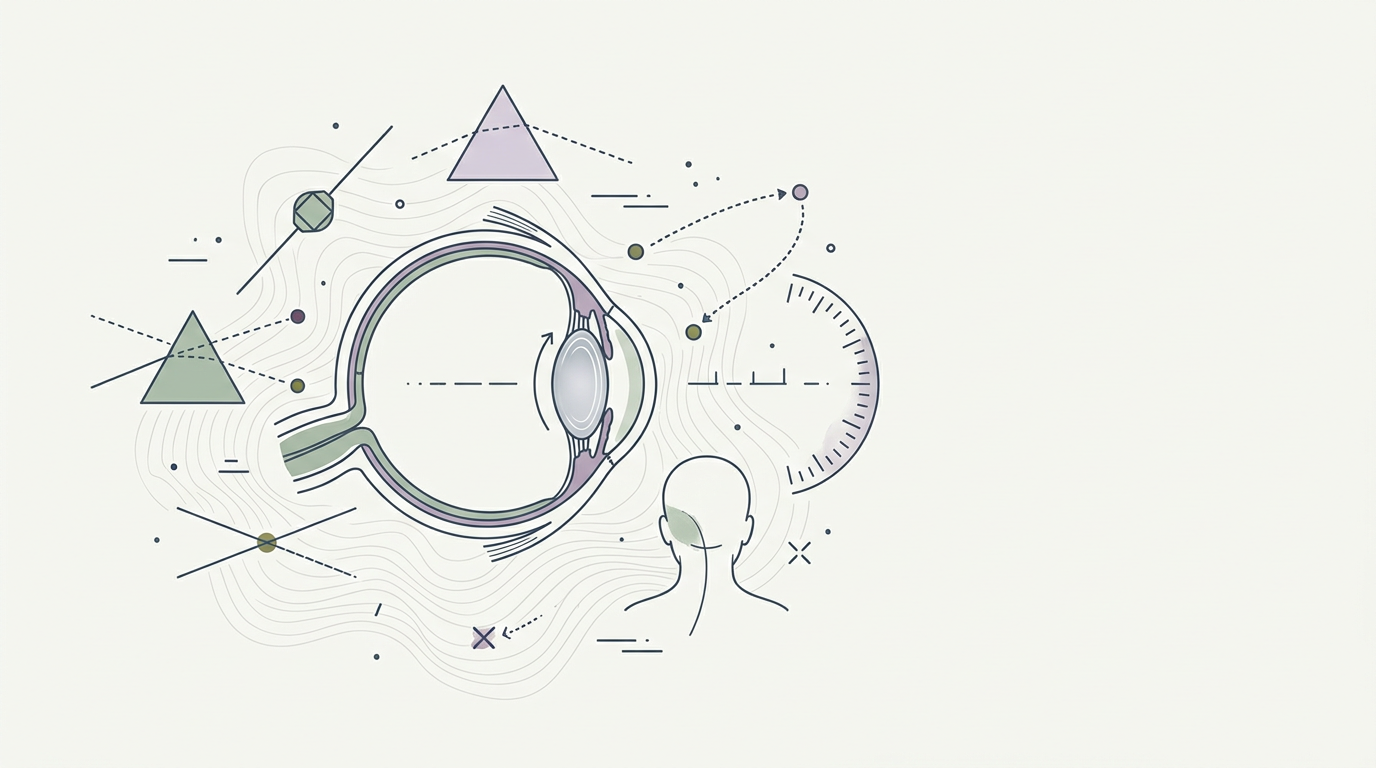
  • Northern Territory criticized for child protection law ignoring experts

    news · 2026-08-02 · Croakey Health Media

    The Northern Territory Government in Australia is facing strong criticism from health and child welfare experts for new child protection laws. Critics argue these laws will undermine the safety, health, and mental well-being of Aboriginal children. The government is accused of ignoring evidence and expert advice in pushing through these reforms.

    Sabin's take. Ignoring expert consensus in child protection policies isn't just about bureaucracy; it's about directly messing with nervous system development. When vulnerable kids, especially Indigenous populations with generational trauma, face unstable environments, their HPA axis is constantly on high alert. This chronic stress response rewires their brains, impacting everything from cortisol regulation to their ability to form secure attachments and manage emotions. These policy decisions aren't abstract; they dictate the everyday chemical bath these children live in. The long-term cost isn't just social, it's physiological: higher rates of chronic disease, addiction, and mental health crises. The wellness world talks about 'regulating your nervous system' for adults, but here's a government actively deregulating it for an entire generation of children. Watch for the public health fallout in years to come.

    #policy #mental-health #nervous-system #climate

  • Neurosurgeon Explores How Running Shoes Impact Brain Activity

    news · 2026-08-02 · Videnskab.dk (Health)

    A Danish neurosurgeon is researching if changing sensory input from feet, via different running shoes, can alter brain activity and movement patterns. This study focuses on how the brain processes signals from the feet, potentially impacting overall nervous system function. The research aims to explore the real science behind footwear claims beyond marketing hype.

    Sabin's take. So, your feet are basically tiny antennae, constantly pinging signals to your brain about the ground beneath you. This neurosurgeon's digging into whether messing with that input – say, with a different type of running shoe – can actually re-wire your brain's movement patterns. It's not just about cushioning or arch support; it's about the deep mechanics of proprioception and how your central nervous system interprets every step. If they find clear changes in brain activity, it could turn the entire footwear industry on its head, shifting focus from pure biomechanics to neural feedback. Imagine shoes engineered not just for your gait, but for optimizing your brain's processing of movement. This isn't just about faster times; it's about potentially improving stability, reducing injury risk, and even impacting cognitive function through refined sensory-motor integration.

    #device #research #nervous-system #fitness #recovery #longevity

  • Study finds collectors foster better conversations, boosting social connection

    news · 2026-08-02 · Videnskab.dk (Health)

    A Danish study highlights how people who collect things aren't just hoarding objects; they're creating conditions for deeper, less awkward conversations. Their shared passion acts as a social lubricant, reducing friction and fostering connection. This mechanism helps alleviate the social stress that often accompanies new interactions.

    Sabin's take. Turns out, having a quirky passion — like collecting vintage stamps or rare vinyl — makes you better at talking to people. This isn't just about finding common ground; it's about the dopamine hit you get from sharing something you genuinely care about, which disarms the nervous system and lowers social anxiety. When you're excited, your conversational partner picks up on that ease, creating a positive feedback loop that overrides the typical awkwardness of a new interaction. Think of it as a low-stakes way to practice vulnerability and connection. The takeaway: lean into your niche obsessions, not just because they bring you joy, but because they prime your brain for better human connection. The more you talk about things that genuinely light you up, the more natural and engaging you become, which is great for your vagal tone and overall mental health.

    #culture #research #mental-health #nervous-system #consumer-signal

  • Victoria's Premier praised for women's and Aboriginal health focus

    news · 2026-08-02 · Croakey Health Media

    Victoria's Premier Jacinta Allan is getting props from health groups for her focus on women's and Aboriginal health. This acknowledgment comes as the state gears up for a three-way election, with the Royal Australian College of GPs also weighing in on member interests.

    Sabin's take. It's always a good sign when policy makers get called out for prioritizing actual human bodies, even if it's during election season. Women's health isn't just about reproductive organs; it's about acknowledging the systemic gaps in research and care that impact everything from cardiovascular health to autoimmune conditions, which often present differently in women. And Aboriginal health? That's about addressing historical and ongoing trauma, environmental factors, and access to culturally safe care — all of which directly impact nervous system regulation and generational wellbeing. This isn't just optics; it's a recognition that health policy needs to be deeply intersectional to actually move the needle on population-level wellness. Watch for other regions to start leaning into these specific demographics as core health issues, not just side notes.

    #policy #mental-health #hormones #nervous-system #longevity #menopause

  • Finland study questions common knee pain treatment efficacy

    news · 2026-08-02 · Croakey Health Media

    A new Finnish study raises doubts about the effectiveness of a common treatment for knee pain, specifically for torn and degenerative cartilage. The research, highlighted in Croakey Health Media, suggests current interventions for this type of knee issue may not be as beneficial as widely believed.

    Sabin's take. Turns out, some of those knee procedures for torn cartilage might not be doing much. The latest from Finland implies we've been over-treating something that, for many, resolves on its own or with less invasive methods. This isn't just about avoiding an unnecessary surgery; it's about not disrupting your body's natural healing and maintaining joint integrity. Every intervention comes with a cost, not just financial, but in terms of recovery time, potential complications, and what it does to your movement patterns. The takeaway here? When it comes to cartilage, the 'wait and see' approach, coupled with targeted movement therapy, might be the smarter play than rushing to the knife. Your nervous system is already dealing with enough perceived threats; let's not add an elective one if we don't have to.

    #research #recovery #fitness #nervous-system #longevity

  • Victoria considers cutting 'world-leading' health agency VicHealth

    news · 2026-08-02 · Croakey Health Media

    Victoria's government is debating the closure of VicHealth, a health promotion agency recognized globally for its public health campaigns and research. Critics say dismantling the organization would eliminate a vital, independent voice for public health policy and prevention in Australia. The potential move comes amid a broader government reshuffling and budget review.

    Sabin's take. Talk about shooting yourself in the foot. VicHealth isn't just another agency; it's spent decades shaping public health, from reducing smoking rates to promoting mental wellness. Pulling the plug means losing that institutional knowledge, and worse, an independent body that can actually push back against industry influence. The real play here looks like a government trying to consolidate power and silence anyone who might challenge their decisions, even if it means sacrificing genuine public health gains. Watch for other governments to follow suit, especially as budgets tighten and 'efficiency' becomes the new buzzword. This isn't about saving money; it's about control, and it'll impact everything from how your food is labeled to the mental health resources available. It’s a chilling reminder that prevention is often the first thing cut, even though it's the foundation of community health.

    #policy #mental-health #nutrition #longevity #nervous-system

  • Nature connection shown to benefit dementia patients in Tasmania

    news · 2026-08-02 · Croakey Health Media

    Researchers in lutruwita/Tasmania are exploring how connecting with nature can improve well-being for people with dementia. The collaborative project focuses on leveraging green spaces as a therapeutic intervention for cognitive and emotional health.

    Sabin's take. Here's what this really means: getting outside isn't just 'nice'; it's a legitimate clinical tool for brain health, especially as we age. For people with dementia, this research points to a non-pharmacological pathway to better mood regulation, reduced agitation, and possibly even improved cognitive function. Think less about expensive pharmaceuticals and more about accessible, low-cost interventions that tap into the nervous system's fundamental need for natural stimuli. It's about grounding the HPA axis, nudging vagal tone, and modulating dopamine and serotonin release through simple sensory inputs – sunlight, fresh air, natural sounds. This isn't just about 'feeling good'; it's about physiological changes that can genuinely improve quality of life and potentially slow decline. Watch for more clinicians and care facilities to start prescribing nature-based therapies as part of standard dementia care protocols.

    #research #mental-health #nervous-system #longevity #cognition #dementia

  • Solar Eclipse: Danish Professor Explains Eye Damage Risks

    news · 2026-08-02 · Videnskab.dk (Health)

    A Danish professor clarified how looking at the sun during an eclipse can harm your eyes and whether welding glasses offer protection. This comes as the moon passes in front of the sun on August 12, prompting questions about safe viewing.

    Sabin's take. Heads up, everyone staring at the sky: a Danish professor is here to kill your eclipse-viewing vibe, but in a good way. The takeaway is simple: your retinas are not meant for direct sun exposure, especially not concentrated rays. Don't eyeball the eclipse, period. Whether it's a partial or total eclipse, those direct UV and infrared rays can cook your photoreceptor cells, leading to permanent blind spots or solar retinopathy. And no, your fancy welding mask probably isn't cutting it unless it's specifically rated for solar viewing. Stick to certified eclipse glasses or pinhole projectors. The human eye doesn't have pain receptors on the retina, so you won't feel the damage until it's too late. Your vision's not worth the 'gram.

    #research #nervous-system #longevity #consumer-signal

  • Human and ape laughter mechanisms share 15-million-year-old origins

    news · 2026-08-02 · Videnskab.dk (Health)

    New research from Videnskab.dk suggests the physical ability to laugh, involving facial muscle tension and mouth movements, evolved up to 15 million years ago. This capacity is shared by humans and other great apes. The findings push back the evolutionary timeline for laughter, hinting at deeper biological roots for a key social behavior.

    Sabin's take. So, that gut-busting laugh you let out watching a TikTok? It's not some modern human quirk. Turns out, the mechanics of laughter, the whole facial contortion and vocalization, might be 15 million years old, a shared trait with our ape cousins. This isn't just a fun fact for your next dinner party; it rewires how we think about the evolutionary role of social connection and nervous system regulation. Laughter isn't just 'good for you' in some abstract way; it's an ancient, deeply embedded biological tool for bonding, stress relief, and perhaps even signaling safety within a group. It impacts vagal tone and cortisol levels, whether you realize it or not. The next time you're belly laughing, remember you're tapping into a very old, very effective way your body self-regulates and connects.

    #research #mental-health #nervous-system #longevity #consumer-signal

  • EU declares climate change a security emergency after wildfires

    news · 2026-08-02 · Croakey Health Media

    The UK, France, and Spain issued a joint statement pushing for urgent climate action, after devastating wildfires and heatwaves across Europe. Australian scientists warn these fires will cause a spike in emissions and affect human health.

    Sabin's take. Europe is officially calling climate change a national security threat. This isn't just about melting ice caps anymore; it's about immediate, direct impacts on human bodies and public health systems. Think air quality going to hell from smoke, heat stress pushing cardiovascular systems to their limits, and the mental health toll of displacement and destruction. The climate crisis is rapidly becoming a nervous system crisis — chronic stress, disrupted sleep from extreme heat, anxiety about the future. What starts as an environmental issue lands squarely in your gut and brain. Watch for more policy around 'climate resilience' that translates into direct health interventions, not just sustainability pledges. Expect the definition of 'wellness' to expand to include coping mechanisms for a world on fire.

    #climate #policy #mental-health #nervous-system #recovery #resilience

  • Inflammatory Diseases Double HPV Cancer Risk

    news · 2026-08-02 · Deutsches Ärzteblatt

    A new study reveals people with immune-mediated inflammatory diseases (IMIDs) face nearly double the risk of HPV-related cancers or severe dysplasias. This covers cervical, vaginal, vulvar, and anal cancers compared to a control group. The findings are published in RMD Open.

    Sabin's take. If your immune system is already busy fighting chronic inflammation, it might be too distracted to properly handle HPV. That's the read here: conditions like Crohn's, lupus, or psoriasis aren't just uncomfortable, they can leave you more vulnerable to other nasties, specifically HPV-linked cancers. It's not just about immune suppression from meds, but the underlying inflammation itself. This isn't groundbreaking new science that overhauls everything we know about immunity, but it’s a strong signal for people managing chronic inflammatory conditions to be extra diligent with their HPV screenings and vaccinations. Basically, if you're dealing with an IMID, your body is already under a certain level of stress, and this study points to one more area where that stress can show up. Get screened, stay vaccinated, and listen to your body.

    #research #immunity #inflammation #longevity #nervous-system

  • Professor Offers 7 Tips to Avoid Post-Vacation Stress

    news · 2026-08-02 · Videnskab.dk (Health)

    A psychology professor from the University of Copenhagen published seven concrete tips to manage the nervous system after a vacation. The advice focuses on small, actionable steps like scheduling buffer time and reconnecting with daily routines. It's for anyone dreading the post-holiday slump and wants to keep their cortisol in check.

    Sabin's take. Ah, the "back-to-work dread." We've all been there, and a Danish psychology professor just dropped some simple, effective advice for it. Instead of pretending your vacation magically erased all stress, the core idea here is managing your nervous system's re-entry. It's not about avoiding work, but about cushioning the blow so your HPA axis doesn't go into overdrive. Think of it as pre-emptive vagal nerve care: ease back in, don't jump straight into the deep end. The actual mechanism at play here is minimizing the acute stress response by setting realistic expectations and building small, positive routines back into your day. This prevents a cascade of cortisol and helps maintain a sense of control, which is huge for mental well-being. What to watch: these basic, almost mundane tips often work better than complex "wellness rituals" because they're actually achievable.

    #mental-health #nervous-system #recovery #workplace #research

  • Australian Labor Party to boost mental health and long-COVID care

    news · 2026-08-02 · Croakey Health Media

    The Australian Labor Party's 50th National Conference focused on health reforms, including increased support for mental health services and better care for long COVID. This policy shift means more resources for chronic illness management and mental wellbeing access. It's a big deal for Australians struggling with these conditions.

    Sabin's take. The Australian Labor Party just put mental health and long COVID support on its priority list. This isn't just bureaucratic fluff; it's a signal that governments are finally catching up to the reality that chronic post-viral illness and nervous system dysregulation are major public health burdens. More resources for mental health could mean better access to evidence-based therapies that help regulate cortisol and improve vagal tone. For long COVID, it's about acknowledging the widespread impact on metabolic health, cognitive function, and systemic inflammation. Watch for how these policies translate into actual clinic openings, increased specialist training, and funding for research into effective interventions. This is a move toward more integrated health care that impacts everything from sleep architecture to daily energy levels for a significant chunk of the population.

    #policy #mental-health #nervous-system #longevity #recovery #climate
  • Germany updates cancer palliative care guidelines to include relatives

    news · 2026-08-02 · Deutsches Ärzteblatt

    Germany's S3 guideline for palliative care in incurable cancer patients just got an update, now including dedicated chapters on family support and caregiver relief. Led by the German Society for Palliative Medicine, this moves beyond just the patient to acknowledge the whole support system. It’s a big deal for mental health and nervous system regulation for everyone involved.

    Sabin's take. Okay, so Germany's updated its cancer palliative care guidelines. The headline here isn't just about the patient anymore, it's about the entire family unit, which is a massive shift. Think about the chronic stress, grief, and nervous system dysregulation that hits everyone caring for someone with a terminal illness. These new guidelines — spearheaded by the German Society for Palliative Medicine — actually acknowledge that by adding chapters on family support. This means more resources for caregivers, potentially reducing their own burnout and improving their mental health during an incredibly tough time. It's not just 'comfort the patient,' it's 'support the people holding space for that patient.' This is policy catching up to the reality of human relationships and the immense toll that caregiving takes on the body and mind. Expect other national health systems to eventually follow suit because the cost of unsupported caregivers is massive, both emotionally and economically.

    #policy #mental-health #nervous-system #recovery #longevity

  • Early Menopause Linked to Higher Blood Pressure Risk

    news · 2026-08-02 · Deutsches Ärzteblatt

    New research from Deutsches Ärzteblatt found women entering menopause before age 40 face a significantly higher risk of high blood pressure, especially those between 25 and 35. This suggests that the timing of menopause might be a crucial, under-recognized indicator for cardiovascular health later in life. The study highlights the direct impact of hormonal shifts on a woman's long-term health trajectory.

    Sabin's take. For women, early menopause isn't just about hot flashes and mood swings; it's a flashing red light for their heart health. This study shows if you hit menopause before 40, your chances of high blood pressure jump, and if it's before 35, the risk is even steeper. It's a clear signal that the body's hormonal systems, particularly estrogen, play a much bigger role in vascular health than we often acknowledge. The drop in estrogen doesn't just affect bone density or cognitive function; it appears to directly influence arterial stiffness and blood pressure regulation. This isn't just a 'be aware' moment, it's a 'talk to your doctor about monitoring your blood pressure earlier' moment. You need to know if your personal hormonal timeline puts you in a higher-risk category, so you can actively manage that risk, rather than waiting for symptoms to appear.

    #research #menopause #hormones #longevity #nervous-system #cardiovascular-health

  • Focal Ultrasound Therapy Shows Long-Term Success for Prostate Cancer

    news · 2026-08-02 · Deutsches Ärzteblatt

    New UK registry data reveals that high-intensity focused ultrasound (HIFU) and cryotherapy effectively treat early-stage prostate tumors, with promising 10-year results. Published in *European Urology*, the study followed patients undergoing these less invasive procedures, offering a gentler alternative to traditional surgery or radiation. It means men can potentially avoid aggressive treatments while still managing their cancer.

    Sabin's take. This isn't just about prostate cancer; it's about pushing the envelope on 'less is more' when it comes to medical intervention, even for serious stuff. Focal therapies like HIFU or cryo are basically hyper-targeted strikes that take out the problem while leaving the surrounding tissue mostly undisturbed. That's huge for quality of life, minimizing the side effects like incontinence or erectile dysfunction that often come with more aggressive treatments. It’s a win for the nervous system too, knowing you can manage a health threat without your body taking a massive hit. The 10-year data here basically says this isn't just a band-aid; it's a legitimate, durable solution. Expect to see this precision-strike approach expand to other localized conditions where traditional 'scorched earth' methods create too much collateral damage. It also signals a move towards more personalized oncology, where treatment aligns with the specific tumor and patient needs, not just a standard protocol.

    #research #longevity #device #nervous-system #recovery #hormones

  • Germany Warns of Methadone Dosing Errors in Addiction Treatment

    news · 2026-08-02 · Deutsches Ärzteblatt

    Germany's medical association, Deutsches Ärzteblatt, issued a warning about significant dosing risks when switching patients between methadone and levomethadone for opioid addiction treatment. The warning follows a case where a patient was accidentally given a 2.5-fold overdose due to confusion between milligrams and milliliters. This highlights a critical need for dose adjustment and clearer guidelines for patients transitioning care.

    Sabin's take. This isn't just a German problem; it's a critical safety issue lurking in every country that uses opioid replacement therapy. The article nails it: switching from methadone to levomethadone needs a precise dose conversion. A milligram is not a milliliter, and this error put a patient in the hospital with a 2.5x overdose. Addiction treatment, especially for opioid use disorder, hinges on carefully titrated doses to manage withdrawal and prevent relapse without causing toxicity. Mistakes like this compromise patient trust and safety, especially when individuals are already in a vulnerable state. This kind of policy clarity and careful protocol design is exactly what we need to see from health ministries everywhere. It's a reminder that even common medications can become dangerous if the system isn't airtight, especially when different formulations are involved. Watch for other national medical bodies to review their own guidelines.

    #policy #mental-health #nervous-system #addiction #recovery #research

  • IVF Linked to Higher Hormone-Sensitive Cancer Risk, Study Finds

    news · 2026-08-02 · Deutsches Ärzteblatt

    Australian researchers found a higher risk of hormone-related cancers after fertility treatments in a large cohort study. The analysis from the German medical journal suggests underlying infertility conditions, like endometriosis, might be a confounding factor rather than the treatment itself. The study followed women who underwent fertility treatments and identified an elevated risk for certain cancer types, though further research is needed to pinpoint causation.

    Sabin's take. This new research from Australia throws a wrench into the 'IVF is perfectly safe' narrative, linking fertility treatments to an increased risk of hormone-sensitive cancers. Before anyone panics, the researchers are quick to point out that the *underlying infertility issues* themselves – think endometriosis or PCOS, both major hormonal disruptors – could be the real culprit, not the IVF. This is a classic chicken-or-egg scenario. If you're already dealing with a dysregulated hormonal system that made conception difficult, then adding exogenous hormones might just exacerbate an existing vulnerability. It's a reminder that a 'solution' often comes with its own biological ripple effects, especially when you're messing with delicate hormonal balance. The takeaway isn't to fear IVF, but to understand your own body's baseline hormonal health going into it, and to continue monitoring long after.

    #research #hormones #fertility #longevity #women-health #nervous-system

  • Dementia Risk Factors Vary by Region, Study Finds

    news · 2026-08-02 · Deutsches Ärzteblatt

    An international study of over 214,000 older adults across 14 countries found that the prevalence and patterns of modifiable dementia risk factors differ significantly worldwide. Published in The Lancet Healthy Longevity, the research suggests that public health strategies for dementia prevention need to be tailored to specific regions and income levels, challenging a one-size-fits-all approach.

    Sabin's take. This study just dropped a truth bomb: what puts your brain at risk for dementia isn't the same everywhere. Turns out, things like education levels, diabetes, and alcohol use aren't static threats; their impact on cognitive decline shifts dramatically across cultures and economies. This means the blanket advice for "brain health" we often hear might be totally missing the mark for huge chunks of the global population. Instead of just pushing the same handful of prevention tips, we need nuanced, region-specific strategies. It's a clear signal that global health bodies and local governments need to get smarter about how they tackle brain aging, focusing on the specific stressors and systemic issues present in each community. Expect more hyper-localized health recommendations as this kind of data becomes harder to ignore.

    #research #longevity #mental-health #nervous-system #nutrition #policy

  • Liver Disease Mortality Differs by Sex, Study Finds

    news · 2026-08-02 · Deutsches Ärzteblatt

    A new study in JAMA Network Open found that men with liver cirrhosis are more likely to die from liver cancer, while women are more likely to die from liver failure. This large, population-based study indicates that sex-specific care for liver disease might be necessary. It means doctors should consider these differences when treating patients.

    Sabin's take. So, liver disease isn't a one-size-fits-all kind of problem, especially when it comes to the final act. This new data suggests that the physiological response to cirrhosis might be fundamentally different between sexes. For men, it’s often a progression to hepatocellular carcinoma, basically uncontrolled cell growth. For women, it looks like a systemic organ shutdown, with the liver just giving up. This isn't just an interesting biological tidbit; it means current treatment protocols might need a serious re-think, moving towards sex-specific interventions to improve outcomes. Think about how hormones, or even different metabolic pathways, might be driving these divergent paths. This also highlights how crucial early detection and tailored care for liver health really are, because what saves one person might not save the next. It’s a good reminder that your body’s unique chemistry matters.

    #research #hormones #longevity #gut #nutrition

  • Photographer documents humane hospice care in the UK

    news · 2026-08-02 · The Lancet

    Photographer Eleanor Bentall's new project, published in *The Lancet*, showcases intimate hospice care in the UK. Moving from birth to end-of-life, her photos highlight the humanity and social value of palliative care. The work aims to spark a broader conversation about how society supports people nearing death.

    Sabin's take. Switching from maternity to end-of-life photography, Bentall's lens shifts focus from one major nervous-system event to another: birth trauma and grief to the deep emotional and physical process of dying. It’s a quiet but essential reframing of a part of life most of us avoid thinking about. When death comes into focus, the parasympathetic nervous system—the one for rest, digest, and 'tend and befriend'—becomes paramount. Hospice isn't just medical; it's about minimizing distress, managing pain, and providing comfort so the body and mind can process. This project pushes us to acknowledge that end-of-life care is critical for collective mental health, not just for the dying but for those left behind. Expect more focus on 'conscious dying' and integrated palliative support as a wellness frontier.

    #culture #research #mental-health #nervous-system #longevity #recovery
  • Elite coaches apply 'constraints' to athletic training

    news · 2026-08-02 · Mindbodygreen

    High-level coaches are using a 'constraints-led approach' to train athletes, emphasizing intuitive movement over rigid instructions. This method focuses on adjusting environmental factors, equipment, or rules to naturally guide athletes toward desired motor skills and adaptations.

    Sabin's take. So, you're telling me elite athletes aren't just doing endless reps of bicep curls? Wild. The 'constraints-led approach' isn't just about getting stronger; it's about making the body smarter by forcing it to adapt in real-time. Instead of a coach yelling 'keep your elbow tucked,' they might give an athlete a lighter ball, or narrow the playing field, making the 'tucked elbow' a natural outcome of the challenge. This works because it taps into the nervous system's ability to learn and refine motor patterns without conscious oversight, reducing cognitive load during performance. It's less about prescriptive movement and more about problem-solving, which ultimately builds resilience and reduces injury risk because the body's not just following orders, it's learning to optimize its own movement solutions. Watch for this approach to trickle down into more mainstream fitness, because who doesn't want to move better without thinking so hard about it?

    #fitness #recovery #nervous-system #longevity #movement

  • Your Diet Trumps Blood Pressure Numbers

    news · 2026-08-02 · Mindbodygreen

    Mindbodygreen reports that what you eat might matter more for heart health than just your blood pressure reading. They’re highlighting that dietary patterns can contribute to cardiovascular risk factors that traditional BP checks miss. It’s a push for looking beyond single metrics.

    Sabin's take. So, your diet is basically a sneak attack on your heart health, and your blood pressure numbers are sometimes playing dumb. It's not just about hitting those 'normal' systolic and diastolic figures; it's about what you're fueling your body with daily. Inflammation, oxidative stress, blood sugar dysregulation — these silent killers don't always scream 'high blood pressure' until they've already set up camp. This piece is a good reminder that your metabolic health (which diet directly impacts) is the real signal. Your blood pressure could be pristine while your arteries are quietly taking a beating from a steady stream of ultra-processed junk. It means you can't just rely on your annual check-up to tell you everything. Pay attention to how food makes you feel, how your energy shifts, and what your gut is telling you. The numbers are a lagging indicator; your body's a leading one.

    #nutrition #gut #longevity #nervous-system #research #mental-health

  • Creatine Benefits Women More Due to Lower Baseline Stores

    news · 2026-08-02 · Mindbodygreen

    New research suggests women might get more out of creatine supplements than men because they naturally have lower creatine levels. This means bigger relative gains for brain health, mood, and muscle function. It's not just about lifting heavier; it’s about a wider range of nervous system benefits.

    Sabin's take. Creatine isn't just for bros trying to bulk up. Turns out, women might have a physiological advantage in benefiting from it, largely because their natural creatine stores start lower. This isn't just about muscle energy during a workout, though that's part of it. Creatine is a big deal for brain energy, impacting mood stability, stress response, and even cognitive function — all things that fluctuate wildly with hormonal cycles. For women, who often deal with larger swings in estrogen and progesterone, creatine could act like a buffer for the nervous system, helping to stabilize energy availability in neurons. So, while men might see marginal gains, women could unlock a wider spectrum of resilience. Pay attention if your energy dips or your mood shifts with your cycle; creatine might be more than a gym hack for you.

    #research #supplement #nutrition #hormones #mental-health #nervous-system

  • Split workday might boost mental recovery, study finds

    news · 2026-08-02 · Mindbodygreen

    A new study in the *Journal of Occupational Health Psychology* with 300 participants suggests working a split day, with a significant mid-day break, improves mental recovery from work stress. Researchers found this structure leads to fewer physical stress symptoms like headaches and muscle pain. It’s about creating genuine distance from work, not just logging off.

    Sabin's take. Turns out, cramming your workday into one block might be messing with your head more than you think. This study isn't saying work less, it's saying break better. That mid-day pause lets your nervous system actually downregulate, reducing cortisol spikes and giving your brain a real chance to shift gears. It's about designing your day to optimize your HPA axis function, not just your task list. Think about it: if you're not fully recovering between work sprints, you're constantly running on fumes, accumulating mental fatigue, and increasing your susceptibility to burnout. This isn't just about feeling good; it's about optimizing your capacity to handle stress over the long haul. Time to start advocating for a proper lunch break, or maybe even a nap.

    #research #workplace #mental-health #nervous-system #recovery #sleep

  • Periodontitis Linked to Joint Pain, New Research Finds

    news · 2026-08-01 · Mindbodygreen

    A new study in the *Journal of Periodontology* found a significant link between gum disease (periodontitis) and joint pain. Researchers observed that individuals with periodontitis reported more frequent and severe joint pain, suggesting oral inflammation might fuel systemic issues. This means your teeth cleaning might matter more than you think for overall body comfort.

    Sabin's take. So, your dentist just became part of your recovery team. This study isn't saying gum disease *causes* joint pain, but it's another clear signal that inflammation doesn't stay neatly quarantined. Think of your mouth as ground zero for a low-grade immune system alert. If that alert keeps buzzing, it's not a huge leap to see how it might contribute to body-wide aches, including in your joints. This isn't just about bad breath or cavities; it's about your immune system, which then impacts everything from pain perception to actual tissue health. For anyone chasing less inflammation, this is a reminder that what happens above your neck has ripple effects. Clean up your mouth, maybe you clean up your joints. It's a cheap, easy win for systemic calm.

    #research #inflammation #gut #nervous-system #recovery #longevity

  • New Breast Cancer Research Highlights Magnesium, Zinc

    news · 2026-08-01 · Mindbodygreen

    A new review by Mindbodygreen highlights magnesium and zinc as overlooked micronutrients that could play a significant role in reducing breast cancer risk. The article connects these minerals to cellular regulation, inflammation, and hormone balance. This signals a growing consumer focus on micronutrient optimization for disease prevention.

    Sabin's take. Okay, so two of your basic mineral supplements are getting a glow-up for breast health. This isn't groundbreaking, but it is a good reminder that your baseline nutrient intake matters more than any fancy detox or superfood. Magnesium helps with DNA repair and cell growth regulation, while zinc is key for immune function and hormone metabolism. When those systems are humming, your body is just better at fighting off everything, including rogue cells. What's interesting here is the framing: 'overlooked.' It taps into that desire for a secret weapon, when really, it's often the boring fundamentals that make the biggest difference. Expect more brands to start highlighting these 'unsung hero' nutrients in their formulations, linking them to specific disease-prevention claims beyond the usual 'energy' or 'stress' benefits. Don't fall for the hype; just make sure you're getting enough from food first.

    #research #nutrition #supplement #hormones #longevity #gut

  • Raide's LF 5L Vest Aims to Streamline Trail Running Gear

    news · 2026-08-01 · Outside Online

    Raide launched its LF 5L Vest, a new trail running pack designed to ease the burden of carrying gear during long runs. It features innovative storage solutions and a lightweight build for improved comfort and performance. This product targets serious trail runners looking to optimize their carrying capacity without compromising speed or nervous system regulation.

    Sabin's take. Okay, another running vest. But the real story here is the ongoing arms race in performance gear designed to make big efforts feel easier — or at least, less taxing on your nervous system. Every gram, every jostle, every bit of discomfort on a long trail run adds up to cumulative stress, spiking cortisol and diverting precious metabolic resources. When your brain is busy processing 'ouch, my shoulder' or 'where's that water bottle?', it's not fully engaged in optimizing gait, maintaining pace, or staying present. Brands like Raide are chasing marginal gains by obsessing over how to minimize sensory input and physical burden, so your body can stay in a more parasympathetic state for longer. It’s less about just carrying stuff, and more about carrying it so well you barely notice it, extending your ability to perform without hitting that stress wall. This isn't just for pros; it’s for anyone who wants to push their limits and feel better doing it.

    #device #launch #fitness #recovery #nervous-system #longevity

  • Midlife Sleep Change Is More Than Just Fewer Hours

    news · 2026-08-01 · Mindbodygreen

    Forget just fewer hours; midlife sleep shifts to less REM and deep sleep, impacting memory and emotional regulation. This isn't about total time in bed, but the quality of sleep, which changes hormone regulation and brain function. It means women need to focus on sleep architecture, not just sleep quantity, as they age.

    Sabin's take. This isn't just about feeling tired. Midlife sleep changes mean your brain isn't cleaning itself up as efficiently, your emotional responses might be a little hairier, and your memories could be hazier, all thanks to less REM and deep sleep. It’s not simply less time under the covers; it's a fundamental shift in how your brain processes the day and prepares for the next. This has everything to do with shifting hormones, particularly estrogen, which impacts neurotransmitter function and how your brain regulates sleep cycles. So, ditch the "sleep more" mantra and start thinking "sleep better." That means focusing on rituals that promote those deeper, more restorative stages of sleep, like consistent bedtimes, blackout curtains, and cutting out that pre-bed scroll. Because a few hours of junk sleep won't do what a solid hour of deep sleep will for your nervous system.

    #sleep #menopause #hormones #nervous-system #mental-health #research

  • One Breakfast Swap May Lower Diabetes Risk

    news · 2026-08-01 · Mindbodygreen

    Swapping refined carbs for healthy fats and protein at breakfast could counteract genetic risk factors for type 2 diabetes. A new mindbodygreen piece discusses how specific dietary changes can impact blood sugar regulation, even for those with a predisposition.

    Sabin's take. Okay, so mindbodygreen is saying what your grandma probably already knew: eat real food, especially in the morning. The 'groundbreaking' insight here is that tweaking your breakfast can buffer your genes. The mechanism is straightforward: protein and fat slow glucose absorption, reducing post-meal blood sugar spikes. That's a good thing for your insulin sensitivity and your pancreas, which isn't constantly in overdrive trying to clear sugar. If you've got a genetic hand that stacks the odds against you for diabetes, this isn't a magic bullet, but it's a solid move. It means less metabolic stress, which your nervous system will quietly thank you for. This isn't about some fancy new supplement, it's about basic diet mechanics affecting a core body process. Keep an eye on the personalized nutrition space for more detailed gene-specific advice, but for now, eggs beat Pop-Tarts.

    #nutrition #blood-sugar #gut #hormones #longevity #research

  • Cancer Survivors Face Higher Dementia Risk

    news · 2026-08-01 · Mindbodygreen

    New research finds cancer survivors are 2.3 times more likely to develop dementia, with post-treatment inflammation and oxidative stress contributing factors. This increased risk is significant, highlighting a critical, often overlooked long-term health concern for millions. It's a reminder that getting through cancer is just the first hurdle.

    Sabin's take. So, you beat cancer, but the battle might not be over for your brain. This study isn't saying cancer *causes* dementia, but it suggests the whole ordeal — the cancer itself, the treatments, the stress — creates a biological environment that makes dementia more likely. We're talking chronic inflammation and oxidative stress sticking around long after remission, which are like tiny, persistent attacks on your neural pathways. Think of it less as a direct hit and more like collateral damage that builds up over time. For anyone who's gone through cancer treatment, this isn't just a scary statistic; it's a call to action to manage post-treatment inflammation and support brain health, because clearly, the body remembers the war long after the peace treaty is signed. The big question now is how early and how effectively we can intervene.

    #research #longevity #mental-health #nervous-system #inflammation

  • Magnesium Might Be Your Brain's Best Stress Buffer

    news · 2026-08-01 · Mindbodygreen

    A new piece points to magnesium as an often-overlooked nutrient critical for brain function and stress response. The claim? Most people aren't getting enough of it, and that could be messing with your nervous system. It's a reminder to check your plate and maybe your supplement shelf.

    Sabin's take. Yeah, yeah, magnesium. We’ve heard it before, right? But the sheer number of biological processes this mineral impacts, especially around stress, is actually kind of wild. It’s involved in over 300 enzyme reactions, and a chunk of those directly relate to your HPA axis and GABA synthesis — the brain's main calming neurotransmitter. Think of it as the quiet stagehand making sure the whole stress-response show doesn't completely fall apart. So, while it's not a magic bullet, if you're constantly feeling wired or struggling to wind down, a closer look at your magnesium intake isn't a bad idea. Your nervous system is probably silently screaming for it, and frankly, a few extra leafy greens or some well-absorbed mag glycinate could make a real difference in how smoothly your day — and your brain — runs.

    #supplement #nutrition #mental-health #nervous-system #sleep

  • Prior authorization appeals for health claims are a beast, expert says

    news · 2026-08-01 · Healio - Psychiatry & Mental Health

    At the 2026 Rheumatology Nurses Society annual conference, Katie Taylor from Carondelet Rheumatology warned that appealing prior authorization denials requires relentless effort, describing the process as a "beast." She noted there are no shortcuts to winning these appeals, which impacts patient access to care. This means doctors and patients often have to "fight back" to get treatments approved.

    Sabin's take. Your doctor might be a genius, but they're still battling insurance companies for basic care approval. This isn't just paperwork; it’s a direct hit to patient nervous systems. When a necessary medication or treatment is held up by an insurer, your body is sitting in a stress state, often for weeks or months. This constant fight for prior authorization approval creates systemic inflammation and elevates cortisol, making recovery and healing harder. It's a system designed to wear down both providers and patients, impacting mental health and delaying essential interventions. The real story here is the silent toll this bureaucratic "beast" takes on patient outcomes and the well-being of healthcare staff. Watch for more legislative pushes to simplify or eliminate this process, as the current model is unsustainable for both health and sanity.

    #policy #mental-health #nervous-system #recovery #hormones

  • Fauci Hearing, Peptides, Kids' Caffeine Consumption Covered by KFF Journalists

    news · 2026-08-01 · KFF Health News

    KFF Health News journalists recently weighed in on the Fauci hearings, the growing interest in peptides, and the surprising rise of caffeine consumption among children. These discussions appeared across various national and local media outlets. The focus was on policy, emerging health trends, and public health concerns.

    Sabin's take. The media's attention shifting to peptides and kids' caffeine intake is telling. While the Fauci hearings might feel like old news for some, the spotlight on peptides signals a clear regulatory battle coming for compounds previously in the gray market. This means the FDA and other global bodies are likely to get more aggressive on everything from obscure bio-regulators to everyday performance boosters, forcing brands to clean up their act. Meanwhile, the noise around kids and caffeine isn't just about energy drinks; it's a proxy for deeper questions around sleep deprivation, processed food intake, and the constant stimulation our nervous systems are dealing with from an early age. Both stories point to an impending collision between consumer demand for quick fixes and a regulatory system playing catch-up. What happens next will reshape the supplement aisle and parent-child battles over sugar and sleep. Get ready for more rules, less wild west.

    #policy #peptide #nutrition #nervous-system #consumer-signal #mental-health

  • Youth amputee soccer initiative boosts social connection, skill development

    news · 2026-08-01 · Front. Sports & Active Living

    A new study in *Frontiers in Sports & Active Living* highlights a youth amputee soccer program in Long Island, New York. It provided a structured environment for skill building and social interaction, with participant caregivers reporting high satisfaction. The program suggests community-based adaptive sports can significantly support social integration and belonging for young people with limb differences.

    Sabin's take. This is less about the sport itself and more about the nervous system impact of community. When you're part of a team, especially one where you're seen and understood, it wires your brain differently. That sense of belonging, peer interaction, and mentorship from adult amputee athletes isn't just 'nice-to-have' — it's fundamental for mental health and resilience. It downregulates chronic stress, builds social cognition, and offers a potent dose of oxytocin. The findings are preliminary, sure, but they show how powerful targeted, inclusive environments are for developing a robust sense of self and managing the daily challenges that come with limb difference. Expect to see more of these specialized programs pop up; the social prescription is often the most effective one.

    #research #fitness #mental-health #nervous-system #recovery #community

  • SuperAgers' memory less about genes, more about brain protection

    news · 2026-08-01 · Longevity.Technology

    New research suggests exceptional memory in 'SuperAgers' (90+ with cognitive function of 50-year-olds) may depend less on genetics and more on the brain's internal protective strategies. This challenges the idea that cognitive aging is purely a DNA lottery, pointing to active biological mechanisms at play. It opens the door for new interventions focused on maintaining brain health.

    Sabin's take. This finding puts another crack in the 'bad genes, bad luck' theory of aging. Turns out, even if your genetic hand isn't perfect, your brain might have a few tricks up its sleeve to keep memory sharp well into your 90s. The takeaway here is less about inheriting a 'longevity gene' and more about understanding the actual biological processes that buffer against cognitive decline. This isn't just about avoiding Alzheimer's; it's about actively promoting the brain's capacity to clean up its own messes and keep firing efficiently. So, while you can't pick your parents, you might soon be able to optimize for these protective mechanisms. Watch for this to drive more research into personalized interventions that aren't just about slowing decline, but actively maintaining peak cognitive function.

    #research #longevity #mental-health #nervous-system #biotech #cognition

  • New virus catalog spots pandemic threats before they spread

    news · 2026-08-01 · The Conversation - Health & Medicine

    Scientists developed a new virus catalogue, identifying 300 pathogens with the highest potential to cause a pandemic. This ranking, based on factors like transmission and severity, aims to help health organizations prioritize research and development for future outbreaks. The catalogue helps global health bodies focus resources on the riskiest viruses.

    Sabin's take. Think of this as an early warning system for your immune system, or rather, the immune system of the planet. We’re used to hearing about emerging pathogens *after* they're already making headlines, but this new catalog tries to get ahead of the curve. By identifying viruses with high transmissibility and nasty symptoms *before* they jump into human populations, the idea is to prevent the next global panic. For you, it means the health authorities might actually be focusing on the right threats, which could translate to quicker vaccine development or better prevention strategies in the future. It's less about what you can do today and more about giving global health groups the data to make smarter bets on what to worry about tomorrow. This is global immunity as a forecast, not a post-mortem.

    #research #policy #biotech #longevity #nervous-system #immunity

  • Cyclospora outbreak hits fresh produce, causing PR crisis for food brands

    news · 2026-08-01 · Modern Retail

    A cyclospora outbreak linked to lettuce and other fresh produce is challenging food brands on how they handle health crises and consumer trust. This highlights a critical, direct link between food safety, the gut, and consumer confidence in the supply chain. The CDC is actively monitoring the situation.

    Sabin's take. So, turns out what goes into your body matters, and when it goes wrong, brands freak out. This cyclospora nightmare is a swift, nasty reminder that the gut is ground zero for consumer trust. If your brand sells anything edible, get ready for everyone to ask for a receipt showing where it came from, how it was handled, and what exactly got sprayed on it. This isn't just about 'PR headaches'—it's about direct, acute GI distress for thousands of people. Watch for a renewed obsession with supply chain transparency, third-party testing, and 'clean' certifications that actually mean something, not just look pretty on a label. This kind of event drives a primal demand for safety that no amount of marketing spin can fix. Your gut doesn't care about your brand story, only what you feed it.

    #policy #consumer-signal #gut #nutrition #immunity

  • Gym 'not-quite-friends' lower stress, boost mood

    news · 2026-08-01 · Psyche

    A new piece explores the Korean concept of 'jeong' and how casual social connections, like those made at the gym, significantly contribute to mental well-being by providing a sense of community without the demands of deep friendship.

    Sabin's take. Yeah, your casual gym buddy is more important than you think. This piece unpacks how those light, 'not-quite-friends' interactions—the nods, the shared complaints about the rowing machine—actually dial down your stress response. It’s not just about getting a workout; it’s about the low-stakes social connection that signals safety to your nervous system. You get a hit of oxytocin, maybe some dopamine, without the cortisol spike that sometimes comes with navigating deeper relationships. The Korean concept of 'jeong' nails it: that feeling of collective belonging. It’s a good reminder that human connection isn't always heavy lifting. Sometimes, it's just showing up in the same room as other people doing their own thing, and that's enough to feel good. Watch for more studies to quantify the specific neurochemical benefits of 'weak ties' like these. It's a real part of recovery.

    #culture #mental-health #nervous-system #recovery #fitness #consumer-signal

  • Complex Training Still Divides Experts

    news · 2026-08-01 · Sports Medicine (Springer)

    Researchers continue to debate the optimal sequencing of resistance and plyometric exercises in "complex training" after a new comment on a Sports Medicine review. The back-and-forth highlights how much we still don't know about programming for max strength and power.

    Sabin's take. So, even the nerds who study how to get ripped are arguing about the best way to do it. The original paper laid out the historical approaches to complex training (mixing heavy lifting with explosive moves). Then another group chimed in, basically saying, 'Yeah, but you missed a few things and our way is better.' What this really means for your workout is that there's no single, universally agreed-upon formula for spiking strength, power, or hypertrophy. Your body's response to training is less about a perfect recipe and more about finding what stimulates adaptation without overcooking your nervous system. What gets you fired up for a few reps might crush you over a whole cycle. Keep an eye on how different sequencing impacts recovery metrics like HRV and sleep, because that's where the real optimization lives, not just in rep schemes. The body doesn't read textbooks.

    #research #fitness #recovery #nervous-system #longevity

  • New scale measures sport professionals' attitudes towards inclusion

    news · 2026-08-01 · Front. Sports & Active Living

    Researchers in Hungary, led by Dr. Zsolt Vereckei, developed and validated a new 16-item scale to assess pre-service sport professionals' attitudes toward inclusive sports. The Inclusive Sport Attitudes Scale (ISA-PS) was tested across two independent samples of Hungarian university students (n=312 and n=167) in sport-related fields.

    Sabin's take. Okay, so a new psychometric scale to measure attitudes toward inclusive sports among future coaches and trainers. Why should you care? Because inclusive sport isn't just about feeling good; it's about nervous system regulation for *everyone*. When environments are genuinely inclusive, the threat response drops for those who might otherwise feel marginalized, reducing cortisol and supporting vagal tone. This isn't touchy-feely stuff; it's physiological. A scale like this could actually help predict which professionals will create spaces where all bodies feel safe enough to engage, benefit from movement, and experience the dopamine hit of physical activity. Watch for this kind of measurement to become standard in coach training, not as a box-ticking exercise, but as a genuine tool to foster broader access to the mental and physical health benefits of sport.

    #research #fitness #mental-health #nervous-system #recovery

  • Tonal explores rental model for smart fitness machines

    news · 2026-08-01 · Athletech News

    Tonal is rolling out a rental program for its smart fitness mirrors, aiming to lower the barrier to entry for its $3,995 device. This move could signal a shift in how expensive at-home fitness tech reaches consumers struggling with the upfront cost. It's a play to capture more market share after the post-pandemic slump in connected fitness sales.

    Sabin's take. Here's what this means: the 'forever purchase' model for expensive home fitness tech is dead. Tonal, like Peloton before it, is finally admitting that a $4,000 smart mirror is a tough sell, especially when folks are back in gyms. This rental scheme is a direct answer to consumer hesitation, making a high-tech strength training system more accessible. But it also hints at a deeper truth: our bodies need variety. Commitment to a single piece of equipment, even a smart one, doesn't always align with how real people train or how nervous systems respond to novel stimuli. Expect more high-end fitness brands to follow suit, offering subscriptions or rentals as they scramble for relevance and recurring revenue. The goal isn't just selling a machine, it's selling an ongoing relationship with your fitness, one that has to evolve with you.

    #device #fitness #recovery #consumer-signal #nervous-system

  • Bodyrok opens 100th Pilates studio, eyes global growth

    news · 2026-08-01 · Athletech News

    Bodyrok, a Pilates franchise, just hit its 100th studio opening. Co-founder Jake Irion says they're aiming to be a 'global category leader' in boutique fitness. This move shows how studio fitness is doubling down on specific modalities to scale.

    Sabin's take. Pilates is having a moment, and Bodyrok hitting 100 studios tells you everything about where boutique fitness is headed. It's not about generic classes anymore; it's about highly specialized movement that promises specific body changes, like core strength, flexibility, and better movement patterns for injury prevention. The mechanism here is controlled resistance training, hitting those smaller stabilizing muscles for improved posture and joint health. Expect to see more chains chasing this kind of 'micro-specialization' for faster growth. The differentiator isn't just the workout, it's the brand experience wrapped around a precise physical outcome. What's next? Every other boutique fitness brand trying to carve out its own niche, promising specific nervous system benefits, not just muscle gain. Watch for the brands that can articulate *why* their specific movement modality delivers on vagal tone or HPA axis regulation.

    #opening #fitness #recovery #nervous-system #movement

  • Europe approves bionic eye for blindness

    news · 2026-08-01 · Singularity Hub

    Europe just approved a new bionic eye implant that pairs with camera glasses to restore vision. The tiny implant communicates visual information directly to the retina, offering a new path for people who've lost their sight.

    Sabin's take. This isn't just a cool gadget story; it's a nervous system reset button for sensory input. We're talking about bypassing damaged photoreceptors and directly stimulating the remaining retinal cells, which then send signals along the optic nerve to the brain. The implication here is massive: not just 'seeing' again, but re-engaging the brain's visual cortex. Think about the cascade of neural activity that kicks off when light hits the retina, influencing everything from circadian rhythms to cognitive processing. This isn't just about restoring a sense; it's about potentially reactivating entire neural pathways that have been dormant. This tech won't just change individual lives; it's going to push the boundaries of what we thought was possible in neural interfacing. What's next? Direct cortical implants that bypass the eye entirely? We're on the edge of a serious sci-fi future, and it's happening faster than anyone predicted.

    #device #biotech #nervous-system #longevity #research

  • Hoarding linked to trauma and anxiety, not just messiness

    news · 2026-08-01 · Psyche

    A new video from Psyche and The Open University explores hoarding disorder through personal testimony, revealing its deep connection to past trauma and anxiety. It reframes the condition from simple disorganization to a complex mental health challenge requiring specific support. The video highlights how emotional distress manifests in physical clutter.

    Sabin's take. The stereotype of a hoarder as just 'messy' or 'lazy' misses the entire point: this isn't about tidiness, it's a nervous system response to overwhelm. When the brain can't process emotional distress, it can seek control and safety in accumulating physical objects, a clear connection to mental health and our internal coping mechanisms. Understanding this link to trauma and anxiety means the interventions need to shift dramatically from 'decluttering' to therapeutic support that addresses the root cause of psychological pain. It's a reminder that what looks like a simple behavioral issue on the surface often has deep, complex nervous system underpinnings. This isn't just about cleaning a house, it's about regulating an internal world that feels out of control. Watch for more nuanced, trauma-informed approaches to conditions like these.

    #mental-health #nervous-system #research #consumer-signal #recovery

  • TSG acquires body care brand Saltair for majority stake

    news · 2026-07-31 · Beauty Independent

    Private equity firm TSG Consumer bought a majority stake in Saltair, a body care brand, from The Center. This marks another big exit for The Center, a beauty incubator known for creating buzz-worthy brands. Financial details of the transaction weren't disclosed.

    Sabin's take. Another day, another private equity firm doubling down on body care that promises more than just scent. Saltair, with its focus on ingredients and "skin barrier" talk, just got scooped up by TSG. This isn't just about selling fancy lotions; it's about signaling to consumers that your bathroom shelf can actually contribute to what's going on under your skin. We've watched how language about hydration (now, "skin barrier function") has shifted from merely cosmetic to something closer to a mechanistic claim of epidermal integrity. Expect more brands to lean into the biological systems that underpin skin health (microbiome, inflammation, cellular turnover) rather than just surface-level glow. The play here is clear: connect the product to a deeper, more compelling health story. Watch for the industry to keep mimicking this playbook.

    #ma #skincare #consumer-signal #skin-barrier #nervous-system

  • PUSH dehydration trial has limits, fluid intake still matters

    news · 2026-07-31 · The Lancet

    A correspondence in The Lancet argues that the Prevention of Urinary Stones with Hydration (PUSH) trial, which found no reduction in stone recurrence from increased fluid intake, overlooked key variables. Authors highlight that the trial's hydration protocol might not have been sufficient for optimal kidney health, and fluid intake still plays a critical role in preventing kidney stones. This suggests we need to look beyond general hydration advice and focus on personalized approaches.

    Sabin's take. So, that big PUSH trial saying more water doesn't help kidney stones? Yeah, not so fast. A new take in *The Lancet* points out the study's hydration targets were kinda low to begin with. Think of it this way: if your baseline is barely enough, a slight bump isn't going to fix a deep-seated problem, especially with a tough-to-crack issue like kidney stones. The body's fluid balance impacts everything from blood pressure to detoxification, and the kidneys are basically your internal water filtration plant. We're still in an era where generic 'drink more water' advice falls flat. What this really tells you is less about water's importance (it's crucial) and more about how nuanced health interventions need to be. My take: instead of broad-stroke recommendations, expect to see more personalized fluid intake advice based on individual activity, climate, and metabolic markers to actually move the needle on things like stone recurrence.

    #research #nutrition #longevity #gut #recovery

  • Proton therapy for head and neck cancer has a hidden risk

    news · 2026-07-31 · The Lancet

    Surgeons raised a red flag in a *Lancet* correspondence regarding a trial comparing two radiation therapies for head and neck cancer. While intensity-modulated proton therapy (IMPT) showed similar quality-of-life outcomes to intensity-modulated radiotherapy (IMRT), the surgeons warn IMPT can complicate future surgeries if cancer returns.

    Sabin's take. Okay, so a new letter in *The Lancet* just dropped, and it's basically saying, 'Hey, that fancy proton therapy? Yeah, it might save your nerves and salivary glands in the short term, but if the cancer comes back, removing it later is a nightmare.' This isn't just about sparing side effects — it's about the literal mechanics of cutting out diseased tissue. IMRT, the older method, causes less tissue fibrosis (scarring) than IMPT. That means if a patient needs a second surgery, the surgeon can actually see what they're doing and get clean margins, without accidentally shredding vital nerves or blood vessels. With IMPT, the tissue gets so fibrotic it's like operating in concrete, which amps up post-surgical complications like swallowing issues, nerve damage, and even death. It forces a hard choice between immediate quality of life and future surgical options.

    #research #longevity #nervous-system #gut

  • UK tobacco ban for anyone born after 2008 now policy

    news · 2026-07-31 · The Lancet

    Starting with individuals born in 2009, the UK plans to ban tobacco sales for life, a generational prohibition designed to prevent smoking initiation. Announced via a Lancet correspondence, this move signals a shift from incremental regulation to a full tobacco cessation strategy. It will likely become one of the most significant public health interventions of its kind.

    Sabin's take. The UK isn't just raising the smoking age; they're creating a literal smoking age that will never be reached for an entire generation. This policy isn't about nudging behavior; it's about making a habit impossible, which is the only real way to tackle addiction at a population level. Expect to see other countries copy this hardline approach, because it removes the 'choice' from nicotine, and therefore the dopamine hit from rebellion. It also means a whole generation will grow up without nicotine messing with their nervous systems, offering a cleaner slate for mental health and chronic disease prevention. Watch the vaping industry pivot harder than ever to retain a customer base, because the big tobacco playbook just got ripped up.

    #policy #mental-health #nervous-system #longevity #recovery #addiction
  • Social Context is Key to Understanding Health Inequalities

    news · 2026-07-31 · The Lancet

    A letter in The Lancet argues that researchers need to get much better at understanding the social and economic context of people's lives to truly grasp health inequalities. The author, who comes from a working-class background, says this personal understanding is crucial for both clinical practice and research to deliver real benefits, hinting that current approaches might be missing the mark on mental health and stress.

    Sabin's take. This isn't just about more data; it's about better data, or rather, better *understanding* of the data we already have. The author here is pointing out that what looks like a health disparity on paper often has roots in chronic stress, financial precarity, or systemic exclusion — all things that hammer the nervous system and HPA axis. When researchers fail to grasp the day-to-day realities of different socioeconomic groups, they miss the invisible forces constantly impacting cortisol levels, sleep cycles, and overall mental health. So, when a new intervention rolls out, it might totally miss the mark for people whose primary "stressor" isn't lack of a fancy diet, but food insecurity. It's a call to action for the academic health world to actually listen, not just survey, and integrate real-world chaos into their models if they want to move the needle on actual health outcomes.

    #research #mental-health #nervous-system #policy #longevity

  • US Cyclospora outbreaks traced to cutbacks in health agencies

    news · 2026-07-31 · The Lancet

    Report from *The Lancet* links rising Cyclospora outbreaks in the US to recent budget cuts in public health agencies. This parasite, often found in fresh produce, causes severe gastrointestinal issues which can persist and impact gut health long-term.

    Sabin's take. Okay, so the FDA is doing less, and we're getting more parasitic infections. No shocker there. Cyclospora isn't just a bad stomach bug; it can mess with your gut biome for months. When public health gets starved, the consequences show up in very real, very unpleasant ways on your plate and in your bathroom. This isn't just about an upset tummy, it's about the erosion of trust in the food supply and the real cost of neglect on your system. Every time a food safety net frays, your immune system is the one that picks up the slack. Think beyond the immediate discomfort; recurring infections teach your gut bad habits, which impacts everything from nutrient absorption to mood. So yeah, budget cuts don't just affect spreadsheets; they affect your gut lining.

    #policy #research #gut #nutrition #nervous-system

  • Ancient 'Ghost Ancestor' DNA Found Hiding in Modern Human Genomes

    news · 2026-07-31 · New Scientist

    Researchers from New Scientist report that fragments of DNA from a long-extinct ancient human species are present within us. By piecing together these genetic traces, scientists hope to reconstruct the full genome of this 'ghost ancestor'. This finding opens new windows into understanding human evolution and our genetic makeup.

    Sabin's take. Okay, so our genomes are basically a genetic mixtape of ancient hookups, turns out. The idea that we're carrying around DNA from some mysterious 'ghost ancestor' isn't just cool sci-fi, it means there are entire chapters of human history written into our cells we haven't even read yet. This isn't just about tracing ancestry; it's about understanding how these ancient genes might still be tweaking our immunity, our metabolism, or even our nervous system's response to stress. Imagine finding a gene from this unknown ancestor that makes you more resilient to certain pathogens, or, conversely, predisposes you to a modern allergic reaction. What else is lurking in there, influencing our biological baseline without us knowing? This kind of deep dive into our genetic past could actually rewrite what we think we know about our present-day biology.

    #research #longevity #biotech #nervous-system #immunity #gut

  • Pharmacists can now vaccinate kids under 5 in Australia

    news · 2026-07-31 · The Conversation - Health & Medicine

    Australian pharmacists can now administer vaccinations to children aged six months to five years across all states and territories. This expands access for parents and aims to increase vaccination rates for common childhood illnesses. It means convenience for families, putting pharmacists alongside GPs as primary vaccinators for this age group.

    Sabin's take. More pharmacists pushing needles into tiny arms means one thing: convenience wins every time. Forget the debate about where your kid gets jabbed; the easier it is for harried parents to slot a vaccine into their day, the more kids get vaccinated. This isn't about pharmacists being 'better' than GPs; it's about reducing decision fatigue for parents already swamped by life. Expect vaccination rates to tick up as the friction goes down. It's a textbook move to operationalize public health, making a potentially stressful event less so. The next step is always the same: if it works for vaccines, where else can pharmacists take the load off the system? Think basic health screenings or minor infection interventions. Your local chemist is slowly becoming your first-line health resource, whether you realize it or not.

    #policy #immunity #nervous-system #mental-health #recovery
  • RFK Jr. is wrong: America needs more, not fewer, SSRIs

    news · 2026-07-31 · The Atlantic - Health

    Robert F. Kennedy Jr. claims Americans are over-prescribed SSRIs, but new data suggests many people suffering from depression aren't getting any treatment. The Atlantic argues over-diagnosis of depression isn't the problem, but rather under-diagnosis and lack of access to care.

    Sabin's take. RFK Jr. is out here making noise about SSRI overuse, but here’s the real tea: a huge chunk of folks who genuinely need help for depression aren't getting it. This isn't about whether antidepressants are a magic bullet – they aren't – but about the systemic hurdles for mental health care. When you cut through the political rhetoric, the actual mechanism at play is access (or lack thereof) to professional mental health support, which includes a range of treatments from therapy to medication. What this means for your nervous system is simple: if you're struggling, getting an accurate diagnosis and appropriate care is still unnecessarily hard. The next fight isn't just about what drugs are available, but about making sure people can actually see a doctor who can prescribe them, or offer a valid alternative. Watch for policy pushes to expand mental healthcare access, not just argue about what's on the market.

    #policy #mental-health #nervous-system #research

  • Heat acclimation changes muscle-tendon properties, boosts running mechanics

    news · 2026-07-31 · BJSM (British Journal of Sports Medicine)

    New PhD research from the British Journal of Sports Medicine shows how heat exposure changes muscle stiffness and running dynamics. Passive heat loosens tendons, while active heat acclimation improves muscle-tendon interaction during movement. This means athletes performing in hot conditions might see mechanical advantages from warm-up routines and heat training.

    Sabin's take. Your tendon isn't just a rope; it's a dynamic spring, and temperature messes with its bounce. This new work points to how heat doesn't just stress your core temp, it actually remodels your musculotendinous unit. The interesting bit: static heat (like a sauna) makes tendons more compliant, aka softer. But *active* heat acclimation, where you actually train in the heat, tunes them. This is key for runners, where stiffer tendons generally mean better energy return. The idea is that your body adapts by optimizing its mechanics to the heat stress, not just thermoregulation. So, if you're hitting steamy conditions, a good warm-up and gradual exposure aren't just about not cooking your brain; you're priming your movement system to work smarter. Next up: how long do these mechanical adaptations last post-acclimation? That’s the real training question.

    #research #fitness #recovery #nervous-system #climate #longevity
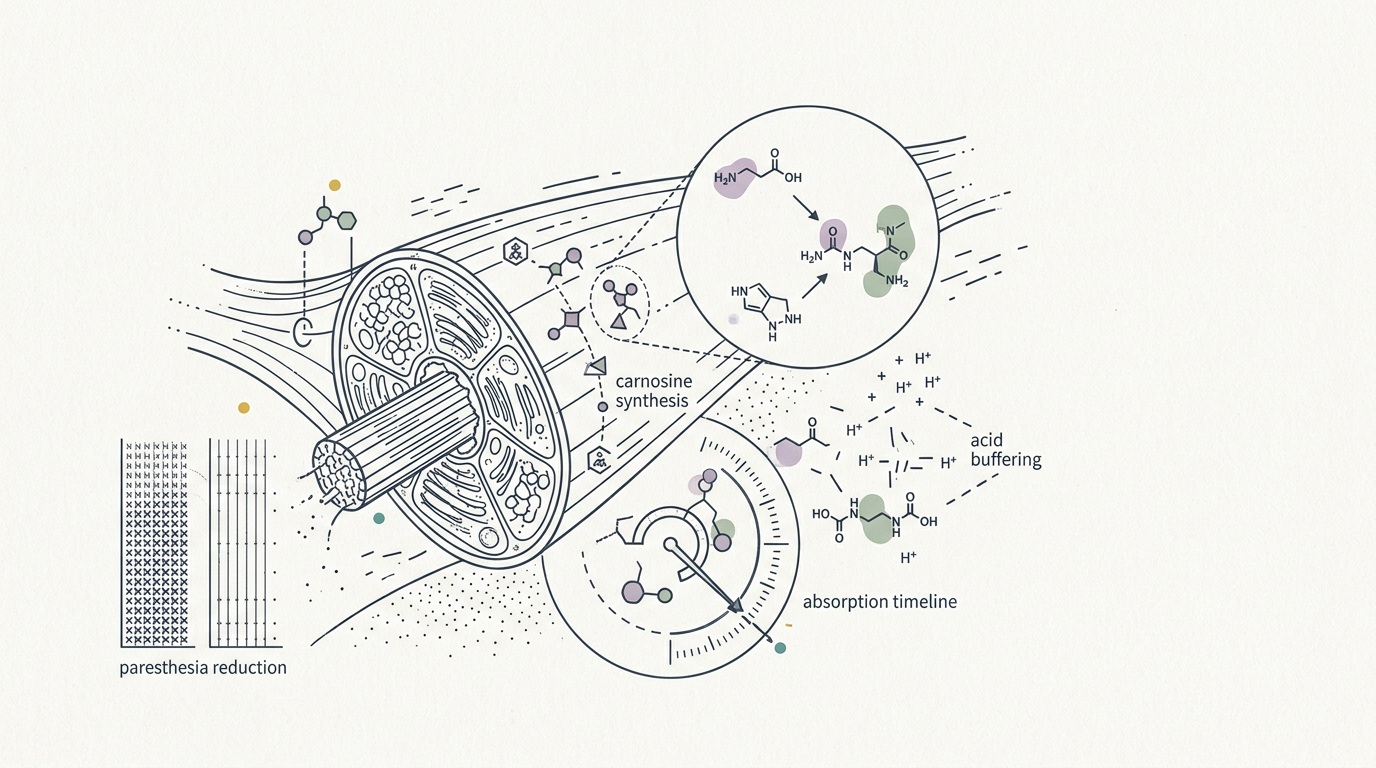
  • Taekwondo, football 5-a-side lead Paris Paralympics injury rates

    news · 2026-07-31 · BJSM (British Journal of Sports Medicine)

    A BJSM study of 4450 Paralympic athletes at Paris 2024 found 10.9% reported injuries, with Taekwondo (27.3 per 1000 athlete days) and football 5-a-side (22.3) showing the highest rates. The research, led by Dr. Yelena Melnyk, tracked injuries and illnesses daily over the 14-day Games period.

    Sabin's take. So, even at the pinnacle of athletic adaptation, high-impact sports still mean high-risk for the nervous system. The numbers here for Taekwondo and 5-a-side football aren't just statistics; they're a direct signal about the body's breaking point under intense, repetitive stress and dynamic impact. What this tells me is that the drive for peak performance often puts the recovery systems into overdrive, or worse, into a deficit. The real question is, how much of this is inherent to the sport's demands and how much is a training load issue? Look for more personalized load monitoring. This isn't about avoiding injury, it's about pushing the edge and knowing precisely when to pull back before the system forces you to. The trend will move toward hyper- индивидуаlized data-driven recovery protocols to protect these athletes' careers.
    #research #fitness #recovery #nervous-system #athletic performance
  • Tennis pros get a mental health strategy via US Open summit

    news · 2026-07-31 · BJSM (British Journal of Sports Medicine)

    Elite tennis athletes, including juniors, are getting a mental healthcare strategy. The British Journal of Sports Medicine reports an 83-person multi-stakeholder summit during the 2022 US Open created recommendations for mental wellness provision for the tennis community. This means official backing for mental health support in a high-pressure sport.

    Sabin's take. Think those stoic pros just 'deal with it'? Nope. This new consensus means the whole tennis ecosystem, from junior circuits to grand slams, is finally mapping out how to actually support athlete mental health. It’s not just about 'resilience' anymore; it’s about acknowledging the real psychological load of global competition and giving mental health specialists a seat at the table. This is a big deal, because when the governing bodies of a sport agree on protocols, it sets a precedent. Watch this space: you'll see more formal mental health structures integrated into other high-stakes athletic environments, moving beyond just physical injury care. It pushes back hard on the 'suck it up' mentality inherent in these sports. Finally. Your brain is a body part, too.

    #research #mental-health #recovery #fitness #nervous-system
  • New BJSM paper details organizational support for athlete mental health

    news · 2026-07-31 · BJSM (British Journal of Sports Medicine)

    The British Journal of Sports Medicine published a new paper on how sports organizations can better support athlete mental health. It highlights the high rates of mental health symptoms in elite athletes (up to one-third) and calls for proactive, system-wide strategies. The goal is to shift from reactive crisis management to preventative, integrated support.

    Sabin's take. The new BJSM paper is a quiet jab at the old-school sports world, where 'tough it out' was the only mental health plan. What they're saying: an athlete's entire nervous system is on the line, not just their muscles. If you want peak performance, you need a pre-hab plan for their brain, just like their hamstrings. This isn't just about avoiding a meltdown; it's about optimizing resilience and focus when it counts, which are straight-up performance metrics. The industry's finally waking up to the fact that cortisol management and sleep debt aren't just for normal people; they're deal-breakers for anyone pushing their physiological limits. The smart money will back programs that embed mental wellness into the daily training grind, not just as a hotline to call after things go sideways. This is where the real competitive edge will be found next.

    #research #mental-health #recovery #nervous-system #fitness #longevity
  • Sam Long, Kirsten Kasper Win Ironman 70.3 Boise Races

    news · 2026-07-31 · Podium Runner / Triathlete Science

    Triathletes Sam Long and Kirsten Kasper took home victories at the Ironman 70.3 Boise, proving too strong in their respective fields. Long dominated on the bike, while Kasper made a strong comeback on the run. These wins add to their professional series standings.

    Sabin's take. Okay, so two athletes won a big race. But what does a half-Ironman actually prove about the human body? It's a masterclass in metabolic flexibility and nervous system regulation. You're pushing close to your VO2 max for hours, managing hydration and fuel intake precisely to avoid bonking, and keeping your mind from telling you to quit. Long's bike dominance means his anaerobic threshold is high and his power-to-weight ratio is dialed, sparing his glycogen stores. Kasper's run comeback shows incredibly efficient oxygen utilization and mental fortitude under fatigue. These aren't just 'fit people' — they're walking, swimming, cycling examples of how far a body can go when trained to optimize endurance, recovery, and pain tolerance. Every pro event like this is a real-time study in human physiology pushed to its limits. What we learn from these athletes' training and recovery eventually trickles down into wearables and recovery protocols for the rest of us.
    #fitness #recovery #longevity #nervous-system #metabolism #athletic-performance
  • Lancet urges medical care for detained Gaza pediatrician

    news · 2026-07-31 · The Lancet

    The Lancet has published a correspondence urging immediate medical attention for Dr. Hussam Abu Safiya, a pediatrician detained in Israel since December 2024. Reports from his lawyer on July 2, 2026, detail severe injuries, physical assault, breathing difficulties, and repeated loss of consciousness. His health has significantly deteriorated.

    Sabin's take. This isn't about specific health policy, but the health and well-being of a physician under duress is a direct lens into critical nervous system breakdown. When basic human rights are denied, particularly access to medical care, it speaks to an extreme level of allostatic load – the wear and tear on the body from chronic stress. Dr. Abu Safiya's reported breathing difficulties and loss of consciousness are severe nervous system indicators, suggesting conditions that would spike cortisol, deplete adrenal reserves, and destabilize core physiological functions. The fact that a major medical journal is publishing an appeal highlights how far past the breaking point the situation has devolved. Watch for how medical ethics organizations respond globally, as the principle of doctor-patient safety, even in detention, is fundamental.

    #policy #mental-health #nervous-system #recovery #longevity #humanitarian