news
Biomedical engineering is booming, but will it reach patients?
Nature News reports a surge in biomedical engineering, with investments pouring into new technologies designed to interact with the human body. The sector is seeing rapid growth in areas like wearables, diagnostics, and therapeutic devices. The big question is whether these innovations will actually translate into tangible benefits for patient health or remain largely theoretical.
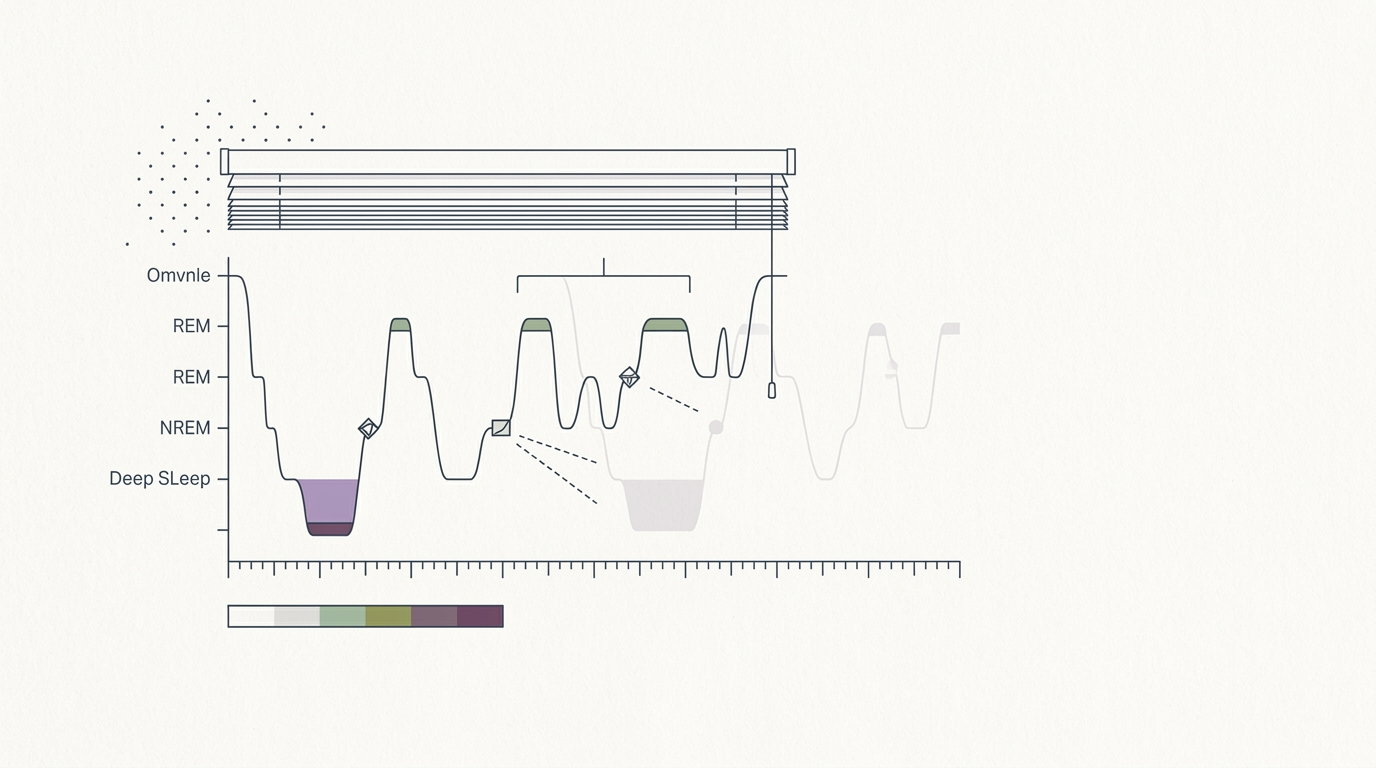
Nature News reports a surge in biomedical engineering, with investments pouring into new technologies designed to interact with the human body. The sector is seeing rapid growth in areas like wearables, diagnostics, and therapeutic devices. The big question is whether these innovations will actually translate into tangible benefits for patient health or remain largely theoretical.
The architecture take
The money's flying into biomedical engineering — think smart wearables measuring everything from glucose to sleep architecture, and devices meant to actually fix things inside you. This is the industry trying to move from 'tracking' to 'intervening,' and that’s a big shift for how we think about health tech. The real hurdle isn't the engineering itself, it's getting these complex, often invasive, solutions through trials and into everyday clinical use. I'm looking at things like bio-integrated sensors that measure inflammatory markers or brain activity directly, not just another app that counts steps. That's the stuff that could genuinely change how we approach chronic conditions and even mental health regulation. But it means navigating years of regulatory approval and figuring out reimbursement models that are currently set up for drugs, not for a device that's half-machine, half-medicine.