news
Medical AI regulation battles heat up in state legislatures
Lobbying groups for doctors, hospitals, and tech firms are quietly shaping state-level regulations for medical AI. The focus is on determining who has authority over autonomous clinical AI and what liability looks like. This fight will dictate how quickly AI-powered diagnostics and treatments reach patients.
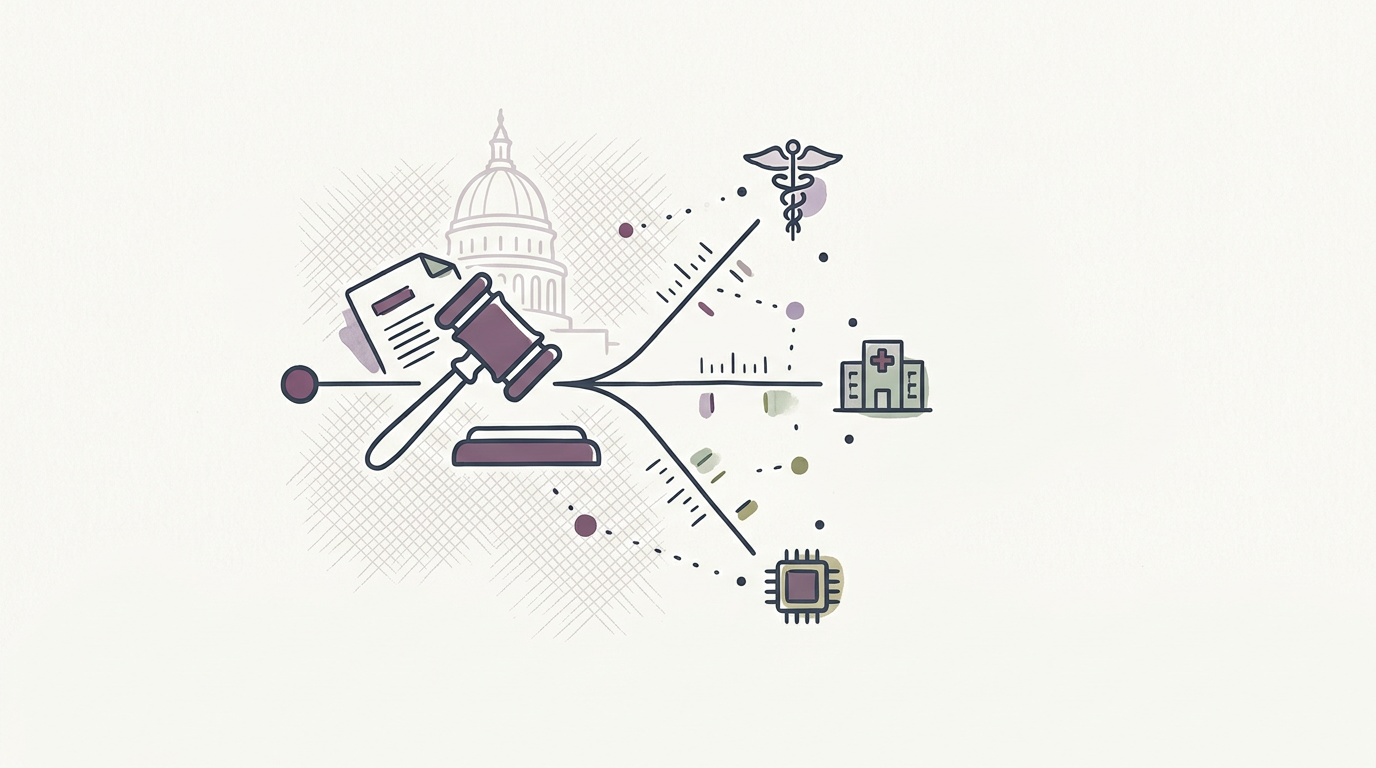
Lobbying groups for doctors, hospitals, and tech firms are quietly shaping state-level regulations for medical AI. The focus is on determining who has authority over autonomous clinical AI and what liability looks like. This fight will dictate how quickly AI-powered diagnostics and treatments reach patients.
The architecture take
The battle over medical AI regulation isn't about AI safety — it's about control. Groups like the AMA want to keep AI under physician supervision, maintaining the existing care model. Tech companies, meanwhile, are pushing for lighter regulation that allows AI to operate more autonomously, speeding up market entry. My read: everyone says 'patient safety,' but they mean 'our slice of the pie.' If AI can diagnose earlier or suggest personalized treatments that actually tweak blood sugar or vagal tone, who gets to sign off on that? What I'm watching is how this plays out in terms of liability. Who's on the hook when an AI gets it wrong? The doctor, the hospital, or the tech company? The answer to that question will decide which innovations make it to market and which get stuck in development. It's less about the tech itself and more about the power dynamics of who gets to gate access to your care.