news
Upcycled ingredients need scalability for nutrition and gut health
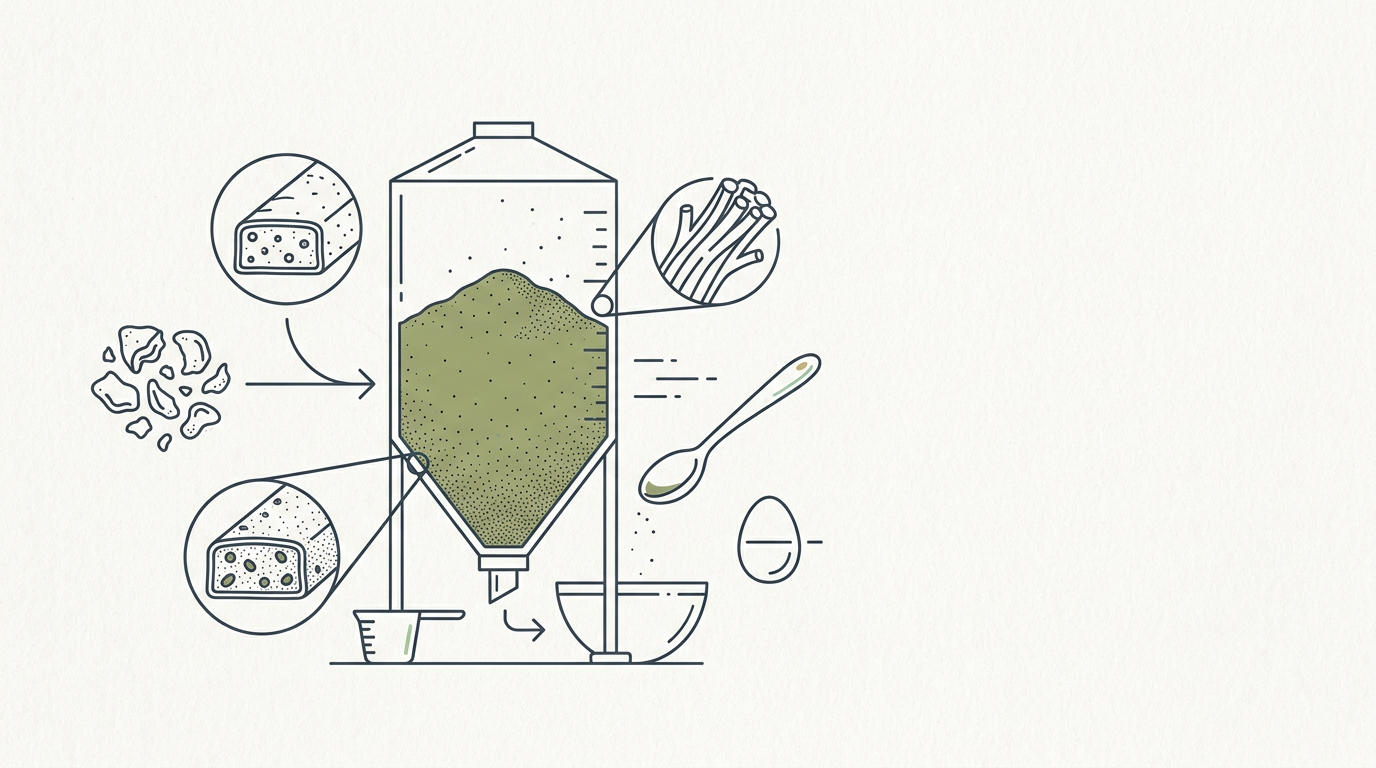
Experts at Vitafoods Insights point out that for upcycled ingredients to truly hit the mainstream, companies need to figure out how to scale production efficiently and cost-effectively. This isn't just about reducing waste; it's about making sustainable nutrition accessible.
Experts at Vitafoods Insights point out that for upcycled ingredients to truly hit the mainstream, companies need to figure out how to scale production efficiently and cost-effectively. This isn't just about reducing waste; it's about making sustainable nutrition accessible.
The architecture take
The buzz around upcycled ingredients is real, but it's still niche. For these things to matter to your gut microbiome or your inflammation markers, they have to move past the artisanal stage. Think about it: if the industry can't reliably produce large batches of, say, citrus fiber from juice pulp or protein from spent grains, it stays a boutique product for people with deep pockets, not a dietary staple. That's a missed opportunity for broad-scale nutrition and the potential impact on gut health through new fiber sources and diverse proteins. The core issue is less about the novelty of the ingredient and more about the logistics of making it affordable and plentiful enough to end up in everyday foods you'd actually eat. I'm watching for the industrial-scale food tech companies that figure this out first, because they're the ones who will actually change what's in our grocery carts.