news
Pig kidneys frozen for a year revived, could lead to human organ banking
Scientists successfully rewarmed pig kidneys cooled to -150 °C and stored for months, restoring their function for the first time. This breakthrough, published in MIT Tech Review, paves the way for potential long-term organ banking for human transplants. The next step is replicating the findings with human organs.
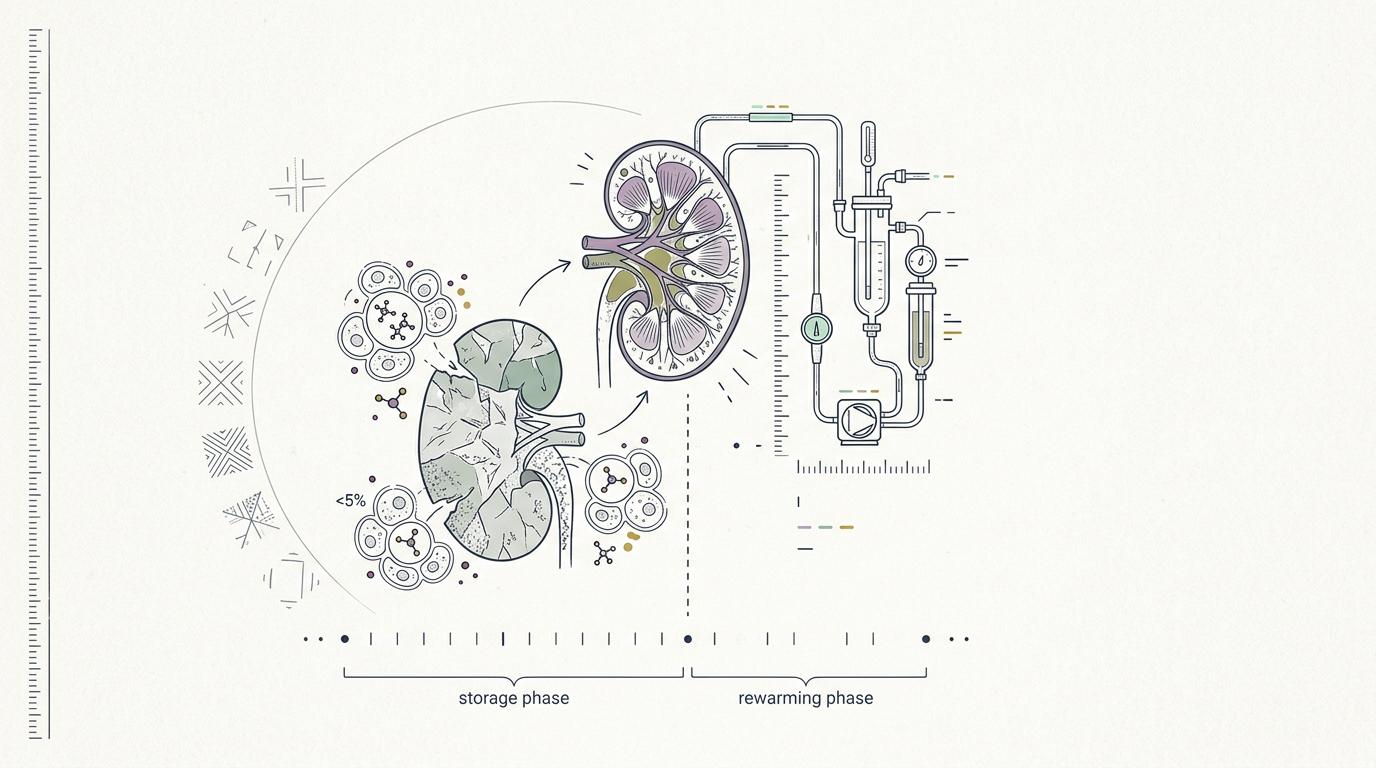
Scientists successfully rewarmed pig kidneys cooled to -150 °C and stored for months, restoring their function for the first time. This breakthrough, published in MIT Tech Review, paves the way for potential long-term organ banking for human transplants. The next step is replicating the findings with human organs.
The architecture take
So, they just brought frozen pig kidneys back to life after a year. This isn't some mad scientist movie plot; it's a massive leap for organ cryopreservation and, eventually, for longevity. Imagine needing a transplant and not having to race against the clock or a match list – your specific organ could be waiting. The mechanism here is a cocktail of protective agents that keep cells from turning to ice shards, allowing tissues to enter a glass-like state. It's about preserving cellular integrity at ultra-low temps. If they can scale this for human organs, it totally shifts how we approach major organ failure. It means fewer people on transplant waitlists, better matching, and a new baseline for what's possible when a body part goes offline. My bet? We're still years out from human application, but this pushes the entire field forward fast.